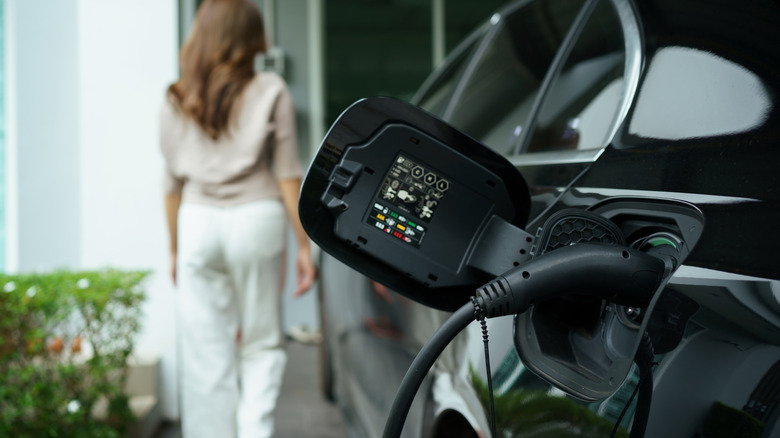

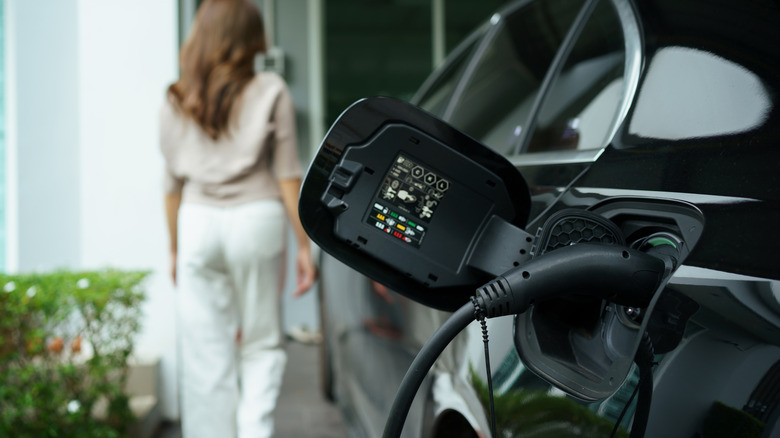
Charging costs are increasing for EV owners, but a recent study by JD Power claims that many owners are not using all the tools at their disposal to reduce their bills. The study found that only 12% of surveyed EV owners used smart charging programs when they charged their cars at home, even though 69% of respondents were aware they existed.
Smart charging can help users cut costs by charging their cars during off-peak hours, with Wi-Fi-connected chargers able to schedule charge cycles to match periods where electricity demand is lower. Vehicle owners benefit from cheaper charging, and power companies can potentially benefit from fewer fluctuations in electricity demand during off-peak hours.
EV owners who don’t have access to smart charging via a home charger can still save money by charging during off-peak hours. According to JD Power, drivers who schedule their car’s charging to take advantage of off-peak rates can save an average of $6 every 30 days, which equates to around $73 per year. Even so, only 38% of the study’s surveyed EV owners said that they always scheduled charging, while 46% said that they never did. The best time of day to schedule EV charging can vary between locations and providers, but overnight charging is often cheaper than charging during the day. It’s worth checking what your supplier considers to be peak hours if you’re on a flexible rate.
Satisfaction varies between regions and charger types
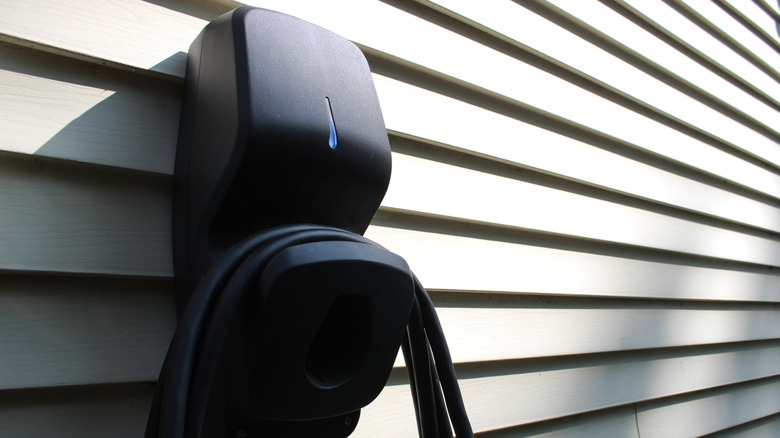
As well as surveying owners on their charging costs, the JD Power study also asked owners how satisfied they were with their current charging setup. Satisfaction levels varied between charger types and regions of the country, with areas where charging costs more seeing a greater number of dissatisfied owners. EV drivers in New England faced both the highest charging costs and the lowest charging cost satisfaction, while drivers in the Mountain region saw the lowest average costs and were happier about current costs.
EV chargers are categorized into various charging levels, and the JD Power study found that owners of more powerful Level 2 chargers are more satisfied than those with Level 1 chargers. That’s despite Level 2 chargers suffering more faults on average, which the study says is due to their added complexity.
The brand of a charger also played a part in determining satisfaction levels, with Tesla chargers seeing the highest levels of satisfaction and Emporia and ClipperCreek chargers in second and third place. Home charging can be a crucial factor in working out whether or not an EV will save money compared to a gas-powered car, but the latest findings suggest that picking the right kind of home charger is also important for overall satisfaction.

Stephan is the sports journalist for the Maple Grove Report.