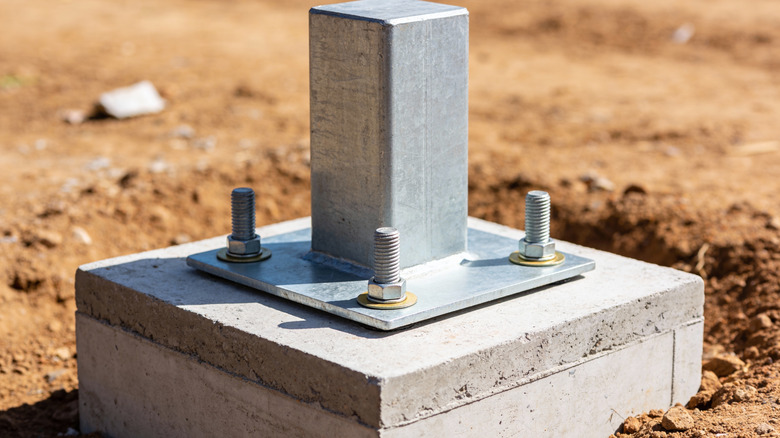

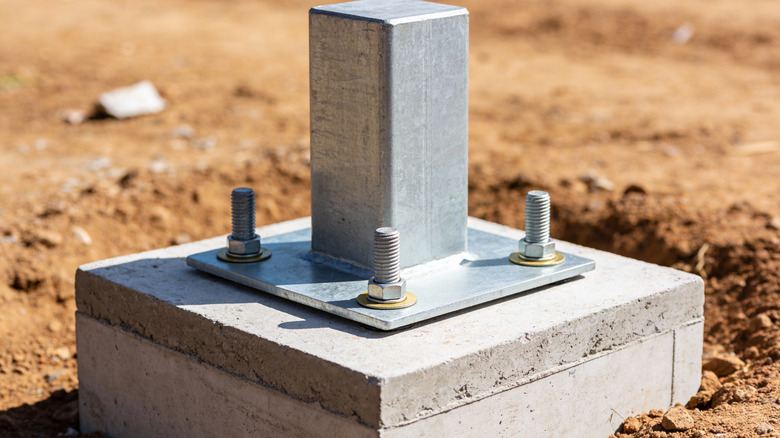
For homeowners trying a DIY project before calling the pros, it’s important to have the right tools on hand first. It’s also important to have the right accessories if needed, including screws, nails, bolts, and other fasteners. But beware that you may actually need concrete anchors instead, depending on what you’re working on. There are more differences than you may think, and it begins with understanding what each one actually does.
Though both fastening and anchoring are sometimes used to describe the same thing, they’re actually very different. “Fastening” can refer to attaching lightweight items using screws, bolts, and other hardware to concrete, which you should never touch with your bare hands when it’s wet. Fastening can include everything from hanging shelving or fixtures, essentially anything that’s not part of the structure itself. But “anchoring” involves securing heavier items or structural components. So if more holding capacity is required and the connection must be stronger, using expanding anchors is the right move.
For example, concrete anchors are perfect for use in materials like brick, masonry, and concrete. That’s because standard fasteners like nails and screws are typically not enough to do the job on their own. But there are different types of anchors designed for different applications, so the right choice will largely depend on the specific job and the working conditions. Understanding these differences is what helps ensure you use the right anchor for the right situation.
Concrete anchor types and installation factors
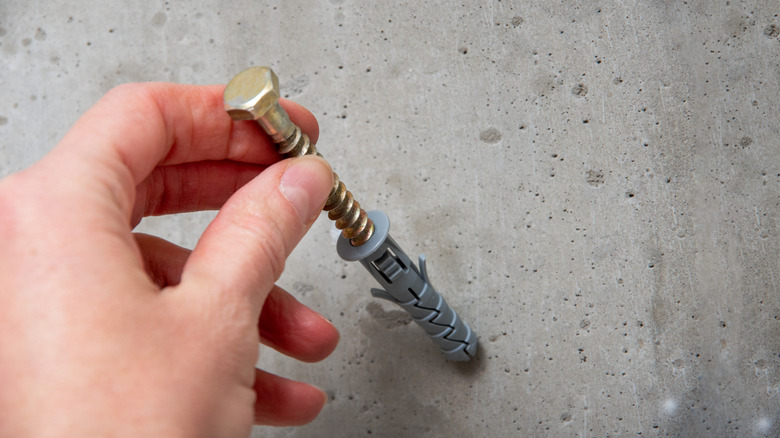
There are different types of concrete anchors designed for specific jobs that regular fasteners simply can’t handle. One of the most common anchor types is mechanical, which includes drop-in, pin, sleeve, and wedge anchors. These anchors are used for a wide variety of construction jobs, especially when a secure hold is needed. The other type is chemical, where adhesive helps secure rebar or a threaded rod inside a drilled hole. Either type can work, depending on the project.
The type of surface you’re working with also plays a major part in whether concrete anchors are actually needed. Solid concrete, which can be drilled into with these tools, as well as brick, and masonry, all respond differently to fastening. Using the wrong type of hardware can lead to a weak connection. Choosing the right solution isn’t just about strength, but also about how well the hardware matches up to the material. So even though concrete anchors provide a more secure hold, you don’t necessarily need them instead of regular fasteners for lightweight tasks.
But the specific conditions involved during installation are also important. This is why the weight of the attachment being supported should always be considered first. Whether the surface you’re drilling into will be exposed to moisture or vibration should be accounted for as well. Taking all of these factors into consideration helps ensure the hardware you use, whether concrete anchors or regular fasteners, perform as intended once installed.

Stephan is the sports journalist for the Maple Grove Report.