This Toyota Revolutionized The Compact 4WD Pickup Truck


Today, with extremely capable off-road models like the latest Tacoma TRD Pro being the norm, it’s easy to overlook just how much Toyota’s light-duty pickup trucks have evolved — and how much they’ve expanded the boundaries of what a “compact” pickup can be. Yes, Toyota trucks have always had a large and loyal following, with their global reputation for reliability and durability reaching meme-like proportions, but there’s more to it than that.

In the broader scope of automotive history, the lineage and accomplishments of Toyota’s pickups are sometimes overshadowed by long-running, iconic models from other automakers — perhaps because of that aforementioned no-frills, hardworking image. But Toyota completely changed the pickup truck game in the late 1970s when it began offering four-wheel drive on its third-generation Hilux — which in North America was sold simply as the “Toyota Truck”. 

Having a capable 4×4 system packed into a compact pickup platform not only added a new level of capability not previously seen in the small pickup segment, but it also created an off-road hero that would quickly become beloved by 4×4 enthusiasts around the world. Today, as its design nears 50 years old, the third-generation Hilux/Toyota Truck has unsurprisingly become a highly desirable classic, with clean 4×4 models commanding prices that would once have seemed unimaginable for a “cheap” old Toyota pickup truck.

Toyota revolutionized the compact pickup

The history of Toyota’s U.S.-market pickups is a long one, but the lineage of the Hilux/Toyota Truck starts with the introduction of the first-generation model in 1968. For the first decade of its existence, the Hilux was simply a utilitarian, light-duty pickup truck with a basic two-wheel drive layout. In those early days, if you wanted a Toyota with four-wheel drive, you’d have to step up to a Land Cruiser.

That all changed for the 1979 model year, when Toyota introduced a four-wheel-drive option for the new third-generation Hilux/Toyota Truck. Opting for the 4×4 drivetrain transformed the pickup from a basic utility vehicle into an off-road wonder. Soon, these compact and capable 4×4 Toyota pickups began filling the trails and were giving Jeeps and Ford Broncos a run for their money — not just with their raw off-road capability, but with their excellent reliability as well.

Not surprisingly, Toyota’s competitors quickly responded with compact 4×4 pickups of their own. The rival Nissan/Datsun 720 pickup added a four-wheel-drive option beginning in 1980, while American automakers Ford and General Motors would introduce their new compact Ford Ranger and Chevy S-10 pickup trucks in the early ’80s — both with available 4×4. From this point on, smaller 4×4 pickups would become increasingly popular, even as they grew into the mid-size trucks of today’s market.

A certified Toyota classic

Another interesting historical note about this generation of Toyota pickup is that there was a short-lived, recreational version of the third-generation Toyota Truck 4×4 called the Trekker. It was modified by Winnebago, who replaced the truck’s open bed with an enclosed cabin, and was essentially a precursor to the 4Runner SUV, which shared a lot with the Toyota Truck and would debut in the mid-1980s.

Given all of this, it’s not surprising that the third-generation Hilux/Toyota Truck is now considered one of Toyota’s most popular 1980s-era classics and, depending on condition and options, can be quite expensive collector’s items, with 4×4 models by far the priciest. They can fetch $35,000 or more, and we’ve seen original-condition examples of the 4×4 Toyota Truck with asking prices nearing $60,000, which probably seems unbelievable to the generations who grew up with these trucks as cheap, disposable trail rigs.

The 4×4 Toyota Truck is many things, depending on who you ask. It could be considered a legendary off-road rig, a generational classic, or even just an important milestone in Toyota’s truck-building history. Either way, the impact of the third-generation Toyota Hilux on both the pickup market and the 4×4 hobby is hard to overstate.


Source link

Leave a Reply

Subscribe to Our Newsletter

Get our latest articles delivered straight to your inbox. No spam, we promise.

Recent Reviews


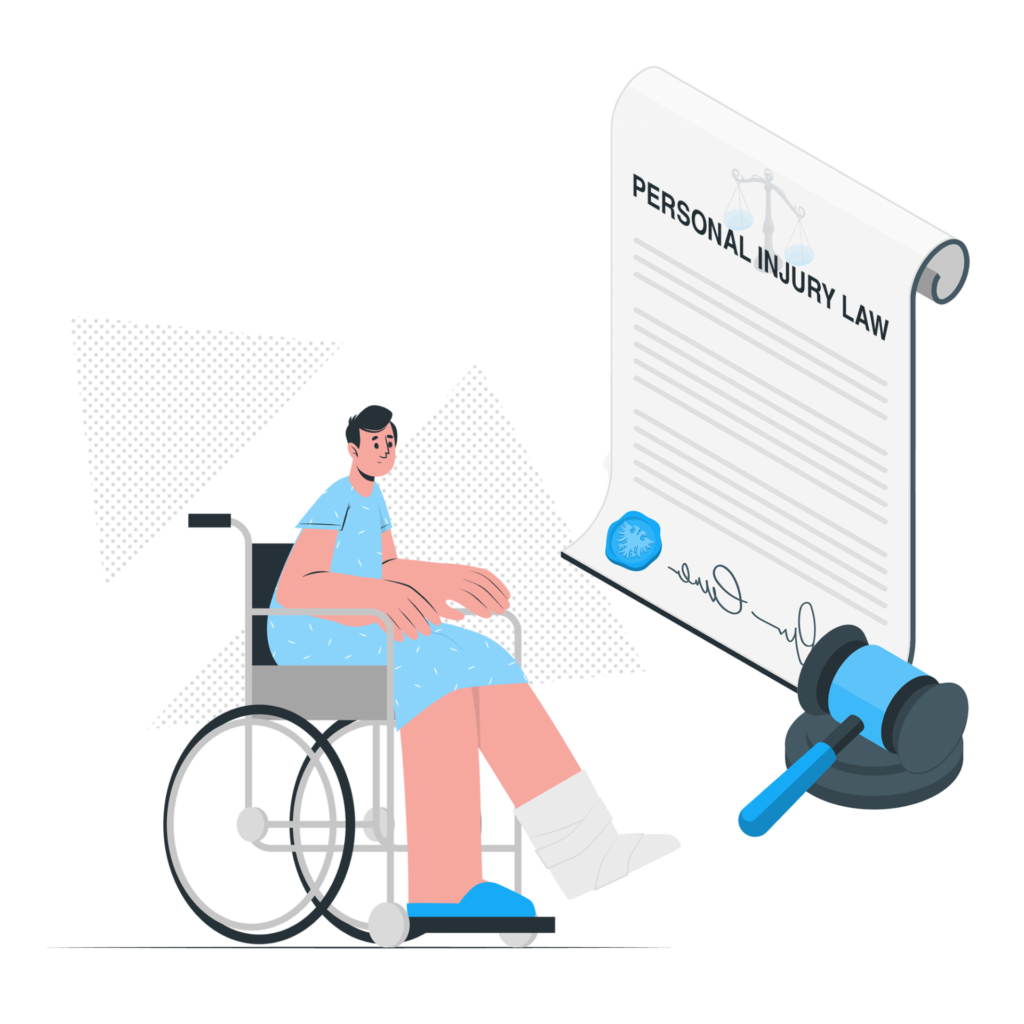
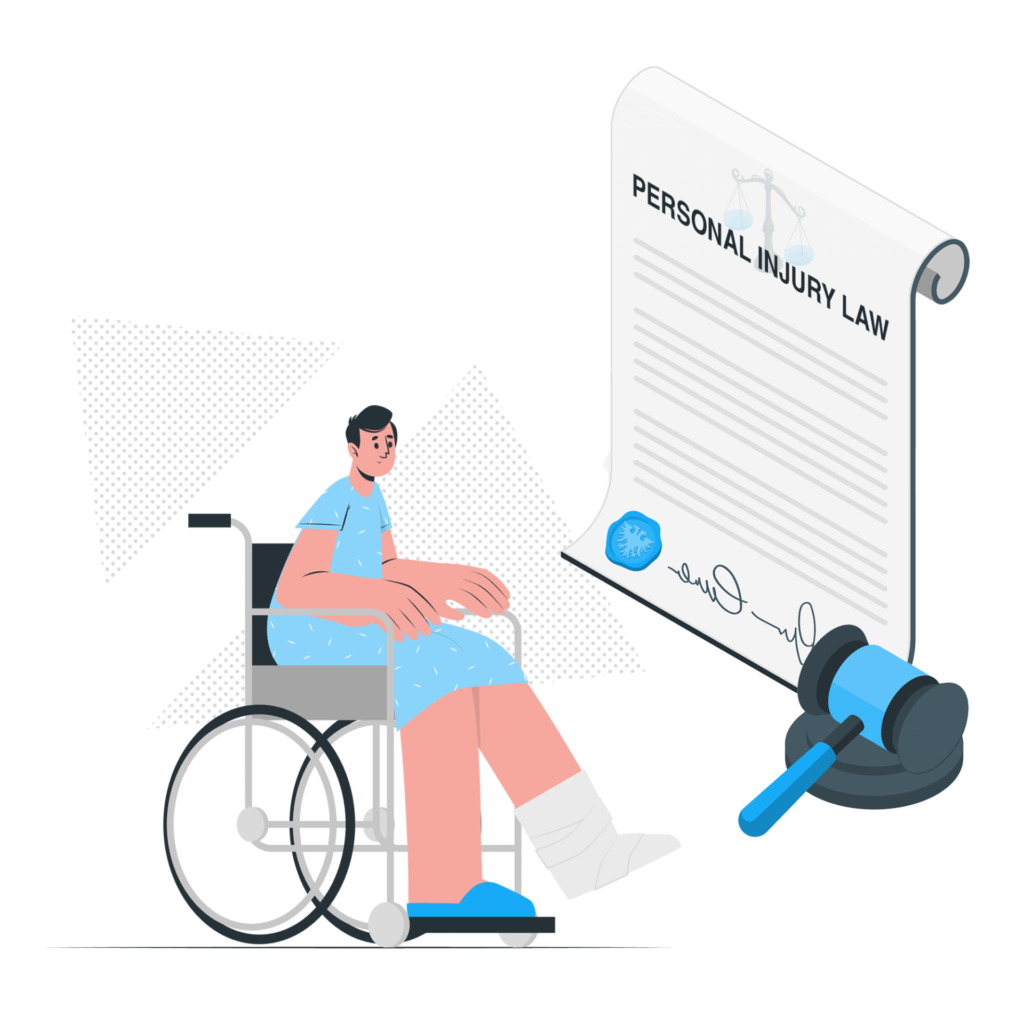
Navigating a personal injury claim can feel overwhelming, especially when you’re dealing with medical bills, insurance calls, and recovery all at once. Many people wonder whether they can handle the process themselves or if they need professional legal help. While some minor cases can be managed independently, others particularly those involving severe or life-altering harm require the expertise of a catastrophic injury lawyer to ensure fair compensation and long-term protection.

Understanding where to draw the line is crucial. Making the wrong decision can cost you time, money, and potentially the compensation you deserve.

When You Can Handle a Personal Injury Claim Yourself

Not every injury case requires legal representation. In fact, many straightforward claims can be resolved without hiring a lawyer, especially when the situation is clear-cut.

1. Minor Injuries with Full Recovery

If your injury is relatively minor such as small cuts, bruises, or mild sprains and you’ve fully recovered without long-term complications, handling the claim yourself is often manageable. Insurance companies typically process these claims more quickly, and the compensation amounts are usually limited and predictable.

2. Clear Liability

When it’s obvious who is at fault and there’s little to no dispute (for example, a rear-end car accident with clear evidence), you may be able to negotiate directly with the insurance company. Having photos, witness statements, and a police report can strengthen your position.

3. Minimal Financial Losses

If your expenses are limited to minor medical bills and a short period of missed work, the claim is generally straightforward. In such cases, the effort and cost of hiring a lawyer might outweigh the benefits.

4. Comfort with Paperwork and Negotiation

Some individuals feel confident handling documentation, communicating with insurers, and negotiating settlements. If you’re organized, detail-oriented, and willing to invest time, managing a simple claim can be feasible.

When You Should Think Twice About Going Solo

While handling a claim yourself can work in simple situations, many cases quickly become complex. This is where risks start to outweigh the benefits.

1. Serious or Long-Term Injuries

If your injury requires ongoing medical treatment, rehabilitation, or results in permanent disability, the stakes are significantly higher. Calculating future costs such as lost earning capacity or long-term care can be complicated. In these cases, working with a catastrophic injury lawyer becomes essential to ensure nothing is overlooked.

2. Disputed Liability

If the other party denies responsibility or tries to shift blame onto you, handling the claim alone can be challenging. Insurance companies often use tactics to minimize payouts, and without legal expertise, it’s easy to accept less than you deserve.

3. Insurance Company Pressure

Insurance adjusters may seem helpful, but their goal is to protect the company’s bottom line. They might offer quick settlements that appear fair but don’t account for long-term consequences. Without experience, it’s difficult to recognize when an offer is insufficient.

Cases involving multiple parties, unclear fault, or complicated medical conditions require deeper legal and technical knowledge. Missing a single detail such as proper documentation or deadlines can weaken your case significantly.

The Hidden Risks of DIY Injury Claims

Handling your own claim isn’t just about saving money it also comes with potential downsides that many people don’t anticipate.

  • Undervaluing Your Claim: Many individuals focus only on immediate expenses and forget future costs like therapy, medication, or reduced earning potential.
  • Missing Legal Deadlines: Every claim is subject to time limits. Missing a deadline could mean losing your right to compensation entirely.
  • Accepting Low Settlements: Once you accept an offer, you typically can’t reopen the case even if your condition worsens.
  • Emotional Stress: Managing negotiations while recovering physically and mentally can be exhausting.

These risks become even more serious in high-impact cases, where the financial and emotional consequences can last a lifetime.

Signs You Should Seek Professional Help

If you’re unsure whether to proceed alone or hire a lawyer, watch for these warning signs:

  • Your injury affects your ability to work long-term
  • Medical treatment is ongoing or uncertain
  • The insurance company disputes your claim
  • Multiple parties are involved
  • You’re unsure how to calculate fair compensation

When any of these factors are present, consulting a catastrophic injury lawyer can provide clarity and protect your interests. Even a brief consultation can help you understand the true value of your case and the best course of action.

Finding the Right Balance

The decision to handle a personal injury claim yourself ultimately depends on the complexity of your situation. Simple cases with clear outcomes may not require legal representation, but as soon as uncertainty, severity, or long-term impact enters the picture, professional guidance becomes invaluable.

Think of it this way: handling a claim yourself might save money upfront, but it can cost far more if you underestimate your damages or accept an unfair settlement. On the other hand, knowing when to seek help ensure that your rights and your future are fully protected.

Final Thoughts

Personal injury claims aren’t one-size-fits-all. While self-representation works in some cases, it’s not always the safest route. The key is recognizing the difference between a manageable claim and one that carries lasting consequences.

If your situation involves serious injuries, unclear liability, or long-term financial impact, stepping beyond the DIY approach could make all the difference. Taking the time to assess your case carefully and seeking expert guidance when needed can help you secure the outcome you truly deserve.


Source link