
The highly anticipated 2026 Corona Top 100 World Beach list just dropped, and it is already driving massive waves of flight bookings.
Mexico had a phenomenal showing this year, landing 5 spectacular beaches on the global list.
If you just glance at the headlines, you might be tempted to instantly book a trip to check these exact spots off your bucket list.
But before you pull out your credit card, we need to have a quick look at reality.
While the beaches on the Corona list are undeniably beautiful in heavily edited photographs, the on-the-ground reality for a tourist in 2026 is a completely different story.
Many of these famous stretches of sand are battling insane overcrowding, massive price hikes, aggressive government permit requirements, and severe environmental issues. Following a viral list blindly is the fastest way to end up frustrated, broke, or standing in a two-hour line just to see the water.
If you want the absolute best vacation experience, you need to know how to pivot. For every overhyped mega-beach in Mexico, there is an incredible, authentic alternative just down the road.
Here is the unvarnished truth about the 5 Mexican destinations that made the 2026 Corona list, and the vastly superior hidden gems you should visit instead to protect your time and your wallet.
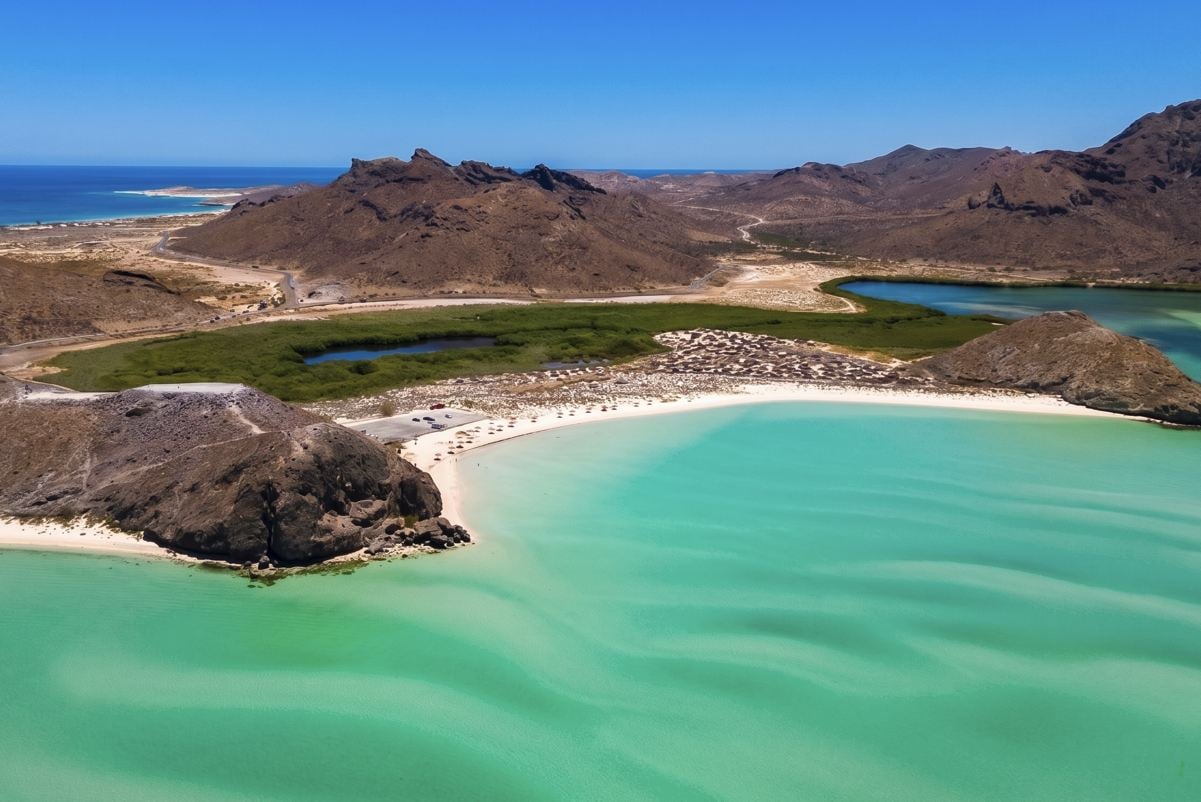
Playa Balandra (Baja California Sur) vs. Playa El Tecolote

The Pick: Playa Balandra
The Reality: Visually, Playa Balandra in La Paz is an absolute masterpiece. The shallow, neon-blue water and the iconic mushroom rock formation are famous all over the world. But the secret has been out for years, and the government has cracked down hard. Balandra is now ruined by incredibly strict capacity limits. You literally have to wake up at the crack of dawn, wait in a massive line of cars for hours to get a timed entry wristband, and then you get aggressively kicked off the beach the second your short time slot is up.
The Alternative: Instead of dealing with the miserable entry lines at Balandra, simply drive a few minutes further down the exact same road to Playa El Tecolote. You get to look at the exact same beautiful ocean bay, but there are absolutely zero government entry limits. You can pull right up, grab a massive seafood platter at one of the lively local beach clubs, and drink cheap, ice-cold beers on the sand for as long as you want without a park ranger constantly checking their watch.
Playa Escondida (Hidden Beach) Nayarit vs. San Pancho
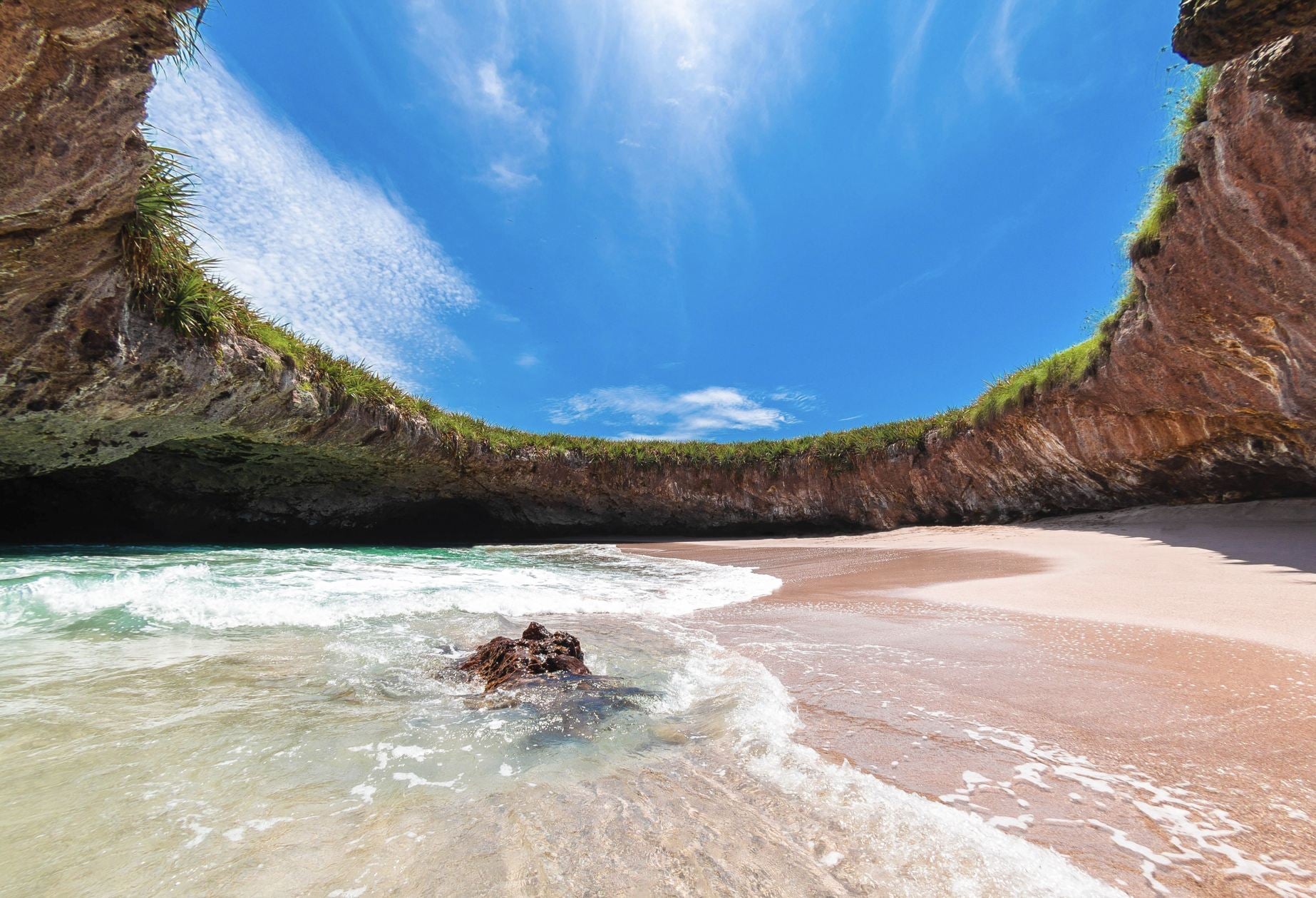
The Pick: Playa Escondida
The Reality: The famous “Hidden Beach” inside the Marietas Islands looks incredible on a drone video, but getting there is an absolute nightmare. It requires an expensive, hard-to-get government daily permit because access is highly restricted. Even if you secure a spot, you have to jump off a boat in open water and anxiously swim through a dark cave just to stand on a tiny patch of sand for exactly twenty minutes before you are forced to leave.
The Alternative: Skip the red tape and head to San Pancho. This is a wide-open, pristine Pacific beach town with zero government permits required to enjoy the sand. You might be wondering why we are recommending San Pancho instead of the incredibly famous town of Sayulita right next door. The reality is that Sayulita has been struggling with severe water contamination and sewage issues, especially in the summer. San Pancho delivers that raw, authentic surf town vibe with much cleaner water, better local food, and plenty of space to lay out your towel without sitting on top of a stranger.
Playa Carrizalillo (Oaxaca) vs. Playa Bacocho

The Pick: Playa Carrizalillo
The Reality: Located in Puerto Escondido, Carrizalillo is a gorgeous little cove with calm water. The massive problem is the access. To get to the sand, you have to hike down more than 160 incredibly steep stone steps. Because the beach is so small and enclosed, it gets packed shoulder-to-shoulder by mid-morning. Once you are done baking in the crowded heat, you have to drag all your gear back up those 160 grueling stairs just to catch a cab back to your hotel.
The Alternative: Save your legs and head over to Playa Bacocho. This is a massive, wide-open beach right down the road that rarely ever feels crowded. You can easily walk right onto the sand, rent a shaded cabana, and spend the entire afternoon relaxing to the sound of the crashing waves. The absolute best part about Bacocho is the local turtle sanctuary. Every single evening right before sunset, you can participate in a baby sea turtle release program, watching the tiny hatchlings make their way into the Pacific Ocean. It is a vacation memory you will never forget.
Playa Los Barriles (Baja California Sur) vs. Cabo Pulmo
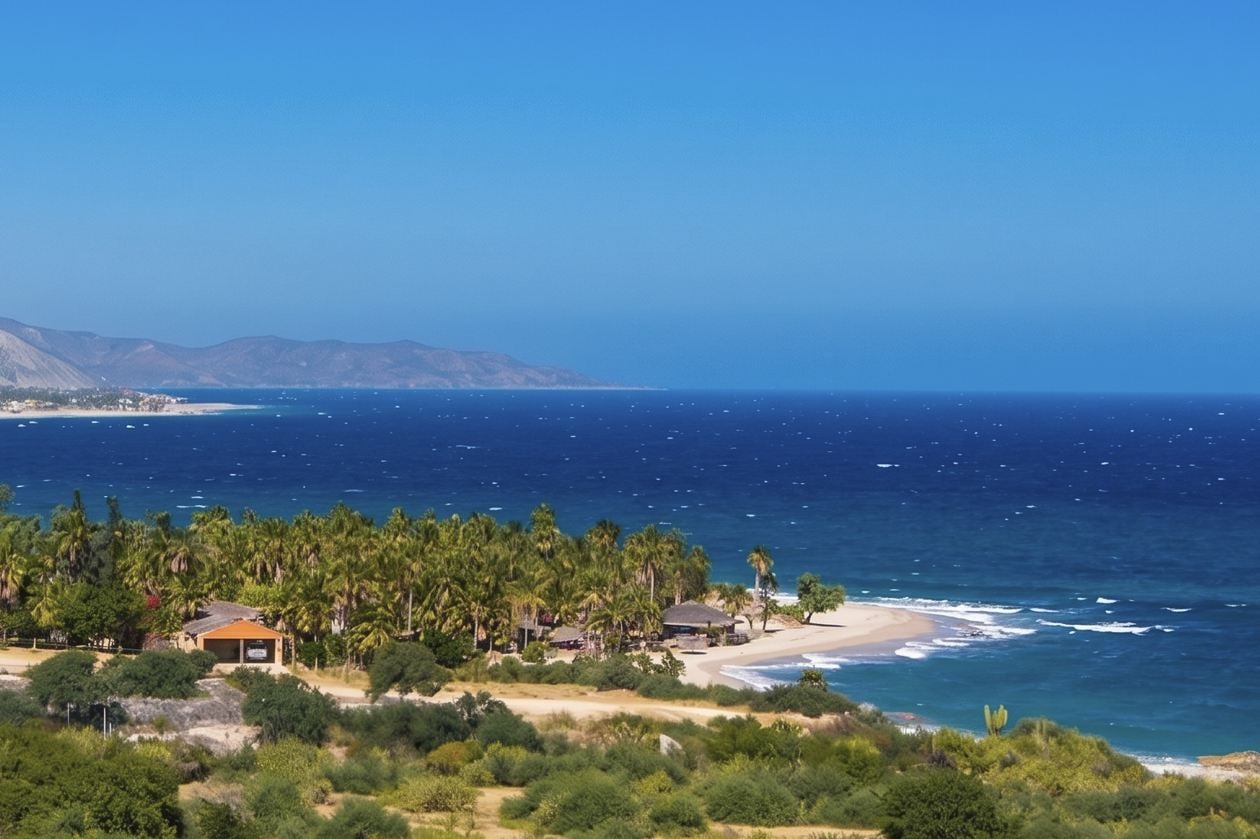
The Pick: Playa Los Barriles
The Reality: Los Barriles is a stunning stretch of the East Cape, but there is a very specific reason it is on the map: the wind. This town is a world-famous destination for hardcore kite-surfing. If you are going there to fly over the waves on a board, it is paradise. If you are going there to relax on a beach towel and read a book, you are going to be miserable. The relentless, howling winds will aggressively sandblast you, blow your umbrella away, and make a standard relaxing beach day completely impossible.
The Alternative: Cabo Pulmo. If you want to experience the raw beauty of the East Cape without getting blown away, you need to visit Cabo Pulmo. It is a highly protected marine reserve known for having some of the most vibrant, living coral reefs in the northern hemisphere. The coves are calm, sheltered, and offer world-class snorkeling where you can swim alongside massive schools of fish, rays, and sea turtles. It gives you the quiet, off-the-grid Baja experience you are looking for without the extreme wind conditions ruining your day.
Tulum (Quintana Roo) vs. Bacalar

The Pick: Tulum
The Reality: There was a time when Tulum was a sleepy, bohemian paradise, but those days are long gone. Today, the main beach road is very costly and constantly completely gridlocked with traffic. You are going to be fighting for space with influencers, paying New York City prices for a basic cocktail, and dealing with the brutal summer sargassum. The seaweed washes up in massive, foul-smelling mounds that can completely ruin the crystal-clear water you came to see.
The Alternative: Bacalar. If you want the relaxed, affordable, boho vibe that Tulum completely lost years ago, you need to head south to Bacalar. Known as the Lagoon of Seven Colors, this incredible freshwater lake offers some of the most vibrant, stunning blue water on the planet. Because it is freshwater, you never have to worry about the unpredictable ocean seaweed ruining your trip. You can spend your days sailing, kayaking, and hanging out on the water.
Let the massive crowds follow the trendy lists and stand in line. By knowing the reality on the ground, you can easily upgrade your vacation, save your hard-earned money, and enjoy the absolute best of the real Mexico 🌴.
You can see the full 2026 top 100 beaches according to Corono here.

Stacie Harris is a local resident and reporter of the Maple Grove area. Stacie reports on medicine and science for the Maple Grove Report.