Walk into any gym in Minnesota on a summer evening and you’re not just watching basketball. You’re watching young men figure out who they are.
As a coach in the Minnesota Heat basketball program, I’ve watched boys from Coon Rapids, Andover, Blaine and all over the metro grow through the summer AAU season in ways that go far beyond the scoreboard. Parents see the games. Coaches see the transformation. And what happens in these gyms — for both young men and young women — is one of the most underappreciated forms of youth development taking place in our state right now.
Minnesota has invested heavily in youth programming: school enrichment, mental health services, after-school initiatives. All of it matters. But there is something happening on the hardwood each summer that doesn’t get nearly the credit it deserves. AAU basketball is quietly doing the work that a lot of formal programs struggle to replicate, building young men in real time, under real pressure, in front of peers who are counting on them.
Related: Is it still OK for coaches to scream at kids?
Most people don’t think about this. AAU coaching is volunteer work, which seems like common sense to anyone who’s been around youth in a meaningful way. Yet coaches like John Conyers, Travis Dedina and others show up year after year because they care deeply about these boys, who they are now and who they’re going to be. That’s not a small thing. In an era when male mentorship is increasingly recognized as a crisis, the volunteer coach is a frontline responder that nobody is talking about.
AAU gives our young men something they don’t always get enough of — structure, accountability and a team that depends on them. When a player shows up after a tough day, he learns effort still matters. When he gets benched for not boxing out, he learns actions have consequences. When he hits a big shot after missing the last three, he learns confidence is built, not handed to you. These lessons stick in ways a classroom lecture rarely can, because they happen in the moment, in front of teammates, with stakes that feel real.
The summer circuit also builds community across lines that don’t often cross. I’ve coached players from different schools, different neighborhoods, different family situations. Kids who in any other context might never share a locker room. By July, they’re brothers. They’ve run sprints together, lost together, won together. Basketball is doing this quietly in gyms from Duluth to Rochester to the Twin Cities metro every single summer, and most people driving past those parking lots have no idea.
And then there’s the mentorship piece, which may be the most important and least discussed benefit of all. Teenagers don’t always want advice from mom or dad. But they will listen to a coach who believes in them and holds them accountable. Young men with consistent adult mentors outside the home fare better across nearly every measure we care about as a society. I’ve seen boys who struggled with confidence walk into the gym in May and walk out in July standing taller. That’s not an accident. That’s what happens when a young man feels seen.
Related: ‘There are other people like me’: New nonprofit connects LGBTQ+ youth with mentors
The state spends a lot of energy searching for solutions to youth disengagement. We don’t have a shortage of programs. We have a shortage of attention paid to the ones that are working. AAU basketball across Minnesota runs on family registration fees and volunteer coaching, with no public funding and no institutional safety net. That’s not a complaint. That’s a fact worth sitting with when we talk about what it takes to keep young men engaged, grounded and pointed in the right direction. Minnesota doesn’t need to build something new. It needs to pay attention to what’s already built.
AAU isn’t a perfect system, and no youth system is. But when I look at our program, I don’t just see athletes. I see future fathers, workers, neighbors and leaders, focused on something bigger than themselves. We talk a lot in Minnesota about investing in the next generation. We fund task forces, publish reports and debate policy. The coaches already showing up in gyms across this state every summer are doing the work. It’s time the rest of us paid attention.
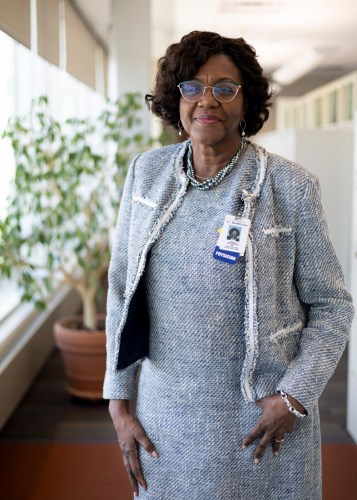
Ken Uko is the head coach for Minnesota Heat 16U AAU basketball program. He is vice president of the Hoover Elementary PTO, serves on the Charter Commission for the city of Coon Rapids and is founder of NorthStar Claims Consulting in Coon Rapids.
Related