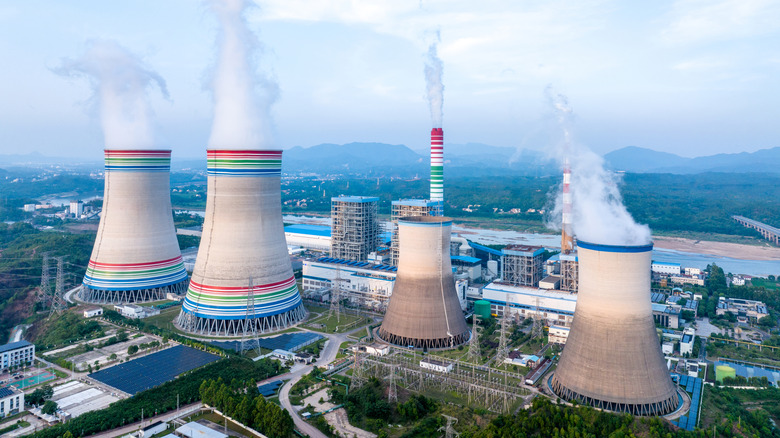

There’s no denying that coal as a fossil fuel has had a tremendous impact on the development of human society. To this day, it remains one of the most important sources of energy, with nearly 36% of the worldwide electricity generated using coal-based thermal power plants. Given how long humans have used coal, we’re fully aware of the ecological problems associated with it. The majority of these problems center around the most commonly used method to produce electricity from coal; by burning it. This process emits various types of pollutants into the air, and is the number one cause for coal ending up with such a bad reputation.
While engineers have steadily improved coal power plant efficiency over the decades, conventional combustion methods still wastes a significant portion of coal’s energy as heat. This is why a group of scientists from China’s Shenzhen University and the Chinese Academy of Engineering are trying a different method. This group recently embarked on a study that envisions coal being used as a relatively cleaner source of energy. While still in its infancy, they have managed to refine a process called Zero-Carbon-Emission Direct Coal Fuel Cell (ZC-DCFC). This technology uses the chemical energy stored in coal to generate electricity. Not by burning it, but instead using the principles of electrochemistry.
In many ways, the ZC-DCFC process works more like a fuel cell than a conventional coal-fired power plant. What makes the development of ZC-DCFC crucial, however, is the possibility of it solving the energy and fuel security concerns faced by several countries.
How does the ZC-DCFC process use coal to generate electricity?
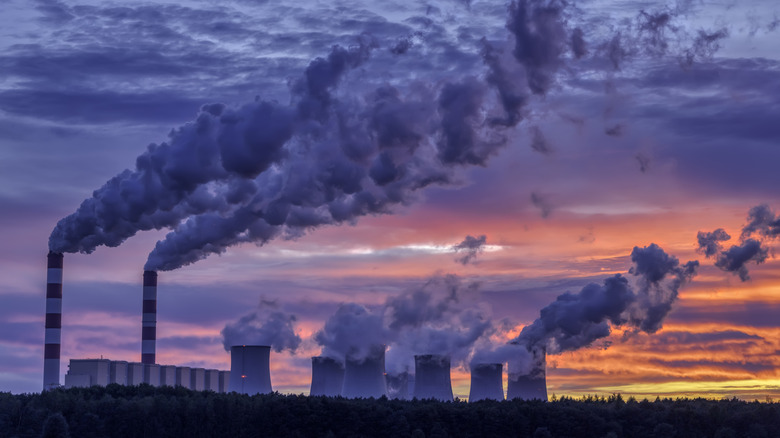
Before understanding how the ZC-DCFC works, we need to understand how a traditional coal-powered thermal power plant generates power. In simple words, these power plants burn massive amounts of coal inside a furnace. The heat generated by the furnace boils water, which turns into steam. This steam then spins a turbine connected to a generator which ultimately generates electricity.
This method has been so effective, it continues to be used to this day. One major issue with this process, however, is its sheer inefficiency because it involves multiple energy conversion steps. Chemical energy becomes heat, heat becomes steam pressure, steam pressure becomes mechanical energy, and mechanical energy finally becomes electricity. If you have learned the basics of energy conversion in school, you’d realize that each of these steps results in energy loss, thereby making the entire process very inefficient.
One of the objectives of this ZC-DCFC system is to eliminate most of these stages, and in the process make electricity generation from coal more efficient. It partly archives this objective by feeding the fuel (coal) directly into a fuel cell. Inside the cell, electrochemical reactions separate electrons from the carbon contained in the coal. Those electrons then flow through an external circuit, creating an electric current that can be used to power homes, factories, or data centers. Basically, the fuel cell extracts electricity directly from the coal’s chemical energy rather than generating heat first.
Why is the ZC-DCFC process gaining global attention?

One of the main reasons for the ZC-DCFC tech gaining global attention is because of its potential for meeting the ever-increasing demand for electricity that doesn’t produce harmful emissions. The biggest beneficiaries of this tech could be countries like China and India that possess enormous domestic coal reserves. Both these nations — despite making impressive gains in the expansion of solar and wind power — continue to burn massive amounts of locally sourced coal to produce electricity, and remain the biggest contributors to global carbon emissions.
ZC-DCFC could eventually let these countries use their coal reserves in a much cleaner manner. This tech also has the potential to improve the energy security of these nations by accelerating the transition to pure electric vehicles. An increase in the number of EVs and hydrogen powered vehicles will eventually reduce the number of ICE vehicles on the roads. This would mean both India and China could, in turn, reduce their crude oil import bills, and protect their respective economies which are currently highly reactive to volatile oil prices. This was observed during the recent fuel crisis caused by the blockade of the Strait of Hormuz.
In simpler words, if the current research around ZC-DCFC succeeds, and countries could eventually use ZC-DCFC technology to its potential, one of the dirtiest sources of energy could become much cleaner than it is today. This could lead to a future where instead of abandoning coal altogether, countries could continue using one of the world’s most abundant and affordable energy sources without putting emissions into the air. That being said, this technology is still nascent and years away from mass adoption.

Stephan is the sports journalist for the Maple Grove Report.