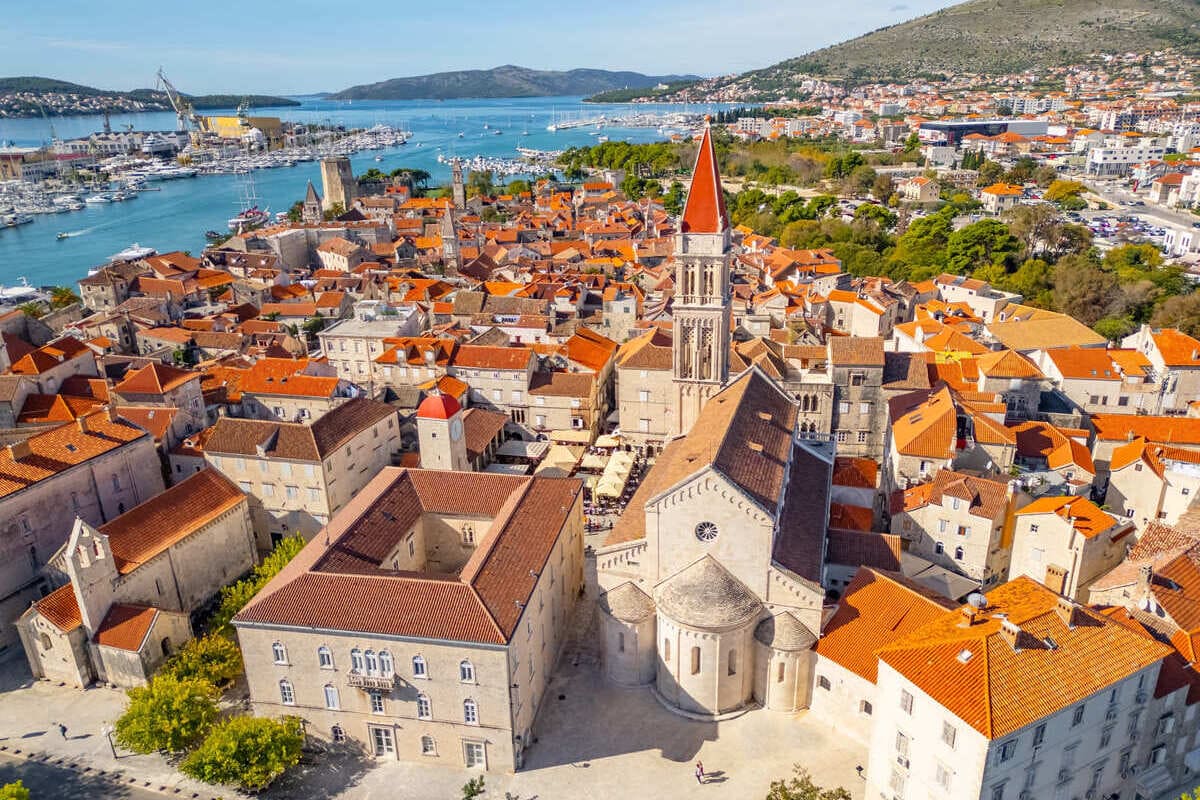
Americans Can Fly Nonstop To This Underrated Coastal Town In Croatia


Share The Article

Has everyone been blissfully sleeping on Croatia’s top hidden gem all along?

The travel blogosphere went into a frenzy earlier this year when United confirmed they’d be finally launching nonstop Transatlantic flights from their Newark hub to Split, the top coastal destination in the Adriatic nation right now.
Americans Can Fly Nonstop To This Underrated Coastal Town In Croatia

Split is home to the UNESCO-protected Diocletian’s Palace, a Roman-era set of fortifications that effectively doubles as a Historic Center, beautiful palm tree and bar-backed Riva promenade, and plethora of postcard beaches within easy reach of town.

What everyone, including us here at Travel Off Path to a certain degree, has overlooked all along is that Split Airport serves not only the namesake holiday hub, but one of the most historically-significant, and beautiful towns in all of Croatia…

In fact, it’s an easier drive from the airport than the city of Split itself.

Is This Croatia’s Best Kept Secret?
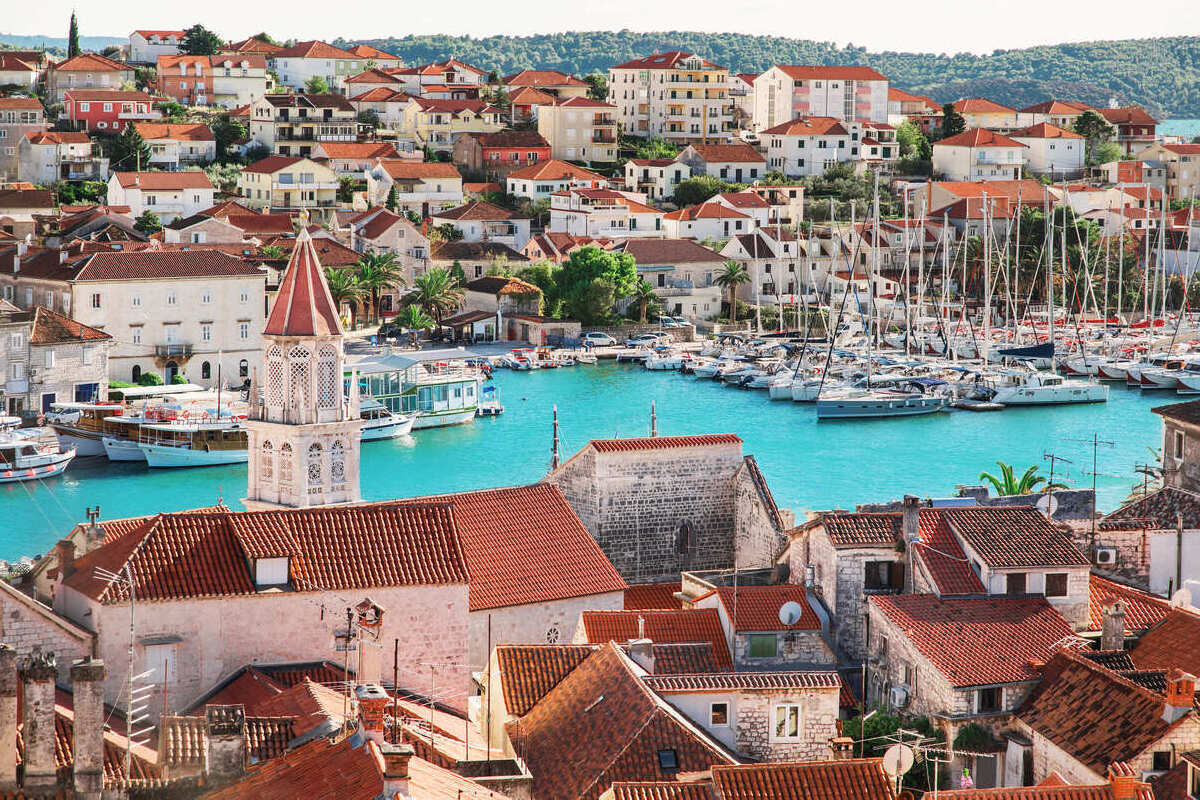
Trogir Old Town And The Island Of Ciovo Seen From The Belfry Of The Cathedral Of St Lawrence, Trogir, Croatia

Trogir is an island-city a mere 3 miles from Split Airport. The city of Split itself is a whole 18 miles away. We’re not sure about you, but after a dreadful long 9 hour flight, we’re picking the town right next door instead of getting stuck in that Dalmatian Coast traffic.

Trogir sits on a tiny island connected by bridges to the mainland and nearby islands, and in a way, it feels like its Split’s less-flashy, more offbeat, arguably-prettier cousin.

It’s much smaller in scale, with roughly 14,000 residents, while Split is home to over 160,000, and it looks like a miniature version without the chaos of Brit stag do parties and hammered Germans. Plus, it’s just a lot quieter in comparison.

It’s perfectly-maintained ancient core packs layers of Greek, Roman, and Venetian history in a maze of stone-paved alleys and ocher-colored townhouses, and though Diocletian’s Palace over in Split gets all the buzz, Trogir’s town center is also a UNESCO World Heritage Site.

A UNESCO-Protected Center
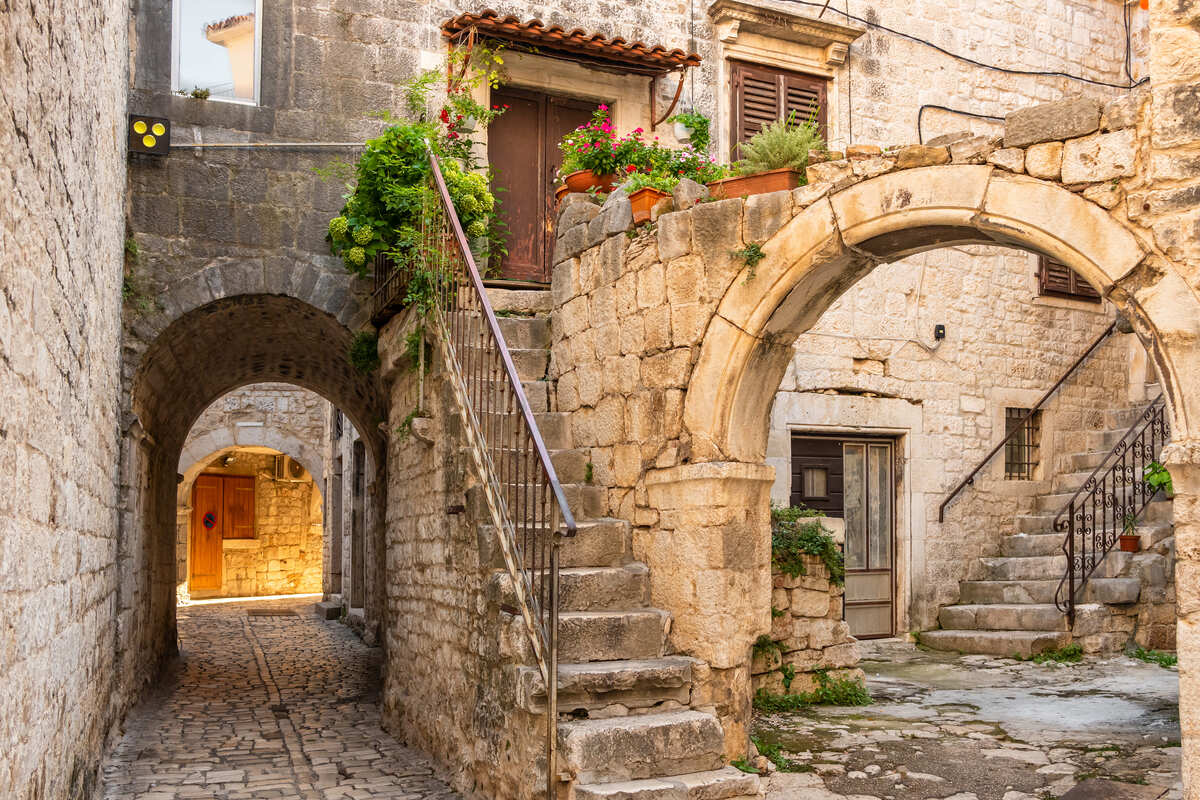
Medieval Center Of Trogir, Croatia

The one landmark you probably don’t want to miss is the Cathedral of St. Lawrence. The Romanesque ensemble is among Croatia’s most beautiful, and the best views in town are from up the belfry, which offers 360° views of the red roofs and the Adriatic surrounding the island.

The Old Town’s narrow alleys snake out of the cathedral square into secretive courtyards, tiny piazzette ringed by family-owned restaurants, and passages so narrow you wonder whether you’ll even fit, and quite honestly, the best way to explore it is simply getting lost in its labyrinth.

Speaking of eateries, make sure you stop by Konoba Trs for a taste of traditional Dalmatian cuisine, which feels like the perfect blend of Italian and Slavic. They’re particularly known for their seafood and locally-sourced wine, though, so don’t hesitate on getting the grilled fish.

If you’re flying to Europe this summer, make sure you check the travel rules that apply at your destination on the Entry Requirement Checker page.

A Paradisiacal Island Right On Trogir’s Doorstop
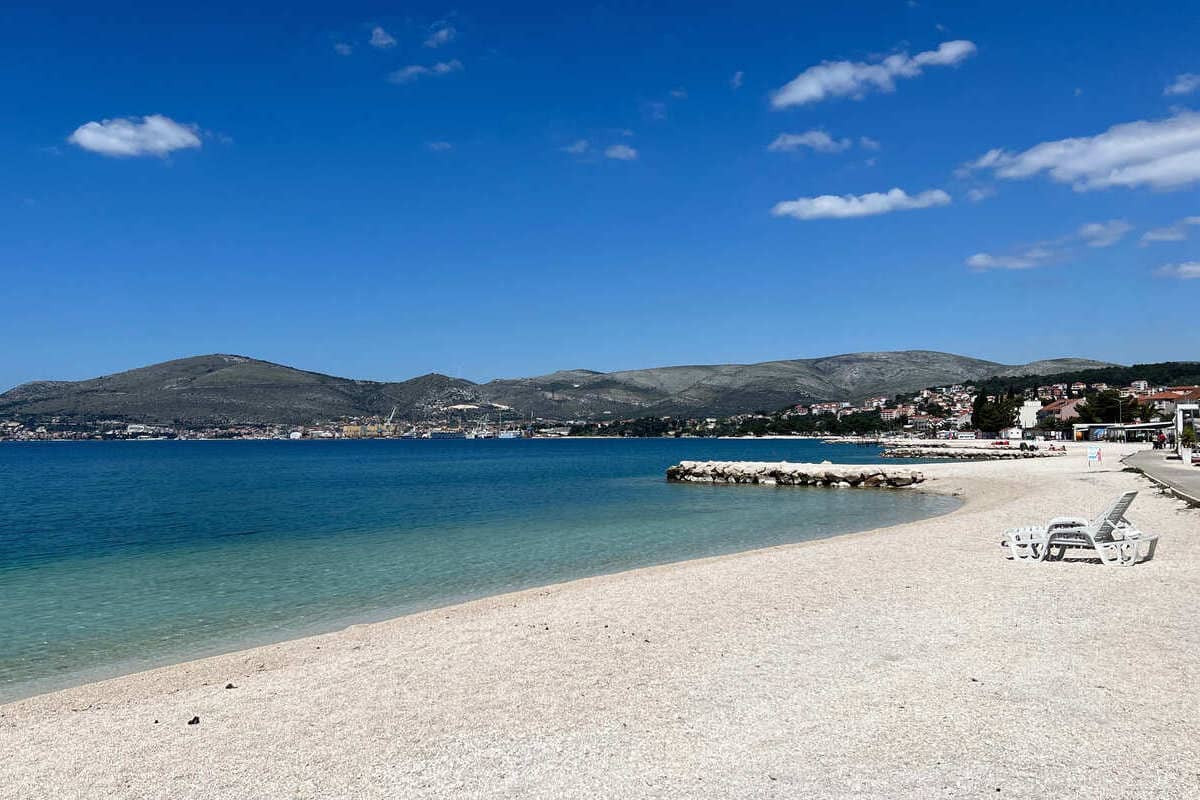
Beautiful Beach In Ciovo Island, Croatia

On the Trogir Riva, the local response to Split’s own bustling promenade, you’ll find bobbing yachts, aesthetic cafés dishing out refreshers and Croatian pastries, and the town’s pride and joy, Kamerlengo Fortress:

This Venetian-era fortress right on the waterfront offers excellent sunset views, and it looks like it’s been lifted straight out of Westeros territory for our Game of Thrones aficionados.

Most visitors treat Trogir as a half-day trip from Split, while entirely missing the point of Trogir altogether: yes, it’s compact, and you could probably see the main landmarks in the Old Town in a few hours.

However, the town is actually a great base for island-hopping and boat trips. Perhaps more so than Split, as it is literally wedged between the Croatian mainland and the beautiful island of Čiovo, with a continuous bridge connecting all three.

You can walk from Trogir to Čiovo in minutes, and visit the charming harbor town opposite.

One Of The Safest Beach Zones In Europe

Slatine Beach In Ciovo Island, Croatia

The beautiful Okrug Gornji Beach, with clear waters and plenty of beach bars, is a 40-minute leisurely stroll along Čiovo’s Trogir-facing coastline, or a short 7-minute taxi ride away.

Dramatically built into seaside cliffs, the 16th-century Church of Our Lady of Prizidnica is one of the most dramatic sights on the island, and a 21-minute drive from Trogir.

Over on the southern side of the island, farther from the city, you get quieter coves and panoramic sea views. It’s all about coastal walks and viewpoints, and if you wouldn’t mind a little beach stop, Labadusa has white pebbles, lagoon-like turquoise seas, and none of the usual Dalmatian crowds.

The best part about beach-hopping in the Split province?

It ranks as one of the safest summer getaways across the pond, scoring a near-perfect 90/10 on the Traveler Safety Index, a score based off of reports from travelers on the ground, and their impressions of Split and its satellite towns as a destination:

How To Get To Trogir This Summer
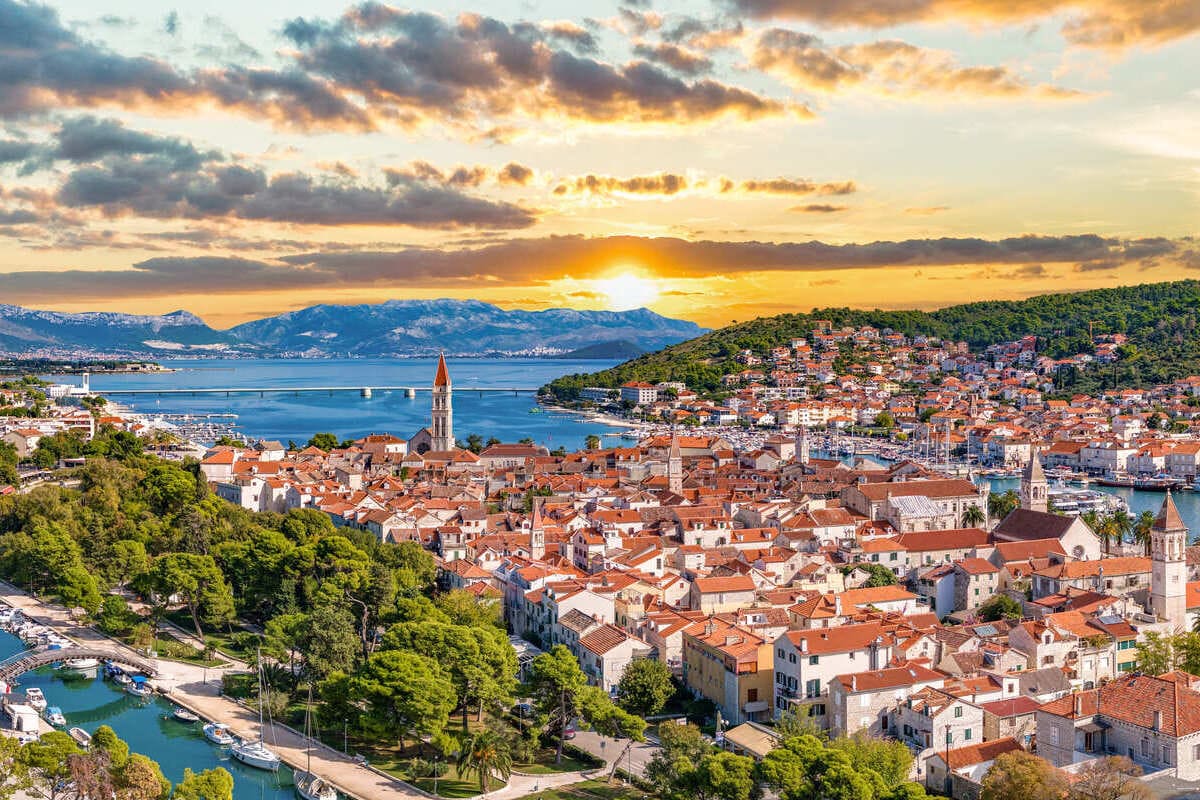
The Trogir Skyline, Croatia

If you’re arriving at Split Airport (SPU) from Newark (EWR), it’s generally easier and quicker to get to Trogir than it is to reach central Split:

  • Airport → Trogir: about 1015 minutes by taxi/Uber or local bus
  • Airport → Split city center: about 3545 minutes by taxi/Uber, sometimes longer with the summer traffic

The airport is actually located between Split and Trogir, but much closer to Trogir than the city it is named after.

If your accommodation is in Trogir Old Town, it’s probably the most convenient airport transfer on this stretch of the Croatian coast.

A lot of visitors choose to stay in Trogir for their first or last night specifically because of the easier airport commute, while saving the bulk of the sightseeing and nightlife action for Split.


Source link

Leave a Reply

Subscribe to Our Newsletter

Get our latest articles delivered straight to your inbox. No spam, we promise.

Recent Reviews


You’ve built your small business from the ground up. It’s your pride and joy, your financial security, and a potential legacy for your family. But what happens to your business interests after you’re gone? Without proper estate planning, your small business could face a chaotic future, disrupting operations, hurting employees, and jeopardizing your loved ones’ inheritance.

Business estate planning is your secret weapon. It’s not just for the ultra-wealthy with complex trusts and wills. For small business owners, it’s a crucial tool to ensure business continuity and protect your business value. Here’s how you can craft a comprehensive estate plan:

Know Your Business Inside and Out

The first step in your estate planning process is taking a deep dive into your business affairs. Make a list of all your business assets: equipment, inventory, intellectual property, and real estate.

Furthermore, don’t forget your business debts like loans and outstanding payments. This comprehensive list helps you understand what needs protecting and planning for in your estate planning documents.

Chart Your Business’s Future Course

What do you envision for your business after you’re gone? Should it stay in the family? Be sold to a trusted partner? Wind down entirely? This is where business succession planning comes in. It’s about deciding the future of your business in a way that honors your legacy and sets your team up for success.

Here are some questions to consider:

  • Family Business? Do you have a family member who shares your passion and has the skills to lead?
  • Trusted Partner? Is there a key employee you see as the ideal successor?
  • Time for a Change? Are you open to selling the business to ensure a smooth transition?

There’s no right or wrong answer. The key is to have open conversations with your loved ones and key employees to understand their goals and aspirations. This will guide you in crafting a business succession plan that feels right for everyone involved.

Develop a Rock-Solid Business Succession Plan

This plan outlines who will take over your business and how. You might identify a family member, a key employee, or even an outside buyer. The business succession plan should detail the transfer process, including training and timeline.

Here’s how to craft a plan as strong as your business itself:

  • Identify Your Successor: It could be a family member you’ve been mentoring, a trusted key employee, or even an outside buyer.
  • Groom Your Successor: Start by involving them in key decisions to give them opportunities to learn the ropes.
  • Plan for the Unexpected: Have a backup plan in place. Identifying another potential leader or outline a buy-out option for remaining partners.

An experienced estate planning attorney like Keele & Parke can help you draft a legally sound plan that considers state law and tax implications.

Avoid Conflict with Ironclad Sell Agreements

If you have co-owners, a sell agreement is vital. This agreement dictates what happens to a deceased or incapacitated owner’s share of the business. It prevents conflict among remaining partners and ensures a smooth ownership transition in your overall estate plan.

Wills vs. Trusts: Choosing the Right Tool

A will can designate who inherits your business assets. But the problem is it can be a slow and public process through probate court.

Here’s where a revocable living trust comes in. Think of it as a private vault that holds your business assets during your lifetime. You can name yourself as trustee, so you’re still in control.

Another thing, you can designate a successor trustee to seamlessly take over managing the business if you become disabled or pass away. This avoids probate and keeps things running smoothly for your loved ones and your employees.

Wills are still important for your overall estate plan, especially for personal assets outside the trust. But for your business, a revocable living trust offers flexibility, privacy, and peace of mind.

Minimize Estate Taxes Through Strategic Planning

Nobody wants a big chunk of their hard-earned business value going to the government after they’re gone. That’s where estate taxes come in, and they can be a real burden for your family. But don’t worry, there are smart estate planning strategies you can use to minimize the impact of these taxes.

  • Smart Business Structure: The legal entity you choose for your business can impact your estate taxes. Talk to your estate planning attorney about structuring your business as a limited liability company (LLC) or another entity that might offer tax advantages.
  • Explore Powerful Trusts: There are special types of trusts, like grantor retained annuity trusts (GRATs), that can be used to transfer ownership of your business interests to your heirs while minimizing the taxable value of those assets.

The right strategy for you will depend on your specific situation and goals. That’s why it’s crucial to work with an experienced estate planning attorney and financial advisor. They can help you create a personalized plan that minimizes your estate taxes and protects your legacy.

Don’t Neglect Your Personal Estate Plan

Your business is just one piece of the puzzle. You also need a personal estate plan that includes a will, power of attorney, and healthcare directives. Without it, your loved ones could face a legal mess during tough times. Bills might go unpaid, important decisions could be delayed, and family heirlooms could end up in the wrong hands.

An estate plan ensures your wishes are followed. It names guardians for your minor children, designates beneficiaries for your personal assets (like your home and savings), and appoints someone you trust to make healthcare decisions if you’re unable to. This gives your family peace of mind knowing they’re taken care of, even in your absence.

Life Insurance: A Lifeline for Your Loved Ones

A life insurance policy provides your beneficiaries with a lump sum of cash upon your death. This can be crucial for surviving family members or business partners, especially if they need to buy out another owner’s share through a sell agreement or pay estate taxes.

Regularly Review and Update Your Plan

Life circumstances change, and so should your estate plan. Regularly review your plan, especially after major life events like marriage, children, or changes in your business structure.

Seek Professional Guidance for a Comprehensive Plan

Business estate planning involves complex legal and financial considerations. Don’t try to go it alone. Consult with an experienced estate planning attorney specializing in business succession planning and a financial advisor with experience in small business matters. Their expertise can ensure your estate plan is comprehensive, legally sound, and achieves your goals for business continuity and protecting your loved ones.

Final Thoughts

Safeguarding your business is like protecting your family’s future. Take control. Schedule a consultation with an experienced estate planning attorney today. They’ll guide you through the process and ensure your legacy lives on.


Source link