Canada’s Next-Gen Spy Planes Won’t Be Coming From The USA


Canada’s Prime Minister, Mark Carney, announced in May 2026 that the nation’s next-gen spy planes will no longer come from the United States. Instead of purchasing aircraft from Boeing, the nation has decided to buy radar planes from Swedish company Saab (yes, the Saab that used to make cars).

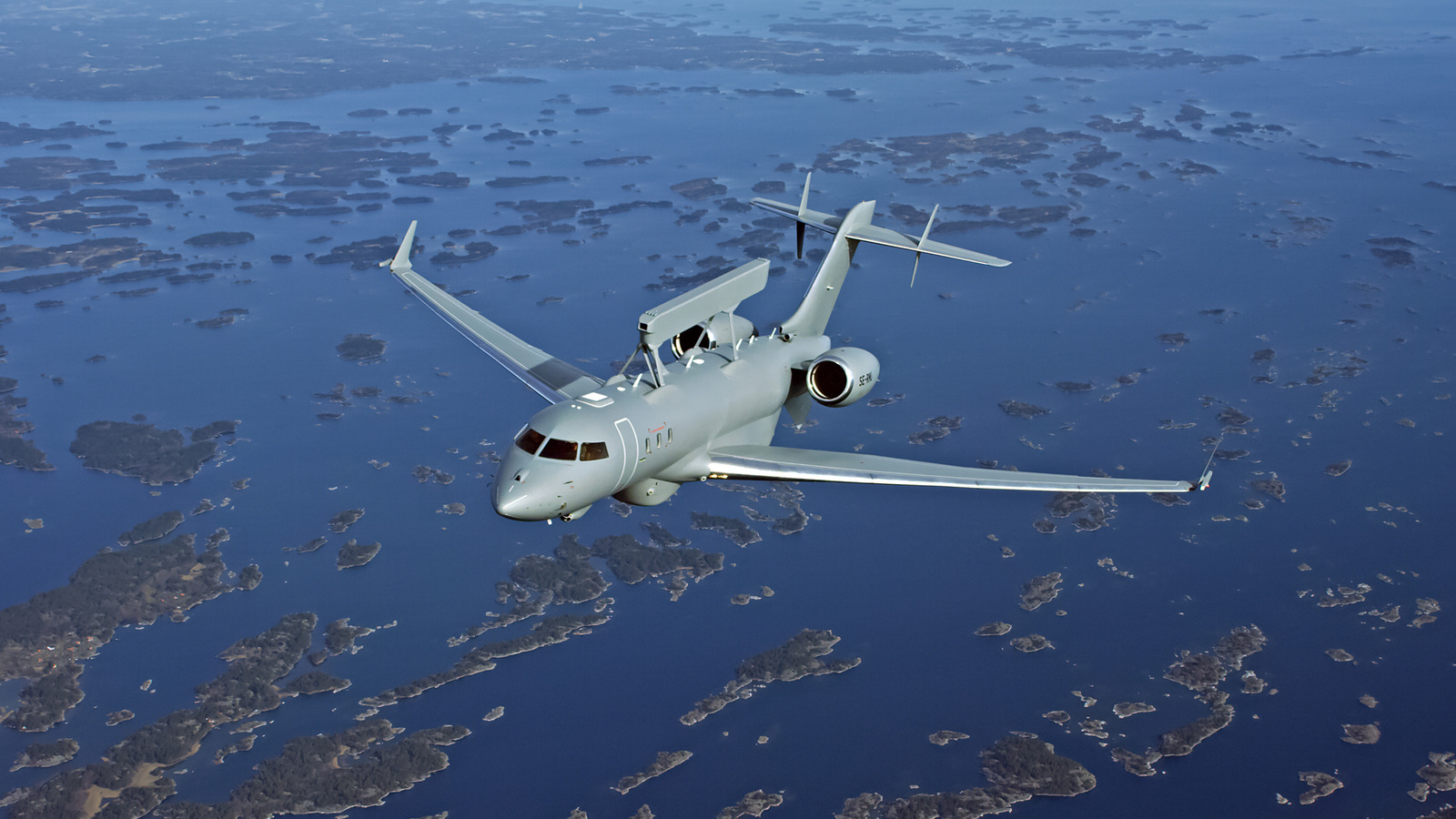
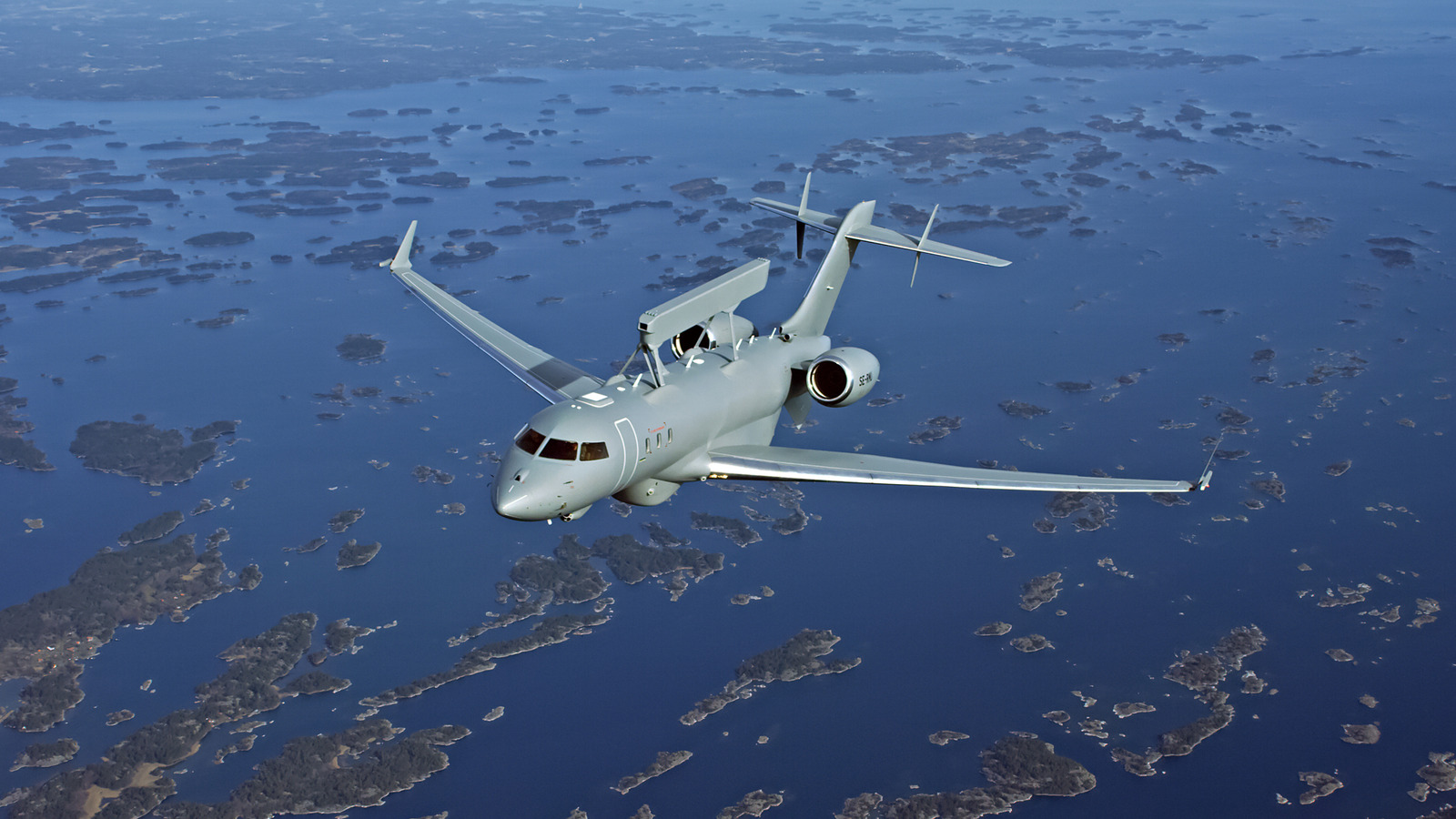
As reported by outlets such as WRAL News, Carney stated that the nation had entered negotiations with Saab to purchase its Airborne Early Warning & Control Aircraft, the GlobalEye, which is based on the Canadian-made Bombardier Global 6500. In the May 24 announcement, Carney said that “Saab’s GlobalEye will be a key resource for the Canadian Armed Forces to detect and deter threats across the Arctic.”

GlobalEye is essentially a flying radar system, capable of detecting threats in the air, on land, and at sea. It can fly for more than 12 hours and has a radar range of over 400 miles. Its Erieye ER radar can detect small targets, even in very cluttered conditions, while its Ground Moving Target Indication can identify moving objects over large distances. Programs like the Automatic Identification System can then, in turn, identify those spotted objects. 

Why is Canada not buying U.S.-made spy planes?

Canada has purchased spy planes from the U.S. before, acquiring a fleet of Boeing aircraft in 2023 to replace its then-aging fleet. It even considered Boeing’s E-7 Wedgetail this time around. The nation’s decision to go with Saab and Bombardier is part of an attempt to reduce dependence on the United States. In March 2026, Prime Minister Mark Carney stated that Canada intended to take on the responsibility of protecting its Arctic territory on its own, moving away from the decades-long partnership with the U.S. it had previously relied on.

This move comes amid the backdrop of increased tensions between the United States and Canada, not least due to President Donald Trump’s threat to impose 100% tariffs on Canadian imports and his decision to revoke Carney’s invitation to join the Peace Council. Canada’s decision to purchase the GlobalEye is expected to help create jobs in Canada, as the aircraft is based on a Canadian Bombardier plane and uses the same supply chain. Saab’s reconnaissance aircraft have been used by other nations, too, with Sweden having sent Saab ASC 890 planes to Ukraine in 2024.


Source link

Leave a Reply

Subscribe to Our Newsletter

Get our latest articles delivered straight to your inbox. No spam, we promise.

Recent Reviews


Soundcore, which you may have heard does both audio and video now, has launched another pair of headphones in the Liberty 5 Pro and Liberty 5 Pro Max.

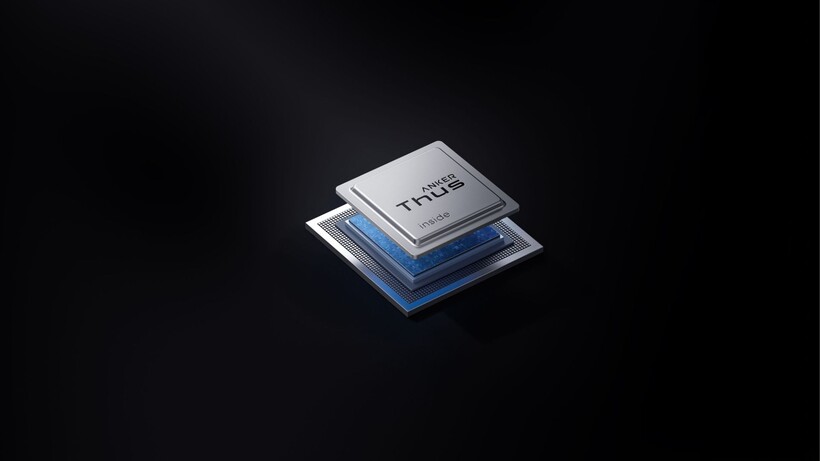
Another pair of true wireless earbuds, you might think what’s interesting about that? Well, in a first for Soundcore, this true wireless pair are the first two products to features Anker’s co-developed Thus AI chip, which it claims can offer “Whisper Clear” calls.

How so? By utilising a 10-sensor matrix that can separated the speaker’s voice from background noise, combined with eight microphones to capture ambient noise and two bone conduction sensors that can detect skull vibrations, the Thus AI chip is said to ensure “clear voice pickup even in noisy environments.” Interesting.


Of course there have been improvements in other areas for both the Liberty 5 Pro and Max efforts, with ANC improved up to two times over previous generations, while the Liberty 5 Pro Max also features AI Note-Taker for recording meetings without having to reach for your phone.

Anker Thus AI chip
Image Credit (Anker)

Advertisement

As you can see, Anker/Soundcore is delving deeply into AI for its latest products, with it involved in seemingly every aspect of the two earbuds that have just been announced.

Another area where AI is used is with voice interaction, with 20 built-in commands that allow users to adjust volume, answer or hang up phone calls, skip tracks and change ANC modes.

Soundcore Liberty 5 Pro Max product
Image Credit (Anker Soundcore)

Speaking of ANC, there’s a transparency mode for paying attention to your surroundings, and what Soundcore is dubbing its Easy Chat feature, where audio is paused when the headphones sense you’re speaking.

Both earbuds offer up to 6.5 hours of playback with noise cancelling on, and 28 hours in total with the charging case. Bluetooth 6.1 is supported, as is Google Fast Pair, Apple’s Find My (in case you lose the earbuds somewhere), and Bluetooth multipoint for connecting to not just two devices but three. What’s the main difference between the two? The Liberty 5 Pro Max’s charging case has a touch screen.

Advertisement

The Liberty 5 Pro is available now, priced at $169.99 / £149.99 / €179.99, putting within the midrange area of the market. Colours include blue, white, black and pink.

The flagship Liberty 5 Pro Max is the more expensive at $229.99 / £199.99 / €249.99. Colours are a choice of Titanium-Gold and black.

Look out for our review of both headphones in the coming weeks.


Source link