Car Prices Are High, But Automakers Have A Plan That Might Help


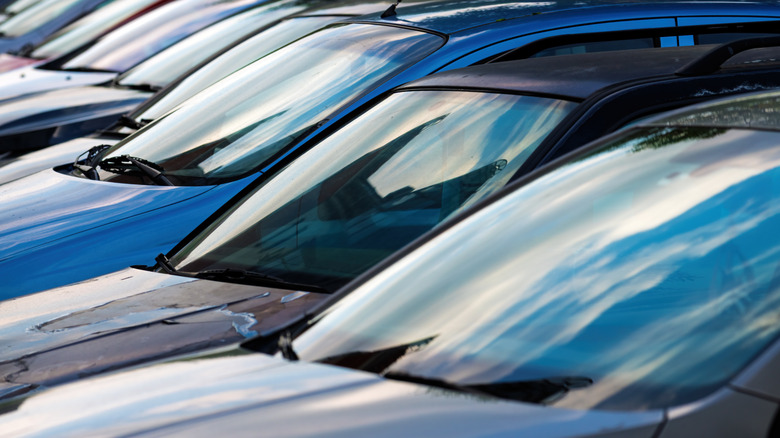
As American cars continue to get bigger, wider, heavier, and more expensive, it’s no wonder why drivers are wishing for a way to buy less car. With the average new vehicle going for around $50,000 in 2026, people don’t want all the premium trims. They want entry-level models. (You can get a nice one for under $30,000.) And it’s forcing automakers to rethink what they’re building going forward.

Recent industry data shows base-model vehicles are selling faster than their more expensive counterparts, which is a reversal from years of sales that favored more expensive, feature-loaded trims. But that’s becoming a thing of the past. As buyers face more expensive housing, insurance, healthcare, groceries, and now gas prices soaring, the more affordable option is looking a lot better than the luxury alternative. Now, entry-level versions of popular models are gaining traction across the board.

From compact sedans to pickup trucks, the shift is already showing up in the sales figures. Looking at the data, lower trims are posting double-digit gains, while pricier versions are falling behind. With price gaps between base and premium trims averaging about $5,000, who wouldn’t skip the upgrades to shave a little off the bottom line? Rest assured, automakers have a plan: refocus on base models.

How automakers are responding to the rising popularity of base models
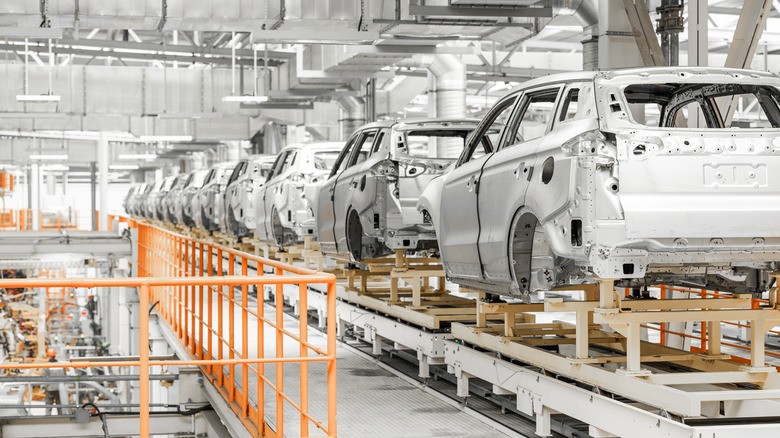
Automakers aren’t going to accept defeat on this one. According to recent trends, it looks like they’re just changing the definition of “base model” instead. That could mean sticking entry-level vehicles with technology and safety features that once would’ve been reserved for higher trims. Beyond that, automakers are also going to need to adjust production and inventory strategies. In other words, more lower-cost trims and smaller profit margins per vehicle.

Luckily for them, manufacturing base models is typically less complex and less expensive. That translates to faster production timelines overall. And while premium trims do come with higher profits per unit, more sales of base models could offset that difference in margin. Several major manufacturers such as Honda and General Motors have already been told by analysts to focus more on affordability. Ford, too: January sales were down overall, but sales of base model Mavericks were actually up over 33%. Even Subaru has an SUV for less than $30,000. With that, it should be obvious it’s time for the rest of the industry to get with the program.


Source link

Leave a Reply

Subscribe to Our Newsletter

Get our latest articles delivered straight to your inbox. No spam, we promise.

Recent Reviews


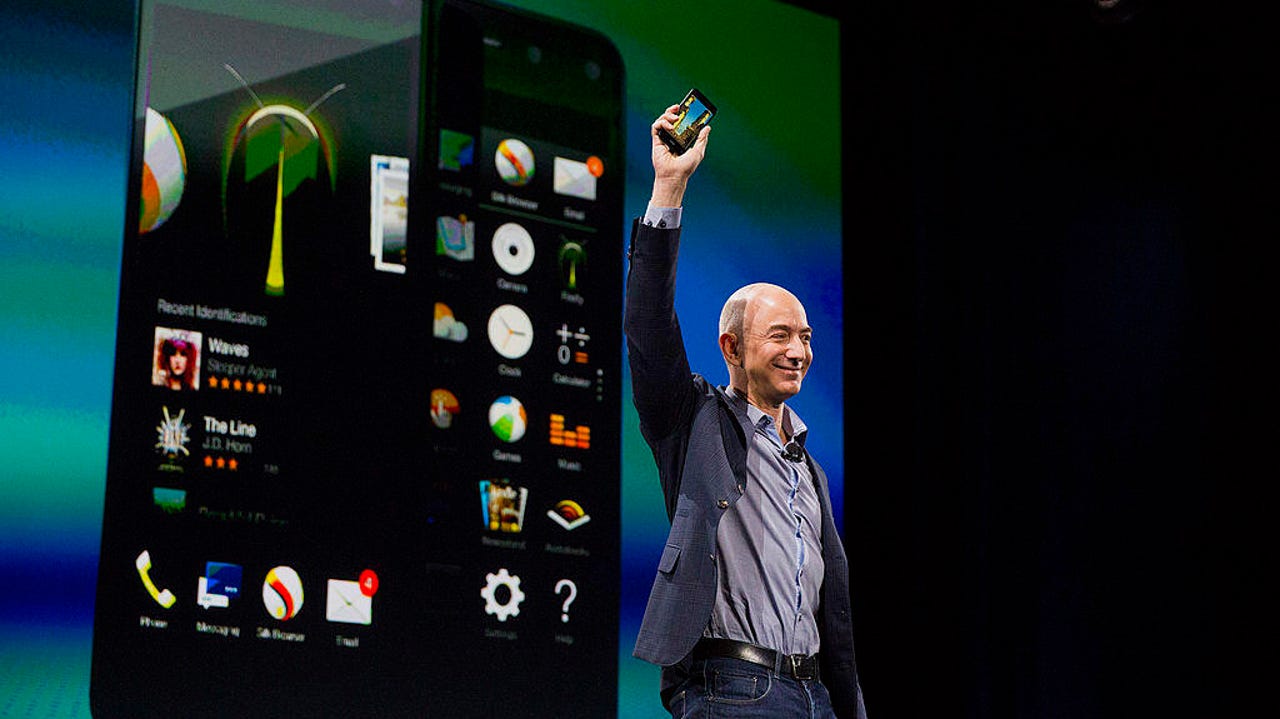
Amazon Fire Phone Jeff Bezos

Bloomberg / Getty Images

Follow ZDNET: Add us as a preferred source on Google.


ZDNET’s key takeaways

  • Amazon is reportedly developing a new Fire Phone.
  • The previous model had several issues, including an inferior app store experience.
  • Under new supervision (and with more experience), Amazon can do better this time.

Well, I don’t know about you, but I certainly didn’t have “new Amazon smartphone” on my 2026 bingo card. As it turns out, according to Reuters, the retailer may be developing a new smartphone, internally known as “Transformer.” 

Those familiar with the industry will instantly draw parallels to Amazon’s previous smartphone effort, the Fire Phone from 2014. Appropriately, that phone ended up as part of a fire sale about a year later.

Now, in 2026, with no fewer than five phone brands in the US — Apple, Samsung, Google, Motorola, and OnePlus — Amazon faces a lot of competition. In fairness, it also has two fewer platforms to compete against. In 2014, Windows Phone and BlackBerry were still very much part of the smartphone conversation; these days, not so much.

The AppStore problem

But there’s one mistake Amazon made in its first effort that will absolutely torpedo its chances at succeeding — the Amazon AppStore and specifically the decision to forego Google Play services. Google is simply too valuable in too many lives to not support the platform. Oh, and the Amazon AppStore is terrible.

Also: What’s right (and wrong) with the Amazon Fire Phone

It has admittedly been a few years since I last inventoried the Amazon AppStore, but when I last checked, the Amazon AppStore was a wasteland of half-supported or unsupported apps, with two notable exceptions. Finance, home control, and communication apps were either absent or had not received updates for years prior.

The only apps in the Amazon AppStore that remained up to date were productivity apps (largely powered by Microsoft) and streaming apps. Those two categories work very well on the cheap, underpowered hardware that Amazon usually launches, and that’s fine. A coffee-table tablet is a nice thing to have lying around.

A spark of hope

Amazon Fire Phone

Liam Tung/ZDNET

But a phone is another animal entirely. If a tablet is a device to entertain, a phone is a device for everything else. One of the key reasons Windows Phone failed was its lack of an app ecosystem. The Senior Vice President of Devices and Services,  Panos Panay, is very familiar with that saga, so I’m hopeful that he will make the same arguments to the powers that be at Amazon. 

Honestly, if there is anyone who I think can pull off an Amazon phone revival, it’s probably Panay, who understands design and product development better than most, and to be perfectly honest, he’s my absolute favorite product presenter.

Also: Amazon Fire Phone review: Not a great smartphone

Of course, all of this is early days. This phone is being worked on internally, and even Reuters reports that it could get the axe long before it sees the light of day. Personally, I’m intrigued by the idea, but I sincerely hope that Amazon doesn’t make this the shopping phone it tried to build in 2014. 

If Amazon just wants to make a nice, well-built smartphone, with a skin that pushes Amazon content to the fore, I’m fine with that. But leaving Google behind is a mistake that Amazon cannot afford to make again. Fool me once, and all that.

So, if this phone is to have a chance at success, it needs to embrace Google services so it can be a phone that everyone can use. Amazon has the brand power to make a phone like this work, even up against juggernauts like Apple and Samsung, but it needs to approach this correctly, lest it end up in yet another Fire phone fire sale.


Source link