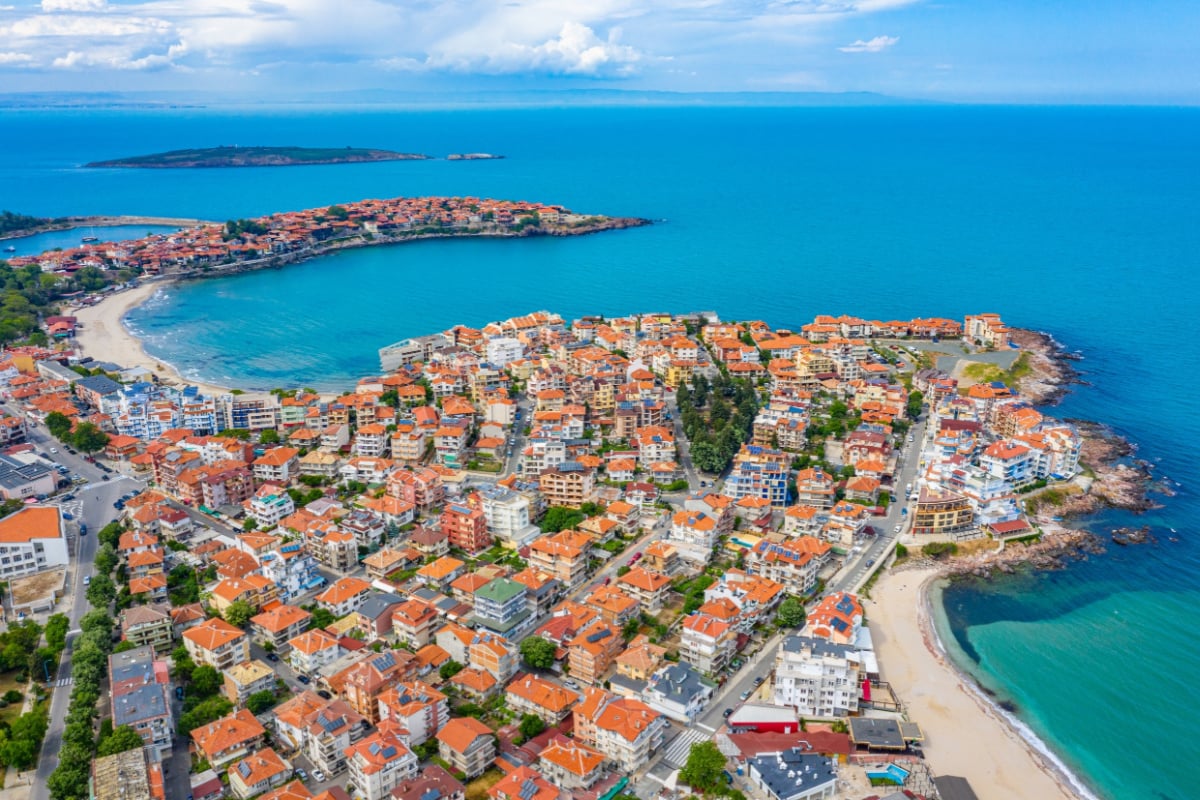

While massive European hotspots like Spain and Italy are dealing with crazy overtourism and practically begging people to stay home, there is an incredibly safe, gorgeous country in Eastern Europe doing the exact opposite.
Bulgaria is still mostly undiscovered by mainstream American travelers, but they view tourism as a good thing. Instead of putting up walls, they are rolling out the red carpet and actively trying to get more international travelers to visit.
If you want an epic European vacation without the suffocating crowds, here is why Bulgaria is ready to welcome you with open arms this summer.
It is Officially Safer Than You Think
Let’s address the biggest question mark right away: safety. You want to focus on exploring ancient ruins and trying new foods, not nervously looking over your shoulder or worrying about your wallet.
The security on the ground here is top-notch. In fact, our traveler-voted Safety Index currently gives Bulgaria a fantastic score of 85 out of 100. That places it high up on the list of the most secure spots in the region.
Don’t just take my word for it, either. The U.S. State Department officially ranks Bulgaria as a Level 1 destination, which is their safest possible category, meaning you only need to “Exercise Normal Precautions”.
A big reason for this peace of mind is that Bulgaria recently entered the Schengen area, which means it runs on strict, highly stable European travel rules.
They have remarkably low crime rates and high security everywhere you go.
You get all the ease and safety of traveling through Western Europe, but with a fraction of the crowds and a much lower price tag.

They are Fast-Tracking the Travel Process
There is nothing worse than dealing with endless paperwork and slow government bureaus when you just want to go on vacation.
Bulgaria gets that, and they are making it easier than ever to get there. They want you to visit.
- Speedy Visas: Just ahead of the summer travel season, the Bulgarian government launched new measures to drastically speed up visa processing for international travelers.
- Boots on the Ground: To make sure things move fast, they have actually deployed dozens of temporary staff to major travel hubs around the world just to handle the demand and clear out the lines.
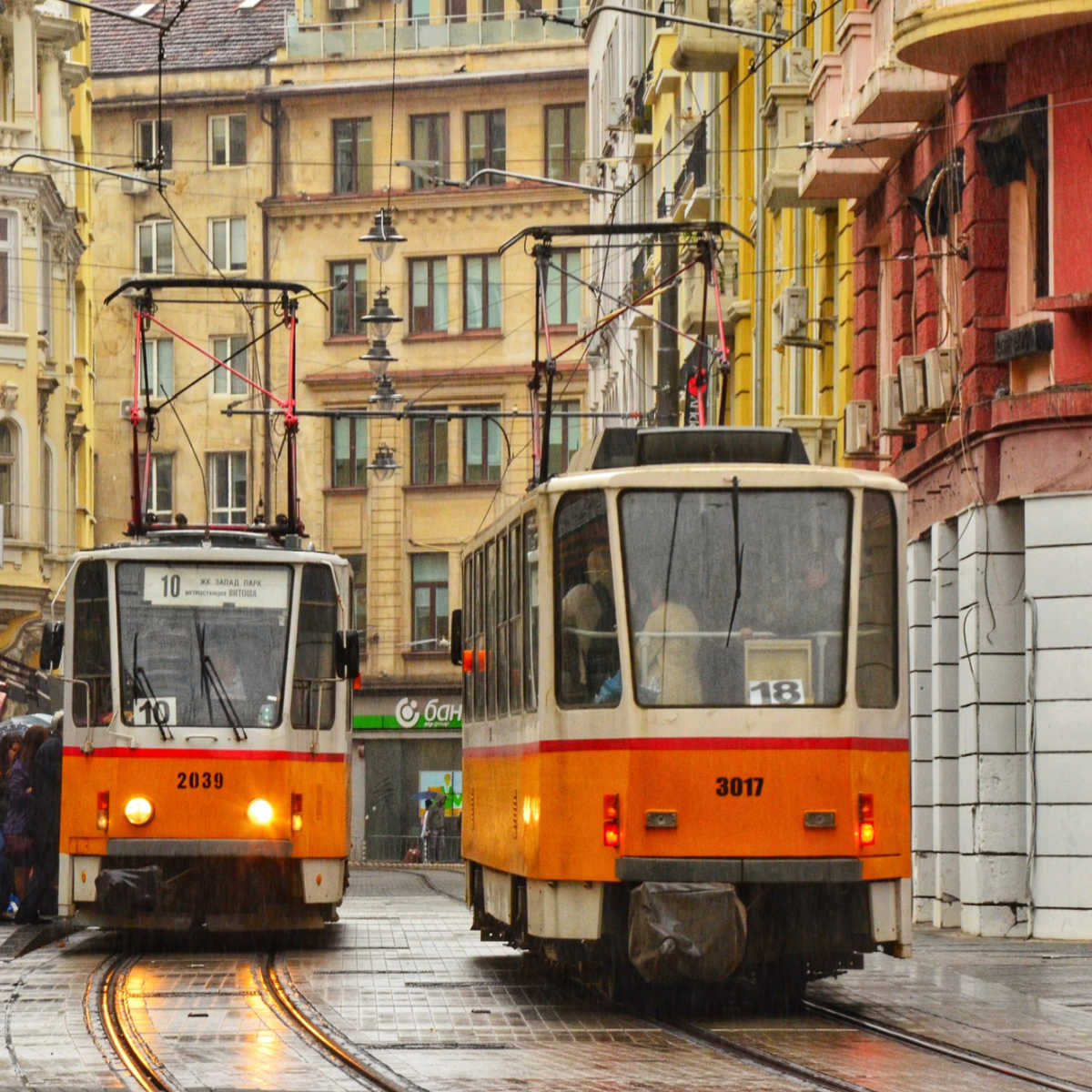
Way More Than Just Cheap Beaches
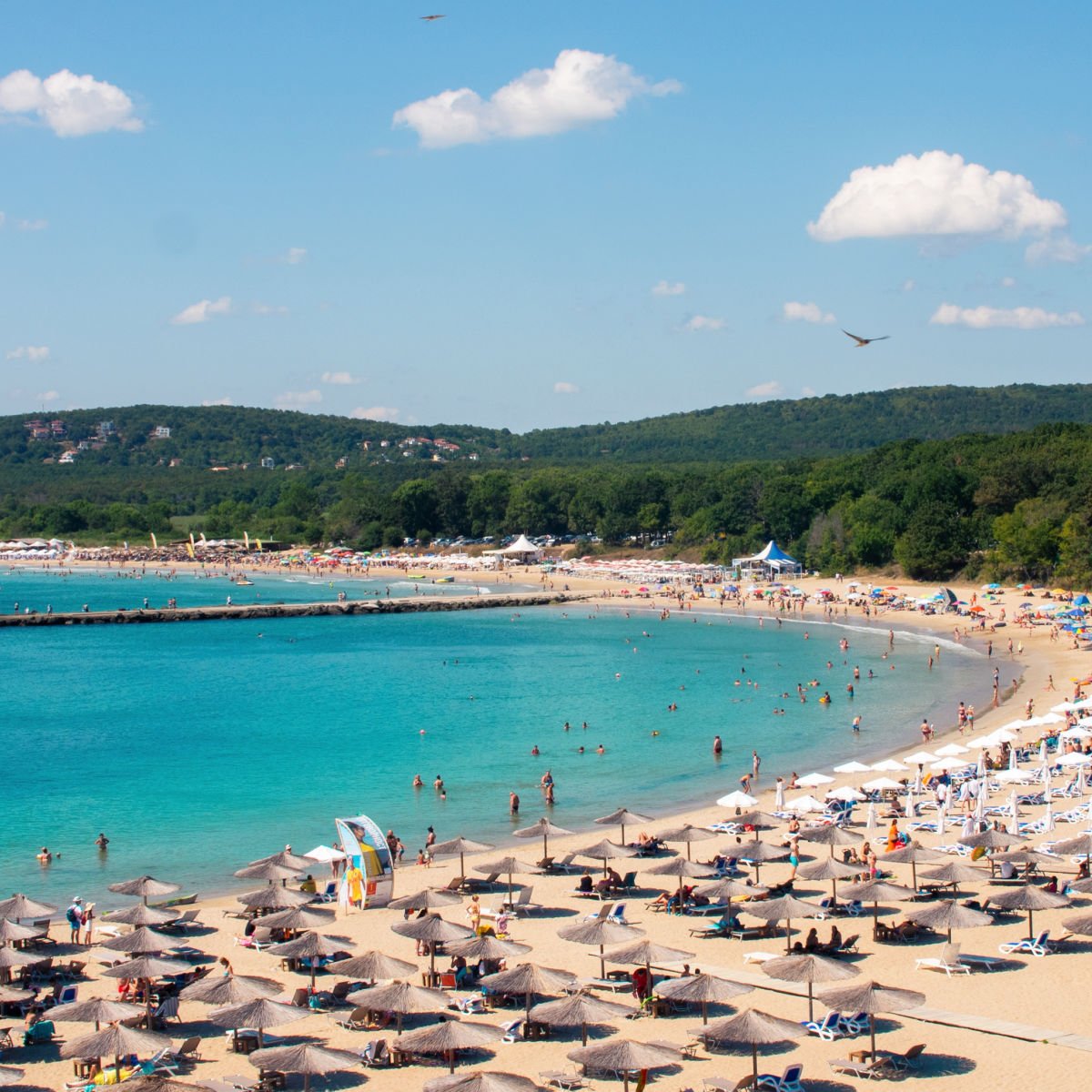
For a long time, the few travelers who did know about Bulgaria only went there for cheap summer beach parties or budget winter ski trips.
But the country is on a mission to show the world that they have so much more to offer.
- The Year of Cultural Tourism: The government officially declared this year as the “Year of Cultural Tourism”. They are heavily pivoting away from the “cheap destination” label and pushing their incredible history instead.
- Ancient Adventures: They are actively opening up jaw-dropping ancient archaeology sites, stunning historic architecture, and massive local festivals to create an amazing travel draw.
- Spreading the Word: They are currently pouring resources into massive digital ad campaigns across Western markets and even hosting international press tours to show off the country’s hidden gems.

Catch It Before It Explodes
Bulgaria is highly motivated to get more people to experience what makes their country so special.
Booking a trip here right now means you get to explore ancient history, vibrant culture, and beautiful landscapes peacefully, all while being backed by awesome safety numbers.
It is the perfect time to visit before the rest of the world catches on.
My Bulgaria Bucket List
I haven’t made it over to Bulgaria just yet, but I have a ton of traveler friends who have gone recently, and they’ve been absolutely blowing up my phone with their recommendations.
Seriously, after looking at their photos, it jumped straight to the top of my personal travel list.
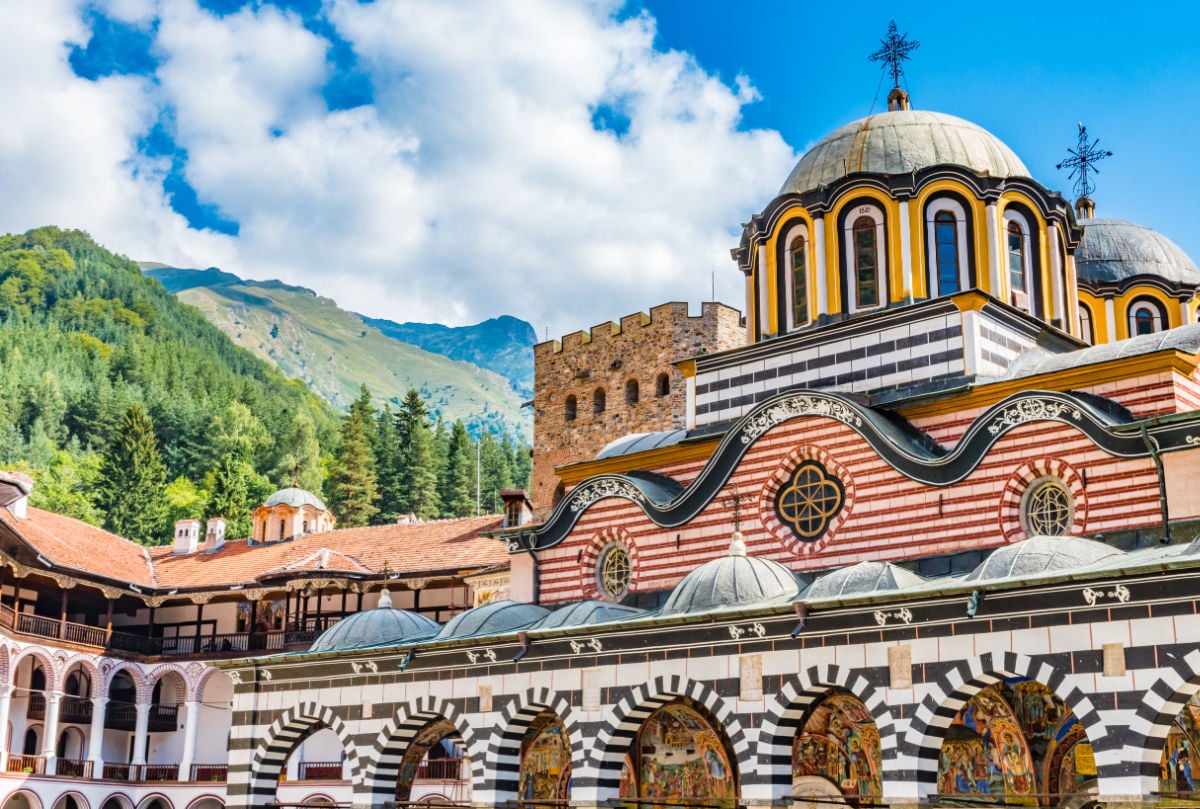
- Sleep inside a monastery and hike the Seven Lakes: Most people just do a quick day trip to the famous Rila Monastery, but the ultimate insider hack is booking a room to sleep overnight inside the monastery itself. When you wake up, you can head straight into the mountains to hike the Seven Rila Lakes—easily one of the most stunning alpine treks in Europe.
- Sip craft beer inside 8,000-year-old ruins: Plovdiv is the oldest continuously inhabited city in Europe. They literally have a 2nd-century Roman amphitheater sitting right in the middle of a modern city street. The move here is exploring the ancient stones in the morning, then heading over to the Kapana District for awesome local wine and craft beer halls.
- Hike the bizarre sand pyramids of Melnik: Melnik is the smallest town in Bulgaria, but the geography is totally wild. The town is surrounded by massive, naturally eroded sand pyramids that look like something out of a movie. You can hike through the trails, then cool off under ancient trees with a glass of their famous local wine.


Stacie Harris is a local resident and reporter of the Maple Grove area. Stacie reports on medicine and science for the Maple Grove Report.