Google rolling out Android Auto fix for Galaxy S26 and Pixel users


Google is rolling out fixes for Android Auto after a recent wave of connection issues affected users on Pixel and Samsung Galaxy devices, disrupting both wired and wireless setups and prompting widespread reports across support forums and online communities.

Over the past few weeks, users have reported problems ranging from failed connections to repeated prompts requiring the phone to be unlocked before Android Auto can properly start, even when devices are already in active use.

The disruption is particularly noticeable for drivers who rely on Android Auto for navigation, calls, and media, as inconsistent connections can interrupt core functions and reduce reliability during everyday use, especially on longer journeys or frequent commutes.

This comes after recent reports highlighted ongoing Android Auto connection issues affecting Galaxy S26 and Pixel devices, with users experiencing unstable connections and failed launches across both wired and wireless setups.

The issue appears to have affected a significant number of Pixel and Galaxy users in particular, suggesting that the problem may be tied to recent software changes rather than isolated hardware faults or individual device configurations.

Advertisement

Google has acknowledged the issue and confirmed that fixes are now beginning to roll out, indicating that affected users should start to see improvements as updates are pushed through the Android Auto app and related system components.

While the company has not provided a detailed timeline or breakdown of what the fix includes, the rollout suggests a gradual update rather than a single patch, meaning some users may receive the solution sooner than others.

In the meantime, users experiencing issues are advised to check for updates via the Google Play Store and ensure their Android Auto app is running the latest available version, which may include the necessary fixes.

The situation highlights how even small software changes can impact core features like in-car connectivity, particularly as Android Auto continues to evolve across a wide range of devices and vehicle systems.


Source link

Leave a Reply

Subscribe to Our Newsletter

Get our latest articles delivered straight to your inbox. No spam, we promise.

Recent Reviews


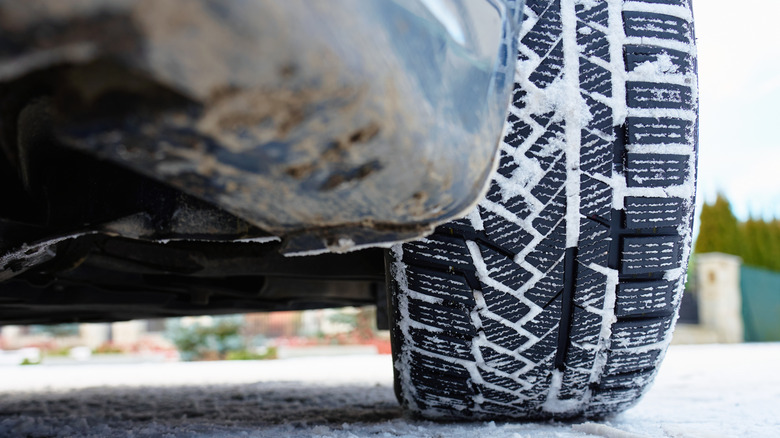
Staying safe in the winter months means being prepared for icy conditions, as winter weather sees a spike in vehicle pileups. It’s also about using the right kind of tires, which is where the 7-7 rule comes into play. This rule says that when the outside temperature drops below 7 degrees Celsius, or 45 degrees Fahrenheit, for 7 consecutive days, you should change your everyday tires to a winter model.

Extended cold snaps are a problem for regular seasonal tires because of how they’re designed. The rubber these tires contain becomes harder and less flexible in colder weather. When this happens, your tires’ ability to actually grip the road is reduced, which can become very dangerous in snow and ice. In contrast, winter tires are built with rubber that stays softer in cold temperatures, as well as deeper tread, which gives you better traction, and improved stopping ability. This means you have more control, which can ultimately keep you safer.

What makes winter tires ideal in cold temperatures can have the opposite effect in non-winter weather. This means that once the cold months have ended, you should switch back. If not, the tread on your winter tires will begin to wear down as the heat impacts the softer rubber. So, even with deep tread, your tires’ ability to properly grip the road can be impacted. If you’d rather not worry about the 7‑7 rule, you could use all-weather or all-terrain tires that work year-round instead.

Winter tire best practices

It’s important to safely store your everyday tires after they’ve been replaced by a winter set. If you’re storing them outside, Goodyear recommends protecting them in waterproof bags аnd kept off the ground. Otherwise, they should be indoors, in a cool and dry place, away from direct sunlight. If the tires are off the rim, they should be kept off the floor and stacked flat on top of each other. If the tires are on the rim, they can be stored the same way, or hung by the wheel on wall hooks.

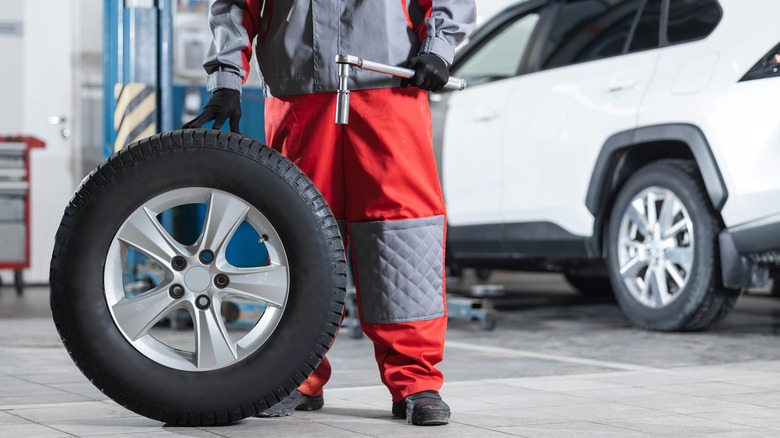
When installing your snow tires, it’s best to use a full set. That’s because having only a pair of winter tires on the drive wheels could reduce your stability on the road. Additionally, if you’re using winter tires that don’t have the special mountain/snowflake symbol on the sidewall, you might want to consider getting new ones. The Three-Peak Mountain Snowflake symbol confirms that your tires meet industry standards for snow traction.

Even then, simply using the right tires isn’t enough, as you’ll need to check your air pressure regularly. Temperature drops can decrease tire pressure, causing you to lose your grip on the road. It can also cause uneven tread wear, which is why you should be monitoring tread depth regularly as well. Be sure to keep your tires properly rotated, and above all, be careful on the road. Winter tires can help keep you safe, but it’s up to you to drive cautiously.


Source link