
Traveling to the United States can be an incredible experience, whether you’re visiting New York for the first time, planning a road trip through national parks, heading to Florida with the family, or exploring the West Coast. But before you go, there’s one practical detail that deserves serious attention: healthcare in the USA for tourists.
The US healthcare system is very different from what many international travelers are used to. Medical care is often high quality, but it can also be expensive, confusing, and difficult to navigate if you’re not prepared. A simple doctor’s visit, an urgent care appointment, or an emergency room visit can cost far more than travelers expect.
The good news is that a little preparation can make a big difference. Here’s what to know before traveling to the USA, and how to prepare for medical needs while you’re abroad.
Finding a Doctor in the USA as a Visitor
If you need medical care and don’t know where to start, Air Doctor takes the guesswork out of finding a trusted local doctor abroad. The platform connects travelers to a vetted network of 20,000 doctors across 78 countries, with the option to book a clinic visit, home visit, or video consultation. Video appointments are available in over 21 languages, with 24/7 multilingual support if you need help navigating your options.
Travel Dudes partners with local operators and services to help you find practical support on the road.
→ Find a doctor with Air Doctor
Understand How Healthcare in the USA For Tourists Works
The United States has a mostly private healthcare system. Unlike many countries with universal healthcare, medical services in the US are usually billed directly to the patient or to their insurance provider.
For travelers, this can come as a surprise. Even minor medical issues can become expensive without insurance. A routine doctor’s appointment can cost hundreds of dollars, while an emergency room visit can quickly reach thousands of dollars. Hospital stays, surgeries, or specialist treatment can be significantly more expensive.
This doesn’t mean you should be anxious about traveling to the USA. It simply means healthcare should be part of your travel planning, just like flights, accommodation, visas, and transport.
Before you leave, make sure you understand:
- Whether your health insurance covers you in the USA
- Where to go for non-emergency medical care
- What to do in a serious emergency
- How to access prescription medication if needed
Related read: Managing Chronic Health Conditions While Traveling: The Complete Guide

Buy Comprehensive Travel Medical Insurance
Travel insurance is one of the most important things to arrange before visiting the USA. In many destinations, travelers may be able to pay out of pocket for a minor medical issue. In the US, that can become expensive very quickly.
Many travelers assume their regular health insurance will cover them overseas, but this is not always true. Some domestic health plans offer limited international coverage, while others may not cover medical treatment abroad at all.
When choosing travel insurance for the USA, look specifically for travel medical coverage. Your policy should ideally include:
- Emergency medical treatment
- Medical evacuation or repatriation
- Coverage for pre-existing conditions, if relevant
- Access to a medical assistance hotline
- Clear instructions for making a claim
Read the policy carefully before you travel. Pay attention to deductibles, exclusions, coverage limits, and whether you need to use specific clinics or provider networks.
It’s also a good idea to save digital and printed copies of your insurance documents. Keep your policy number, emergency contact number, and claim instructions somewhere easy to access.
Know Where to Go If You Get Sick
One of the most confusing things for travelers in the USA is knowing where to go when something goes wrong. Not every medical issue requires a hospital visit, and choosing the right type of care can save time, stress, and money.

For Minor Health Issues
For common problems like headaches, colds, mild allergies, upset stomachs, or minor aches, a pharmacy is often a good first stop.
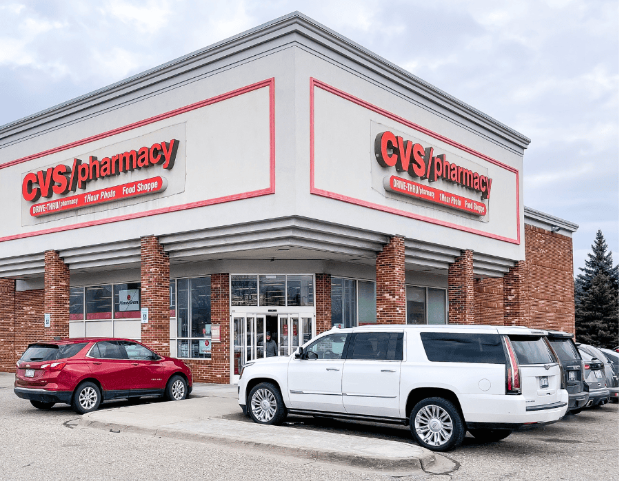
Large pharmacy chains such as CVS, Walgreens, and Rite Aid are widely available across the US. Many sell over-the-counter medications for pain relief, allergies, cold and flu symptoms, digestive issues, and basic first aid.
If you have a health issue that is not life-threatening but still needs medical attention, an urgent care center may be the right option.
Pharmacists can often offer basic guidance, although they cannot diagnose or prescribe medication in the same way a doctor can.
For Non-Emergency Medical Problems
Urgent care clinics are commonly used for:
- Urinary tract infections
- Mild allergic reactions
Urgent care centers are usually faster and less expensive than emergency rooms. Many also offer basic lab tests, X-rays, and prescriptions.
For Serious Emergencies
For a serious or life-threatening situation, go to the emergency room or call 911 immediately.
Emergency symptoms may include:
- Severe allergic reaction
- Sudden weakness or confusion
In the USA, 911 connects you to emergency medical services, police, or fire services. Emergency rooms are open 24/7 and are equipped to handle serious medical situations. However, they are also usually the most expensive option, so they should be used for true emergencies.
Finding a Doctor in the USA as a Visitor
If you need medical care and don’t know where to start, Air Doctor takes the guesswork out of finding a trusted local doctor abroad. The platform connects travelers to a vetted network of 20,000 doctors across 78 countries, with the option to book a clinic visit, home visit, or video consultation. Video appointments are available in over 21 languages, with 24/7 multilingual support if you need help navigating your options.
Travel Dudes partners with local operators and services to help you find practical support on the road.
→ Find a doctor with Air Doctor
Bring Enough Prescription Medication
If you take regular medication, plan ahead carefully before traveling to the USA. Getting a prescription refill as a tourist can be complicated, and medications that are easy to access in your home country may require a prescription in the United States.
Before your trip:
- Bring enough medication for your full stay
- Keep medication in its original packaging
- Carry a copy of your prescription
- Ask your doctor for a letter in English explaining your medication and condition
- Check whether your medication is allowed into the USA
- Keep essential medication in your carry-on bag, not checked luggage
The US has strict rules around certain medications, especially controlled substances. If you are unsure, check official guidance before you travel.
It’s also wise to bring a small travel health kit with basic items such as pain relief, allergy medication, motion sickness tablets, rehydration salts, plasters, antiseptic wipes, and any personal medical essentials.
Prepare for Heat, Long Travel Days, and Crowds
The USA is a large country with very different climates depending on where and when you travel. Summer in Arizona, Florida, Nevada, Texas, or California can feel very different from winter in New York or Chicago.
Depending on your itinerary, prepare for:
- Air travel between cities
- Changes in altitude or climate
Simple habits can help you stay well during your trip. Drink enough water, use sunscreen, rest when needed, wash your hands regularly, and avoid pushing yourself too hard during the first few days after arrival.
If you’re traveling with children, older relatives, or someone with a chronic condition, build extra flexibility into your schedule.
Keep Important Health Documents With You
Before leaving for the USA, create a small digital and physical health folder. This can be especially useful if you need to visit a doctor or make an insurance claim.
Include:
- Travel insurance policy details
- Emergency contact numbers
- Doctor’s letter, if needed
- Vaccination records, if relevant
- Any important medical history
Store digital copies securely on your phone or cloud storage, and keep printed copies in your luggage.
How to Find a Doctor While Traveling in the USA
Finding medical care in a new country can feel stressful, especially when you’re unwell. In the USA, you can search online for nearby clinics, urgent care centers, pharmacies, and hospitals. Your travel insurance provider may also have a list of recommended or in-network providers.
For non-emergency situations, digital healthcare tools can make the process easier. Platforms like Air Doctor help travelers find trusted medical professionals abroad, including options for clinic visits, hotel visits, and video consultations, depending on location and availability.
This can be especially helpful if you’re unsure where to go, need care in a language you’re comfortable with, or want to avoid unnecessary emergency room visits for non-urgent issues.
Related read: How to Find a Doctor While Traveling Abroad
Healthcare in the USA for tourists final checklist
Before your trip, make sure you have:
- Comprehensive travel medical insurance
- A clear understanding of what your policy covers
- Enough prescription medication for your full stay
- Prescriptions and medical documents in English
- A basic travel health kit
- Emergency numbers saved on your phone
- Copies of your insurance and passport
- A plan for where to get medical help if needed
The USA is an exciting and rewarding destination, but its healthcare system can be expensive and unfamiliar for international visitors. Preparing in advance can help you avoid unnecessary stress if you get sick or injured while traveling.
The most important steps are simple: buy proper travel medical insurance, bring the medication you need, know the difference between pharmacies, urgent care clinics, and emergency rooms, and keep your important medical documents accessible.
With the right preparation, you can focus less on “what if?” and more on enjoying your trip.
Frequently Asked Questions
Do I need travel insurance to visit the USA?
It’s not legally required, but it’s strongly advisable. Medical care in the US is expensive by international standards, and even a brief urgent care visit can cost several hundred dollars without coverage. Look for a policy that specifically includes travel medical insurance, not just trip cancellation cover.
Related read: How to Choose the Right Travel Insurance: An Analytical Guide
What should I do if I need a doctor but it’s not an emergency?
Go to an urgent care center rather than a hospital emergency room. Urgent care clinics handle most non-life-threatening conditions, are faster, and cost significantly less. Your travel insurance provider can help you locate an in-network clinic.
Can I get a prescription refill in the USA as a tourist?
It can be complicated, particularly for controlled substances. The simplest approach is to bring more than enough medication for your trip. If you do need a refill, you’ll typically need to see a US-licensed doctor first. Carry your prescription and a doctor’s letter in English to make this process easier.
How do I know whether to go to urgent care or the emergency room?
If the situation is life-threatening, go to the emergency room or call 911. For everything else, urgent care is usually faster and far less expensive. As a general guide: chest pain, difficulty breathing, serious bleeding, and stroke symptoms need emergency care. Infections, minor injuries, rashes, and flu symptoms are handled well at urgent care.


Stacie Harris is a local resident and reporter of the Maple Grove area. Stacie reports on medicine and science for the Maple Grove Report.