How AI has suddenly become much more useful to open-source developers


aicodescreenshot-2026-03-31-153221

imaginima/ iStock / Getty Images Plus via Getty Images

Follow ZDNET: Add us as a preferred source on Google.


ZDNET’s key takeaways

  • Top open-source maintainers find that AI has suddenly become much more useful.
  • There are still legal and ‘AI slop’ problems to overcome.
  • By year’s end, AI programming tools should be much more reliable.

With open-source software running pretty much everything, you might think that multiple developers maintain most of the important programs with help from corporate sponsors. You’d be wrong.

As Josh Bressers, VP of security at software supply-chain company Anchore, pointed out last year, the vast majority of open-source projects, 7 million out of 11.8 million programs, have only a single maintainer. You might think that those programs are obscure or no longer used. You’d be wrong about that, too. 

Also: 7 AI coding techniques I use to ship real, reliable products – fast

Bressers looked closely at the JavaScript NPM ecosystem and found that, among the projects downloaded over a million times a month, “about half of the 13,000 most downloaded NPM packages are [maintained by] one person.”

Ow! 

To think of it another way, thousands of vital programs are one car accident or heart attack away from being knocked out. That is not good.

AI tools have recently become much better at coding

What can we do about it? You can’t wave a magic wand and miraculously find thousands of ready-to-go expert maintainers. Instead, several prominent open-source maintainers have been considering using AI to keep legacy codebases alive or to make them easier to maintain.

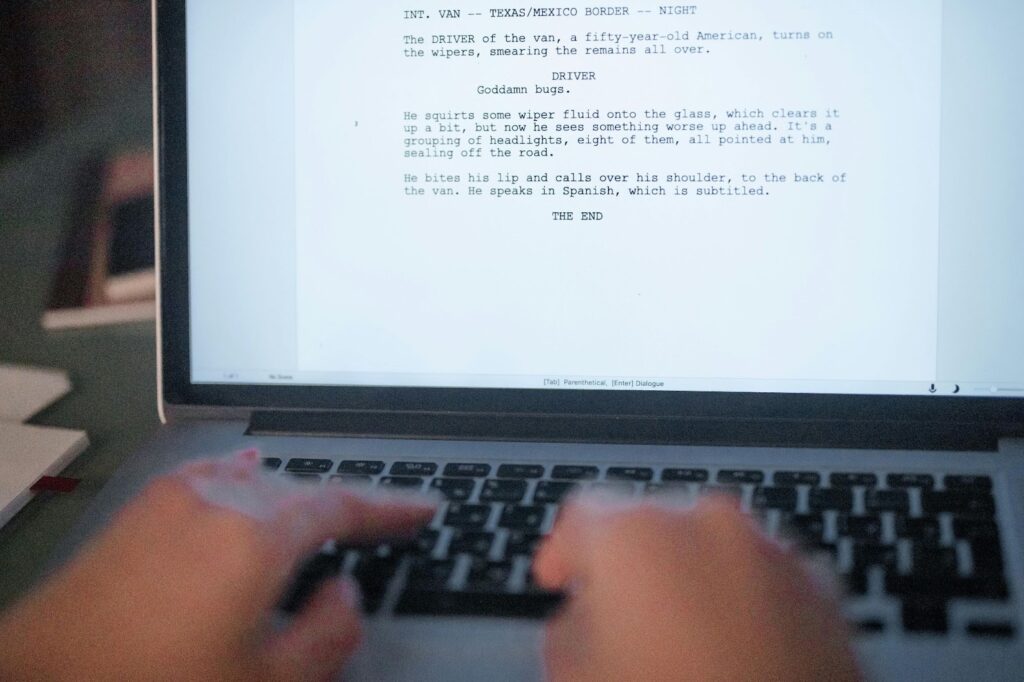
That’s possible because, believe it or not, AI coding tools have recently become much better at coding. That’s not my opinion. At my best, I was an OK programmer. No, that’s the opinion of Greg Kroah-Hartman, maintainer of the Linux stable kernel.

Kroah-Hartman and I got together at KubeCon Europe in Amsterdam recently. He told me, “Months ago, we were getting what we called ‘AI slop,’ AI-generated security reports that were obviously wrong or low quality.” 

Also: Why AI is both a curse and a blessing to open-source software – according to developers

Then, something wonderful happened. “A month ago,” he continued, “the world switched. Now we have real reports. All open-source projects have real reports that are made with AI, but they’re good, and they’re real. All open source security teams are hitting this right now.”

What happened? Kroah-Hartman shrugged: “We don’t know. Nobody seems to know why. Either a lot more tools got a lot better, or people started going, ‘Hey, let’s start looking at this.'”

Now that doesn’t mean that Anthropic Claude is going to replace Linus Torvalds anytime soon, or even a mid-level programmer at your company. What it does mean, though, is that, when used properly — no vibe coding here — AI could help clean up old but still used code; maintain abandoned programs; and improve existing code.

Also: The overselling of AI – and how to resist it

For example, Dirk Hondhel, Verizon’s senior director of open source, posted on LinkedIn that while AI coding tools aren’t yet ready to maintain code, he believes they will be soon. “This is almost possible today. And at the rate of improvement these tools have seen over the last couple of quarters, I am convinced that it will be possible with acceptable results at some point this year.”

He’s not the only one. Ruby project maintainer Stan Lo (st0012) wrote that AI has already helped him with documentation themes, refactors, and debugging, and he explicitly wonders whether AI tools will “help revive unmaintained projects” and “raise a new generation of contributors — or even maintainers.” 

Indeed, there’s already one AI project, Autonomous Transpilation for Legacy Application Systems (ATLAS), that helps developers modernize legacy codebases for modern programming languages. We can expect to see other such AI tools appearing soon. There’s a lot of obsolete but still-used code out there that could use a modern refresh. 

The lawyers are going to have a field day  

Before breaking out the champagne, let’s consider several major problems. First, if we can improve open-source code with AI, what’s to stop someone from copying and rewriting existing code and then putting it under a proprietary license? The lawyers are going to have a field day with this. Oh, wait! — they soon will: Dan Blanchard, maintainer of an important Python library called chardet, just released the latest “clean room” version of the program under the MIT license, replacing its GNU Lesser General Public License (LGPL). By “clean room,” he means he used Anthropic’s Claude to rewrite the library entirely. Claude is now listed as a project contributor. 

A person claiming to be the project’s original developer, Mark Pilgrim, is not happy. Pilgrim says, “[The maintainers’] claim that it is a ‘complete rewrite’ is irrelevant, since they had ample exposure to the originally licensed code. Adding a fancy code generator into the mix does not somehow grant them any additional rights.”

Also: AI is getting scary good at finding hidden software bugs – even in decades-old code

Blanchard, however, claims that “chardet 7 is not derivative of earlier versions.” Did I mention that using AI to modify or clone open-source code will end up in court?  

There’s another problem: Although it appears that AI is much more useful than it used to be for fixing code issues, there’s still a lot of AI slop out there, and open-source project maintainers are drowning in it. Just ask Daniel Stenberg, creator of the popular open-source data transfer program cURL

Pretty much every open-source project maintainer can tell the same story. In some cases, the AI slop has proven so poisonous that the project itself has died. For example, Python Software Foundation’s Jannis Leidel, the lead maintainer of Jazzband, closed the program down because the “flood of AI-generated spam PRs and issues” drowned the project. 

Torvalds himself, a wary AI user, warns that while AI generates code quickly, the results can be “horrible to maintain.” He views AI as a tool that boosts productivity, but it doesn’t replace the need to actually understand what’s going on in a program when things break. And, I assure you, things will break.

Also: How Claude Code’s new auto mode prevents AI coding disasters – without slowing you down

The Linux Foundation’s security organizations, the Alpha-Omega Project and the Open Source Security Foundation (OpenSSF), are addressing this issue by making AI tools available to maintainers at no cost. Kroah-Hartman said of it, “OpenSSF has the active resources needed to support numerous projects that will help these overworked maintainers with the triage and processing of the increased AI-generated security reports they are currently receiving.”

While AI is becoming truly useful for open-source developers and maintainers, there are still a lot of legal, coding, and quality issues to address before AI and open-source programming will truly work together in harmony.



Source link

Leave a Reply

Subscribe to Our Newsletter

Get our latest articles delivered straight to your inbox. No spam, we promise.

Recent Reviews


We may receive a commission on purchases made from links.

Michelin is a French multinational company that many consumers consider to be one of the most satisfying major tire brands. This firm makes several tire models that offer comfort, performance, all-terrain prowess, and everything in between — including cutting-edge products like the $42,000-per-set Michelin Pilot Sport PAX that it developed specifically for the Bugatti Veyron. Aside from its own tires, Michelin also owns other tire brands that you might be familiar with, including BFGoodrich, Achilles, and Corsa.

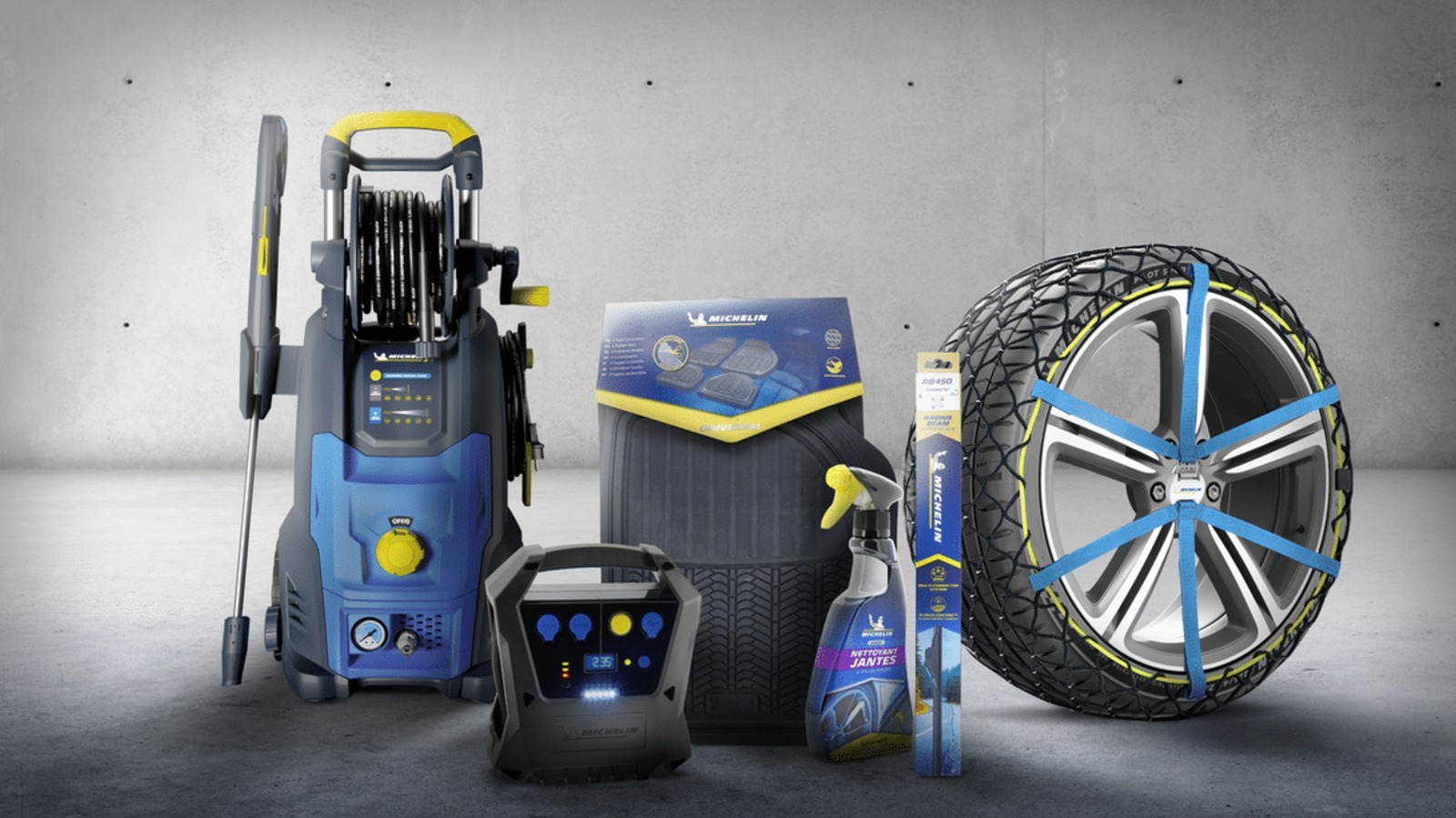
While tires are what Michelin is known for, the company has put its name to more than the rubber that wraps around your car’s rims. In fact, the company sells several other products that aren’t tires. So, we’re listing a few Michelin-branded items that you can buy online and in retail stores. While they might not all be made of rubber or even related to vehicles, these tools and accessories can come in handy when keeping your car — and even yourself — in good shape.

Michelin tire inflator

Since Michelin is primarily known for its tires, it makes sense for the company to sell a Michelin-branded tire inflator as well. That way, if you get a flat on one of the Michelin tires on your car or want to regularly top up your car’s tire pressure to maintain optimum performance, you can use a Michelin-branded pump to fill up your tires. The company actually sells several types of inflators on its Amazon page, but it only offers a single motorized unit — the Michelin Micro Tyre Inflator, which is available on Amazon for $98.99.

This little device is only slightly wider than an iPhone 17 and weighs about 400 grams, or 14 ounces. This means it’s easy to store in your car and to move to whichever tire needs topping up. More importantly, it takes power from a 12-volt socket, allowing you to run it using your car’s battery. It also has a USB port for charging your phone (or any other USB device) in case of an emergency.

Some users say that the device is slow, taking about 12 minutes to bring a tire from 10 to 32 PSI, but that’s not unexpected given its small size. Still, it should be good enough for regular weekly maintenance if you know your car’s proper tire pressure, or in case of an emergency. Its biggest downside is that you need a power source to run it, but having a dead battery and a flat tire simultaneously is likely a rare occurrence in many modern cars.

Michelin mini fridge

Taking a road trip during the summer can get you thirsty, and there’s no better way to quench that thirst than by drinking a cool can of soda (or your beverage of choice). If you want to ensure that you’ll always have a cold drink ready while you’re driving on the freeway, Michelin’s mini fridge will help you with that. This nifty little refrigerator is available on Amazon for just $99.99 and can be connected to either 110V AC or 12V DC power, ensuring that it will work on both your desk and in your car.

The mini fridge measures 6.9 x 9.45 x 10 inches (17.5 x 24 x 25.4 cm), meaning it can easily fit on a garage shelf or office desk. It should also be small enough to put on the floor of your car. Despite that relatively small size, it’s large enough to fit six 350-ml cans or four 500-ml bottles, and it will keep these items at a chilly 32 degrees Fahrenheit or 18 degrees Celsius. It also has an LED light on the door, so it can double as a night light if necessary.

Aside from keeping your drinks (and other food items) below room temperature, it also has a few other creature comforts. These include a removable shelf and door basket for flexibility and easy cleaning, as well as a retractable carry handle and a self-locking door to make transportation easier.

Michelin car floor mats

Heavy-duty car floor mats are often made from rubber for durability and water resistance, and since Michelin is in the business of rubber, it makes sense for the company to offer exactly that. So, if you want to protect your vehicle’s floor from dirt, dust, and mud, the company can help you with its Michelin all-weather car floor mats. This four-piece package is available on Amazon for $49.99 and comes in either black or tan.

The surface of these floor mats is specially designed to trap debris, snow, and water, preventing them from ruining the carpet on your vehicle. The mats have a cleat backing that grips your car’s floor and prevents them from slipping. The front row mats also come with what Michelin calls a Gripclip Retention System, allowing them to clip into your vehicle’s safety clips and adding even more reassurance that they won’t accidentally slip while you’re driving and pose a hazard to your safety.

These mats are universal and will work in most vehicles. However, they’re also easy to customize: If you find them a bit too large for the footwell of your tiny hatchback, you can use a pair of scissors to trim the edges for a perfect fit.

Michelin Stealth Ultra wiper blades

While Michelin’s Stealth Ultra wiper blades aren’t generally considered among the best windshield wipers, they appear to be a pretty good choice given their four-star rating on Amazon. These wipers cost $49.99 and are available in various size combinations for all sorts of cars. This ensures that no matter what vehicle you’re driving, you can probably find a set that will fit your needs.

These Michelin wipers are curved to conform to the shape of your windscreen for a clean, streak-free wipe. The company’s Amazon listing claims that these are designed to “withstand rain, wind, snow, mud, dust, or any other debris that might hamper your windshield’s visibility.” While you might think that windshield wipers are pretty simple items, and that you can just purchase any generic wipers off the internet, you must remember that they’re essential so that you have the best visibility possible during inclement weather. So, for your safety, consider investing in a set from a reputable brand like Michelin.

Michelin work boots

Michelin is known for making rubber tires to put on your car’s “feet,” but did you know it also makes shoes for the driver’s feet? The company makes sports & outdoor footwear, as well as shoes for work and safety. For this example, we have the Michelin HydroEdge Steel Toe waterproof work boot, listed for $210 on Amazon and at Georgia Boot. This shoe is available in U.S. sizes from 7.5 up to 14, ensuring that no matter what size you wear, you can get a Michelin work boot for yourself.

As the name suggests, this pair of shoes has steel toes to protect your feet from accidental impacts and is fully waterproof to help keep your feet dry, even in supposedly severe conditions. It also meets ASTM F2413 standards for electrical protection, meaning it has fully insulating soles to protect you from electrical hazards at work. Michelin also added what it calls an Advanced Rear Suspension system to its heel, ensuring proper shock absorption when you walk.


Source link