
Honking approximately 131 times an hour, e-scooter riders in Kolkata need their horns to navigate India’s chaotic traffic.
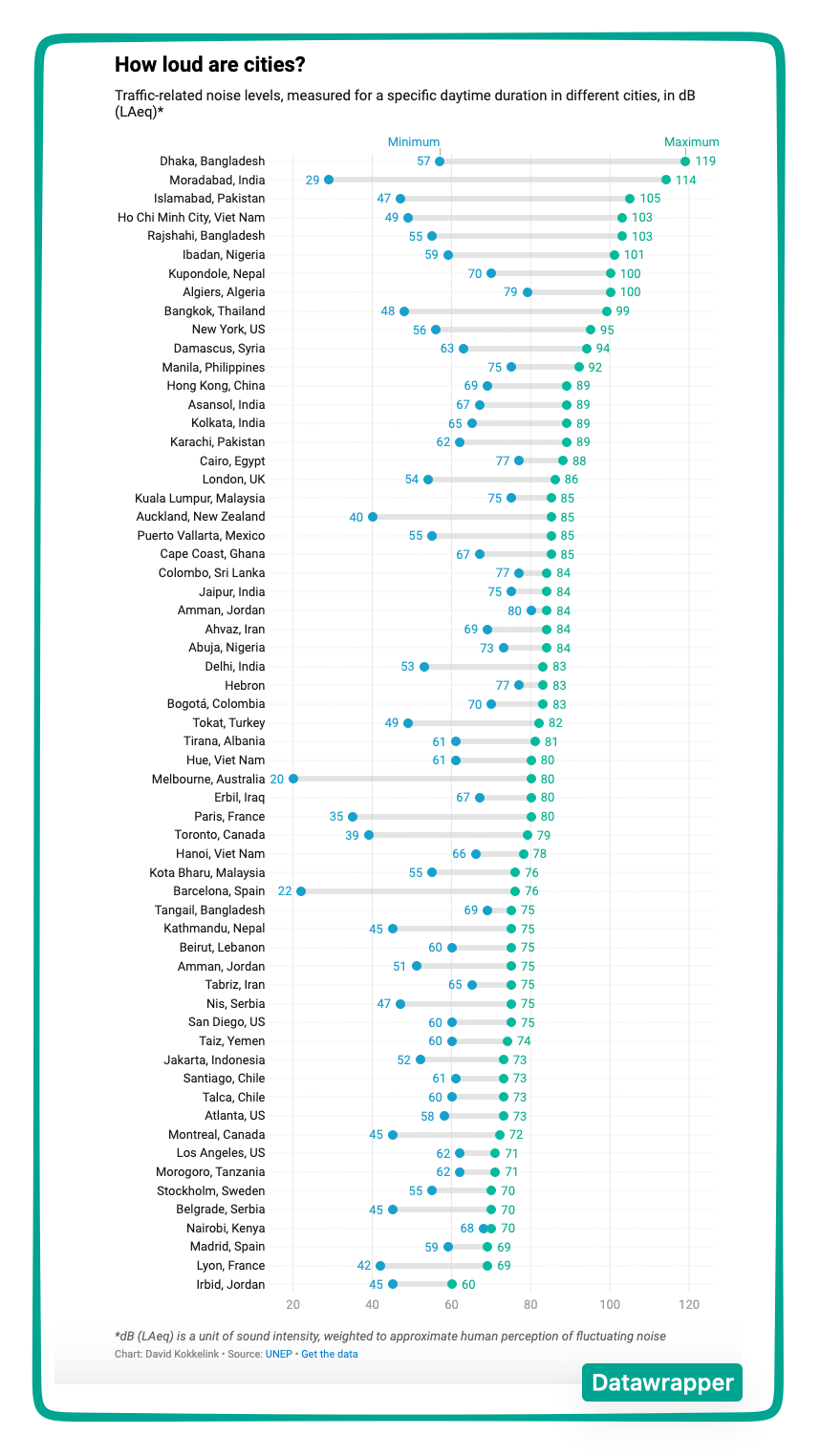
Road traffic is the main reason that India’s cities are among the world’s noisiest:
India’s Noisy Cities
India’s traffic can be chaotic. As a result, all drivers–cars, bikes, taxis, buses, scooters–constantly need to communicate with their horns. Repeated use though means that Delhi’s bike and car horns typically need to be restored after two or three months. For the same reasons, Mercedes makes more resilient horns for its Indian vehicles.
According to 2022 UN data, Indian cities are among world’s noisiest. In Delhi, a 75-decibel average noise level is four times WHO’s (World Health Organization) recommended threshold.
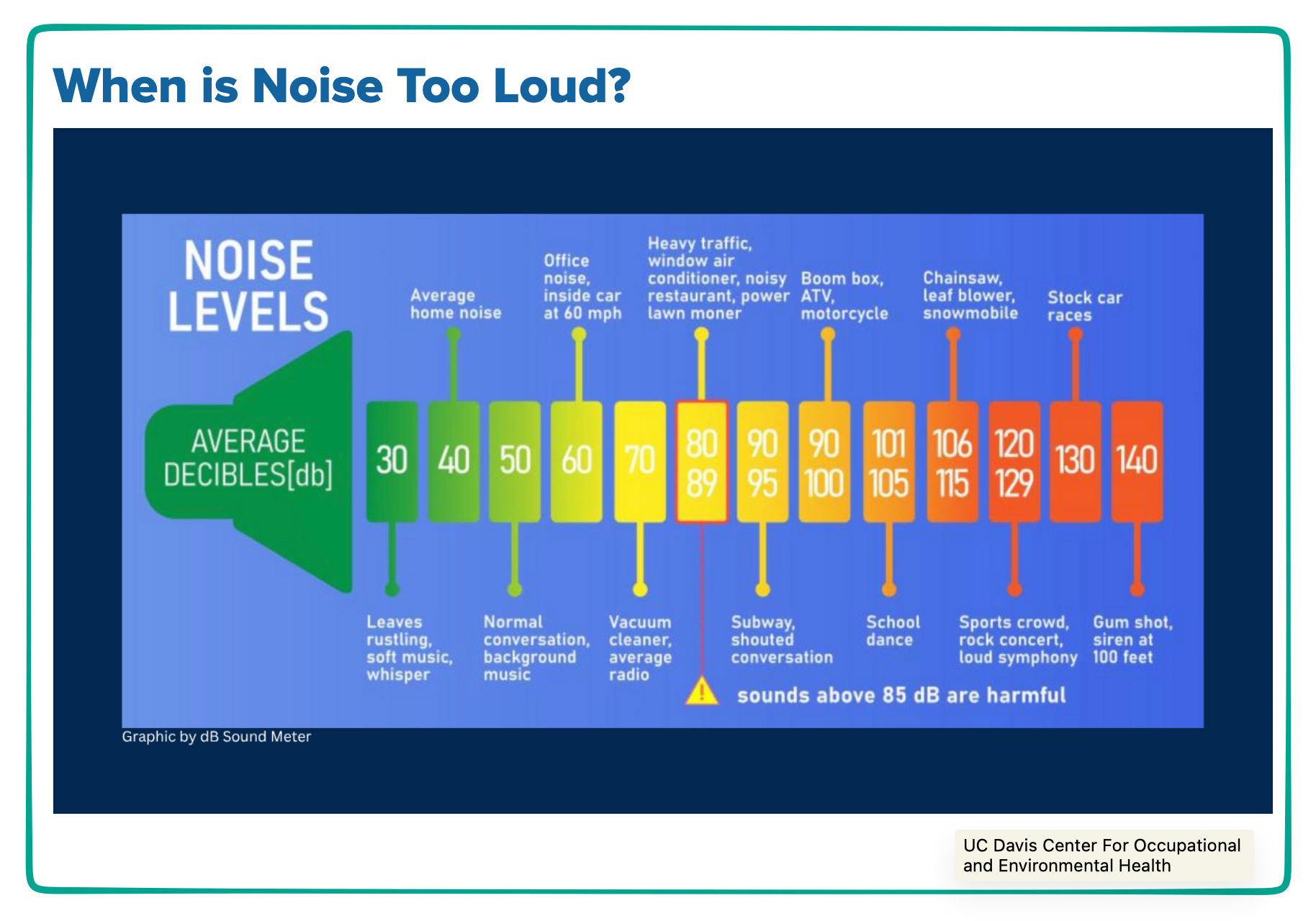
Suggesting slightly different conclusions from WHO, this chart came from a UC Davis noise study:
We would expect that constant loud noises affect our hearing. And yes, more than 60 million Indians have been diagnosed with hearing loss that is at least partially attributable to traffic noise. But also, the noise elevates stress levels that can speed up heart rates and lead to cardio disease. In addition, a Barcelona study found that 5-decibel increases slowed a child’s development of working memory by 11%.
Researchers also observed that British heart rates increased when exposed to Delhi traffic noise. Although Indians, at the same time, displayed no distress, doctors hypothesized that instead, their cardiovascular strain was chronic.
If you can endure it, do listen to Delhi’s traffic noise:
Our Bottom Line: GDP
The European Environment Agency estimates that noise pollution can pull a GDP down by .6%. In the EU, that adds up to €100 billion annually. Including elevated healthcare costs, reduced productivity at work, and diminished property values, noise pollution constrains GDP growth in many ways.
These lower property values are several examples of many possibilities:
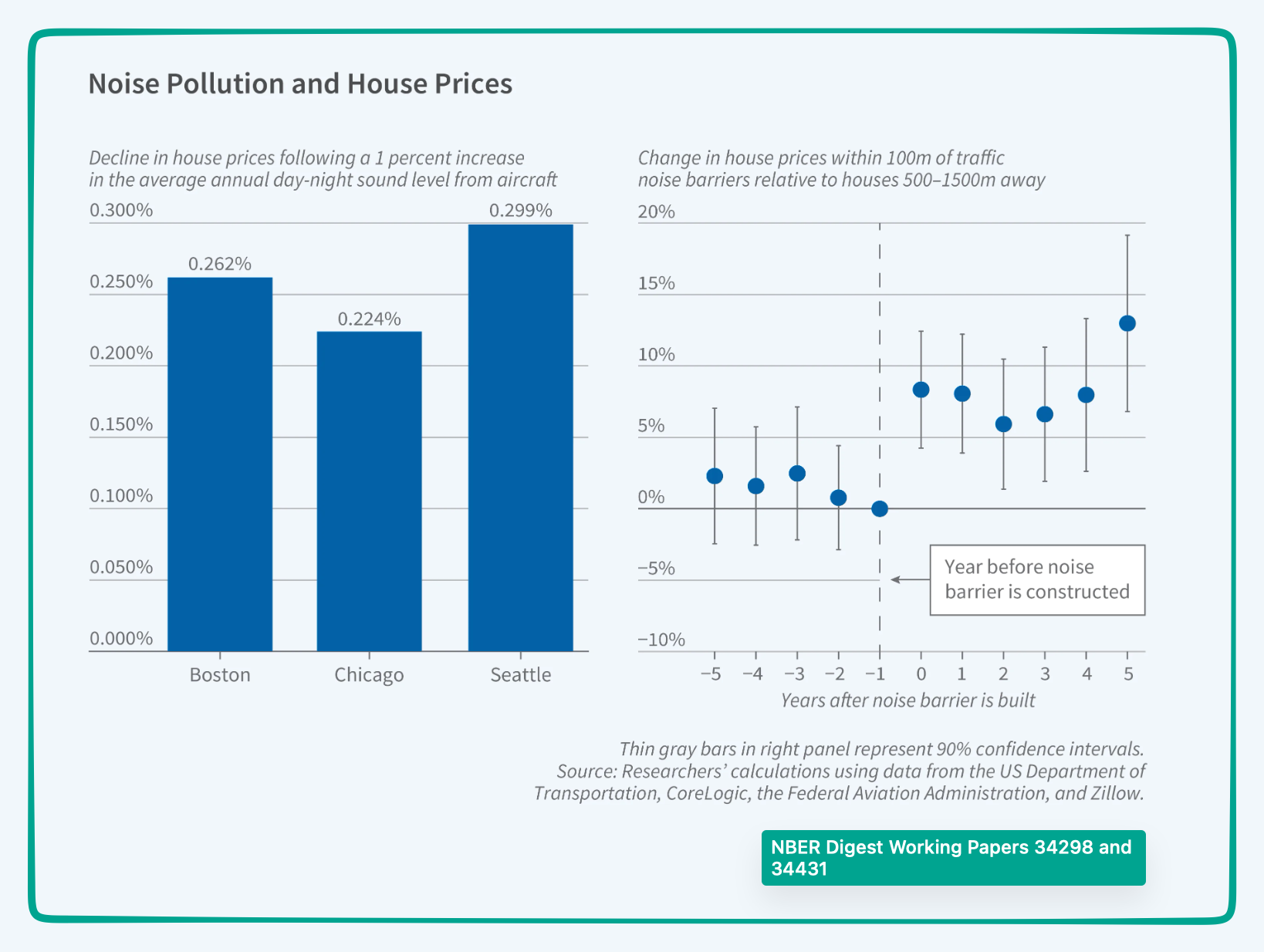
They show us how the silent impact of noise pollution can be heard everywhere. We just need to listen.
That takes us to Pigovian solutions. But we can save that for another day.
My sources and more: Thanks to The Economist for inspiring today’s post and providing many of its facts. From there, we looked at noise research here, here, and here, and at other noisy cities.

Nicole Byers is an entertainment enthusiast! Nicole is an entertainment journalist for the Maple Grove Report.