How Product Placement Accidentally Spread Nutella


Wonderfully charming, a floating jar of Nutella surprised many of us when it appeared on the Artemis livestream:


Nutella’s appearance was the ultimate in the product placement that is supposed to subliminally sell cars or food or smartphones.

But NASA forbids it.

Product Placement

Nutella

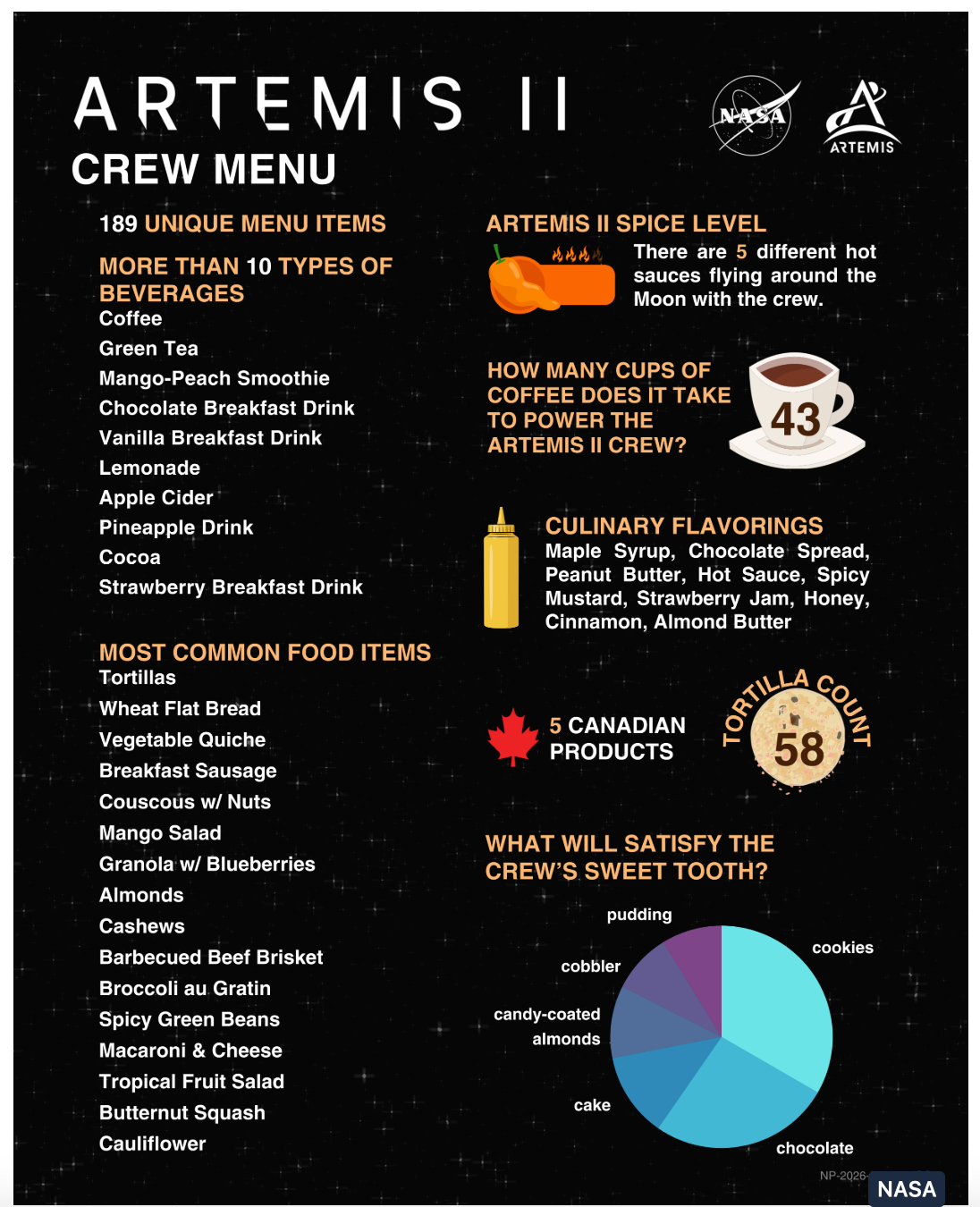
Including Nutella, the Artemis II crew can select from 189 menu items:
Artemis II food

However, NASA tells astronauts that they cannot promote individual products. The policy is so strict that when one Artemis II crew member referred to his Apple watch, he immediately corrected himself by calling it a “small powerful computing device” with an “outstanding camera.”

As a result, the unexpected Nutella flyby was a huge product placement opportunity for which other firms, elsewhere, pay millions of dollars. Hearing about it, Ferrero Group, Nutella’s manufacturer, immediately created the tagline: “Taking spreading smiles to new heights.,” and adding, “Honored to have traveled further than any spread in history.”

Ford

To get an idea of what Artemis II generated for free, the media value that costs companies whopping amounts was $383 million in BEVERLY HILLS COP: AXEL F.

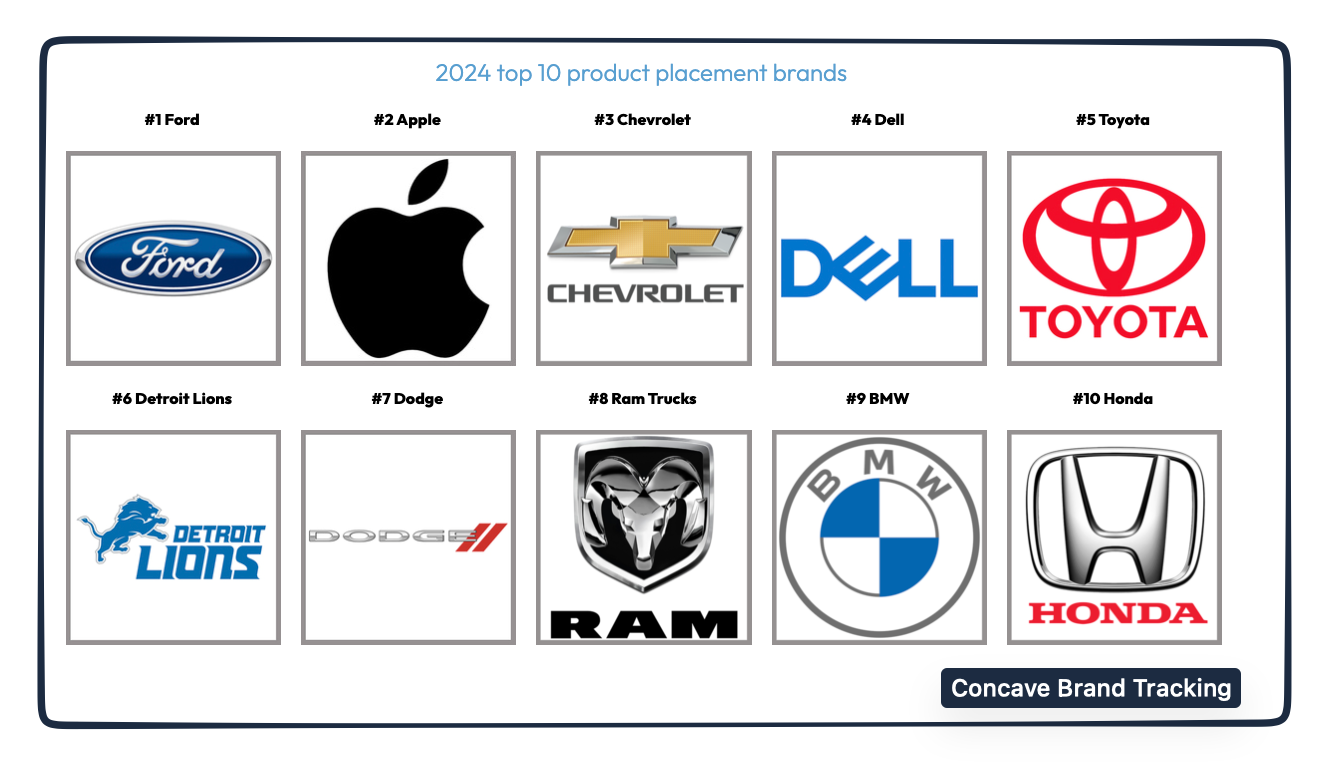
Below, you can see the brands we probably barely notice in movies. In the #1 spot, Ford was present in 35 of 2024’s top 50 films:
product placement

Our Bottom Line: Competition

Product placement takes us to competitive market structures and how oligopolies compete. As large companies that utilize mass production on the supply side and need lots of customers for demand, oligopolies are our quintessential big businesses. And yet also, they need product differentiation. In addition, as Coca-Cola describes it, they want product presence.

Through the product placement that achieves differentiation and presence, oligopolies can afford to reach millions of people…

As did Nutella.

My sources and more: Thanks to WSJ for inspiring today’s post. From there NASA had the menu. Then, Darden, Slashfilm, and the Hustle  had more of the facts and the analysis whereas Concave had the list.


Source link

Leave a Reply

Subscribe to Our Newsletter

Get our latest articles delivered straight to your inbox. No spam, we promise.

Recent Reviews


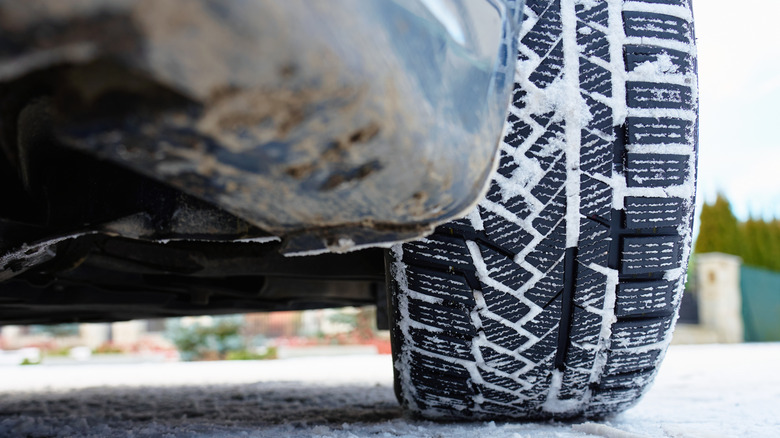
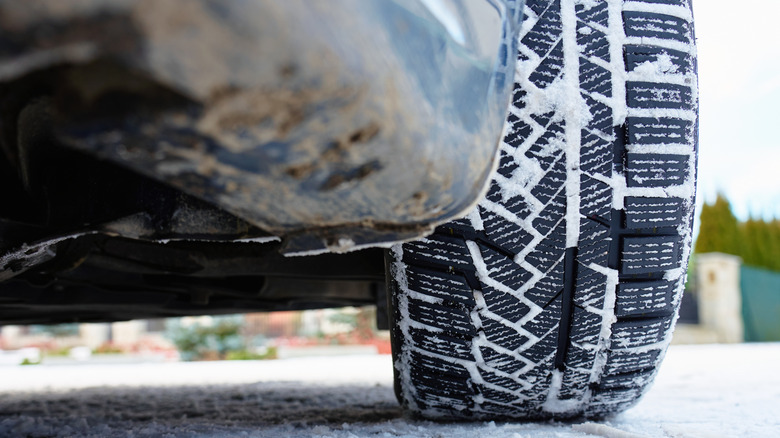
Staying safe in the winter months means being prepared for icy conditions, as winter weather sees a spike in vehicle pileups. It’s also about using the right kind of tires, which is where the 7-7 rule comes into play. This rule says that when the outside temperature drops below 7 degrees Celsius, or 45 degrees Fahrenheit, for 7 consecutive days, you should change your everyday tires to a winter model.

Extended cold snaps are a problem for regular seasonal tires because of how they’re designed. The rubber these tires contain becomes harder and less flexible in colder weather. When this happens, your tires’ ability to actually grip the road is reduced, which can become very dangerous in snow and ice. In contrast, winter tires are built with rubber that stays softer in cold temperatures, as well as deeper tread, which gives you better traction, and improved stopping ability. This means you have more control, which can ultimately keep you safer.

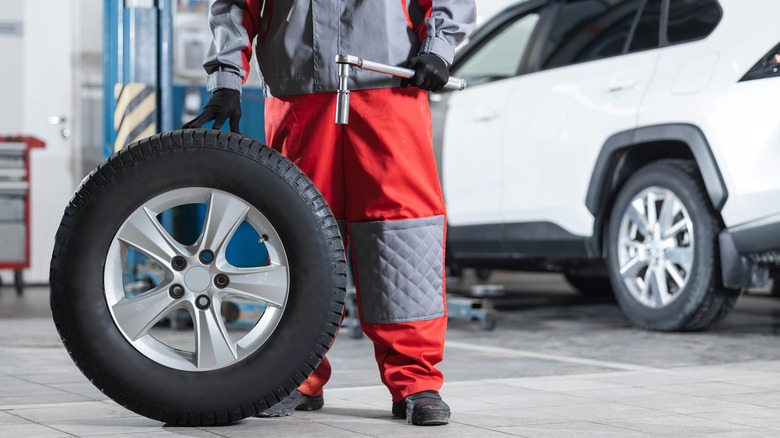
What makes winter tires ideal in cold temperatures can have the opposite effect in non-winter weather. This means that once the cold months have ended, you should switch back. If not, the tread on your winter tires will begin to wear down as the heat impacts the softer rubber. So, even with deep tread, your tires’ ability to properly grip the road can be impacted. If you’d rather not worry about the 7‑7 rule, you could use all-weather or all-terrain tires that work year-round instead.

Winter tire best practices

It’s important to safely store your everyday tires after they’ve been replaced by a winter set. If you’re storing them outside, Goodyear recommends protecting them in waterproof bags аnd kept off the ground. Otherwise, they should be indoors, in a cool and dry place, away from direct sunlight. If the tires are off the rim, they should be kept off the floor and stacked flat on top of each other. If the tires are on the rim, they can be stored the same way, or hung by the wheel on wall hooks.

When installing your snow tires, it’s best to use a full set. That’s because having only a pair of winter tires on the drive wheels could reduce your stability on the road. Additionally, if you’re using winter tires that don’t have the special mountain/snowflake symbol on the sidewall, you might want to consider getting new ones. The Three-Peak Mountain Snowflake symbol confirms that your tires meet industry standards for snow traction.

Even then, simply using the right tires isn’t enough, as you’ll need to check your air pressure regularly. Temperature drops can decrease tire pressure, causing you to lose your grip on the road. It can also cause uneven tread wear, which is why you should be monitoring tread depth regularly as well. Be sure to keep your tires properly rotated, and above all, be careful on the road. Winter tires can help keep you safe, but it’s up to you to drive cautiously.


Source link