How Small Inventions Have a Big Impact


Sometimes a small innovation can make a big difference…even with chairs.

Chair Technology

Inflatables

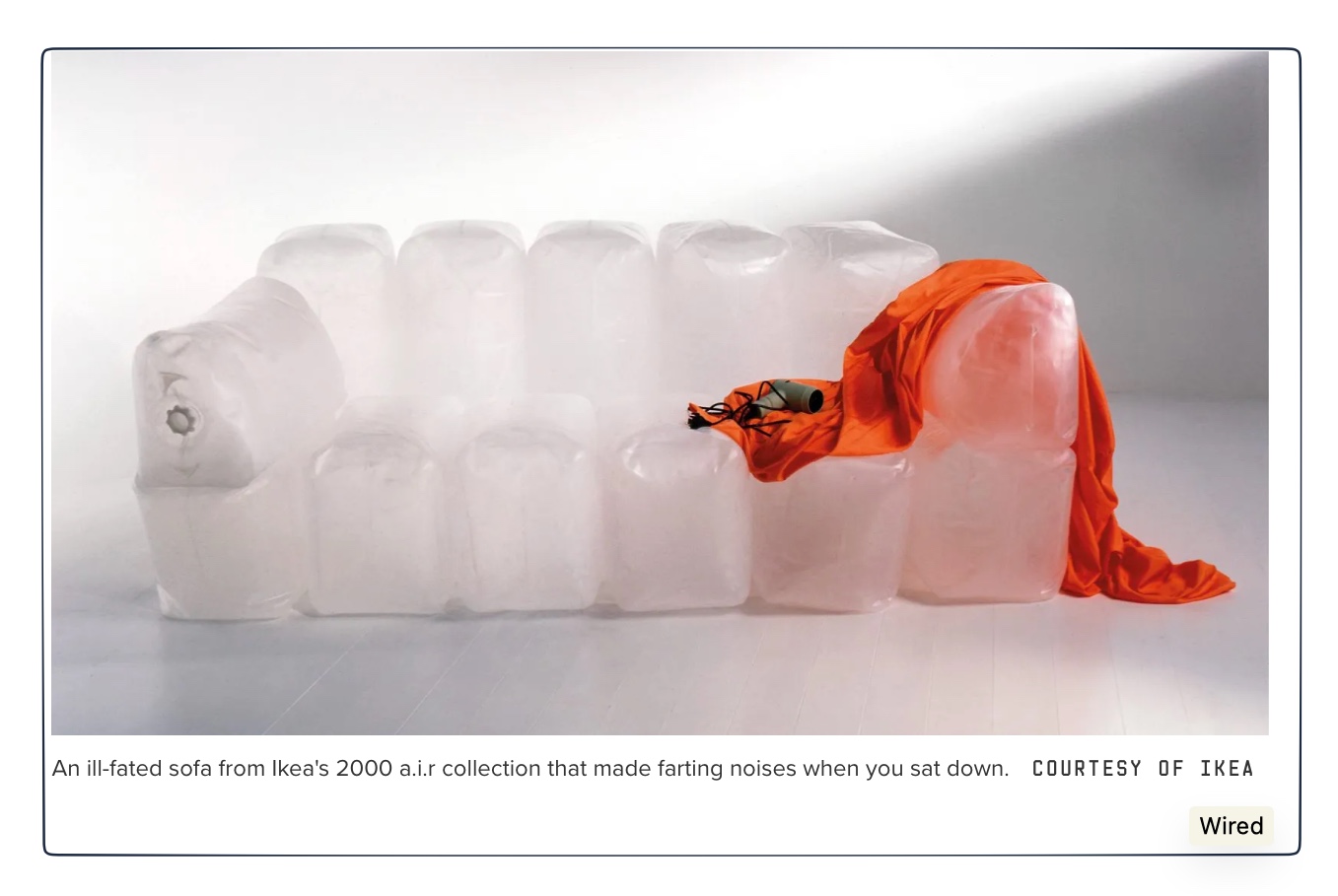
Ikea might finally have mastered inflatable furniture. Their quest began 26 years ago. Then, receiving a deflated chair, customers just had to use their hair drier to blow it up. The problem though was that people forgot to use cool air. Sadly, the hot air cooled and the chair shrunk. Other challenges included leaky valves that, according to Wired, “…after sitting down, an unglamorous farting noise issued from your general direction.’

This was their leaky valve sofa:
small inventions

However, inflatables massively cut transit volume by as much as 90% so they kept trying. Finally figuring out how to make it feel like foam (and not a beach ball), they will launch the new product line during May. Avoiding the hair dryer, it will come with a foot pump.

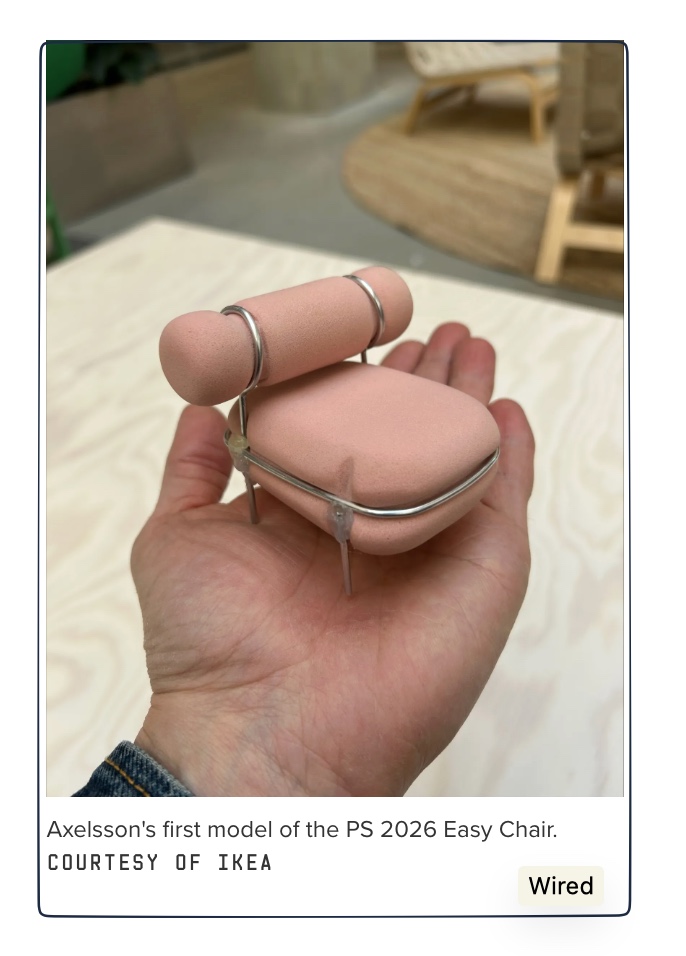
Ikea designer is Mikael Axelsson created a prototype of the 2026 version:
chair technology

Grippers

A Massachusetts chair cushion company figured out how to stop our chair cushions from sliding. Patented in 1997 (and shown as our featured image), the “Gripper’ uses a latex material that adheres to hard surfaces. As a result, our dining room chairs no longer need fabric ties that secure them.

Other Small Inventions

The Drywall Screw

The drywall screw is a building basic. For every 125 square feet of drywall (aka sheetrock) construction crews need 125 screws. In addition, Yahoo tells us that the U.S. consumed close to 28 billion square feet of drywall during 2024. The screws needed to install that drywall could have weighed close to half a billion pounds.

A small invention, the drywall screw makes a huge difference.

Our Bottom Line: Private and Social Return

Long ago, Edwin Mansfield (1930-1997), a University of Pennsylvania economist, said that a seemingly small invention can have a large impact. While he was referring to manufacturing inputs like thread, he could easily have been talking about one of our small inventions. As Mansfield explained, at first an innovation benefits its developer. But then, from there, some innovations go big.

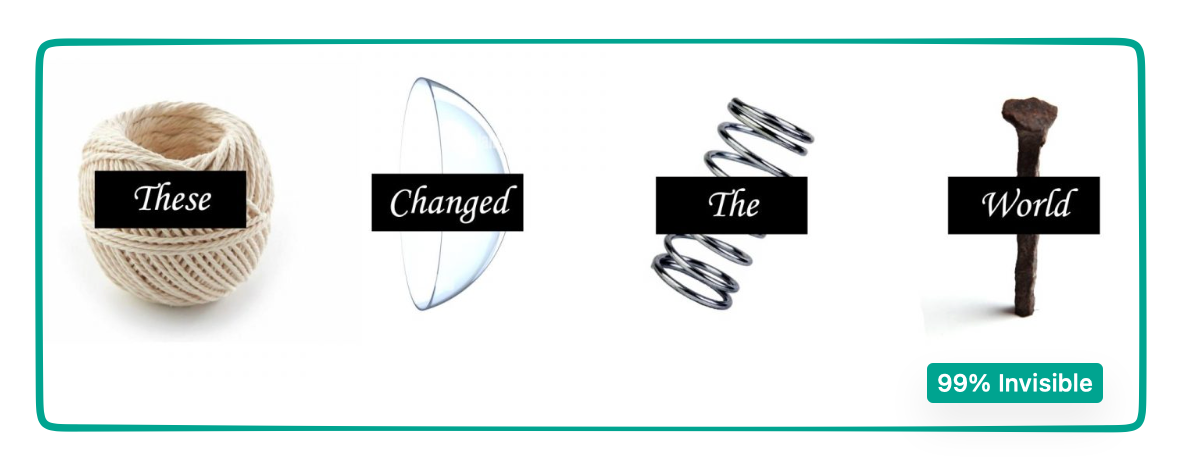
We could name countless small inventions that at first seemed inconsequential. 99% Invisible told us about these four:
small inventions

Frequently hidden (like the gripper), small inventions make a visible difference.

My sources and more: Thanks to Wired for inspiring today’s post. From there, returning to the Gripper, we also went back to Edwin Mansfield’s research in this paper and at econlife. I also recommend this 99% Invisible podcast and Roma Agrawal’s 2023 book on small inventions.

Please note that several of today’s sentences were in a past econlife post.


Source link

Leave a Reply

Subscribe to Our Newsletter

Get our latest articles delivered straight to your inbox. No spam, we promise.

Recent Reviews


Virtually every new SUV will depreciate in value over its life as the miles rack up and components start to wear out. However, some of them depreciate much faster than others. At one end of the spectrum, there are some models from the likes of Cadillac, Tesla, and Infiniti, all of which can lose close to two-thirds of their value after just half a decade on the road. That makes them some of the worst-depreciating SUVs on the market. At the other end, there are SUVs like the Toyota Land Cruiser.

The exact resale value of any used car will depend on factors like its trim, condition, and mileage, but on average, Land Cruiser owners can expect a higher trade-in value than most rivals will fetch. According to data from CarEdge, a new Land Cruiser can be expected to lose around 35% of its original value after five years on the road, assuming it covers around 13,500 miles annually.

Estimates from iSeeCars make for equally encouraging reading for Land Cruiser owners, with the outlet estimating that after five years, a new example will lose just 34.4% of its sticker price. Even after seven years on the road, iSeeCars estimates that the average Land Cruiser will still be worth a little over half of what buyers originally paid for it.

The Land Cruiser holds its value well

The estimate from iSeeCars puts the Land Cruiser slightly ahead of average for value retention in the large hybrid SUV segment, and significantly ahead of the overall market average for new SUVs. According to the same data, the average new SUV can expect to lose 44.9% of its value over the same period, over 10% more than the Land Cruiser. That said, a different Toyota SUV is forecast to retain even more of its value.

Since the 2025 model year, both the Land Cruiser and the 4Runner have shared their platform and hybrid powertrains. However, according to current estimates, the 4Runner is the clear winner when it comes to resale value. Data from iSeeCars forecasts that a new, non-hybrid 4Runner is likely to lose only 25.4% of its value after its first five years, and CarEdge predicts almost exactly the same figure. According to the former outlet, a hybrid 4Runner will lose slightly more of its value over the same timeframe, shedding 28.6% on average.

While the 4Runner is the better choice purely for value retention, that only forms part of the equation for most buyers. The Land Cruiser remains appealing thanks to its mix of off-road capability and on-road refinement, with even the base 2026 trim offering plenty of standard features, despite missing out on the luxuries that higher trims include.


Source link