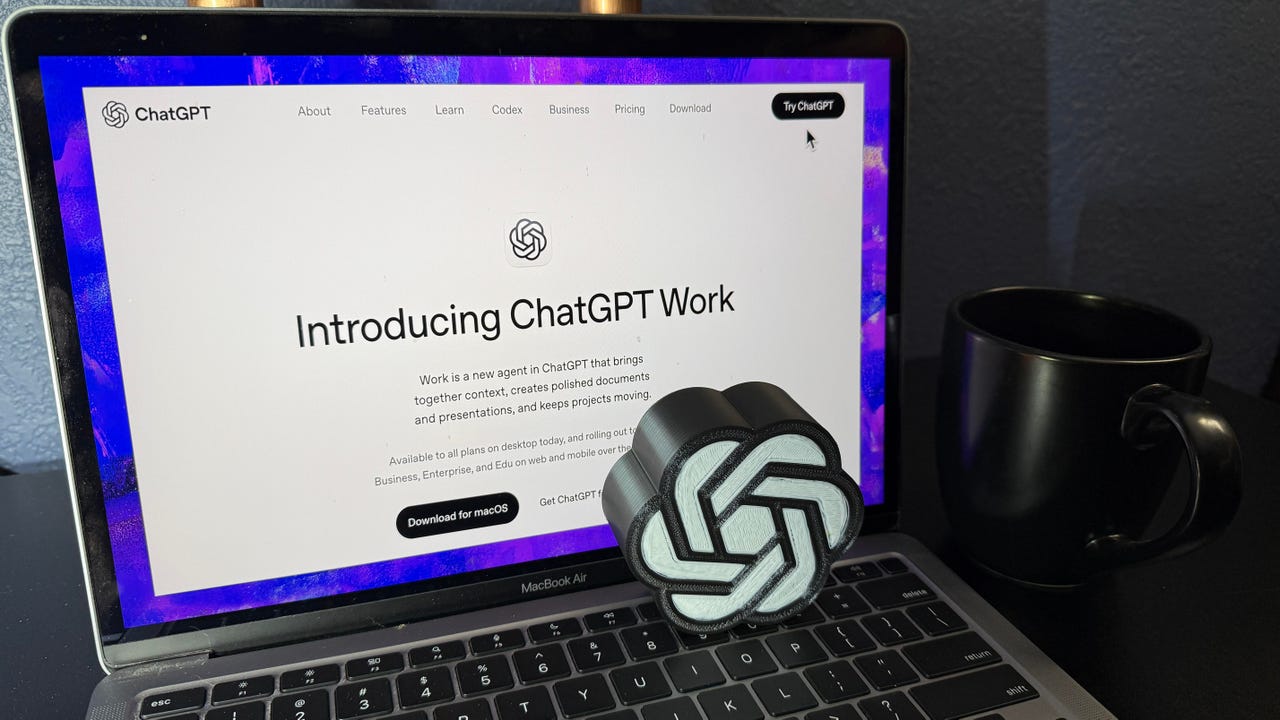
I loved ChatGPT Desktop until OpenAI gutted it to make room for Codex and Work


img-9896

David Gewirtz/ZDNET

Follow ZDNET: Add us as a preferred source on Google.


ZDNET’s key takeaways

  • OpenAI added agentic tools and removed everyday features.
  • ChatGPT Work arrived, but the ChatGPT desktop app got worse.
  • ChatGPT still works best in the browser for most users.

Plans change. My initial plan for this article was to write a comparison between Claude Cowork and the brand new ChatGPT Work. But that wasn’t to be, because getting started with ChatGPT Work turned out to be an adventure.

What fresh hell is this?

I primarily use ChatGPT on my Mac. On the Mac, there are two main ways (not counting all the third-party apps and extensions) to use ChatGPT: in the browser and as an app. I use both because each has its own features. For example, the Mac app has never been able to define and edit GPTs, but it can run them. You can create GPTs in the browser.

(Disclosure: Ziff Davis, ZDNET’s parent company, filed an April 2025 lawsuit against OpenAI, alleging it infringed Ziff Davis copyrights in training and operating its AI systems.)  

Also: OpenAI’s GPT-5.6 and ChatGPT Work aim to beat Anthropic on price, speed, and productivity

Mostly, I use the ChatGPT desktop app. Because it’s a separate app, it’s convenient when I have 100 browser tabs open. Plus, one of the great unsung features of the ChatGPT desktop app — until now — has been the ability to take screenshots from within the app and immediately drop them into chat. You can see the process in the image below, at the bottom of the screen:

take-screenshot

Screenshot by David Gewirtz/ZDNET

During this process, the screenshot was dropped into the chat. This approach saved the step of loading your screenshot program and using it to take and place an image. Here’s what that step looked like:

screenshot-in-chat

Screenshot by David Gewirtz/ZDNET

I found this approach incredibly useful and convenient, especially when working with ChatGPT to diagnose some system issue or another. I would rapid-fire screenshots right into the chat, and this step became almost a rhythm. But now, that feature is gone.

Also: How to use ChatGPT: A beginner’s guide to mastering OpenAI’s chatbot in 2026

But that’s not the only ChatGPT Desktop feature I relied upon that’s gone. The ChatGPT desktop app used to have another incredibly helpful tool called “Work with“. This feature would allow ChatGPT to see the contents of the current window of apps like Notion, Notes, and TextEdit, as below:

work-with-button

Screenshot by David Gewirtz/ZDNET

You could tap the Work With button and then give ChatGPT a prompt. Its context would then include everything in the associated app’s current window. That was another incredibly powerful, time-saving interface that’s now gone.

In fact, for all intents and purposes, the ChatGPT desktop app is gone. It’s been replaced by a hacked version of Codex, with an astonishingly fugly pop-up window reminiscent of the worst third-party apps floating around in the App Store.

Also: I connected ChatGPT to my bank, and it’s my go-to finance app now

A Windows version of the reconstituted ChatGPT Desktop app will be coming soon. So you Windows users aren’t safe from inevitable, feature-destroying, disappointing, unnecessary, and generally more expensive changes, either. But I’m not bitter.

What were they thinking?

Actually, I know what they were thinking. Chat mode is the cheap seats. Folks using just ChatGPT chat use the free plan, or possibly the $8/mo Go plan or the $20/mo Plus plan. That’s the tier I’m on.

Also: I tested ChatGPT Plus vs. Gemini Pro to see which is better

But vibe-coding Codex users can’t get much done unless they sign up for at least the $100/mo Pro plan. Agentic AI takes a lot of tokens. 

You know what else uses agents? ChatGPT Work. Yep, the lower-tier plans will likely throttle down quite rapidly after using Work for just a short while. So the more people use Work, the more money OpenAI makes. Those massive data centers nobody wants in their neighborhood are pretty costly.

Here’s where it gets weirder and more hellish. The updated ChatGPT app isn’t the ChatGPT app at all. It’s the Codex app. When you run it for the first time after upgrading, you get this splash screen:

splash

Screenshot by David Gewirtz/ZDNET

Notice that the tool even encourages you to use the Codex icon instead of the ChatGPT one. And no, I didn’t confuse my apps. When you pull up the about screen for this Codex-claiming-it’s-ChatGPT usurper app, it does, in fact, say that it is ChatGPT:

codex-about

Screenshot by David Gewirtz/ZDNET

At (1), it says Codex. But at (2), it says ChatGPT. This is the new default interface for the app. The list of tasks on the left was the last things I did in VS Code with Codex, as part of my urgent spam mitigation project

Also: Claude Cowork heads to the cloud as data shows 90% of sessions aren’t for coding

I’m not saying Codex is bad. Codex is the programming tool that lives in my development environment. Codex is not the tool I have been using to help fix my prescription for glasses. I want that tool back.

You can easily switch from Codex to the new agentic ChatGPT Work mode (which, to be clear, is not ChatGPT) in this desktop app interface. Just click Codex and select ChatGPT Work from the drop-down menu. Here’s what you get:

switch-to-work

Screenshot by David Gewirtz/ZDNET

As you can see, it’s the same screen. You’re just in Work mode. The ChatGPT Work desktop app is basically still the Codex app with a new mode. Some months back, OpenAI started integrating non-coding agent work and desktop control into Codex:

work-interface

Screenshot by David Gewirtz/ZDNET

As you can see (at 1), even the list of projects is the same as it was in Codex. Notably, none of my normal ChatGPT history is there. You get that history by tapping the tiny little Chat button (at 2).

So where is the chat part of ChatGPT?

Hovering over the Chat button shows you the five most recent ChatGPT queries. In my most recent ones, I was trying to find out if there’s a kitchen scale I can talk to over Bluetooth with my app. Everyone’s chat history is different:

hovering-over-chat

Screenshot by David Gewirtz/ZDNET

If you click the Chat button, you get this little pop-up window:

new-chat-interface

Screenshot by David Gewirtz/ZDNET

Yep, it’s a little pop-up window that looks like one of the many pop-up prompts third-party apps offer. But what happened to the robust ChatGPT interface? You can click the tiny ‘Open’ icon in a new window. If you do, you get this:

chat-in-a-new-window

Screenshot by David Gewirtz/ZDNET

Where’s my carefully curated chat sidebar? You can make the window wider, but all you’ll get is a wider window. If you click See all, you still won’t get a sidebar:

no-sidebar

Screenshot by David Gewirtz/ZDNET

Instead, you’ll get a history of your previous chats taking up the whole window. No list of projects. No list of GPTs. No Library. Nothing. Worse, my favorite productivity tools in ChatGPT, the Take Screenshot and Work With options, are gone. These tools are also not in the Codex or Work interface.

screenshot-gone

Screenshot by David Gewirtz/ZDNET

The bottom line here is pretty simple and very unfortunate. If you were an avid user of the ChatGPT desktop app, you probably won’t want to be any longer. Yes, Work and Codex add value, but it’s not the same thing.

Also: How ChatGPT Lockdown mode protects you from data theft

The Codex app is (and has been) pretty great for what it’s meant to do. Codex, on its own, actually rocks. Adding the agentic Work mode is fine. But did OpenAI have to kill the ChatGPT desktop functionality to do that? Couldn’t they have added the feature in another tab or with a third mode switch? It’s not like they don’t have any agentic coding tools to help make that happen.

All is not lost

ChatGPT does live on, in the browser interface. All the pinned items, projects, and chat history still exist in the sidebar. The growing list of ChatGPT-specific features, such as GPTs and Library, also live on in the sidebar:

chatgpt-lives-on

Screenshot by David Gewirtz/ZDNET

If you switch to the Work tab, you can use Work to do multi-step agentic projects in the cloud. The feature won’t run things on your desktop, but that’s what the desktop app is for.

Also: This simple ChatGPT trick helps you spot scams before you click

So, the good news is that if you are used to using ChatGPT in the browser, you can keep on keeping on. The bad news is that if you relied on ChatGPT Desktop, you’re screwed.

I’ve reached out to OpenAI about this change, asking whether the company plans to fix its desktop app so regular ol’ ChatGPT users can use it the way they’ve become accustomed. I’ll let you know what OpenAI says.

I also do intend to take both the cloud and local versions of ChatGPT Work for a spin, and compare them to Claude Cowork. Stay tuned. That’s coming up once my bereavement period concludes.

Is ChatGPT Work valuable enough to justify replacing the traditional desktop experience? Let us know in the comments below.


You can follow my day-to-day project updates on social media. Be sure to subscribe to my weekly update newsletter, and follow me on Twitter/X at @DavidGewirtz, on Facebook at Facebook.com/DavidGewirtz, on Instagram at Instagram.com/DavidGewirtz, on Bluesky at @DavidGewirtz.com, and on YouTube at YouTube.com/DavidGewirtzTV.





Source link

Leave a Reply

Subscribe to Our Newsletter

Get our latest articles delivered straight to your inbox. No spam, we promise.

Recent Reviews


Luxury travel isn’t just about five-star hotels, first-class seats, or expensive excursions. True luxury is about knowing how to travel smarter, deeper, and better. It’s about unlocking experiences that feel exclusive not because they cost the most, but because they maximize comfort, access, and unforgettable moments.

After years of exploring everything from remote Alaskan wilderness lodges and African safaris to European winter escapes and luxury mountain resorts, we’ve learned that the difference between a good vacation and an extraordinary one often comes down to insider knowledge.

The truth is, many travelers unknowingly leave better rooms, VIP perks, smoother logistics, and richer experiences on the table simply because they don’t know what to ask for or when to act.

Whether you’re planning a bucket-list adventure, luxury getaway, or simply want to elevate your next trip, these are the travel secrets seasoned travelers consistently use to make every journey feel more seamless, rewarding, and memorable.

Book the Experience, Not Just the Destination

Bahia Agua Verde Baja with UnCruise Safari Voyager anchored
Photo Credit: Jenn Coleman.

Many travelers obsess over where they’re going but underestimate how they experience it.

For example, visiting Alaska can mean vastly different things depending on whether you’re on a crowded cruise ship, staying roadside, or flying into a remote lodge like those tucked deep inside a National Park. The same destination can feel ordinary or extraordinary based entirely on your approach.

Luxury travelers prioritize immersive access:

  • Small-ship expeditions over mega cruises
  • Boutique lodges over generic chains
  • Guided local expertise over self-guided guesswork
  • Shoulder season timing over peak crowds

In short, the framework of your trip often matters more than the location itself.

Shoulder Season Is Often the Sweet Spot

Hiking Deer Valley
Photo Credit: Jenn Coleman.

One of the most overlooked travel strategies is avoiding peak season whenever possible.

The best luxury experiences often happen just outside the busiest travel windows, when:

  • Prices are lower
  • Crowds are thinner
  • Service is more personalized
  • Upgrades are easier to secure
  • Destinations feel more authentic

Think Québec City before the holiday rush, Deer Valley during summer operations, or safari destinations right before high-season demand spikes.

Frequent travelers know that perfect timing can create better experiences than simply booking the “most popular” dates.

Relationships Matter More Than Rewards Programs

Marriott Mena House
Photo Credit: Jenn Coleman.

Points and miles are valuable, but relationships often open doors faster.

Building loyalty with:

  • Boutique hotels
  • Tourism boards
  • Tour operators
  • Local guides
  • Luxury travel advisors

can lead to unexpected perks like room upgrades, custom itineraries, private tours, and insider access.

A thoughtful email, repeat visit, or genuine connection can sometimes outperform elite status.

Luxury is often personal, and hospitality insiders remember thoughtful travelers.

Don’t Underestimate Regional Airports

Photo Credit: Jenn Coleman.

Major hubs aren’t always the smartest play.

Savvy travelers frequently leverage smaller airports to:

  • Avoid long security lines
  • Reduce delays
  • Gain easier access to final destinations
  • Improve overall travel flow

For example:

  • Flying to Los Angeles? Consider Ontario, Burbank, or John Wayne
  • Using regional Alaska airports for wilderness access
  • Considering alternative ski gateways for mountain destinations

Smaller airports can dramatically reduce logistical headaches while enhancing comfort.

Premium Economy Can Be the Hidden Winner

young passenger sleeping in the business class
Photo Credit: Deposit Photos.

First class is wonderful, but premium economy often delivers the best value-to-comfort ratio.

On many international routes, premium economy offers:

  • More legroom
  • Better recline
  • Priority boarding
  • Improved meals
  • Significantly lower costs than business class

For travelers who want elevated comfort without overextending budgets, this can be one of the smartest upgrades available.

Luxury travel doesn’t always mean spending the most; it means spending strategically.

Travel Insurance Is a Luxury Tool, Not an Extra Expense

Suitcase and tourist stuff with inscription travel insurance on wooden background
Photo Credit: Deposit Photos.

Many travelers treat insurance as optional until something goes wrong.

Frequent travelers know that comprehensive coverage can protect against:

  • Medical emergencies
  • Trip cancellations
  • Weather disruptions
  • Lost baggage
  • Supplier insolvency

Particularly for adventure travel, remote destinations, cruises, or international itineraries, travel insurance is less about fear and more about preserving investment.

Peace of mind is an underrated luxury.

Packing Functional Beats Packing Fashionable

Cube meshed bags with rolled clothes, t-shirt, pants. Set of travel organizer to help packing luggage easy, well organized
Photo Credit: Deposit Photos.

Instagram may tempt travelers to prioritize aesthetics, but experienced travelers know function wins.

This means:

  • Layering strategically
  • Investing in weatherproof gear
  • Prioritizing footwear
  • Using compression packing cubes
  • Packing for destination realities, not photo fantasies

From Arctic excursions to European winters, being properly equipped enhances every experience.

Comfort unlocks confidence, spontaneity, and endurance.

Guided Experiences Often Deliver Better ROI

Chinchen-Itza-guide
Photo Credit: Jenn Coleman.

Some travelers avoid tours assuming DIY saves money.

But expert-led experiences often provide:

  • Priority access
  • Historical depth
  • Logistical ease
  • Hidden gems
  • Time savings

Whether it’s glacier kayaking in Alaska, food tours in Québec City, or safari operations in Tanzania, guided experiences can dramatically elevate value.

The right guide transforms travel from sightseeing into storytelling.

Splurge Selectively

Our room Escarpment Luxury Lodge Tanzania Africa
Photo Credit: Jenn Coleman.

Not every part of your trip requires maximum spending.

Frequent travelers often prioritize splurging on:

  • Exceptional accommodations
  • Unique excursions
  • Better transportation logistics
  • Prime location

while saving on:

  • Casual meals
  • Basic souvenirs
  • Overhyped tourist traps

Strategic spending creates luxury without unnecessary waste.

Social Media Can Be a Research Tool (If Used Correctly)

Social Media
Photo Credit: Deposit Photos.

Platforms like Instagram, TikTok, and Pinterest can provide real-world destination insights beyond polished tourism campaigns.

Use them to evaluate:

  • Seasonal conditions
  • Crowd levels
  • Hidden experiences
  • Hotel room realities
  • Food quality

However, seasoned travelers cross-reference heavily to separate viral hype from authentic value.

Visual research can sharpen planning when used wisely.

Slow Travel Often Creates Richer Memories

Sharah Luxury Camp in Wadi Rum
Photo Credit: Jenn Coleman.

Trying to see everything often leads to burnout.

Luxury travelers increasingly embrace slower itineraries that allow:

  • Deeper cultural immersion
  • Reduced transit fatigue
  • Better spontaneity
  • More meaningful connections
  • Genuine relaxation

Sometimes spending four days in one remarkable place creates more lasting memories than racing through five cities.

Professional Photography Matters More Than You Think

Kakabeka Falls Provincial Park Thunder Bay Ontario Canada
Photo Credit: Jenn Coleman.

Exceptional destinations deserve more than rushed smartphone snapshots.

Whether through professional shoots, strategic self-photography, or content planning, preserving travel memories thoughtfully enhances long-term value.

For creators, brands, or even personal archives, documenting travel well can extend the experience far beyond the trip itself.

Food Is Often the Fastest Path to Authentic Culture

Graze Madison
Photo Credit: Jenn Coleman.

Local cuisine often reveals more about a place than attractions alone.

Frequent travelers prioritize:

  • Regional specialties
  • Farmers markets
  • Local culinary tours
  • Family-owned establishments
  • Signature dishes

From Wisconsin’s evolving farm-to-table scene to Puerto Rican classics or Alaskan seafood, food often becomes one of the strongest emotional anchors of travel.

Flexibility Is the Ultimate Luxury

Baby bear Pavlovs Bay Alaska
Photo Credit: Jenn Coleman.

Rigid itineraries can limit opportunity.

Leaving room for weather shifts, local recommendations, or unexpected adventures often leads to the best experiences.

Some of our most unforgettable moments happened because we stayed adaptable:

  • Wildlife encounters
  • Seasonal events
  • Last-minute upgrades
  • Unique excursions

The ability to pivot is often where true magic lives.

Luxury Is Ultimately About Access, Ease, and Meaning

Sandals Royal Curacao Resort Beach
Photo Credit: Jennifer Coleman.

At its best, luxury travel isn’t defined solely by price tags.

It’s about:

  • Better access
  • Greater comfort
  • Enhanced personalization
  • Deeper immersion
  • Smarter choices

The most memorable journeys aren’t always the most expensive, they’re the most intentional.

Final Thoughts

Fairmont Le Château Frontenac Quebec Canada
Photo Credit: Jenn Coleman.

Travel has never been more accessible, but truly exceptional travel still relies on knowledge, strategy, and experience.

The travelers who consistently create unforgettable journeys aren’t necessarily spending the most. They’re leveraging smarter timing, better logistics, deeper relationships, and a willingness to prioritize meaningful experiences over superficial ones.

Whether you’re dreaming of wilderness lodges in Alaska, luxury ski resorts, historic winter cities, or international adventures, these insider strategies can elevate nearly any journey.

Because in the end, the real luxury isn’t just where you go.

It’s how well you know how to experience it.


Hi! We are Jenn and Ed Coleman aka Coleman Concierge. In a nutshell, we are a Huntsville-based Gen X couple sharing our stories of amazing adventures through activity-driven transformational and experiential travel.


Source link