Is Discord included in the UK social media ban for under-16s?


Back in June, the UK government announced that it would ban those under 16 years old from accessing social media platforms.

While details are yet to be officially confirmed, the government has stated that under-16s won’t be able to use Instagram, YouTube, TikTok, Snapchat, Facebook and X. If you’re surprised to see YouTube included there, then visit our guide which explains all you need to know about the video-sharing platform’s social media ban. 

However, one platform that’s missing from the government’s initial round-up is Discord. At the time of writing, we don’t know whether the government will eventually add Discord to the ban list or not. 

In the meantime, we explain everything you need to know about Discord including whether it is classed as a social media, what safety measures it takes for younger users and more.

Otherwise, visit our UK social media ban explainer for more information on the upcoming rule-change for under-16s.

Advertisement

What is Discord?

We’ll start with a refresher on what Discord actually is. Discord is designed for gamers and allows its users to communicate with others online, using either video or voice calls and instant messaging.  

At the heart of Discord are “servers” which are a collection of chat rooms and voice channels that can be accessed either through private invite links or simply by searching. Each server can hold up to a massive 25 million users at once, though you can also create smaller and private servers for chatting with friends.

For more information, our dedicated what is Discord explainer goes into more detail on the platform.

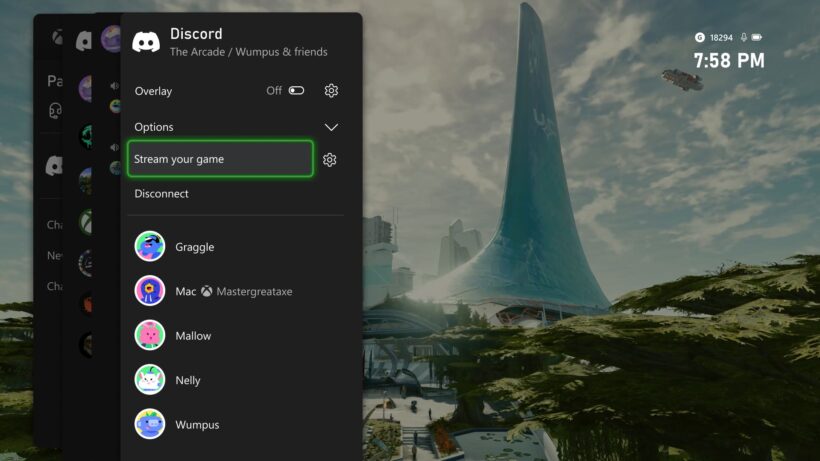
Xbox Discord
Streaming on Discord via Xbox

Discord is described as being a “communications platform” that enables users to build connections around the “joy of playing games through voice, video and text features”. 

So, although it does enable communication and sharing with friends, it isn’t technically classified as social media.

Advertisement

At the time of writing, Discord is not included in the list of platforms that will be banned by the UK governments for under-16s. However, the government hasn’t confirmed whether this list is exhaustive or not, so there’s potential for more platforms to be added.

The government has also disclaimed that it doesn’t intend for “messaging services like Whatsapp and Signal” to be included in the ban. Considering Discord is classed as a communications platform, this could suggest that the government may not see it as a social media platform.

Plus, the UK government has said that it plans to use the “same model for a social media ban as Australia”, who doesn’t include Discord in its own ban. However, many critics have since called for Australia to include Discord in its ban, as the platform allows for video chatting and live streaming. 

What is Discord’s minimum age, and does it change under the ban?

The minimum age you need to be to join Discord is 13 years old, however this varies depending on where you are in the world. For example, while UK residents can join when they’re 13, some European countries like Spain and Italy require users to be 14 years old. In fact, countries including Ireland, Germany and Poland have a minimum age requirement of 16 years old. 

Discord hasn’t disclosed whether it plans to change the UK’s minimum age in-line with the upcoming social media ban. That means for now, we can assume its minimum age will remain at 13 years old.

What other apps are and aren’t included in the ban?

So far, the apps included in the ban are: X, Snapchat, Facebook, Instagram, YouTube and TikTok. Messaging apps are “not intended” to be included in the ban, with the government explicitly referencing Whatsapp and Signal. At the time of writing, those are all the apps that we know about.

Advertisement

When does the ban come into effect?

The UK’s social media ban for under-16s should be implemented in Spring 2027, after the first set of regulations are laid out by the end of 2026. 


Source link

Leave a Reply

Subscribe to Our Newsletter

Get our latest articles delivered straight to your inbox. No spam, we promise.

Recent Reviews


What Is Invoice Factoring in Plain English?

At its core, invoice factoring (also known as accounts receivable financing) is about selling your invoices to a factoring company in exchange for immediate cash. You’ll usually get 70–90% upfront, then the remainder (minus fees) once your customer pays.

This is not a loan. You’re not creating new debt or taking on monthly repayments. You’re simply trading tomorrow’s receivables for today’s working capital.

👉 Forbes Advisor explains invoice factoring as one of the most practical ways small businesses improve liquidity.


How Does Invoice Factoring Work?

Here’s the play-by-play:

  1. You invoice your customer for goods or services.

  2. Instead of waiting for them to pay, you sell that invoice to a factoring company.

  3. The factoring company advances you 70–90% of the invoice value.

  4. They collect directly from your customer.

  5. When the customer pays, you receive the remaining balance, minus factoring fees.

Example: You invoice a client for $50,000. A factor gives you 85% upfront ($42,500). Your client pays in 45 days. After collecting their fee (say 2%), the factor pays you the rest ($6,500). End result: You didn’t wait 45 days to get paid.

đź’ˇ Pro Tip: Pair invoice factoring with a revolving line of credit for maximum flexibility in managing cash flow gaps.


Invoice Factoring vs. Invoice Financing

They sound similar, but there’s a big difference:

Invoice Factoring Invoice Financing
Sell invoices outright Borrow against invoices
Factor collects payment You still collect
Not treated as debt Loan repayment required
Transparent but higher cost Often cheaper but more responsibility

👉 If you prefer to stay in control of collections, invoice financing might work better. But if you just want fast cash and less admin, factoring is the way to go.


Pros and Cons of Invoice Factoring

Pros Cons
✅ Immediate access to working capital ❌ More expensive than bank loans
✅ Based on customer creditworthiness ❌ Customers know factoring is in place
✅ No new debt or repayments ❌ Limited to B2B invoices
✅ Supports cash flow management ❌ Recourse factoring = you take the risk

💡 Pro Tip: If you’re worried about non-paying customers, look for non-recourse factoring. It costs more, but the factor—not you—takes the hit if your client defaults.


Who Uses Invoice Factoring?

Certain industries rely heavily on factoring because slow-paying customers are the norm. Top sectors include:

  • Trucking & logistics: Carriers often wait 30–90 days for brokers or shippers to pay. Factoring ensures they cover fuel and payroll immediately.

  • Staffing agencies: Weekly payroll but client invoices that pay monthly? Factoring bridges that gap.

  • Construction & subcontracting: Payment delays are common due to project milestones. Receivables financing through construction business loans keep crews running.

  • Wholesale & manufacturing: Large-volume orders often come with long terms. Factoring maintains liquidity.

  • Marketing & creative agencies: Agencies billing retainers or project-based fees often use factoring to smooth out revenue cycles.

👉 Fun fact: Staffing and trucking together account for the majority of factoring volume in the U.S.


How to Choose the Right Factoring Company

Not all factoring companies are created equal. Before signing a deal, compare:

  • Fees & transparency: Is it a flat fee or tiered by days outstanding?

  • Advance rates: Some offer 70%, others 95%.

  • Contract length: Month-to-month is flexible; year-long contracts can trap you.

  • Industry expertise: A factor that knows trucking ≠ one that specializes in creative agencies.

  • Non-recourse vs. recourse: Decide how much risk you want to carry.

For a deeper look, read Wolters Kluwer’s guide on factoring and cash flow.


Costs & Fees of Factoring Receivables

Typical fees run 1–5% per month depending on invoice size, industry, and risk. The longer your client takes to pay, the higher the fee.

Two key costs to look for:

  1. Factoring Fee (Discount Rate): Percentage of the invoice charged.

  2. Reserve Hold: Portion of the invoice held back until payment clears.

đź’ˇ Pro Tip: Always check if the factor files a UCC-1 lien. This filing can block you from getting other types of financing until the lien is released.


Real Case: Startup Scales With Invoice Factoring

A small tech startup wanted to grow but didn’t want to take on venture capital or debt. By factoring their invoices, they accessed quick cash, hired aggressively, and scaled operations. Within three years, they sold for $35 million—without giving up equity.

That’s the power of cash flow management through factoring.


Alternatives to Invoice Factoring

Invoice factoring is great—but it’s not the only way to fund your business. Alternatives include:

  • SBA 7a loans: Lower cost, but longer approval timelines. 

  • Business credit cards: Fast but can carry high interest.

  • Lines of credit: Flexible but harder to qualify for.

  • Revenue-based financing: Funding based on your sales.

đź’ˇ Pro Tip: Use factoring for short-term cash flow gaps, but consider long-term financing for expansion projects.


Source link