Is The Mazda BT-50 Truck Coming To The US? Here’s What You Need To Know


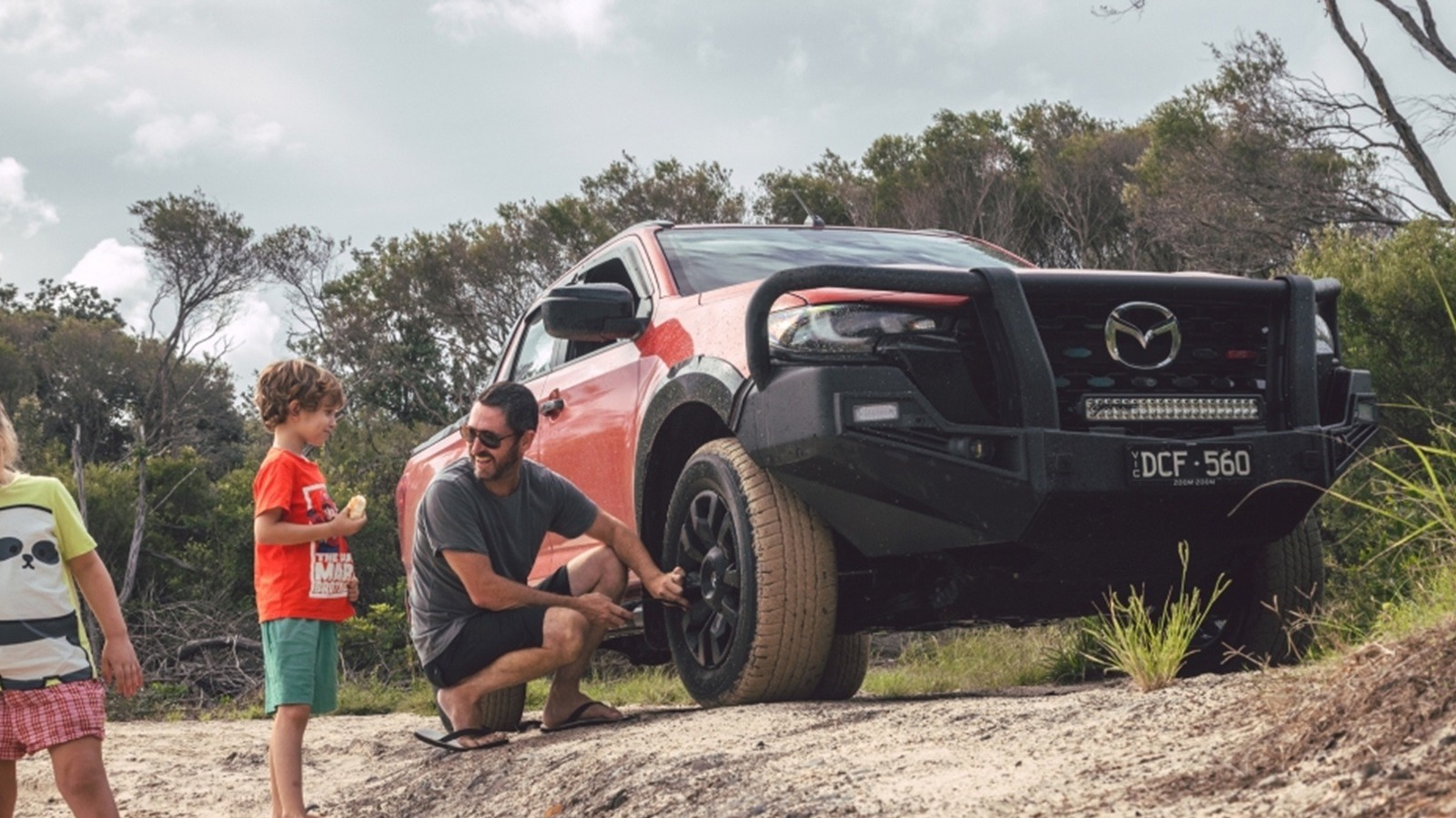
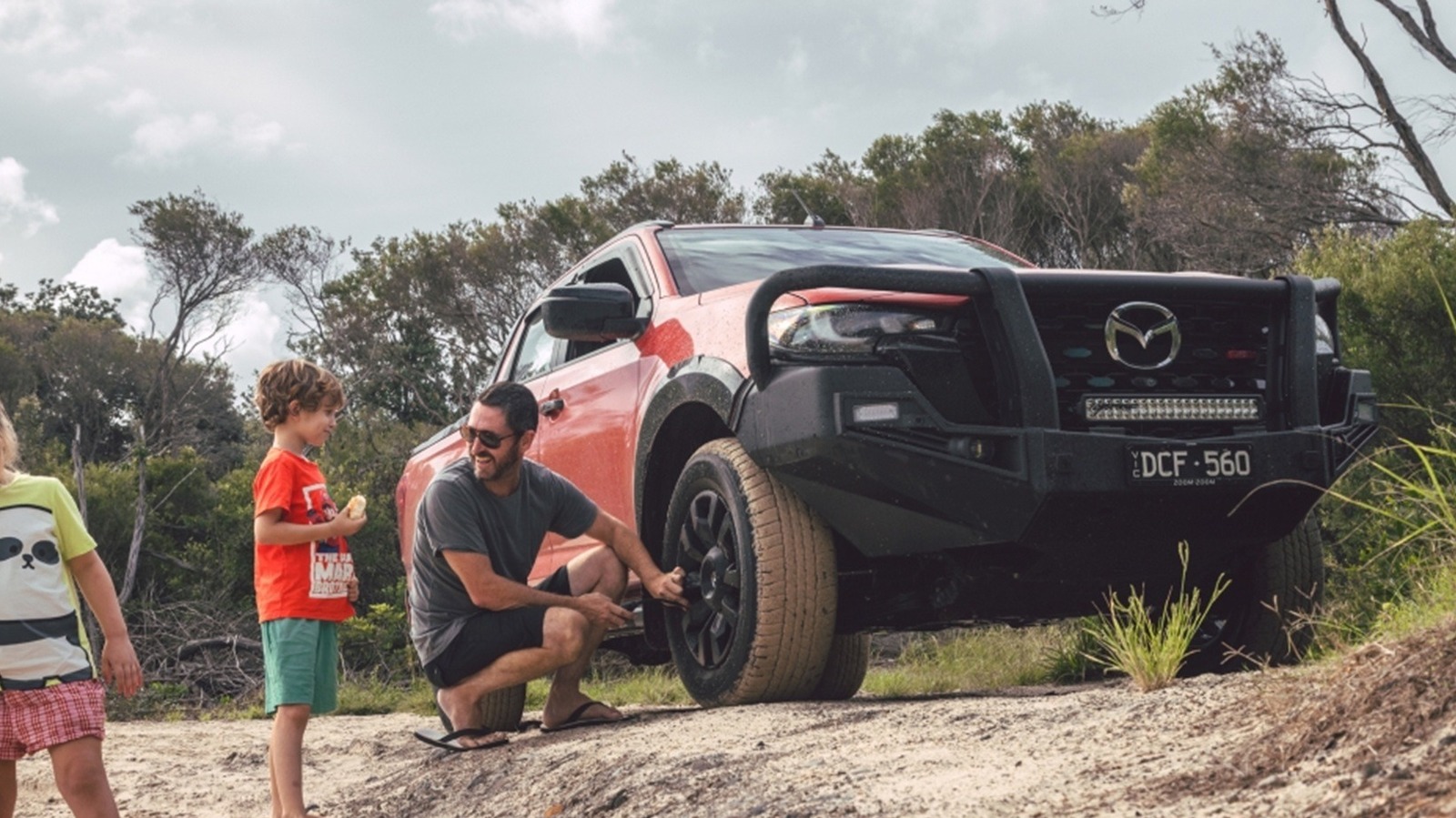
Did you know that Mazda makes a truck? In the United States, the automaker is largely known for making the affordable Miata sports car and reliable SUVs. In other markets, however, the Mazda badge also adorns the BT-50 Ute.

The 2026 model came out earlier this year, with headline features including the ability to tow more than 7,700 pounds, carry around a 2,600-pound payload, and tackle rugged terrain with its 4×4 powertrain. Pair that with its rugged looks, and you’d think it’d be a hit in the U.S. Unfortunately, it doesn’t look like Mazda plans to return to the American pickup market. The automaker last offered an American-market truck in 2009, when it discontinued the B-Series due to low sales.

When Mazda CEO Masahiro Moro discussed future ideas with Car and Driver in 2025, he was more excited about a potential rotary-engine Mazda sports car. When asked about a pickup truck, Moro said: “We get requests from our data partners to see a small pickup truck, but we don’t have the platform to do it.” However, he admitted that many people like pickup trucks, alienating Mazda from that large market, adding that “It’s a good time to think about a future portfolio.” That doesn’t mean that the BT-50 is coming to the U.S. any time soon, though, and it’s probably all down to the Chicken Tax.

The Chicken Tax stopping Mazda from offering the BT-50 in the States

With the low demand for Mazda’s B-Series in its final years, it’s possible that Mazda doesn’t think that the BT-50 would be right for the U.S. market, especially if it would have to pay the so-called Chicken Tax. This is a 25% tax on imported light trucks, imposed in the 1960s as a retaliatory measure against European tariffs on American chickens — hence the name. Decades later, the Chicken Tax persists, specifically impacting light truck imports, including the made-in-Thailand BT-50.

To get around the Chicken Tax, other automakers have gotten creative. Some open factories in the United States, while others find workarounds. Ford has avoided over $250 million in Chicken Tax over the years by having its Ford Transit Connect vans pass through customs before ripping out the rear seats, which the government claims were designed to be thrown away. However, the Chicken Tax still holds automakers back today — and it’s believed that’s part of the reason American pickup trucks are so large.


Source link

Leave a Reply

Subscribe to Our Newsletter

Get our latest articles delivered straight to your inbox. No spam, we promise.

Recent Reviews


A day before SpaceX’s initial public offering, which set stock market records, a giant inflatable figure of the company’s CEO, Elon Musk, appeared in Times Square in New York.

An unflattering caricature of a bare-chested Musk, with the words “SpaceX’s Grok makes AI child porn” on its chest and back, the inflatable was the centerpiece of a demonstration organized by the advocacy group Safe AI Now. The goal: tie the landmark financial offering to deepfake sexualized images of children generated by SpaceX’s AI platform, Grok.

The protest took place just outside Nasdaq’s global headquarters on West 42nd Street on Thursday.

A representative for SpaceX did not immediately respond to a request for comment.

A spokesperson for SAIN said in an email that because SpaceX owns Grok, it makes child porn. “A company that enables child porn is inherently unstable and puts American investors and retirement funds at risk. SpaceX shareholders are on the hook for every Grok lawsuit, criminal investigation, and regulatory fine that is coming,” the spokesperson said.

The organization describes itself on its website as “a coalition of faith leaders, family advocates, child development experts, online safety organizations, legal professionals, technologists, and concerned citizens working to ensure that artificial intelligence advances human flourishing.” SAIN is effectively anonymous; it does not identity any of its leadership or any individuals associated with the group on the website.

The effigy, the spokesperson said, was chosen as a metaphor for Musk and the companies he owns or is associated with, including the social media platform X and the satellite broadband provider Starlink, which have been absorbed into SpaceX along with Grok and xAI. (Musk’s automaker, Tesla, is separate.)

“Much like Musk and his companies, it is inflated, full of hot air, and could pop at any minute — it served as a warning to investors eager to buy into Musk’s SpaceX IPO today,” the spokesperson said.

Grok’s history of deepfakes

CNET AI Atlas badge; click to see more

Ever since Musk introduced Grok in late 2023 and made it available to premium subscribers on X (formerly Twitter), the AI platform has had fewer guardrails than rivals such as ChatGPT and Claude.

It has a history of promoting antisemitism and hate speech while also allowing users, with its image-generation features, to do things such as undress photos of celebrities with AI-generated images or to create sexualized images of children. Those types of images have led to criminal investigations and lawsuits, and xAI made changes it said were meant to address Grok’s problems. 

But as Wired reported on Thursday, Grok continues to host sexualized deepfake images and videos of well-known women. 


Source link