Lavazza Just Beat Keurig to the Punch with Pods Made Entirely of Coffee — No Plastic Involved


Two years ago, we got a sneak peek at one of Keurig’s most exciting innovations in years: a coffee pod made entirely of coffee byproducts, with not a spec of plastic. While we waited patiently for it to hit our shelves, Italian coffee giant Lavazza was brewing up a sustainable coffee pod and appears to have beaten Keurig to the punch.

Lavazza introduced Tabli to the United States market on Monday — a solid coffee tab that the 130-year-old coffee company calls its most ambitious product innovation ever. The US launch follows a successful debut in Italy and marks the first time the format has been available outside that market.

Unlike K-Cups and other traditional single-serve formats, Tabli pods — or “tabs” —  contain no capsule, no individual wrapping and no coating. Just pure compressed coffee; dosed, ground and tamped into a solid form that’s ready to brew.

two tabli pods

Tabli coffee pods are made of 100% pure pressed coffee — no plastic to be found.

Lavazza

The technology behind the tab is the result of five years of research and development and more than 15 patents. A concave shape allows the coffee to expand during brewing, producing what Lavazza calls “Crema Plus” — the velvety, persistent foam layer associated with properly pulled espresso. The machine used to brew these all-natural pods, designed in Italy, requires no setup, grinding or measuring from the user.

The launch is the centerpiece of Lavazza’s accelerated North American growth. 

“The US is one of the most dynamic markets in the world,” said Daniele Foti, Lavazza North America’s VP of marketing, in a press release sent to CNET. “This is our biggest bet on this market yet, and we intend to shape what comes next.”

two tabli pods

Tabli coffee pods are made of 100% pure pressed coffee — no plastic to be found.

Lavazza

“Tabli eliminates the trade-off between quality and convenience entirely — it’s a true multisensory experience: Coffee you can smell, feel, and see before it ever brews,” Foti added.

The Tablì machine itself sports a sculpted silhouette and slider designed for one-touch operation. Accessories include a milk frother and a dedicated tab storage holder.

tabli machine

The Tabli looks like a Keurig but with a decidedly Italian bent.

Lavazza

The Tablì is available for preorder at tablicoffee.us for $260. Individual tabs range from $ 0.70 to $1.15 per tab. A launch bundle includes the Tablì machine, a milk frother and a 60-count variety tab collection.


Source link

Leave a Reply

Subscribe to Our Newsletter

Get our latest articles delivered straight to your inbox. No spam, we promise.

Recent Reviews


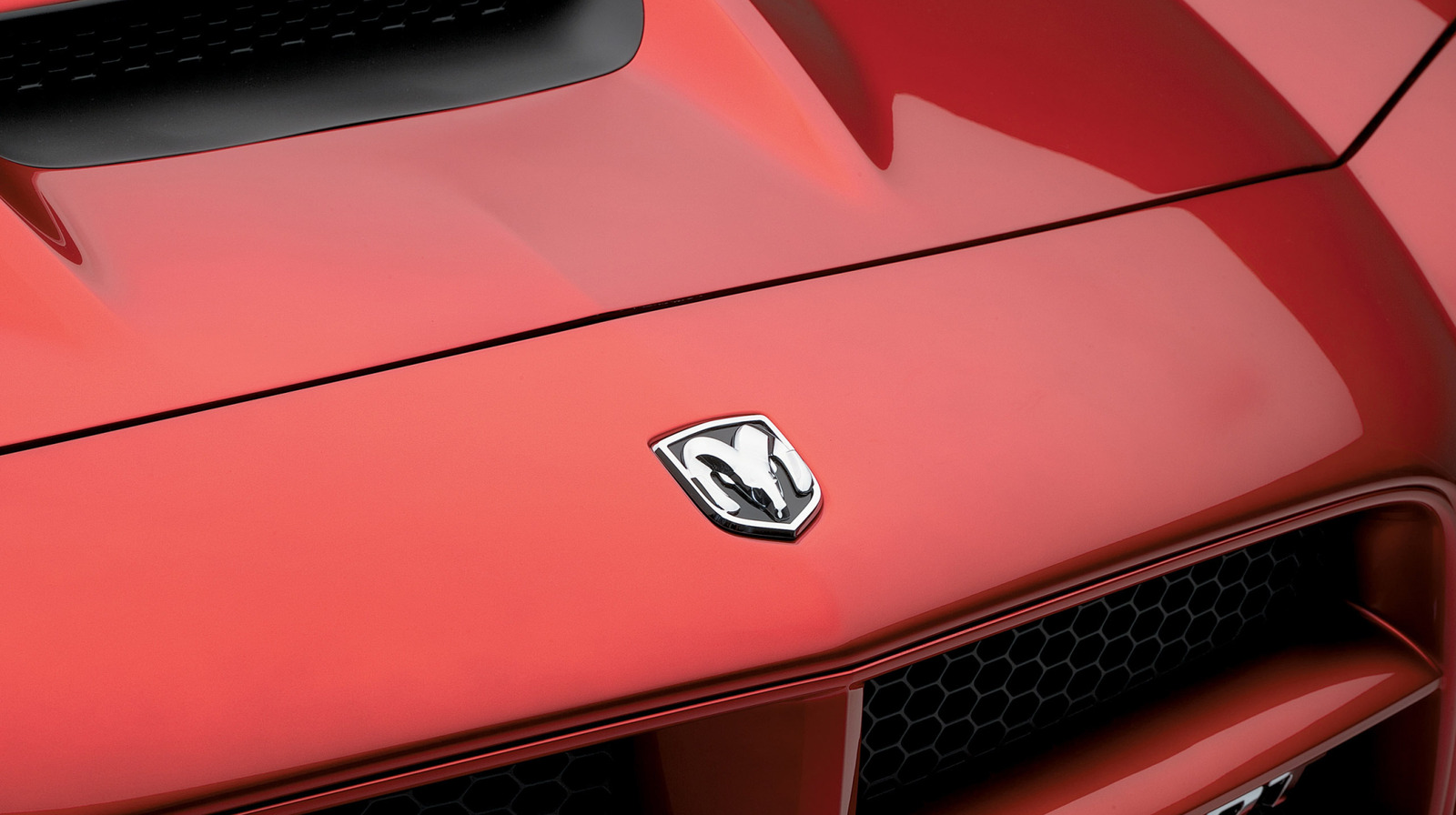
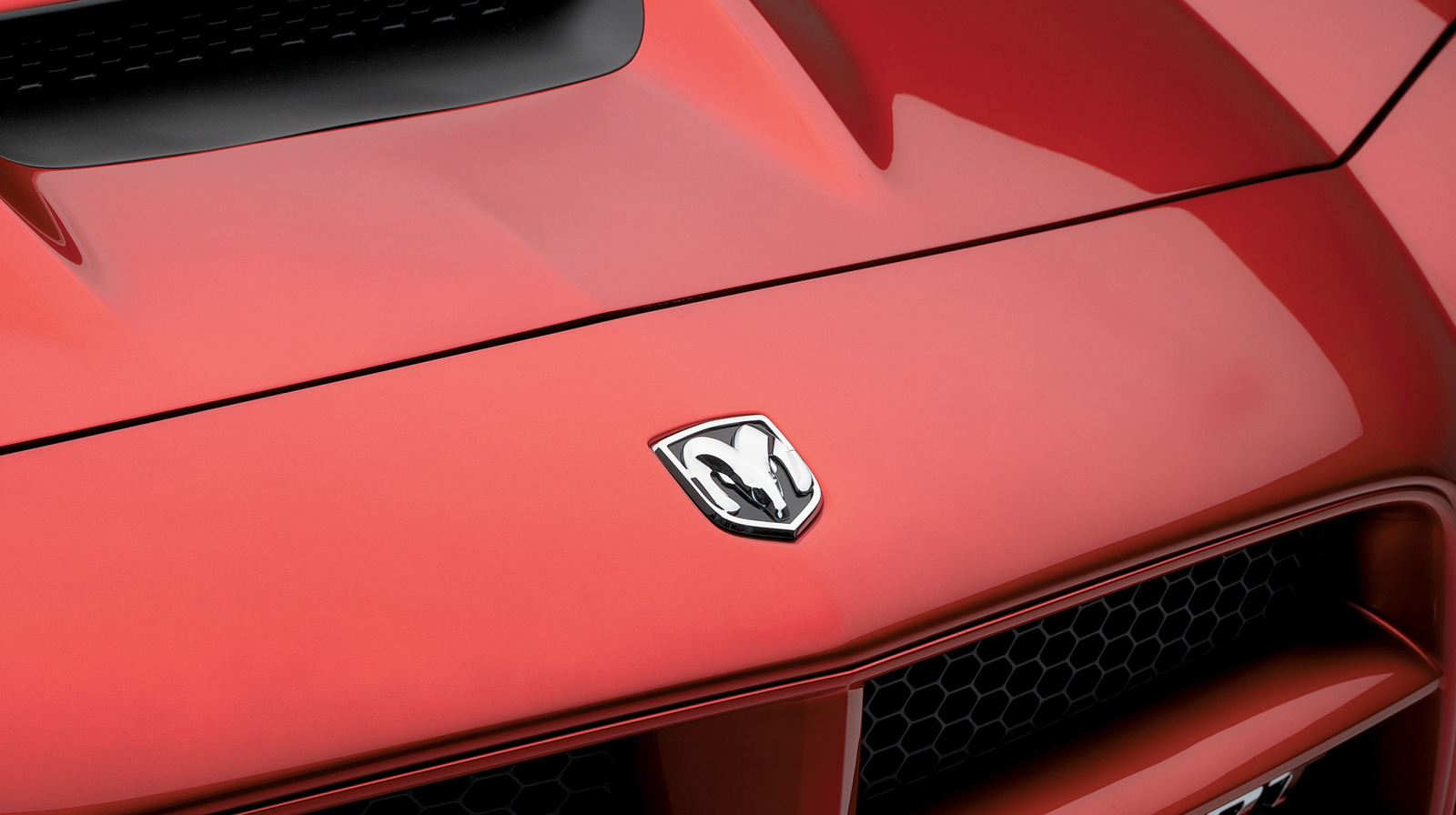
Today, when one pictures a “classic Dodge Charger”, the first image that pops up is almost certainly one of the highly desirable Charger models from the late 1960s or early ’70s. Indeed, those early muscle car Chargers are iconic, playing a starring role in the “Dukes of Hazzard” television show and, somewhat more recently, “The Fast and the Furious” films. But as time ticks on, is it time to start appreciating the modern version of the Charger as a potential modern classic?

It’s now been over 20 years since Dodge brought back the Charger nameplate for a spacious four-door sedan with an optional HEMI V8 engine. While the basic Charger R/T was a potent machine for its time, Dodge really took the Charger’s game to the next level for the 2006 model year with the debut of the Charger SRT8. 

The SRT8 model used a larger version of the third-gen HEMI V8 that, combined with other performance upgrades, transformed the sedan into a serious performance car capable of running with its 1960s HEMI ancestors at the drag strip — to say nothing of its vastly superior handling and refinement. In the years that followed, Dodge would continue to improve the Charger’s performance with larger and more powerful HEMI engines, but the significance of the original Charger SRT8 is not to be overlooked.

A muscle car legend reborn for the 2000s

Today, with the modern Charger being such an established part of the car enthusiast world, it’s easy to forget some of the controversy that surrounded its mid-2000s return. Most of it focused on the fact that the beloved muscle car nameplate had been brought back for a four-door sedan rather than a retro-styled coupe. Fortunately, those people looking for that retro coupe would be satisfied by the reborn Dodge Challenger when it arrived a few years later, while the Charger went on to become a highly popular muscle sedan in its own right.

The addition of the SRT8 model to the lineup certainly helped, of course. Under the hood was the larger 6.1-liter HEMI V8, which differed from the standard 5.7-liter HEMI in several ways, not least the displacement. With the 6.1 under the hood, the SRT8 made 425 hp and 420 lb-ft of torque, easily laying down a mid-13-second quarter-mile time in Motor Trend’s hands. This was very quick by mid-2000s standards, especially considering the now-outdated five-speed automatic transmission.

But the SRT8’s performance went beyond just the drag strip. As part of the SRT transformation, Dodge also gave the car larger wheels and tires, a retuned suspension setup, and large Brembo brakes. While this didn’t necessarily make the car an agile road course weapon, it did give the SRT8 an athleticism that belied the Charger’s weight and size. 

The evolution of modern Dodge muscle

What’s even cooler about this era in Chrysler/Dodge performance history is that the Charger was just one of the four-door LX platform cars that the automaker offered with SRT badges and a powerful HEMI engine under the hood. Apart from the Charger, buyers could also choose from the more upscale, but ultimately short-lived SRT version of the Chrysler 300C sedan or the Dodge Magnum SRT8 station wagon.

The original Charger SRT8 marked the beginning of a long run of increasingly powerful, high-performance models. In the early 2010s, the Charger SRT8’s 6.1 HEMI was replaced by the larger and more powerful 6.4/392 HEMI, with that motor eventually becoming available in the less expensive Charger R/T Scat Pack. Then, of course, came the Charger SRT Hellcat, with a 707-hp, supercharged 6.2-liter that turned the car into a genuine super sedan.

So is the original Charger SRT8 a guaranteed future classic? Classified listings show that clean examples still bring decent money today, but the fact that it was followed by improved models may ultimately limit its potential for becoming a true, mega-desirable collector car. Regardless, though, the Charger SRT8’s accomplishments in modern muscle car history are not to be taken lightly.


Source link