
With electric vehicles becoming more prominent across the auto industry, there’s a lot more that’s gone into the shift than just battery pack sizes, charging capacity, and electric motor performance. The move to EVs has also affected things like tires. EVs are often both heavier and more efficiency-focused than traditional gasoline vehicles, and that’s required tire makers to engineer new products aimed at maximizing both performance and efficiency.
While there may not be any physical limitations from putting normal tires on an EV or EV-compatible tires on a gas vehicle, there are often notable differences in design between these two types of tires. Generally speaking, tires designed for use on EVs will emphasize low rolling resistance to boost efficiency and range as well as low noise levels to avoid disturbing the quiet electric driving experience. And that’s all in addition to the longevity that all tire buyers are hoping for.
In March 2026, Michelin introduced a pair of new summer tire models aimed at electric vehicle drivers, with one tire claiming an impressive 10% boost in driving range — or as much as 43 additional miles of driving per charge. The other new tire, meanwhile, is designed for performance EVs and aims to bring high levels of handling while maintaining the focus on efficiency that you typically find in EV tires. But is this all just marketing talk? Can a simple tire change really boost an EV’s range by that much? Let’s take a look at how these tires work.
A big boost in range just from new tires?
It’s one thing to hear this kind of ambitious marketing talk from an upstart or budget tire company, but Michelin is widely considered one of the world’s best tire companies and has earned a lot of trust over its long history. So when Michelin brings new tire models to the market, it’s worth paying attention to.
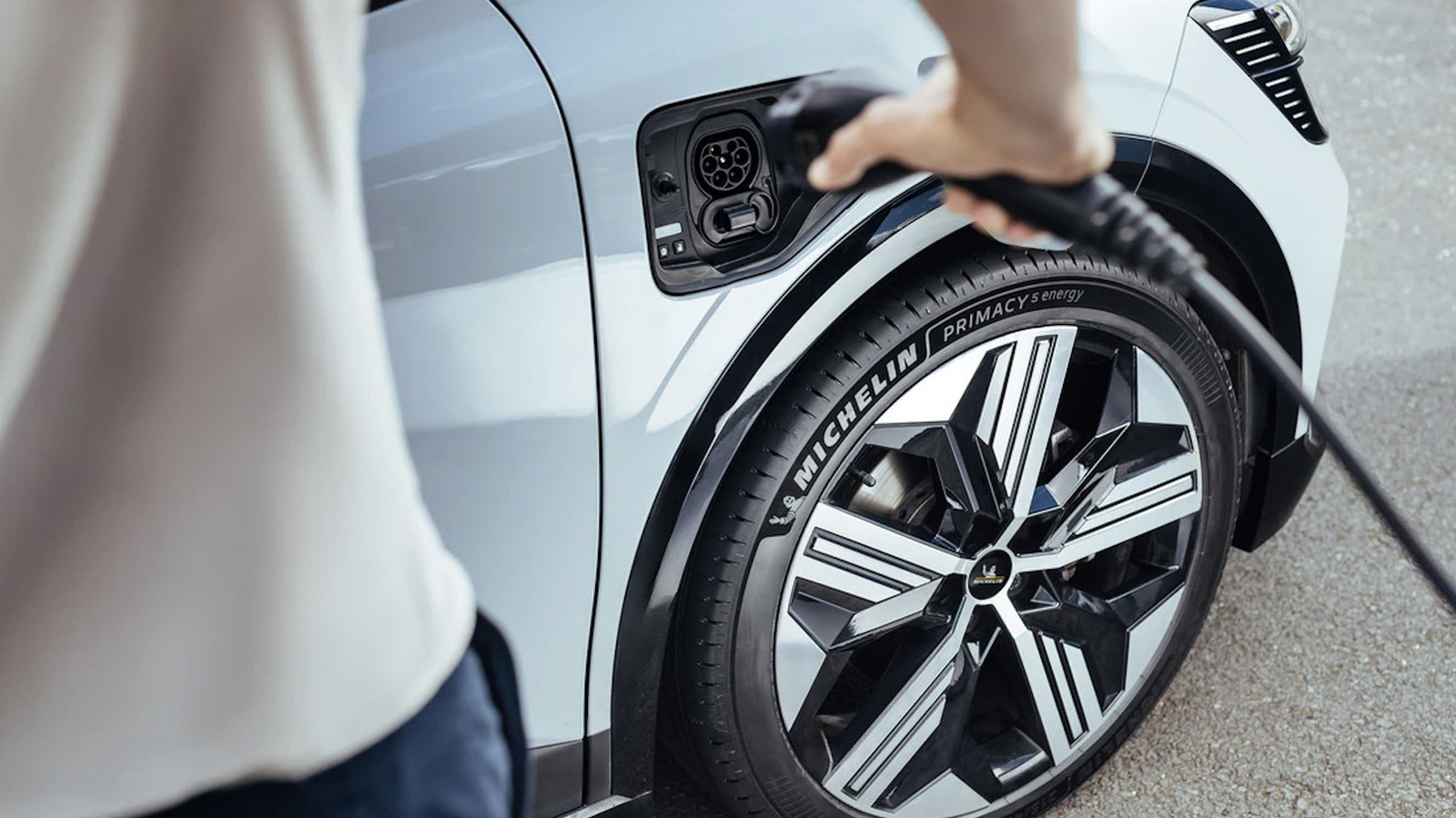
The first of the two new tires that Michelin is introducing is the Primacy 5 Energy, which Michelin says should achieve new marks in safety, longevity, and efficiency. It’s that last part that EV owners will want to pay especially close attention to. The efficiency gains of the Primacy 5 Energy come from the latest in Michelin’s low rolling resistance technology, which means a tire will require less energy to stay moving, thus increasing fuel economy on a gas vehicle and electric efficiency and range per charge on an EV.
Michelin claims that the Primacy 5 Energy receives an A-rating in rolling resistance by European standards, compared to the C-rating that other summer tires get on average. Thus, Michelin’s calculations show impressive gains in driving range per charge when used on EVs. Whether you actually get that 10% boost in range from the Primacy 5 Energy will depend on which vehicle you have, what kind of driving you do, and which specific tire model you are replacing — but the new tire certainly seems like it will be among the most efficient in its segment.
The right balance of performance and effciency?
The other new EV-oriented tire from Michelin is the Pilot Sport 5 Energy, which, as its name suggests, takes the proven performance of Michelin’s motorsport-derived Pilot Sport line and adds some of the efficiency benefits from the Primacy 5 Energy. The selling point of the Pilot Sport 5 Energy is that it earns an A-rating for rolling resistance while maintaining the sporting dynamics of a true performance tire. This could make the tire very appealing to performance EV owners who want a high-grip, long-lasting tire that doesn’t kill their driving range.
As a demonstration of the Pilot Sport 5 Energy’s performance and longevity in extreme conditions, the tire was used on the radical Mercedes AMG GT XX concept car during its world record-setting run of maintaining a constant 300 kilometers per hour for nearly eight straight days.
Making a good tire is an act of balance, and when you’re specifically looking at the EV market with its extra demand for efficiency, getting that balance right is more important than ever. We’ll have to wait and see how these two new 5 Energy-branded tires perform in the real world, but if any company has the track record and trust to make good on these claims, Michelin would be the one.

Stephan is the sports journalist for the Maple Grove Report.