My Allergy Survival Kit: 5 Products Keeping My Itchy Eyes at Bay This Spring


Every spring, as much as I enjoy the blossoming of flowers and extra greenery, I dread their effect on me: a stuffy nose, red, itchy eyes and general sinus discomfort. As a seasonal allergy sufferer, this is sadly something I’ve become used to, but in the process, I’ve built an allergy toolkit of products that help me stave off my allergy symptoms and allergy-proof my home.

Despite seeing pollen on every sidewalk in my neighborhood this spring, and considering that May is usually the worst month for allergies, I haven’t had a single allergic reaction. I think the following products are the reason why.

1. Air purifiers

I’m such an air purifier fan that I currently have two, one in each of the high-traffic areas of my apartment: my bedroom and living room. When spring allergy season starts, I typically keep them running on low to continuously catch allergens and prevent them from entering my airways. I bump them up to high whenever my allergy symptoms are particularly bad, or there are wildfires in the area, as I live in Southern California.

The two I currently use and recommend are the Oransi Mod Air Purifier and Airthings Renew.

While I’ve always known that air purifiers can capture pollutants, mold spores, allergens and smoke, I had no idea that they could prevent illness by filtering out viruses, too. During CNET’s lab testing, we found the best air purifiers for exactly that purpose: the Shark HP232 on a low fan setting and the Coway Airmega 400S on a high fan setting.

Pro tip: Make sure you change your air purifier filter regularly, or else it could spit allergens and other contaminants back into the air you breathe.

The Oransi Mod air purifier up against a beige wall, white trim and on a gray wood floor.

The Oransi Mod air purifier, which I currently have running on low in my living room.

Anna Gragert/CNET

2. A robot vacuum

As someone who is allergic to both pollen and dust, keeping a clean home is essential. To get my floors spotless, I rely on help from my robot vacuum.

While it doesn’t have a HEPA filter to minimize particles that end up in the air during vacuuming, and is an older model no longer sold, my Ecovacs Deebot X1 Omni robot vacuum still gets dust and other particles off my floors, stopping them from getting stirred up into the air. Plus, its disposable dustbin prevents me from having to manually empty allergens into the trash, where I might also inhale them. 

To mitigate particles kicked up into the air while my robot vacuum is doing its thing, I always have my windows open or my air purifiers running.

Both the Mova V50 Ultra and the Ecovacs Deebot T80 Omni robot vacuums have HEPA filters.

3. Air quality monitors 

While my Airthings Renew air purifier has a built-in air quality light that glows green, yellow or red depending on PM2.5 particle (inhalable particles with diameters 2.5 micrometers and smaller) levels, my Oransi model doesn’t, so I rely on the Airthings View Plus air quality monitor in between my living room and kitchen to keep me up to date on the status of my air in that area. 

In addition to temperature, air pressure and humidity, View Plus tracks volatile organic compounds (VOCs, airborne chemicals), carbon dioxide (CO2), radon (a radioactive gas) and fine particulate matter (PM2.5).

I also have Airthings’s compact Wave Enhance air quality monitor in my bedroom. Since the brand’s Renew air purifier sensor only measures PM2.5 particles, I use the Wave Enhance to measure temperature, humidity, air pressure, CO2, VOCs, ambient noise and light to see how different levels may be impacting my sleep. 

All of my Airthings monitors connect to an app on my phone, where I set up notifications to alert me when my air quality drops and to provide tips on improving it. The app also has a pollen forecast that lets me know when it’s time to turn on my air purifiers, but you can easily check the pollen count online or by using other apps.

The Airthings air quality monitor on a beige wall.

The Airthings air quality monitor on the wall in between my living room and kitchen.

Anna Gragert/CNET

4. A customizable humidifier

Allergies can cause inflamed, irritated nasal passages, which can be soothed with the moisture released by a humidifier. Since my bedroom tends to be dry, this is an extra reason for me to use my Levoit OasisMist Humidifier

However — and it’s a big however — it’s essential to note that by increasing moisture, a humidifier can make your space hospitable to mold and dust mites, which are allergens. To mitigate this, the American Academy of Allergy, Asthma and Immunology recommends keeping your home’s humidity between 40% and 50%. An air quality monitor or humidifier that allows you to set the humidity level, such as the Levoit model I have, can help you maintain this balance.

I’d recommend consulting your doctor or allergist to see if a humidifier is right for your specific needs. If it is, you’ll also want to ensure you regularly clean your humidifier and change its filter according to the manufacturer’s instructions. 

5. A saline nasal rinse

After a particularly awful sinus infection last spring, my doctor recommended that I use a saline nasal rinse when I notice allergy or illness symptoms, or when the pollen count is high. Specifically, she advised me to use the Arm and Hammer Simply Saline Nasal Care Daily Mist.

Allergy experts also agree that a saline nasal rinse can help prevent allergy symptoms. If nothing relieves your symptoms, speak with your doctor about allergy treatment, such as antihistamine tablets or a steroid nasal spray.

The Arm and Hammer Simply Saline nasal rinse bottle held by a hand in front of a white wall.

My trusty Simply Saline nasal rinse, which I use on high-pollen days and whenever symptoms arise.

Anna Gragert/CNET

The bottom line

Allergies are the worst. Plain and simple. But that doesn’t mean there’s nothing we can do to combat them. As a seasonal allergy sufferer, I can say that once I started using the aforementioned devices and products, my allergies became a lot more manageable. 

Now, I can actually enjoy the spring flowers instead of seeing them as the roots of my stuffy-nosed, itchy-eyed misery.


Source link

Leave a Reply

Subscribe to Our Newsletter

Get our latest articles delivered straight to your inbox. No spam, we promise.

Recent Reviews


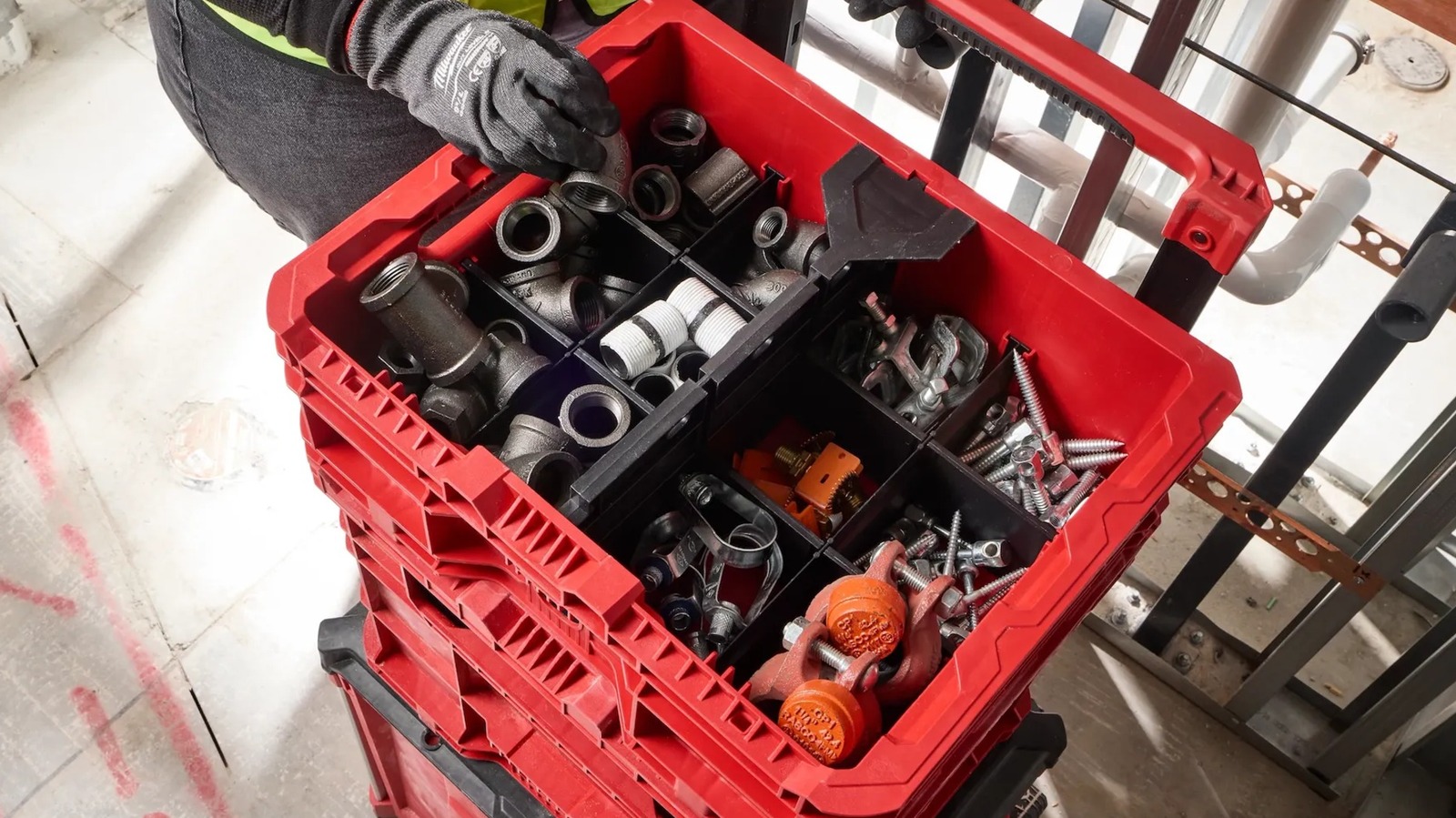
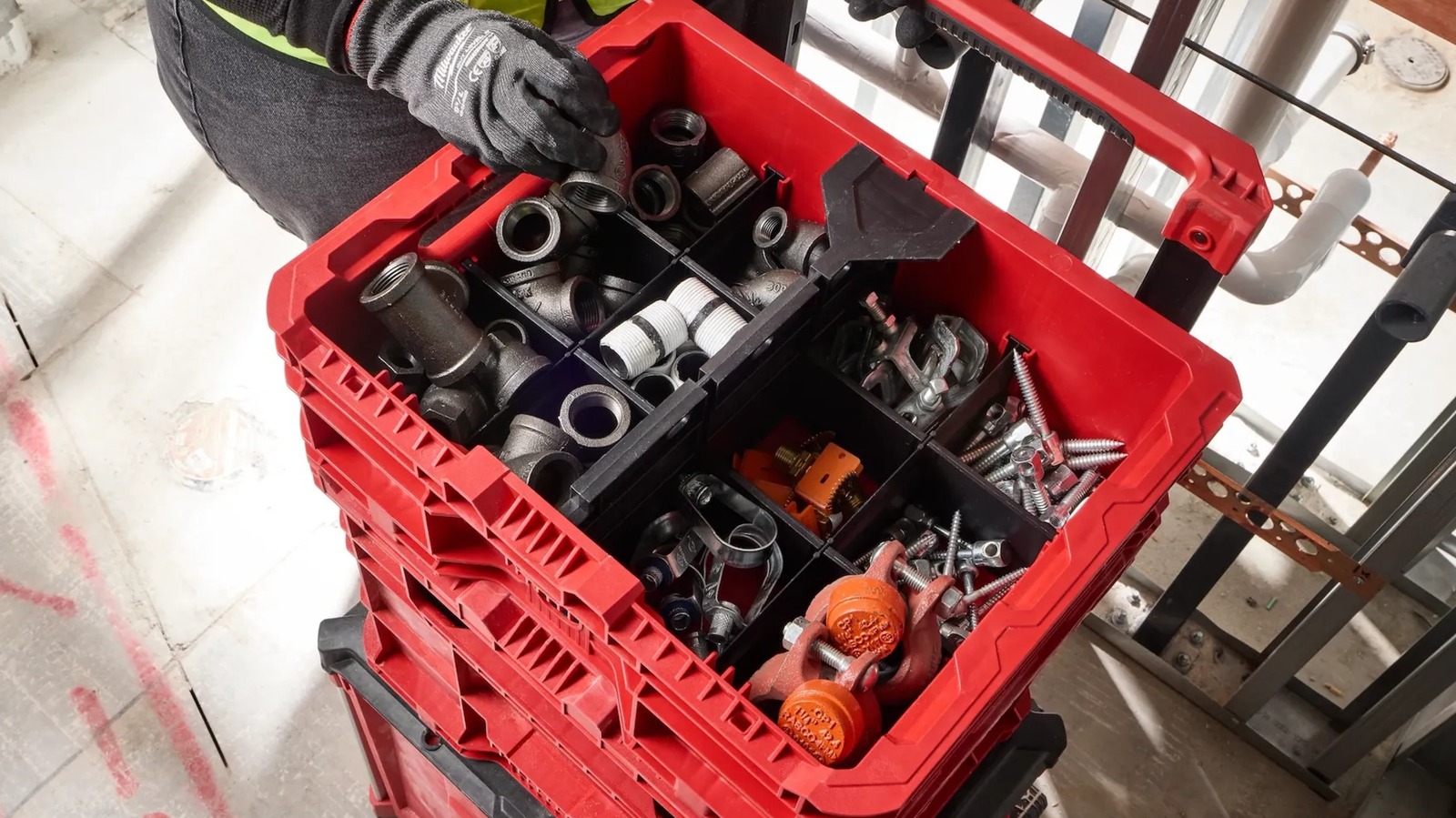
2026 has shaped up to be a big year for Milwaukee, and the company shows no signs of slowing down as it expands its product line. For example, it has announced that some solid new Milwaukee hand tools and organizers will be arriving throughout the summer, but that’s not all. At the end of the day, you need somewhere to put all of this stuff, and while the Milwaukee Packout storage system is deep and varied as is, the company will expand the line in the summer months.

More methods for organizing your tools are on the way, too, with the Milwaukee Packout line set to introduce some new entries this summer. They vary in size, purpose, and price point, but they’re all compatible with the wider Packout line. That means they can connect to each other, making transportation easier. In some cases, they’ll be able to help keep tools and other items secure and organized while on the move. Additionally, all of these new Packout products are covered by Milwaukee’s Limited Lifetime Warranty.

So, what new products does Milwaukee have to offer from its Packout line this summer? Here are the drops you can look forward to throughout June and July 2026.

Milwaukee compact crate

Sometimes, a massive Packout crate isn’t a necessity, which is why the line has its share of smaller options. Yet another will be coming to the Milwaukee catalog in the form of the Milwaukee Packout compact crate, which is set for a June 2026 release and will cost $39.97. It has a 30-pound weight capacity, comes in at 8.75 inches tall, 9.5 inches wide, 15.5 inches long, and 3.75 pounds, and includes two removable dividers to create up to three sections within the crate. The dividers can also be customized by cutting them to size along the pre-made score lines.

This compact crate features a wide front opening for easy access to its contents while on the job, as well as a metal top handle to carry it around on its own. Should you want to add it to your current Packout stack, you can use the connection points at the top and bottom of the crate. Speaking of durability, Milwaukee notes that it has an impact-resistant body along with weep holes to prevent water collection. At the same time, there is some nuance regarding the waterproof nature of Milwaukee Packout products, so keep that in mind before letting this crate get soaked.

Milwaukee Packout low-profile crate

A shorter but equally mighty Milwaukee Packout container is also on its way to customers this summer. The Milwaukee Packout low-profile crate is the shortest of the new releases at just 6.625 inches tall, though it makes up for what it lacks in height with a 15-inch length and an 18.625-inch width. Even though it’s slightly heavier than the compact crate at 4.85 pounds, it wins out in weight capacity with a 50-pound limit. It will be released in June 2026 and will cost $44.97.

For added modularity, the low-profile crate includes three different divider types: eight short, two long, and one for the middle of the container. When combined, they form up to 12 individual sections for tool and accessory organization. In terms of connecting to other Packout containers, it can do so from the top and bottom. Alternatively, built-in side handles are integrated into the design to make it easier to carry the crate on its own. The crate has weep holes for water drainage and an impact-resistant body.

Milwaukee Packout XL crate

Moving on to one of the larger upcoming Milwaukee Packout releases — even if it ultimately lands somewhere in the middle of the smallest and largest Packout containers for sale — there’s the aptly-named Milwaukee Packout XL crate. This release will hit shelves in June 2026 and comes with a $69.97 price tag. The 8.03-pound crate can take on some serious tools with its 75-pound weight capacity. It measures 15 inches tall, 15.75 inches long, and 18.625 inches wide. Despite its size, it can be hung up on a wall like most other Packout containers.

While some may hang this crate in their workshop, many will use it as part of their mobile Packout stack. You can connect it to your existing setup via the top and bottom connection points. It can also be used with Milwaukee toolbox attachments to hold smaller tools and batteries with connection points on the sides. Alternatively, you can move the crate around using its built-in side handles. It’s advertised as having an impact-resistant body along with anti-water collection weep holes. Suffice to say, there’s more to this seemingly simple crate than initially meets the eye.

Milwaukee Packout Wire Pulling XL Crate

For the most part, the Milwaukee Packout line is so popular because of its versatility. While most entries can be used for just about anything, there are those that come with a specialized function. Case in point, the forthcoming Milwaukee Packout Wire Pulling XL crate, which is designed for dispensing wire. This involves inserting and locking in spools of the user’s needed material, threading the wire through the wire retention slots, and using the fold-down panel to keep the end of the wire from rolling back into the box.

Overall, this crate has the same dimensions and weight capacity as the previously covered Packout XL crate, though it is the heavier of the two at 9.85 pounds. It can accommodate up to six spools, can be stacked onto other Packout containers or hung up, and has an impact-resistant body. This is the most expensive of the new Packout releases at a hefty $119.97, and it’s set to release during July 2026. Alongside the best Milwaukee power tools for electrical work, this crate seems like a vital piece for any Milwaukee-enthusiast electrician’s kit.

New Milwaukee Packout inserts are coming, too

That’s it for the new Milwaukee Packout containers set to debut this summer, but there are more new releases yet to cover. To pair with some of these containers and improve their levels of organization and function, come two new insert sets. First is the divider for the Milwaukee Packout XL crate, which splits the container into two sections. It simply slides down the middle of the crate and fits snugly into place, while retaining its ability to connect with smaller Packout attachments. It will be released in July 2026 for $29.97.

Alongside the Packout XL crate divider is the set of Packout wire pulling inserts for the XL crate. You’ll need these if you end up buying an XL crate and later want to use it as a wire-pulling crate. These inserts allow you to convert it instead of having to buy a new designated wire pulling crate. They attach to two of the inner sides of the crate via T-25 screws and include wire puller guards as well. The Milwaukee product listing says these inserts are meant for 1/2-inch EMT conduit. This insert set also comes out in July and will cost $49.97. 


Source link