
Want to avoid the insanity that European airports have become this year? Overnight trains used to be the expensive, niche afterthought, but they’re quickly becoming the smartest way to get around the continent without the airport chaos and airline headaches.
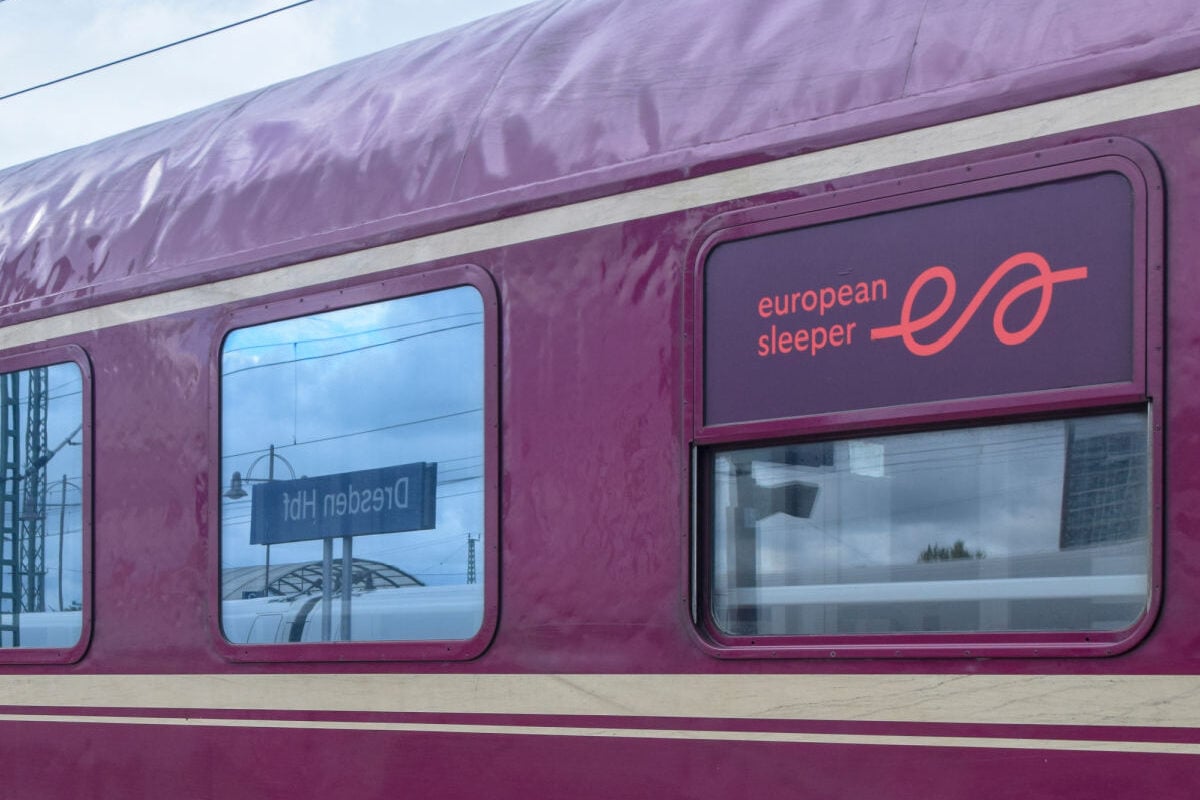
Following the success of routes like Basel–Copenhagen, Paris–Berlin, and Warsaw–Rijeka, European Sleeper has just launched a brand-new international night train linking three of the continent’s most iconic cities.
In their own words, passengers can “travel overnight and wake up refreshed, ready to explore.” No 5 a.m. hotel checkouts, no overpriced taxi rides to airports halfway across the countryside, no dragging your luggage through security, and certainly no sitting around for hours because your flight’s been delayed.
If Paris, Berlin, and Hamburg have been on your radar for a while, why not roll all three into one epic rail adventure?
From Paris To Germany’s Coolest City (Via Belgium)
This new European Sleeper night train service will connect Paris, the capital of France, of course, Brussels, its Belgian counterpart, and Hamburg, the second-largest city in Germany and a major historic port city, three times a week in both directions.
The train actually continues all the way to Berlin, with Hamburg being the latest addition to the already-existing Paris–Berlin route, but it’s the new extension that really steals the show.
The schedule is designed so you can hop aboard in the evening, whether you’re departing from Hamburg or Paris, and wake up at your destination the following morning.
Schnitzel for dinner and croissants for brekkie, or boeuf bourguignon before boarding and freshly baked pretzels for that early-morning platform snack. Your call.
Timetables & Stops
- Paris to Hamburg (Departs Sunday, Tuesday, Thursday)
- Hamburg to Paris (Departs Monday, Wednesday, Friday)
Full Timetable
Outbound (Paris → Berlin via Hamburg)
- Paris Gare du Nord (France)—departure 6:18 p.m.
- Aulnoye-Aymeries (France)—8:14 p.m.
- Mons (Belgium)—8:58 p.m.
- Bruxelles-Midi/Brussels South (Belgium)—9:43 p.m.
- Liège-Guillemins (Belgium)—11:56 p.m.
- Hamburg-Harburg (Germany)—6:57 a.m.
- Berlin Gesundbrunnen (Germany)—arrival 10:10 a.m.
Inbound (Paris → Berlin via Hamburg)
- Berlin Gesundbrunnen (Germany)—5:25 p.m.
- Hamburg-Harburg (Germany)—9:47 p.m.
- Liège-Guillemins (Belgium)—5:49 a.m.
- Bruxelles-Midi/Brussels South (Belgium)—7:09 a.m.
- Mons (Belgium)—7:59 a.m.
- Aulnoye-Aymeries (France)—8:35 a.m.
- Paris Gare du Nord (France)—arrival 11:04 a.m.
Heading to Europe this summer? Don’t forget to use the Entry Requirement Checker to double-check the travel regulations that apply to American travelers in advance.
With the new fingerprinting rules, and the pending Europe-wide travel permit that will soon apply to U.S. passport holders, there’s no time to faff around, or make costly mistakes when it comes to travel planning.
Which Category To Go For?
If you’re traveling on the European Sleeper, you should know there are 4 seat categories available:
Budget
- Setup: a reclining seat in a 6-person compartment (the usual daytime train layout).
- Included: seat reservation, toilets in the corridor.
- Not included: breakfast, snacks, and drinks, though they can be purchased separately.
- Average Price: $33 to €113 per person.
Classic (Couchette)
- Setup: 5-person compartments. During the day, they are arranged as bench seats, at night, the carriage’s host changes them into bunk beds.*
- Included: bedding (pillow, fitted sheet, blanket), 1 bottle of mineral water.
- Not included: again, breakfast, snacks, and drinks, but you can always buy them from the vendor.
- Average Price: $90 to $170 per person (or private booking of the whole 5-person cabin starting from €209).
*Women-only compartments are available.
Comfort Standard
- Setup: maximum of 3 beds per compartment (triple, double, or single occupancy options).
- Included: features upgraded compact mattresses and standard bedding. 1 bottle of mineral water.
- Not included: still no breakfast or complimentary tidbits. Sorry.
- Average Price: $135 to $239 per person (depending on occupancy).
Comfort Plus
- Setup: the most luxurious option for overnight travel. It features proper hotel-style beds (up to 3 per cabin), a private washbasin, towels, toiletries, and it can be booked as a triple, double, or single.
- Included: made-up beds, toiletries, welcome drink, and a complimentary breakfast served inside your cabin prior to arrival.
- Average Price: $147 to $296 per person (single occupancy can go up to $389)
Flexible Or Non-Flexible?
You should also know tickets are sold under three tiers:

- Easy Night (non-refundable, lowest rate)
- Good Night (semi-flexible, you only pay the fare difference in the event of a change)
- Flex Night (fully flexible up to 48 hours before departing)
For those using rail passes, such as the Eurail or Interrail, which we’ve covered in depth here, they’re valid on the European Sleeper, but you must book a seat or berth beforehand.
With the Interrail discounts, those can range from only $13 for Budget seats, up to $204 for single occupancy in Comfort Plus.
Also, we’re not sure anyone here is planning on traveling with pets or a bike, but bringing them onboard is generally not allowed, at least not for summer 2026. Pets in particular are allowed only if you reserve a fully-private compartment.
The Most Epic Three-City Loop
Paris, France
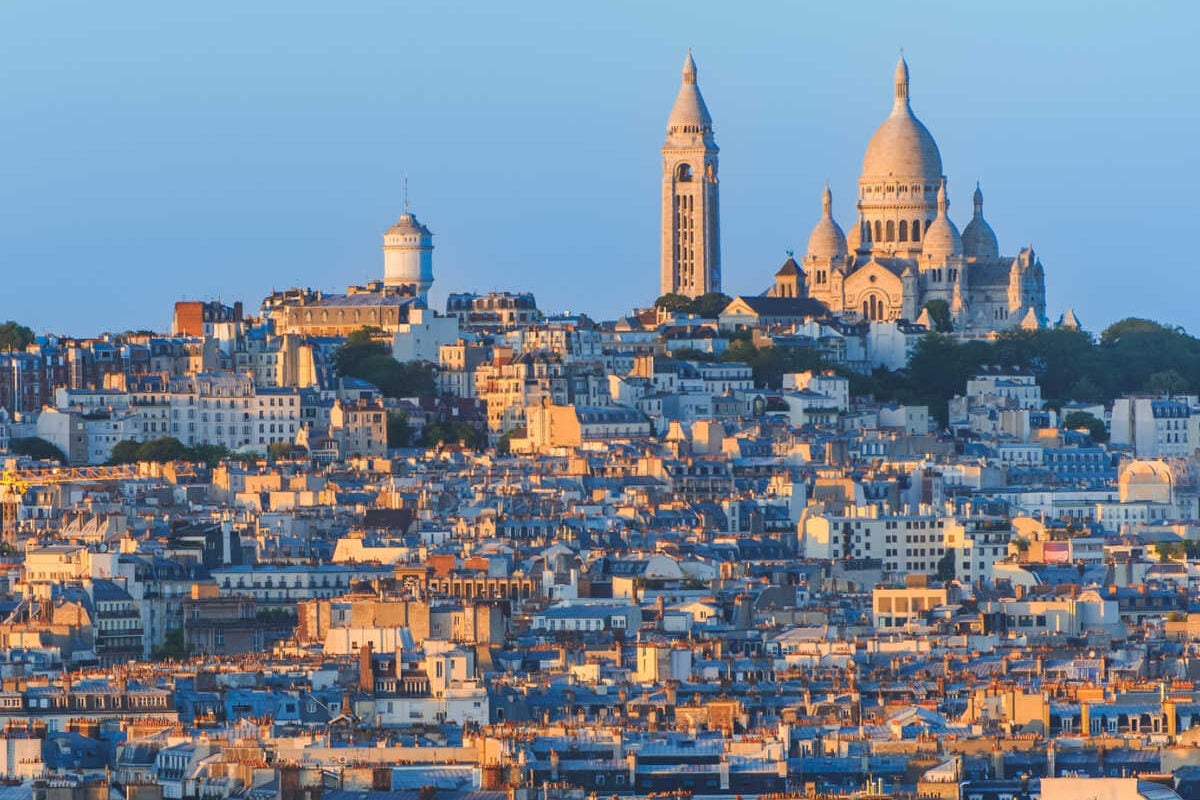
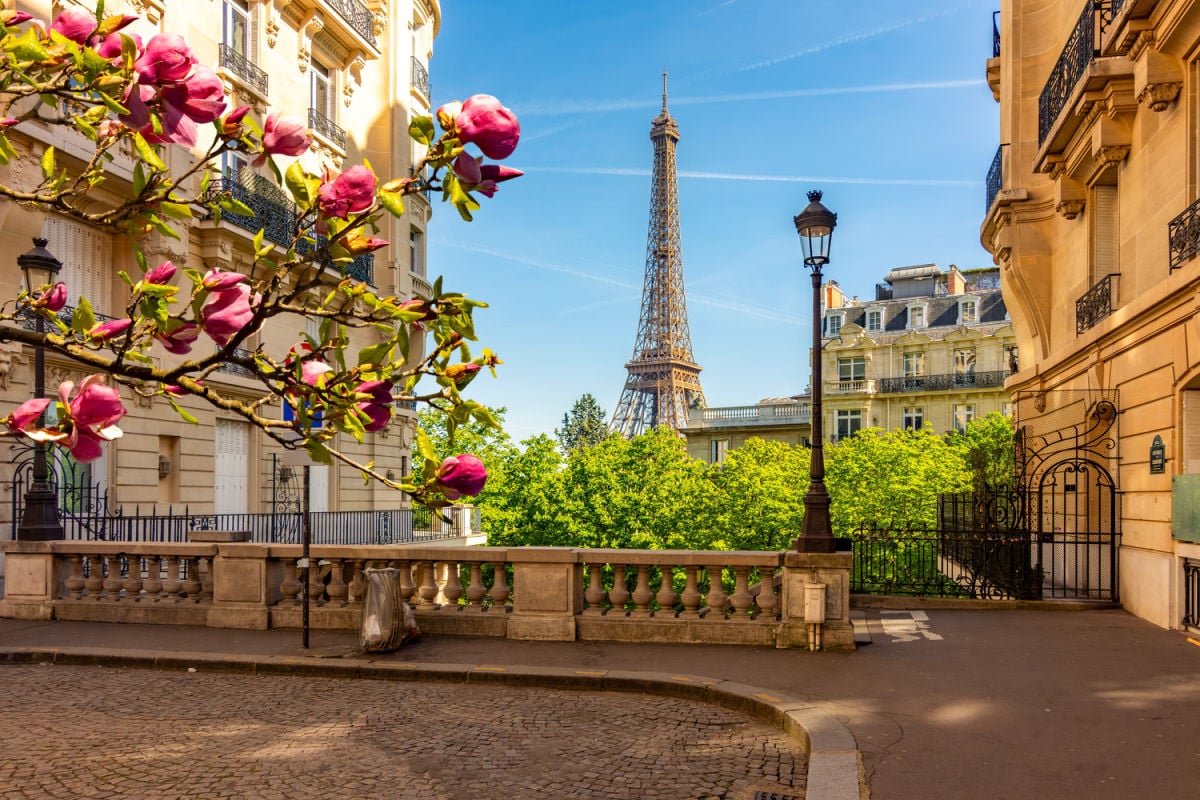
The City of Lights, the Haussmann-designed masterpiece, and the eternal playground for hopeless romantics, Paris has been written about a million times over by travel media and lifestyle bloggers. Even if you’ve never been there yourself, it’s one of those places you feel like you already know like the back of your hand.
Gross mistake.
Sure, the Eiffel Tower is impossible to miss, you’ve probably mentally mapped out every corner of Montmartre from Instagram alone, and any influencer will gladly tell you where to find the trendiest, most photogenic wine bars in Le Marais.
What you probably don’t know is that Paris has its very own Roman Colosseum.
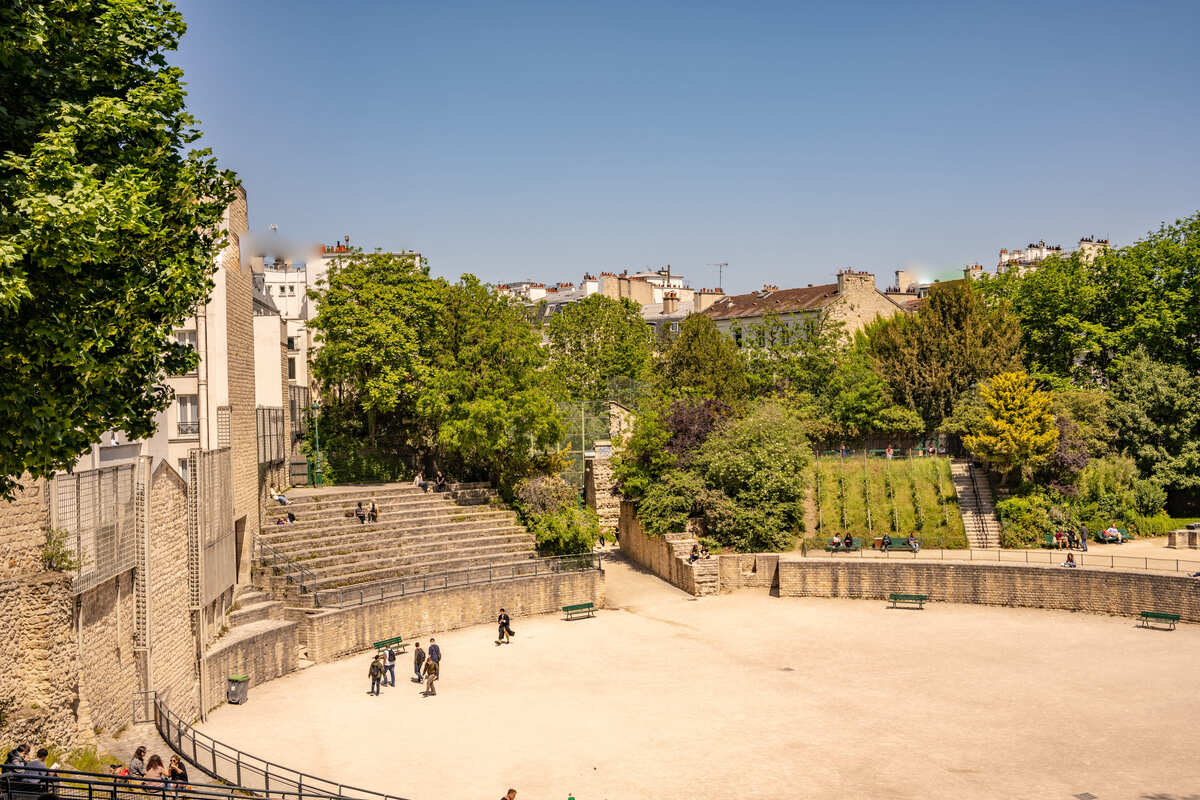
A local secret tucked away in the heart of the 5th arrondissement, the Arènes de Lutèce are a 1st-century Roman amphitheater turned public park where Parisians come to read, picnic, play pétanque, or simply people-watch while soaking up nearly two thousand years of history.
Or maybe you’ve never heard of the Coulée Verte, a beautifully landscaped elevated promenade built on a disused 19th-century railway line. Think of it as the Parisian High Line, and similarly to the New York rival, you won’t spend a single cent for those gorgeous views.
Matter of fact, you don’t need to completely deplete your savings on a Paris trip: here’s the full guide on how to do it on a budget.
Brussels, Belgium
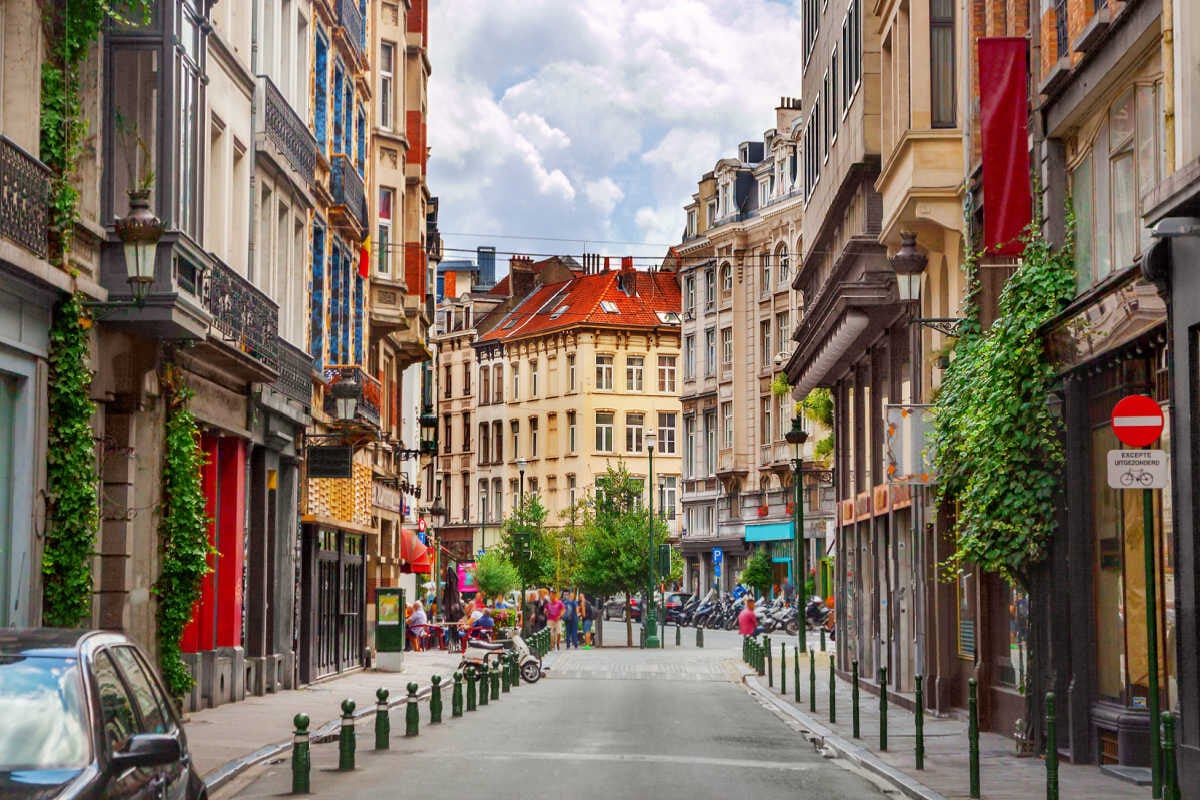
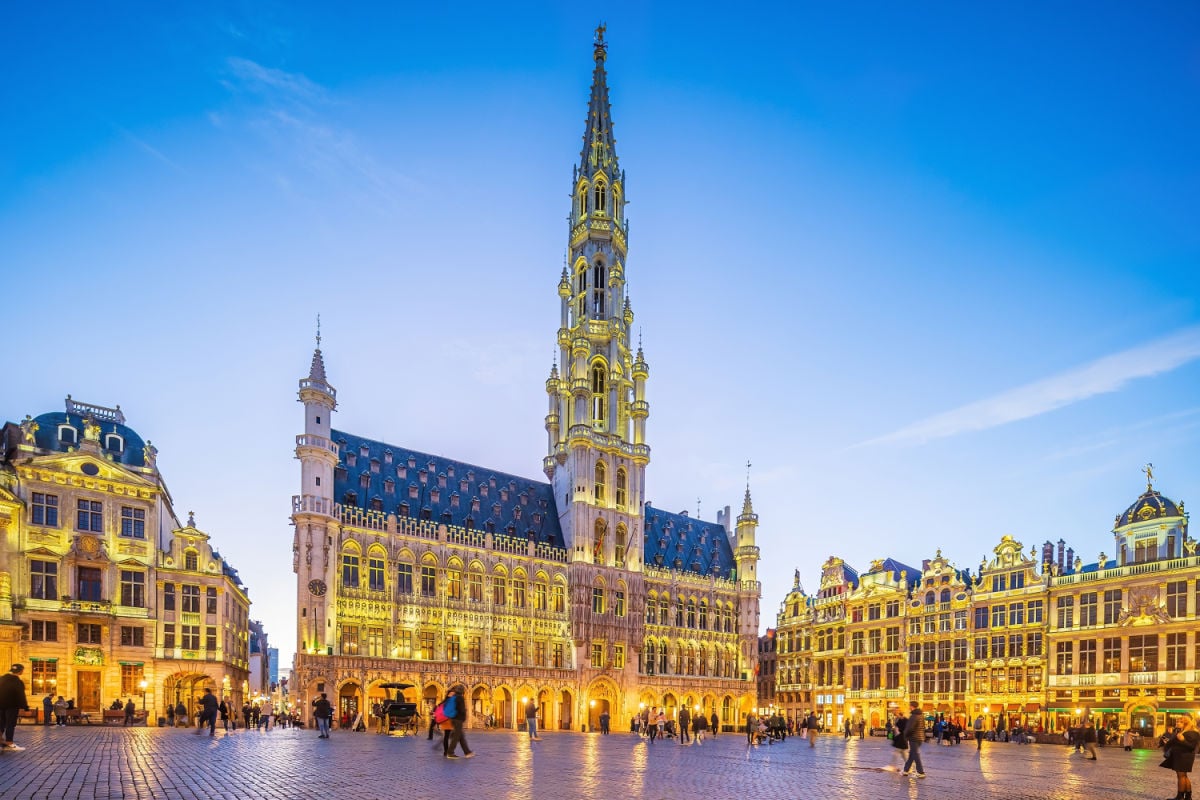
The capital of Belgium is primarily known for its postcard-perfect Grand Place, a magnificent medieval square flanked by lavish guildhalls and the ornate Town Hall, the giant Atomium that looks far more impressive than it actually is, and…
It’s a collection of quirky statues featuring a peeing boy and an equally cheeky peeing girl that are either hilariously charming or hopelessly overrated, depending on who you ask.
That’s surface-level Brussels.
The Brussels most tourists never get to see is the one hidden along the Comic Book Route, a 2-mile walking trail dotted with more than 80 giant murals celebrating legendary Belgian and French comics like Tintin, Astérix, Lucky Luke, and The Smurfs.
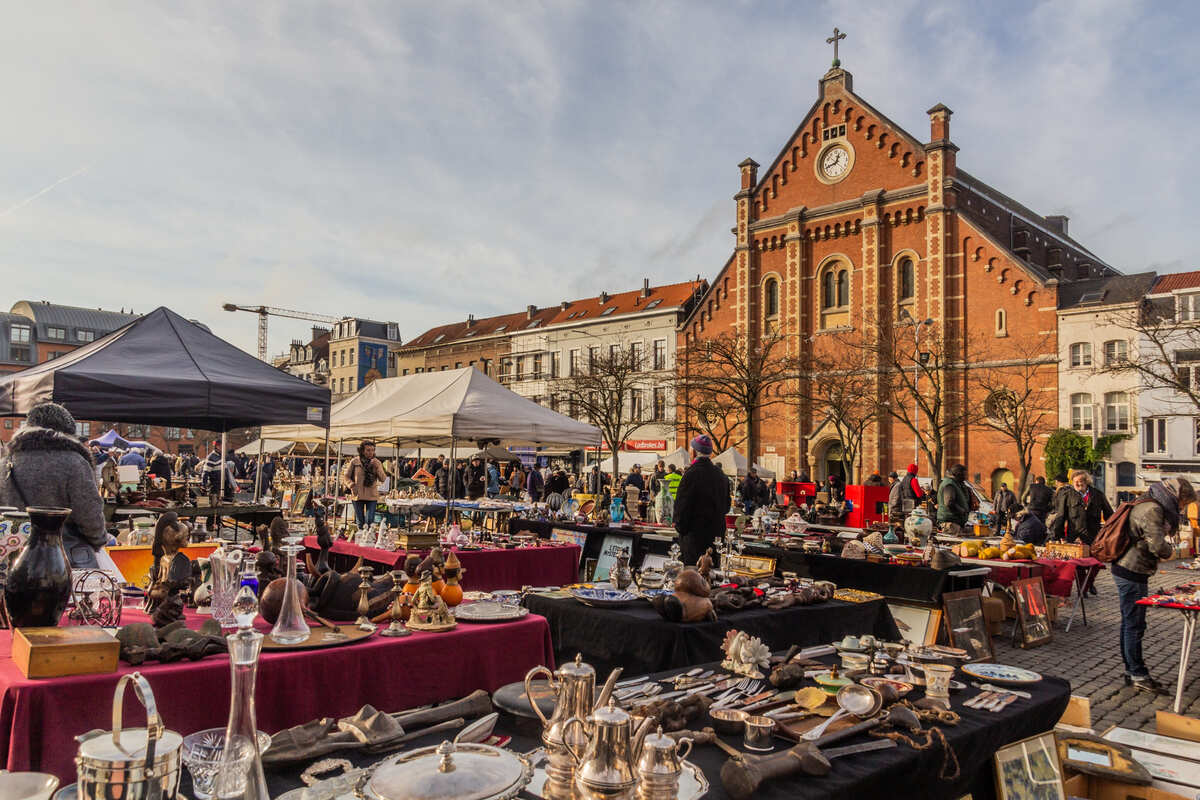
Then there’s Place du Jeu de Balle, the city’s legendary daily flea market, where you’ll stumble across Art Deco antiques, rare vinyl records, vintage leather jackets, and the sort of one-of-a-kind pieces brands like Miu Miu would happily slap a four-figure price tag on.
Brussels’ coolest neighborhood? Most visitors skip it entirely. Marolles is packed with wonderfully weird street art, excellent vintage stores, independent cafés serving flaky pastries fresh from the oven and genuinely killer matchas.
If you’re after Brussels’ best brunch, this is where you come.
And whatever you do, don’t miss sunset from Place Poelaert. Perched above the city center, it’s Brussels’ ultimate viewpoint, offering sweeping panoramas over a sea of rooftops, gleaming office towers, church spires, and the dome of the Palace of Justice, all in one spectacular view.
Hamburg, Germany
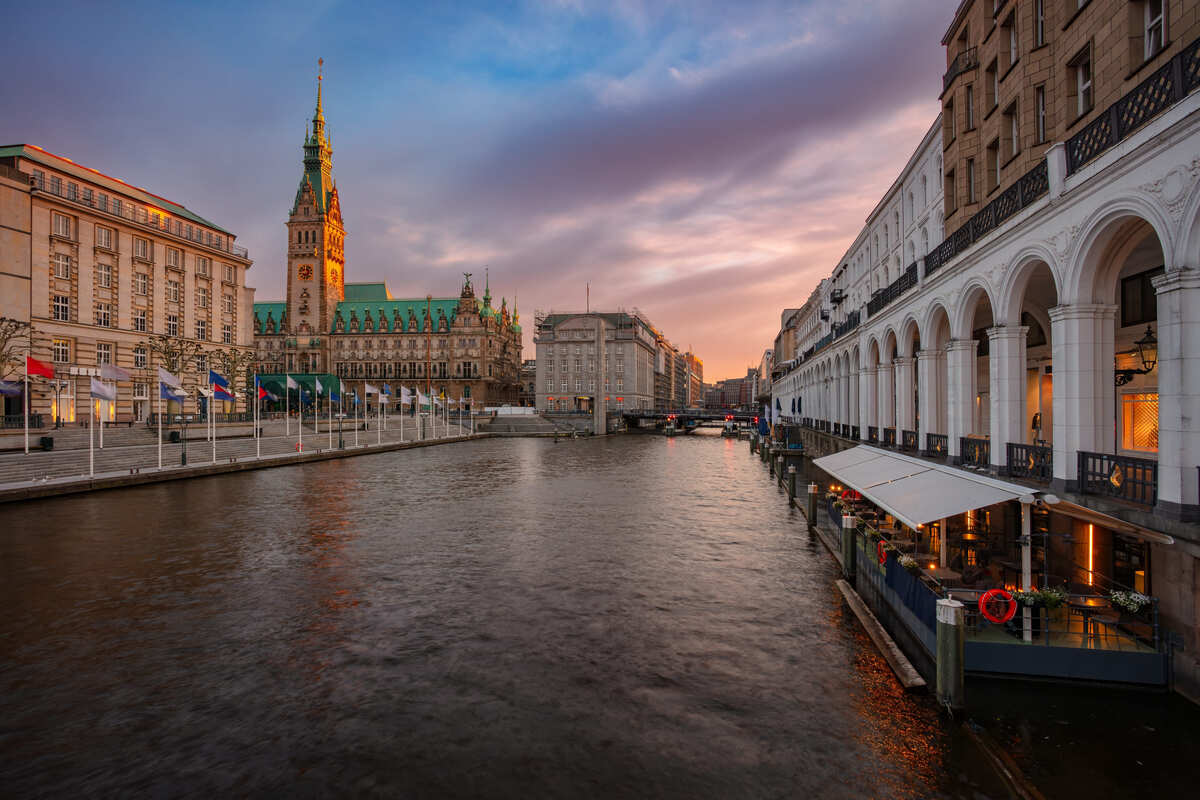
Berlin may be at the end of the line, but if you’re asking me, Hamburg is where grungy Germany truly comes alive.
It’s built around the country’s busiest port, which means it’s a city of canals, warehouse districts, elegant townhouses, and probably more bridges than Venice and Amsterdam combined.
Just don’t expect to find gondoliers in blue-and-red stripes here.
Hamburg feels less like a fairytale Old Town and more like a thriving maritime metropolis, with tramlines weaving through towering high-rises, industrial zones converted into artsy districts, packed with quirky coffeeshops and independent boutiques, and a waterfront that feels more like a global trading hub than a postcard scene.
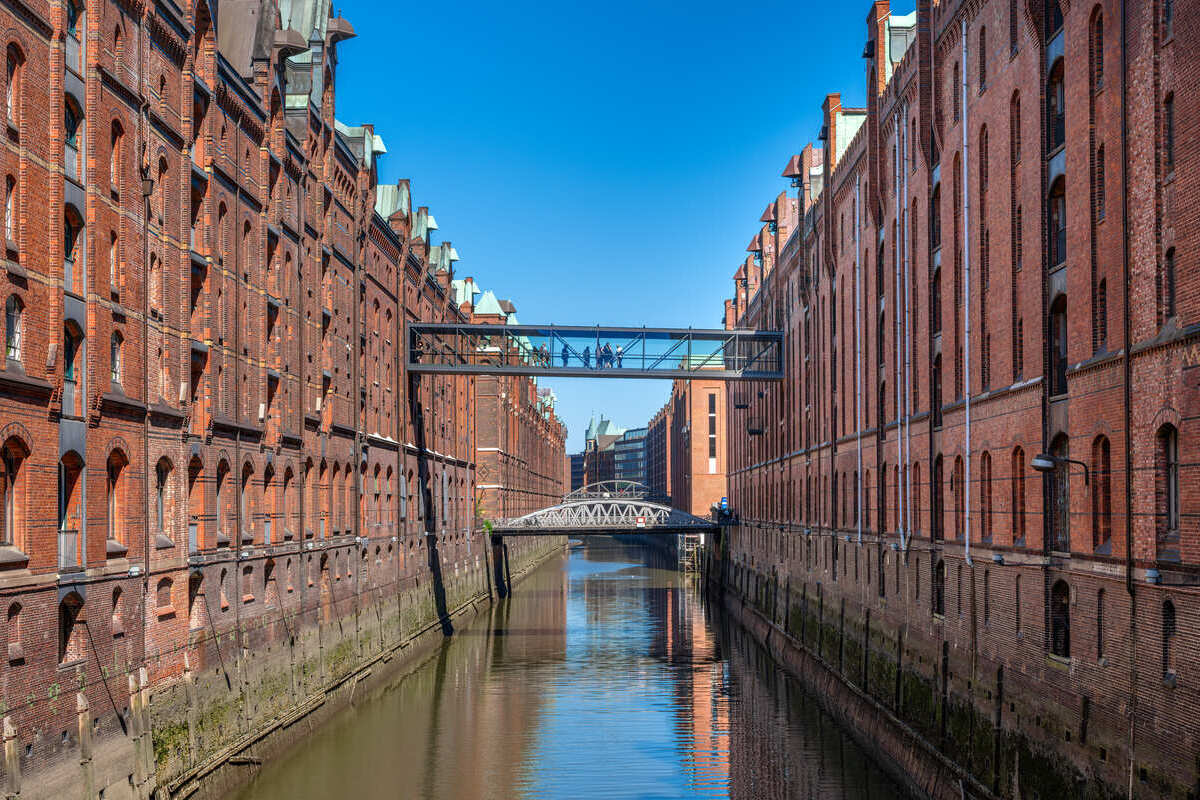
Everything revolves around the water, from the colossal container ships gliding past waterfront promenades where locals nurse Aperols in the afternoon sun, to the endless ferries weaving their way between neighborhoods like floating buses.
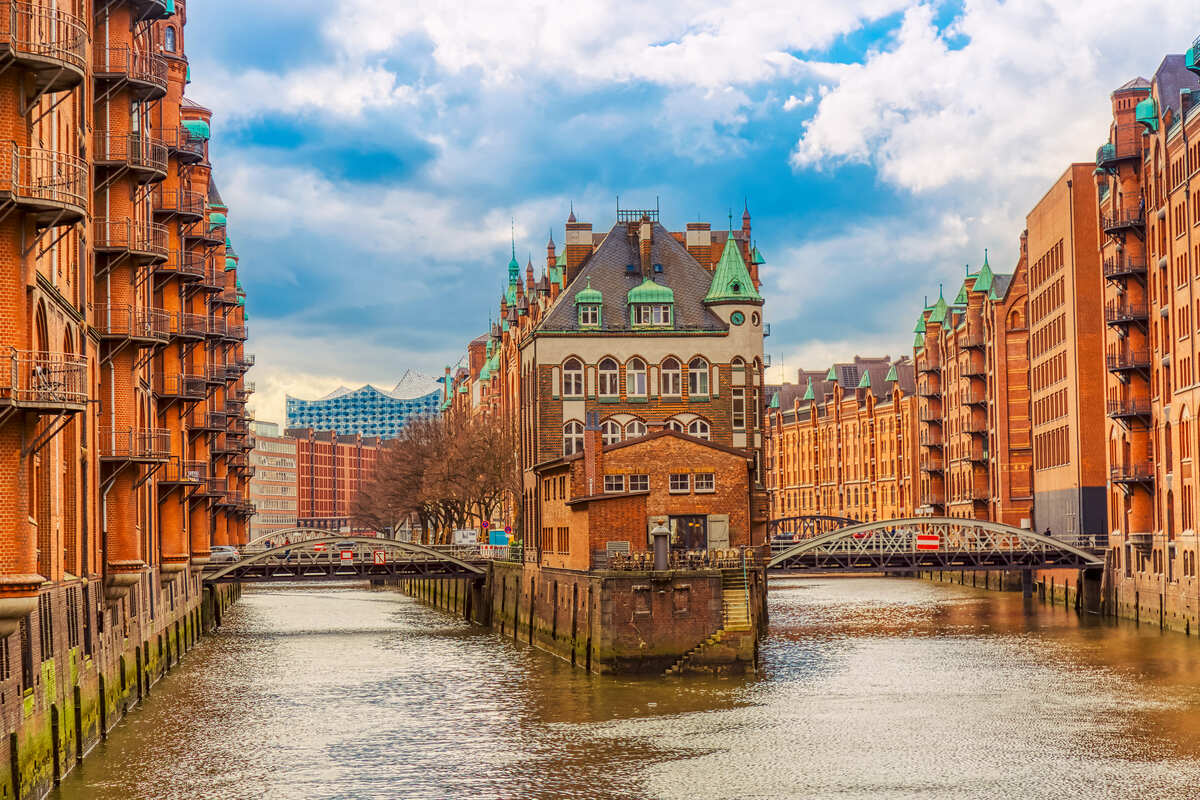
One minute you’re wandering Speicherstadt, the world’s largest warehouse district, where UNESCO-listed red-brick buildings rise straight out of the canals like industrial cathedrals, the next you’re grabbing a freshly-made fish sandwich by the Landungsbrücken before hopping aboard a public ferry that costs a fraction of what the tourist cruises charge.
If Berlin always feels like it’s desperately trying to be edgy all the bloody time, Hamburg simply gets on with life… and somehow ends up being effortlessly cool.


Stacie Harris is a local resident and reporter of the Maple Grove area. Stacie reports on medicine and science for the Maple Grove Report.