Samsung’s OneUI 8.5 beta is now rolling out to these new devices


Samsung has started expanding its One UI 8.5 beta programme. The latest test build is now reaching the Samsung Galaxy Z Fold 7.

The rollout follows months of leaks and speculation around the update, which is based on Android 16’s QPR2 release.

For now, Samsung is rolling out the beta to users in South Korea and India only, where the first build arrives as a hefty 4.2GB download. As shared on X by Tarun Vats, the Korean firmware carries version F966NKSU8ZZC5. Meanwhile, the Indian build is labelled F966BXXU8ZZC5. Both versions include the February 2026 security patch.

Moreover, the update introduces a refreshed interface and several new features tied to Samsung’s growing Galaxy AI toolkit. While Samsung hasn’t detailed every change yet, One UI 8.5 is expected to refine the visual design. Additionally, it should bring smarter AI-powered tools across supported Galaxy devices.

The company is also continuing to test the software on its latest flagship phones. Earlier today, Samsung pushed out the seventh One UI 8.5 beta for the Samsung Galaxy S25 series. This suggests the company is closing in on a stable release.

Advertisement

Furthermore, anyone with a compatible device in supported regions can sign up through the Samsung Members app. After logging in with the same Samsung account used on the device, users simply need to find the beta programme banner and register. Once enrolled, the update will appear through the usual Settings → Software Update → Download and install menu.

As with most early builds, Samsung warns that the beta may still include bugs, performance issues and stability hiccups.

In other words, you should avoid installing it on your main phone unless you’re comfortable dealing with a few rough edges while testing the latest features early.


Source link

Leave a Reply

Subscribe to Our Newsletter

Get our latest articles delivered straight to your inbox. No spam, we promise.

Recent Reviews


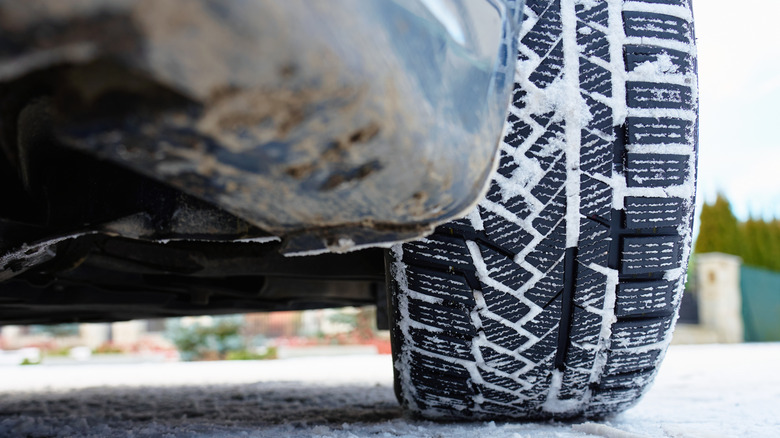
Staying safe in the winter months means being prepared for icy conditions, as winter weather sees a spike in vehicle pileups. It’s also about using the right kind of tires, which is where the 7-7 rule comes into play. This rule says that when the outside temperature drops below 7 degrees Celsius, or 45 degrees Fahrenheit, for 7 consecutive days, you should change your everyday tires to a winter model.

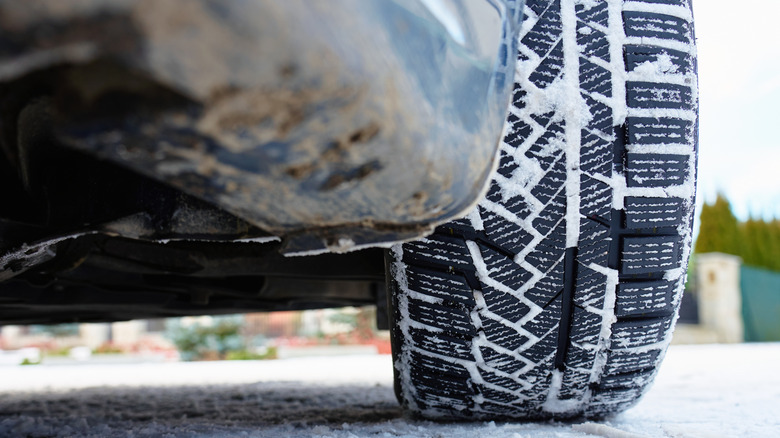
Extended cold snaps are a problem for regular seasonal tires because of how they’re designed. The rubber these tires contain becomes harder and less flexible in colder weather. When this happens, your tires’ ability to actually grip the road is reduced, which can become very dangerous in snow and ice. In contrast, winter tires are built with rubber that stays softer in cold temperatures, as well as deeper tread, which gives you better traction, and improved stopping ability. This means you have more control, which can ultimately keep you safer.

What makes winter tires ideal in cold temperatures can have the opposite effect in non-winter weather. This means that once the cold months have ended, you should switch back. If not, the tread on your winter tires will begin to wear down as the heat impacts the softer rubber. So, even with deep tread, your tires’ ability to properly grip the road can be impacted. If you’d rather not worry about the 7‑7 rule, you could use all-weather or all-terrain tires that work year-round instead.

Winter tire best practices

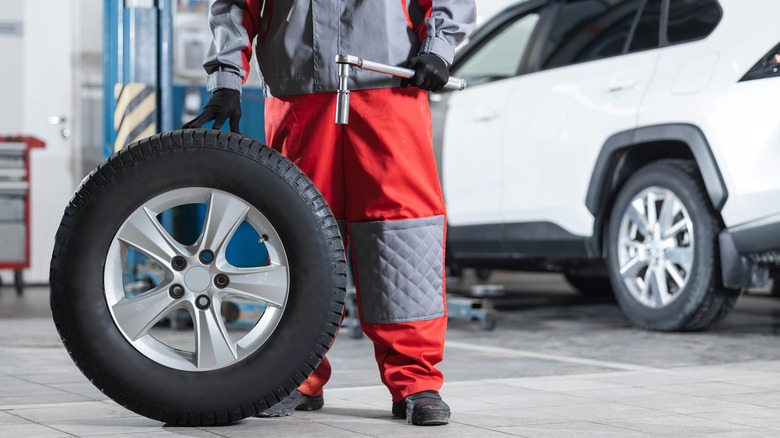
It’s important to safely store your everyday tires after they’ve been replaced by a winter set. If you’re storing them outside, Goodyear recommends protecting them in waterproof bags аnd kept off the ground. Otherwise, they should be indoors, in a cool and dry place, away from direct sunlight. If the tires are off the rim, they should be kept off the floor and stacked flat on top of each other. If the tires are on the rim, they can be stored the same way, or hung by the wheel on wall hooks.

When installing your snow tires, it’s best to use a full set. That’s because having only a pair of winter tires on the drive wheels could reduce your stability on the road. Additionally, if you’re using winter tires that don’t have the special mountain/snowflake symbol on the sidewall, you might want to consider getting new ones. The Three-Peak Mountain Snowflake symbol confirms that your tires meet industry standards for snow traction.

Even then, simply using the right tires isn’t enough, as you’ll need to check your air pressure regularly. Temperature drops can decrease tire pressure, causing you to lose your grip on the road. It can also cause uneven tread wear, which is why you should be monitoring tread depth regularly as well. Be sure to keep your tires properly rotated, and above all, be careful on the road. Winter tires can help keep you safe, but it’s up to you to drive cautiously.


Source link