
With gasoline prices hitting four-year highs and continued uncertainty about when they might come back down, many American motorists have changed up their driving habits to save money. Some drivers have simply decided to drive less, while others have tried to adjust their driving style to use less fuel. In some cases, the high cost of gas may even have encouraged some drivers to switch to more efficient vehicles.
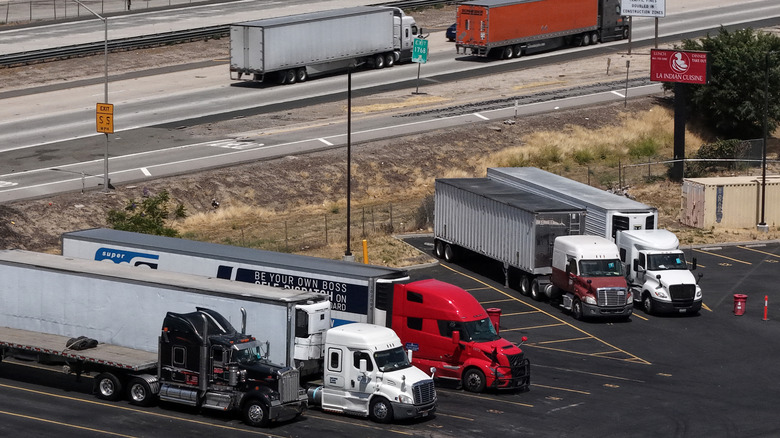
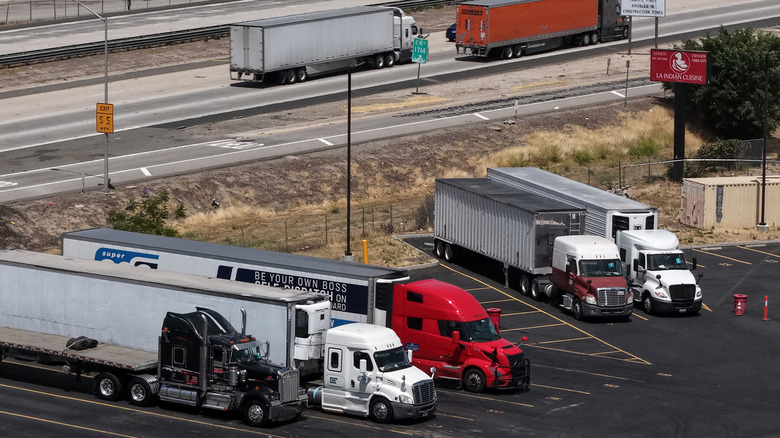
This rise in fuel prices has, of course, an even larger impact on those who drive for a living and the transportation industry as a whole. The American trucking industry has been especially hard hit by skyrocketing diesel prices, which have caused many freight carriers to raise their rates to compensate.
Like drivers of passenger cars, truck drivers can save fuel by changing how they drive, and data shows that American truckers have indeed dropped their overall speeds in response to elevated diesel prices. Trucking, however, is a complex industry, and while driving slower could help save on fuel costs, there’s more to consider than fuel consumption. Slower trucks can cause other issues for freight providers, chief among them drivers spending more hours on the road, which, in some cases, could end up costing more than they save.
What happens when diesel skyrockets in price
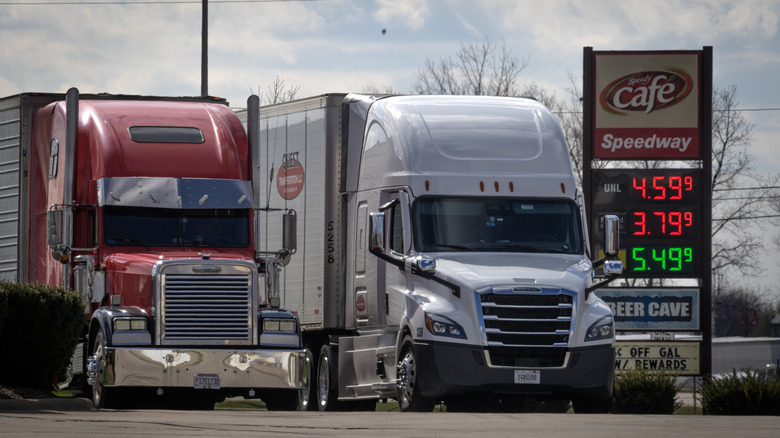
Even though diesel fuel is typically cheaper in the United States than in Europe, its prices are still much more volatile than gas and rise faster during turbulent geopolitical situations. Naturally, this has a cascading effect on the transportation industry, which relies on diesel-powered trucks carrying loads over vast distances. Eventually, the added cost of transport is likely to be felt in the prices of goods themselves.
Whether it’s an instinctive response from drivers or a dedicated strategy, during the spring of 2026, trucks slowed their speed on American highways by about 4%. For semi trucks, a slightly slower highway speed between 55 and 60 mph is said to be the sweet spot for fuel savings. As you’d expect, owner-operators who fuel their own trucks are more likely to slow their speeds compared to drivers who work for large retailers, which cover the cost of fuel.
Some highway freight providers have decided that the fuel savings from reduced speeds are worth the slightly longer delivery times, which they feel won’t substantially impact their business. However, some experts have warned that slower travel speeds could come with significant trade-offs and hidden costs.
There’s more to trucking than fuel costs
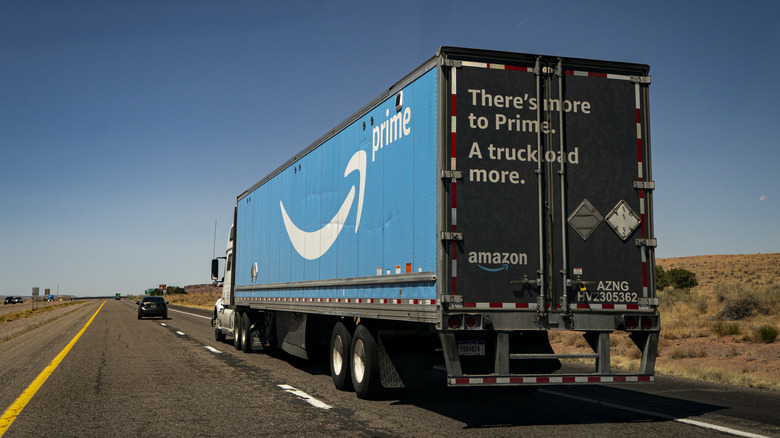
Driving slower will reduce fuel consumption, sure, but time spent on the road is also a crucial aspect of the trucking industry. For a truck driver who is paid per mile traveled, slower speeds mean they’ll end up working more hours to cover the same distance — which isn’t particularly desirable.
Beyond that, there are strict rules that dictate the amount of time truckers can spend on the job — and those working hours often include other things beyond just logging miles on the open highway. For example, if there’s a delay in picking up a load or other issues at distribution centers or freight yards along the route, slower speeds could further compound that time crunch, ultimately costing providers more in man-hours and delays than they save.
Whether truckers decide to drive more slowly on the highway — potentially resulting in longer deliveries and more hours on the road — or pass increased fuel costs on to clients and eventually consumers, it’s safe to say that they all hope that high diesel prices are temporary. For the trucking industry as a whole, the sooner that fuel prices go down, the sooner things can get back up to speed, both literally and figuratively.

Stephan is the sports journalist for the Maple Grove Report.