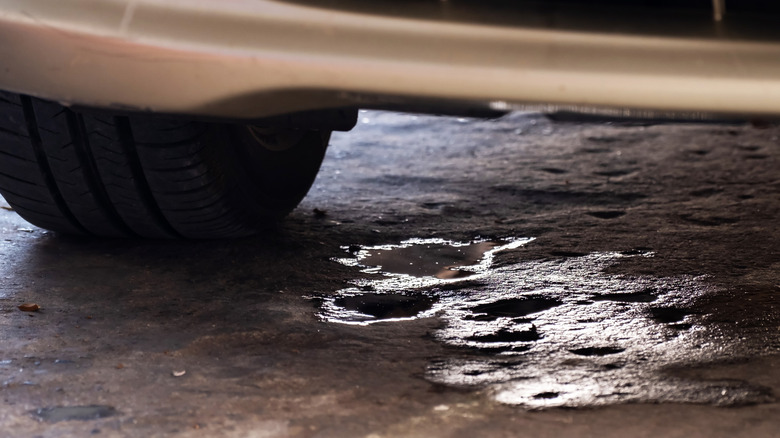

All modern vehicles are filled with different types of fluids, from motor oil and transmission fluid to coolants and power steering fluid. These liquids each serve a specific purpose, whether that be lubricating the car’s moving parts or absorbing excess heat. Given that fact, it’s best that those liquids stay inside the car to fulfill their purpose, unless, perhaps, it’s water coming from your exhaust. If you do see stains or colored puddles of liquid beneath your vehicle, it will probably warrant an immediate visit to your local garage.
Fluid leaks can easily lead to repairs that can cost anywhere from a few hundred dollars to thousands of dollars. Oil leaks, for instance, can cause all sorts of problems, including a massive drop in your engine’s performance, overheating, and even complete engine failure. Brake fluid leaks, on the other hand, can make your car unsafe to drive, while transmission leaks can lead to costly repairs or replacements. Considering that a slow trickling fluid leak can be a source of frustration for most of us, it’s quite important that you know how to prevent them. One of the most effective ways to do so is to routinely inspect and replace worn-out parts on your vehicle.
Regularly check and replace worn-out parts
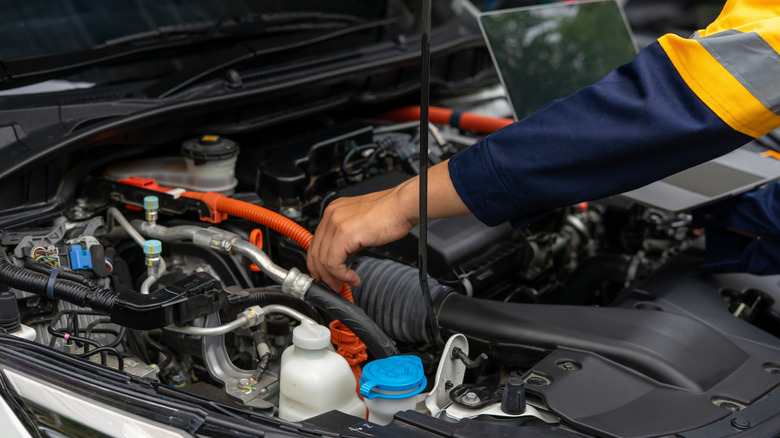
In many cases, your vehicle’s age is to blame for fluid leaks. After all, if you’re a daily driver, it’s not uncommon to find minor or major signs of wear and tear on gaskets, hoses, seals, and fluid lines. Radiators and transmission pans can also degrade over time, and they can easily turn small leaks into serious issues if left unchecked. For these reasons, you’ll want to make it a habit to routinely inspect and replace any damaged parts.
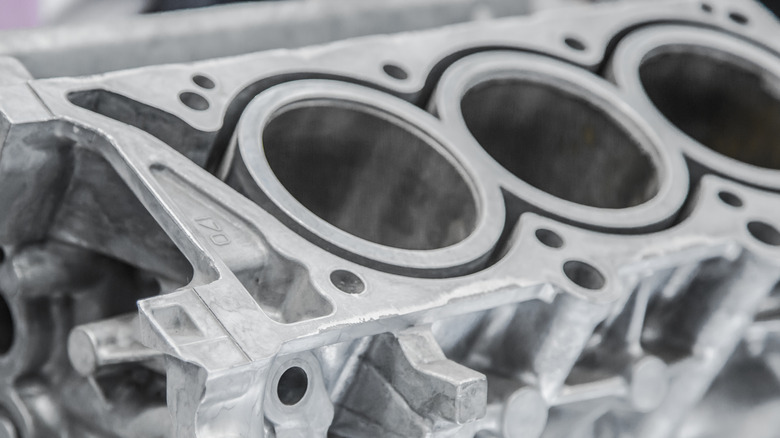
If you are comfortable performing an inspection yourself, start by checking the engine bay. Be sure to take a look at components like the oil pan, transmission seals, and radiator, which experience a lot of heat and pressure. As part of your inspection, check the fluid lines and hoses for cracks, brittleness, bulges, and soft spots. These are often some of the items to fail first, especially in high-mileage cars. You’ll also want to have your gaskets inspected. While they are built to withstand harsh conditions, they are one of the most common sources of oil leaks.
Don’t forget to check if your Positive Crankcase Ventilation (PCV) valve is dirty as well. Not only will a clogged PCV illuminate your check engine light, but it can lead to oil leaks. It’s also wise that you keep tabs on all fluid levels and conditions. If your oil, coolant, or transmission fluid seems contaminated, old, or contains grime, that’s a pretty solid sign they need to be replaced. Of course, if you feel overwhelmed by performing this inspection yourself, you can always take your car into the shop to have it done.
Other ways to prevent fluid leaks
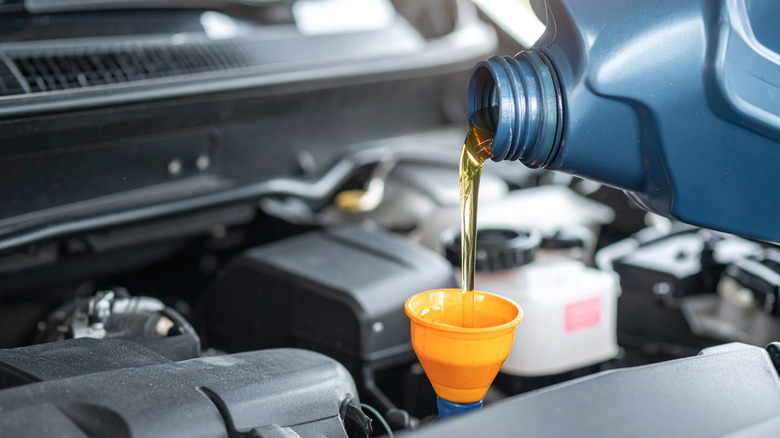
Beyond inspections and replacing worn parts, keeping up with routine maintenance can go a long way in protecting your vehicle. That means not putting off routine fluid changes for too long, as it can wear out your vehicle’s components and lead to leaks. Plus, doing things like changing your car’s transmission fluid, replacing the air filter, and flushing the coolant allows you to inspect your engine bay for leaks and damage.
If you want to change the fluids yourself, be sure to consult your car’s manual or a mechanic before you open up your hood. Different types of coolants, transmission fluids, and oils are better suited to specific vehicles. Filling your car with the wrong type of oil or coolant will not only lead to fluid leaks but can also cause extensive engine damage. You’ll want to avoid overfilling fluids as well. It might seem harmless to top off your motor oil slightly above the recommended level, but doing so can cause a sudden pressure and heat buildup that can damage the gaskets, seals, and even the engine.

Stephan is the sports journalist for the Maple Grove Report.