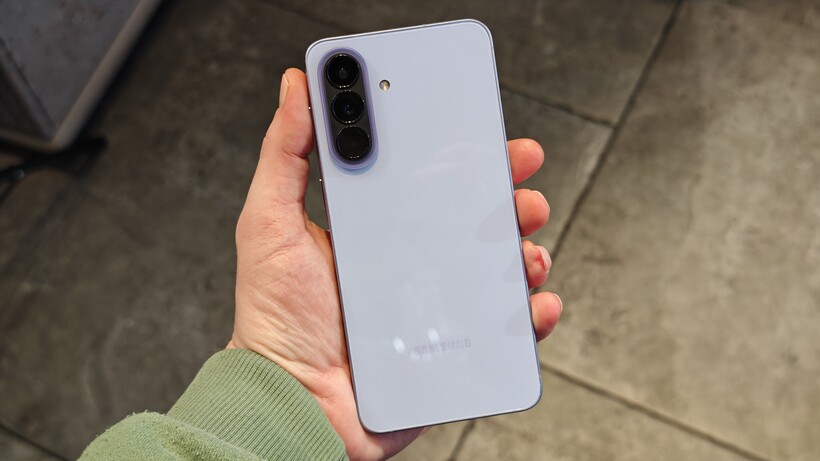

Samsung might finally be giving power users the mid-point Galaxy they’ve been asking for – but in classic Samsung fashion, it’s also at risk of turning an already confusing lineup into an even bigger headache.
With the Galaxy S27 Pro tipped to bring plenty of Ultra-grade hardware without the bulk or S Pen baggage, yet sit alongside rather than replace the S27 Plus, Samsung’s 2027 flagship family could end up with four models all fighting for your cash.
Samsung is working on a new flagship Pro variant
The idea of a Pro-branded Galaxy S isn’t new. Before Samsung decided to work on, and then hastily cancel, the ultra-thin S26 Edge that was supposedly going to replace the S26 Plus, rumours of a Galaxy Pro were swirling. And, like with the Edge that never materialised, that was also going to replace the Plus model.

Well, it looks like Samsung is looking to revive the Pro-level Galaxy with next year’s S27 range if recent reports are to be believed. It’s said that the new Galaxy S27 Pro could bridge the gap between the regular and Ultra phones more effectively than the existing Plus model, with the S27 Pro tipped to share many of the Ultra’s key specs.
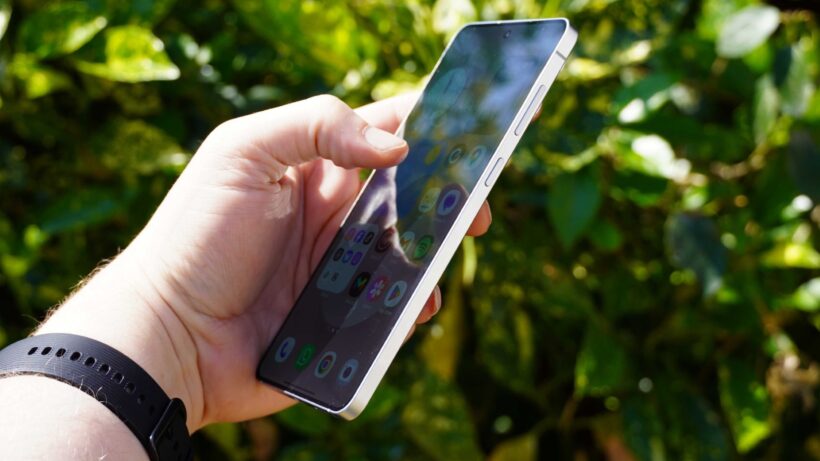
That includes not only a seriously upgraded camera system with both the Ultra’s 200MP main and 50MP 5x periscope lenses, but Samsung’s (absolutely fantastic) privacy screen tech introduced on this year’s Galaxy S26 Ultra.

It won’t be a carbon copy of the Ultra, of course, with current whispers suggesting that the Pro model will be smaller than the Ultra (though whether it’ll be 6.7 inches like the Plus or smaller remains to be seen), and it won’t support the S Pen.
Considering the Ultra’s massive 6.9-inch screen is too big for some, and there are plenty of people – including existing Ultra owners like myself – that don’t care about or ever even think about using the S Pen, it seems like a pretty good compromise overall.
A new phone in the S27 line-up, not a Plus replacement
That rumour, by itself, sounds great; the Galaxy S26 Plus is arguably the most uninspired of the current batch of flagships with practically no real changes compared to its predecessor, and for £1099/$1099, there are plenty of more capable phones around – not only in terms of processing grunt but battery life, charging and camera tech.

Just look at the Oppo Find X9 Pro to see what I mean; despite the same price tag, you’re getting a massively upgraded Hasselblad-branded camera setup with a 200MP zoom lens, a huge 7500mAh battery and 80W fast charging. In my mind, there’s no competition as to which phone has the better hardware.
But compared to a theoretical S27 Pro with the aforementioned rumoured spec at the same price? That then becomes a much harder choice.
However, the rumour goes on to explain that the S27 Pro isn’t a replacement for the S27 Plus as some had previously assumed or, in my case, hoped. Instead, the S27 Pro will be an entirely new addition to the range, sitting somewhere between the Galaxy S27 Plus and S27 Ultra – and I must admit, I am surprised.
The Plus Problem
I think you can already tell that I’m not the biggest fan of the S26 Plus. It’s a fine phone that’ll tick boxes for people that don’t really care all too much about, well, phones, but it just doesn’t offer the same bang for the buck as the competition. And that’s with features – like its QHD+ resolution and faster wired charging – that try to bridge the gap between it and the Ultra.

In my mind, it just doesn’t do enough; if you want an affordable Galaxy phone, get the S26, and if you want the all-singing, all-dancing flagship, get the S26 Ultra. At £1099/$1099, the Plus is only £180/$200 less than the Ultra, and while that is definitely a significant sum of cash, I feel like you could probably squeeze out the extra if you’re already dropping over a grand on a smartphone.
Especially when the upgrades between the two are significant, and apply across the board. That extra £180/$200 will net you not only a vastly more capable camera system with a higher-res main camera and more capable zoom lenses, but a bigger, more advanced screen with an anti-reflective coating and built-in privacy tech to keep prying eyes away, a bigger battery, a faster processor (in the UK at least) and the S Pen.

Compared to the S26, the Plus offers a bigger screen, a slightly larger battery and faster charging, and that’ll cost you £220/$200 more than the entry-level flagship. Is that really worth that much when you can get so much more jumping from the S26 Plus to Ultra?
To be fair to Samsung, it’s not alone in its Plus plight; even the mighty Apple struggled to sell consumers on the idea of a Plus model that acts as a bridge between its smaller entry-level flagship and its Pro and Pro Max-level devices.

Apple tried it a few times – first with the iPhone 14 Plus, and then the iPhone 15 Plus, and finally the iPhone 16 Plus – and after it failed to meet sales expectations, it was canned. And, to be honest, the modern iPhone line-up is all the better for it.
It’s much simpler for unfamiliar buyers to get to grips with; if you want the standard iPhone experience, get the iPhone 17. If you want the Pro-level experience with seriously boosted hardware, go for the 17 Pro. And if you want the ultimate big-screen experience, get the Pro Max. There’s no Plus model muddying the waters here.
A recipe for price hikes
In my mind, it’s clear why Samsung won’t ditch the Plus for the Pro: it’s so it can charge more money, not only for the Pro but potentially for the Ultra too.
To refresh your memory, the S26 costs £879/$899, the S26 Plus comes in at £1099/$1099, and the S26 Ultra will set you back £1279/$1299. There isn’t that much of a gap between the Plus and Ultra, as we’ve established, so it looks like Samsung is going to have to make some room.

It can do that in one of two ways. The ideal option would be to simply drop the price of the S27 Plus to £999/$999 to make space for the S27 Pro at the Plus’ old £1099/$1099 price point – that would at least match what Apple’s offering with its Pro-branded iPhone, while also making the S27 Plus a potentially more tempting option.
The second, and in my opinion more likely, option is that the S27 and S27 Plus will stay at the same price points as their S26 brethren, with the S27 Ultra instead getting a price increase to make way for the Pro model.
It could even be that the Pro replaces the Ultra’s £1279 price tag, with the Ultra potentially going up to (or even beyond) £/$1400. That price is just speculation on my part, of course – it all depends on how much value Samsung places on Ultra-exclusive features – but it won’t be that close to the Pro’s price, wherever it sits.
So yes, while the Galaxy S27 Pro will likely bridge the gap between regular and high-end models of Samsung’s 2027 Galaxy lineup in a much better way than we’ve seen so far, the presence of the S27 Plus could seriously complicate things for everyone involved.

Stephan is the sports journalist for the Maple Grove Report.