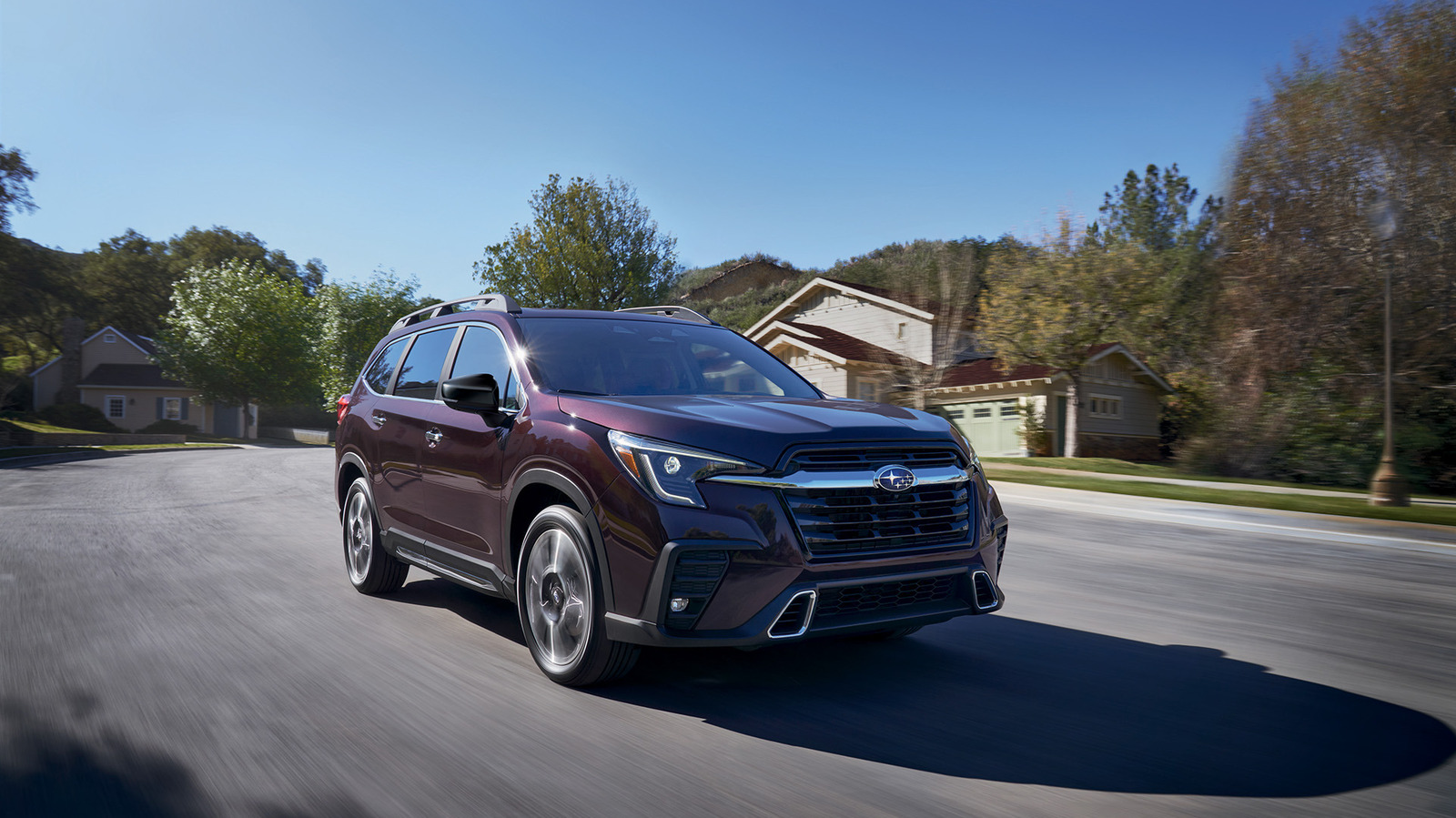
This American-Made Subaru Model Could Be The Next Big Thing In Japan


Subaru, a Japanese automaker, maintains a number of factories in the United States and elsewhere across the world. So, it makes sense that parts of its North American or otherwise international lineup aren’t sold in Japan, and vice-versa. 

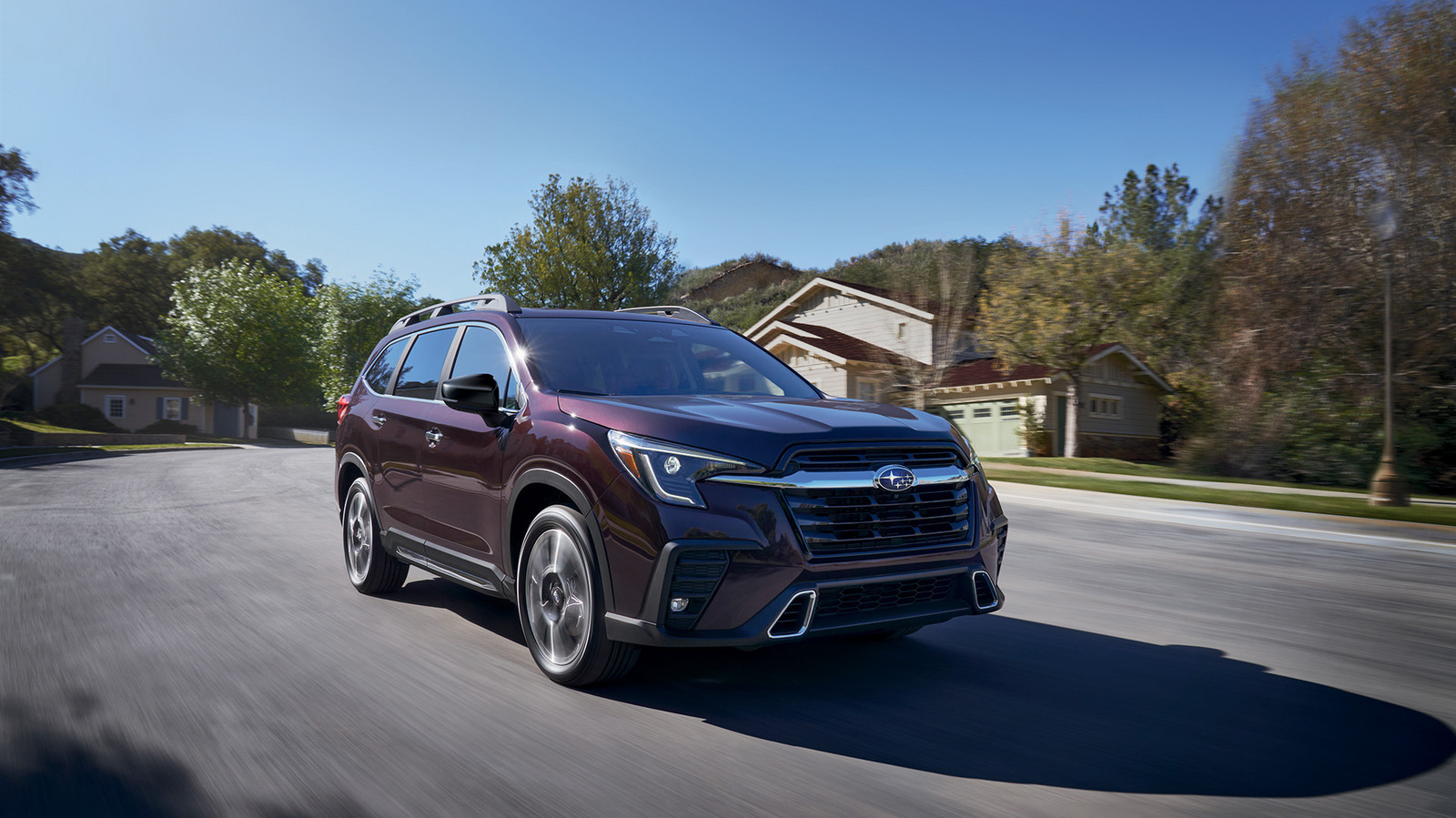
One such vehicle is the Subaru Ascent, the brand’s three-row SUV. It’s the biggest (and subsequently most expensive) Subaru on sale. In other markets where it’s sold, it’s called the “Evoltis.” Until now, it was not planned to part of Subaru’s Japanese lineup. 

However, according to a press release from Subaru, that might change. It states: “Subaru Corporation announced that it is considering the introduction of its U.S.-built three-row SUV, to the Japanese market, targeting a potential launch in the latter half of 2026…Subaru plans to leverage the certification system implemented by Japan’s Ministry of Land, Infrastructure, Transport and Tourism following Japan-U.S. trade agreement. By introducing this U.S.-built three-row midsize SUV to Japan, Subaru aims to meet a wide range of customer needs.” So, not only is Japan considering playing its diplomacy cards to get the Ascent to Japan, but Subaru’s American factories will open up to exporting the vehicle (instead of making it in Japan).

Getting the Ascent into more driveways

The Ascent isn’t a huge seller in the United States. It sells more than sporty coupes like the BRZ and its newer EVs like the Solterra. But it’s still in fourth place behind other SUVs like the Outback, Crosstrek, and Forester, with Subaru selling 44,400 Ascents last year, compared to 191,724 Crosstreks, a mass market favorite that’s also available as a hybrid, along with the Forester.

Aside from some interior options and some aesthetic changes, the Ascent hasn’t been updated since it was launched for the 2019 model year. The push from Subaru of Japan could be a way to see increased sales for the Ascent and bump up Subaru of America’s exports. Either way, it helps Subaru from both hemispheres to drive more sales of the Ascent.

With a starting price of $40,795, the seven-seater is less expensive than competing three-row SUVs like the Toyota Grand Highlander or Chevy Traverse. It’s also worth noting that the Ascent is not available as a hybrid. 


Source link

Leave a Reply

Subscribe to Our Newsletter

Get our latest articles delivered straight to your inbox. No spam, we promise.

Recent Reviews


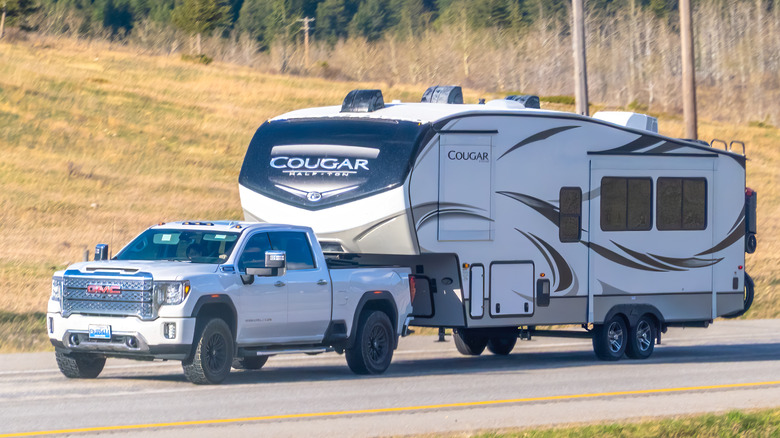
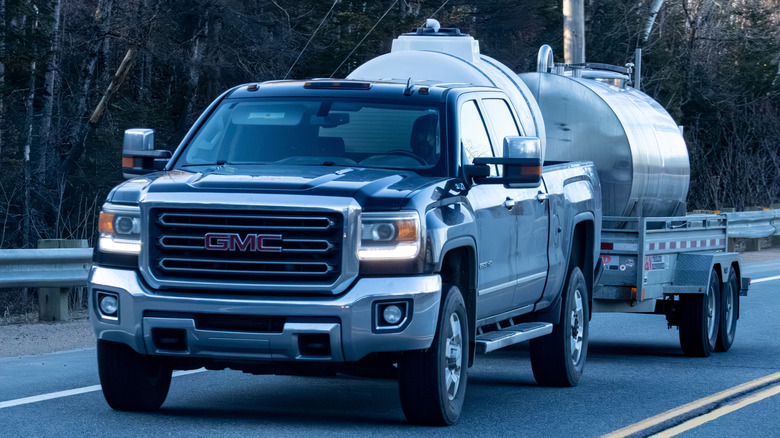
Towing can be a very stressful activity for your truck. If you think of its engine as the beating heart of your truck, then the oil flowing through it is its blood supply. Changing your truck’s oil at the proper intervals keeps it fresh and performing at its peak, which is particularly important if you regularly tow heavy loads. If you tow often and have ever wondered whether it changes how often you need to change your oil, you’re in the right place.

The stress of towing comes in many forms. Towing creates higher friction and generates more heat in your engine. These conditions will cause your oil to wear out much faster, so you should change it more often. A good rule of thumb is to change your oil twice as often as you would if you were not towing, and more frequently if you tow regularly or notice any warning signs. 

These warnings can include reduced fuel efficiency compared to what you normally experience while towing, increased vibration, smoke from your exhaust, strange smells, a noisier engine than usual, or the oil warning light coming on. Consider any of these signs as red flags — pull over and check your oil immediately before it gets any worse. If you’re feeling handy and you’d like to save some cash, it’s also pretty easy to change the oil yourself.

Other factors to bear in mind

You should be aware that towing is generally considered a “severe driving condition,” to quote the Ford F-150 manual. If you use your truck for towing, consult your owner’s manual to see if your manufacturer specifies specific service intervals for these more intense use cases. Newer trucks may also feature oil-life monitoring systems that take the added wear and tear of towing into account and can alert you when the oil needs to be changed.

Other considerations that should be part of your truck’s oil change schedule include the type of oil you use. Synthetic oil is generally preferable for engines that tow regularly, but you should always consult your owner’s manual and use what it recommends for towing or other severe uses. You should also consider the oil weight if you endure harsh winters or if your truck must operate in extreme conditions. Finally, check your oil level regularly to ensure you don’t end up towing with an engine that’s low on oil. Overall, more frequent oil changes in a truck you use for towing will pay off in many ways. It will help keep your truck’s engine in better shape, with fewer issues and less downtime. 


Source link