
Keen on avoiding Europe’s airport chaos this summer?
Between the long snaking lines as a result of the newly-launched EES system, and the crazy Ryanair rules that just make no sense—what do you mean I have to pay 50 bucks on the spot because an inch of my luggage wheels sticks out of the—we wouldn’t blame you for avoiding airside hubs like the plague.
The good news is, you actually don’t need to entrust your Eurotrip logistics to unreliable European airports this summer: train routes have been launching left, right, and center, and if you’re a devout Travel Off Path reader, you already know that going the rail route is an absolute no-brainer here.
More generous baggage policies, no long airport commutes that will have you biting your nails to the quick out of fear you won’t make it on time, and now, none of the digital registration mess.
Trains go from city center to city center, and if it’s an overnight journey, that’s even better: you can basically combine the price of hotel and transportation into a single booking.
After Paris ↔ Berlin and Basel ↔ Copenhagen, Europe is now gearing up to launch a new overnight train that will take you through 4 of the continent’s most beautiful (yet underrated) cities… starting from only $65.
Welcome aboard the Leo Express From Poland To Germany
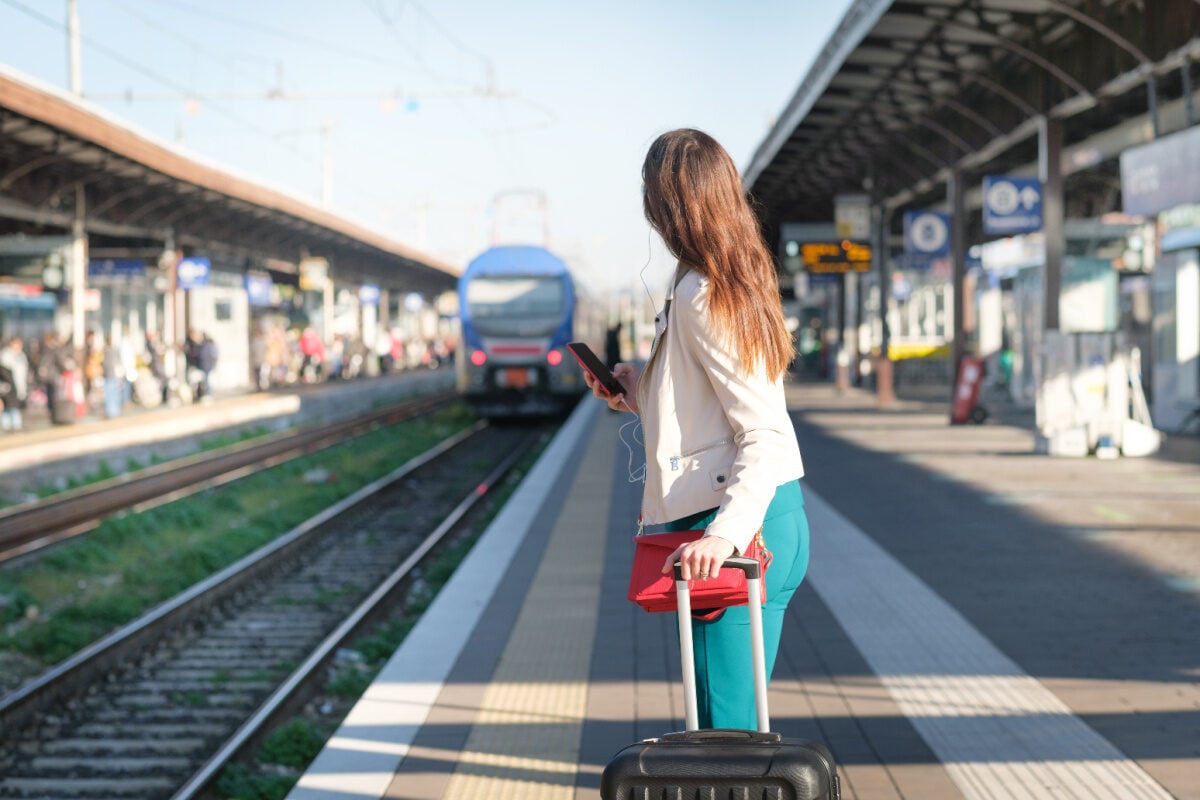
For those who are not in a hurry to get anywhere this summer, this new 18-hour train will run from southeastern Poland, one of Europe’s trendiest countries to visit right now, via Czechia, and finally into Germany.
The ‘Leo Express’ launches June 25, and it’s a seated overnight train. In other words, no sleeper/couchette carriages have been announced at this point, so if you’re looking for the lie-flat option, you might want to hold off on booking for the time being.
The route is divided into four sections, and the full stop list with departure times is as follows:
Daytime section (Poland) 🇵🇱
- Przemyśl Główny—13:31
- Przemyśl Zasanie—13:35
- Jarosław—14:11
- Przeworsk—14:21
- Łańcut—14:36
- Rzeszów Główny—14:48
- Ropczyce—15:11
- Dębica—15:19
- Tarnów—15:38
- Brzesko Okocim—15:55
- Bochnia—16:04
- Kraków Płaszów—16:29
- Kraków Główny—16:40
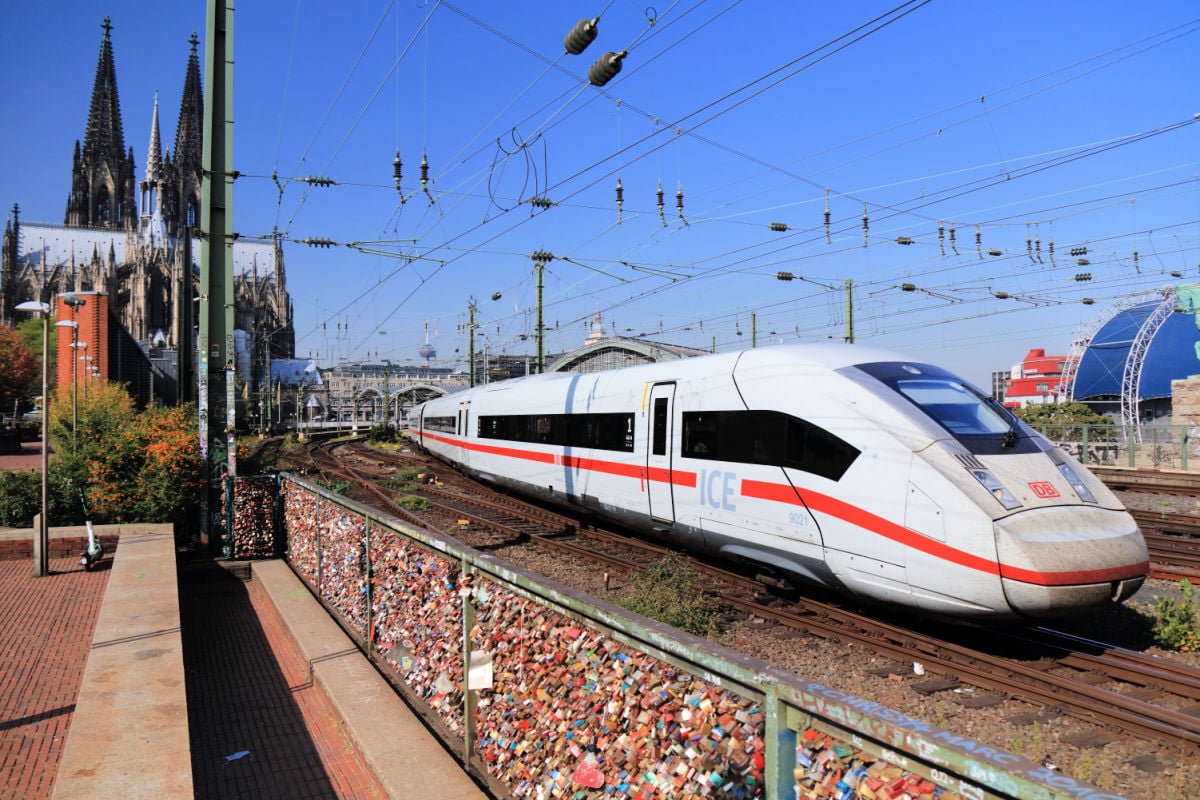
No express jump. It basically stops at every major city in southeastern Poland. Onto the nighttime section:
Nightime section—Part I (Poland) 🇵🇱
- Kraków Główny—23:28
- Kraków Płaszów—23:36
- Bochnia—00:01
- Brzesko Okocim—00:10
- Tarnów—00:27
- Dębica—00:46
- Ropczyce—00:54
- Rzeszów Główny—01:17
- Łańcut—01:29
- Przeworsk—01:44
- Jarosław—01:54
- Przemyśl Zasanie—02:20
- Przemyśl Główny—02:23
Nighttime section—Part II (Czechia) 🇨🇿
Overnight core crossing
- Bohumín—20:58
- Ostrava—21:00–21:10
- Olomouc—22:00–22:10
- Pardubice—23:30
- Prague—23:23–23:32
Deep night section (Germany) 🇩🇪
- Dresden—01:38
- Leipzig—02:54
- Erfurt—04:23
- Gotha—04:40
- Eisenach—04:57
- Fulda—05:59
Early morning section (Germany) 🇩🇪
- Hanau—07:06
- Frankfurt Süd—07:26
- Frankfurt Airport—07:53
Heading to Europe this summer? Make sure you check the Entry Requirements that apply at your destination here.
From mandatory fingerprinting to new travel permits, a lot has changed since your last trip across the pond all those years ago, and if you’re a U.S. passport holder, you’ll want to get your documentation in order with all the red tape Brussels is planning on bringing in.
The Top 4 Destinations To Visit With The Leo Express
That’s a lot of stops, though, so which cities should you actually hop off at? Here’s our 4 top picks:
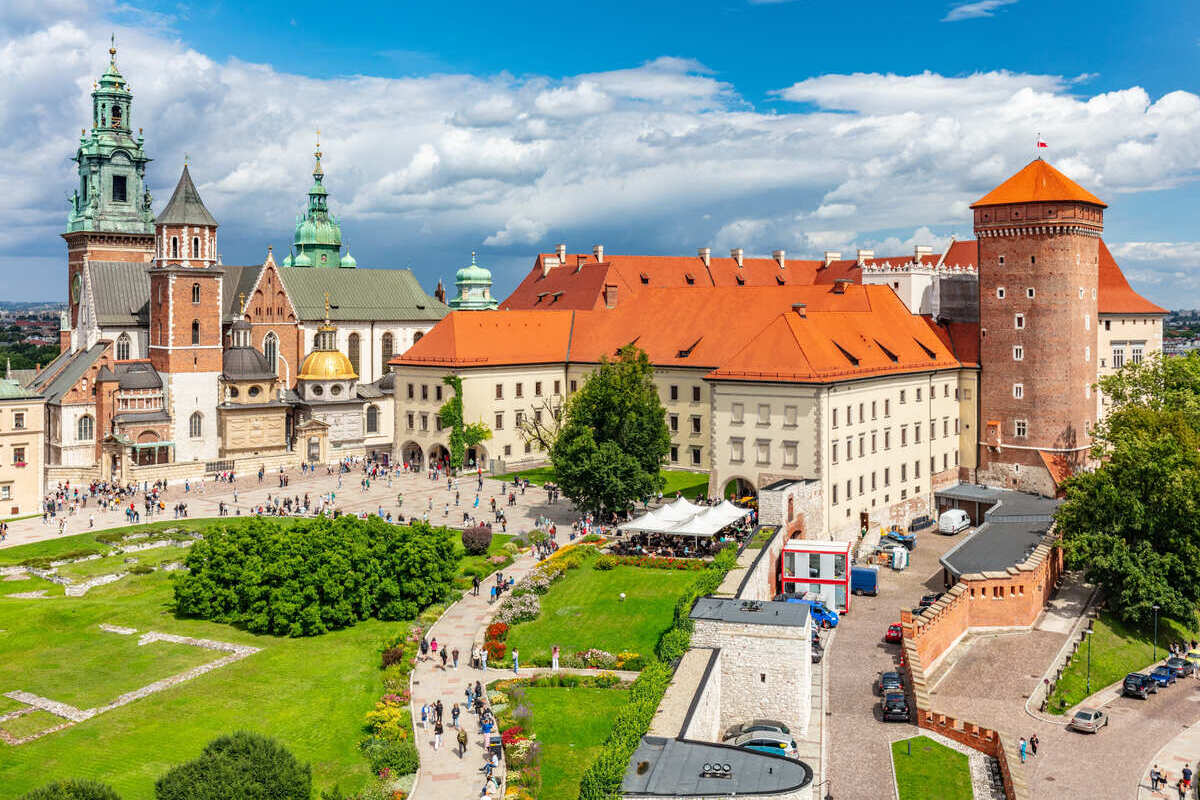
Kraków, Poland
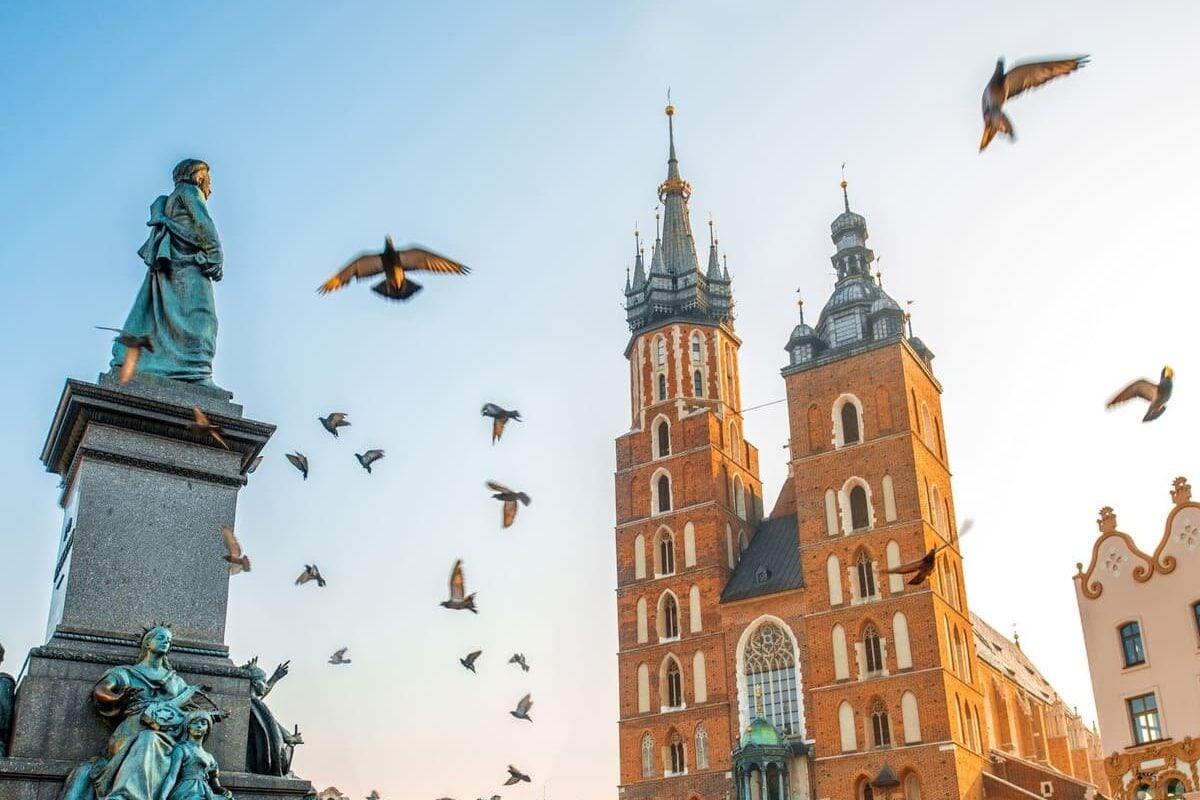
The second-largest city in Poland, and its main cultural center—sorry, Warsaw—Kraków straddles the Vistula River, and though it’s been demoted to second fiddle to Warsaw, it was actually the country’s capital for centuries.
Unlike many Polish cities, much of Kraków’s Historic Center actually survived World War II intact, and that’s what makes it special: cobbled streets, red-brick buildings, and palaces that have not borne the brunt of the conflict. Everything you see today probably looks exactly as it did back in the 14th century.
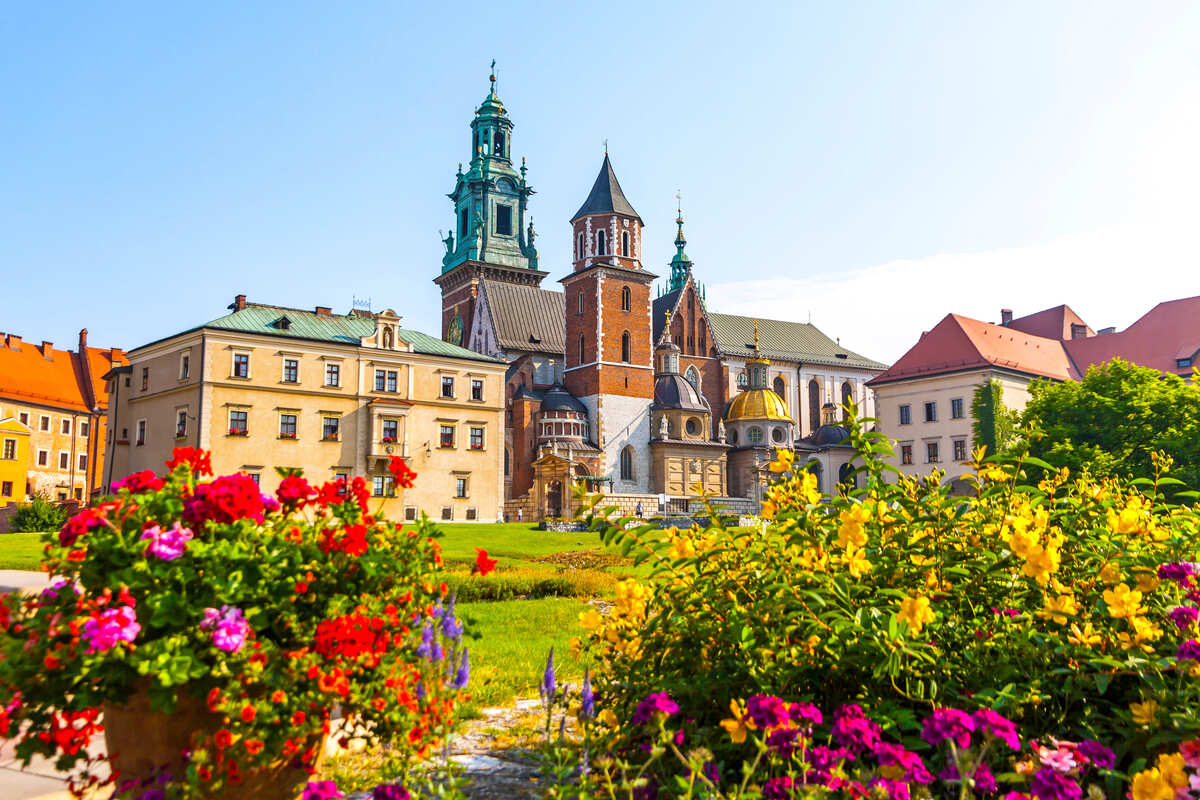
What to see around town, you ask? Market Square, or Rynek Główny, is one of the largest medieval squares in Europe, and a prime spot for people-watching, whereas Wawel Castle, on the banks of the Vistula, hosts Wawel Cathedral, where Polish kings were crowned and buried.
Looking for a hidden gem hiding in plain sight? Just beyond the Old Town, the former Jewish district of Kazimierz has historic synagogues, bohemian cafés, and believe it or not, a vibrant nightlife that rivals Warsaw’s.
Rzeszów
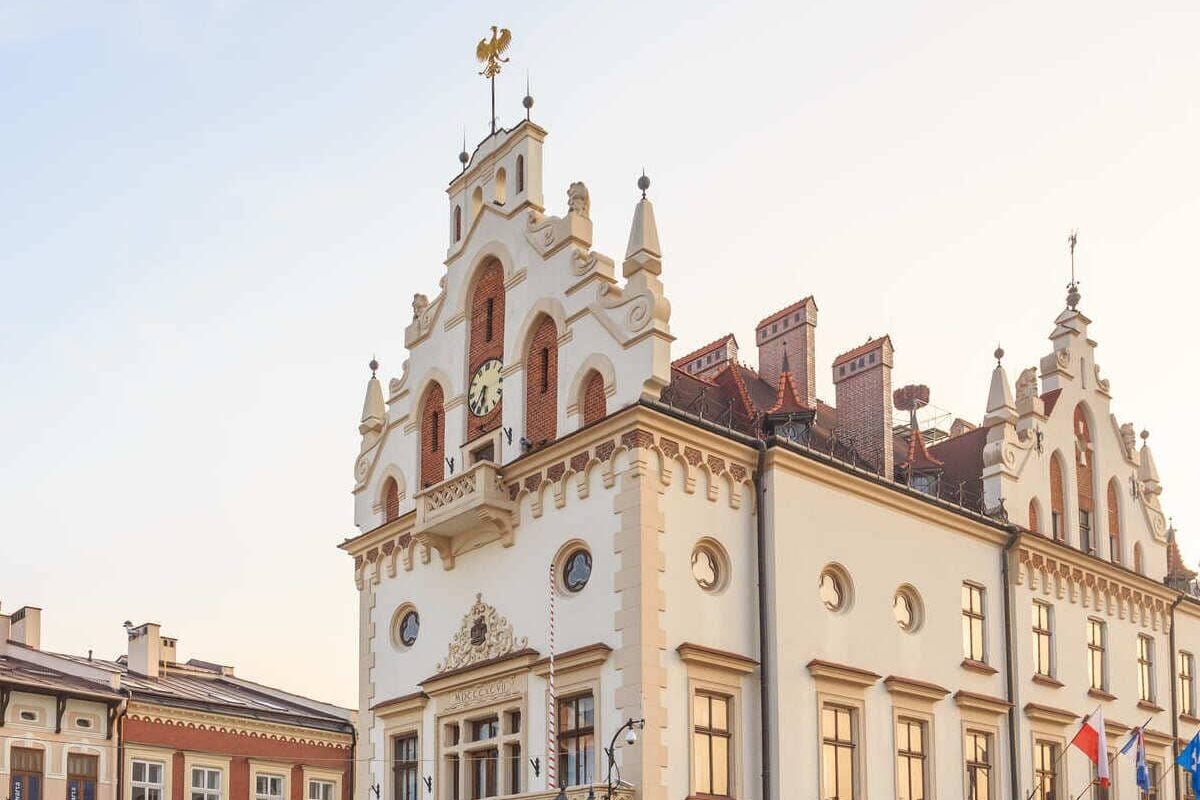
The largest city in southeastern Poland, Rzeszów is cut through by the meandering Wisłok River, and it’s a historic trading town that developed into one of the country’s fastest-growing urban centers.
If you’ve been put off by Western Europe’s rapid descent into disorder and chaos, you’ll be glad to learn Rzeszów still feels like the Old Continent of the old days: clean streets, a good mix of medieval charm and modern infrastructure, and impressive levels of social cohesion.
In fact, Poland as a whole is one of the safest countries to visit across the pond, scoring an impressive 95 out of 100 on the Traveler Safety Index, which is based off of reports from travelers on the ground:
The Historic Center is compact and easy to explore, and the local Market Square, albeit not as expansive and grand as Kraków’s, is arguably even more charming: think colorful townhouses, cozy coffee shops, and the odd milk bar dishing out homemade-style pierogi.
Most striking monument in town, you ask? That has to be Rzeszów Castle, a 17th-century fort known for its manicured grounds, moat and aristocratic legacy.
Prague, Czechia
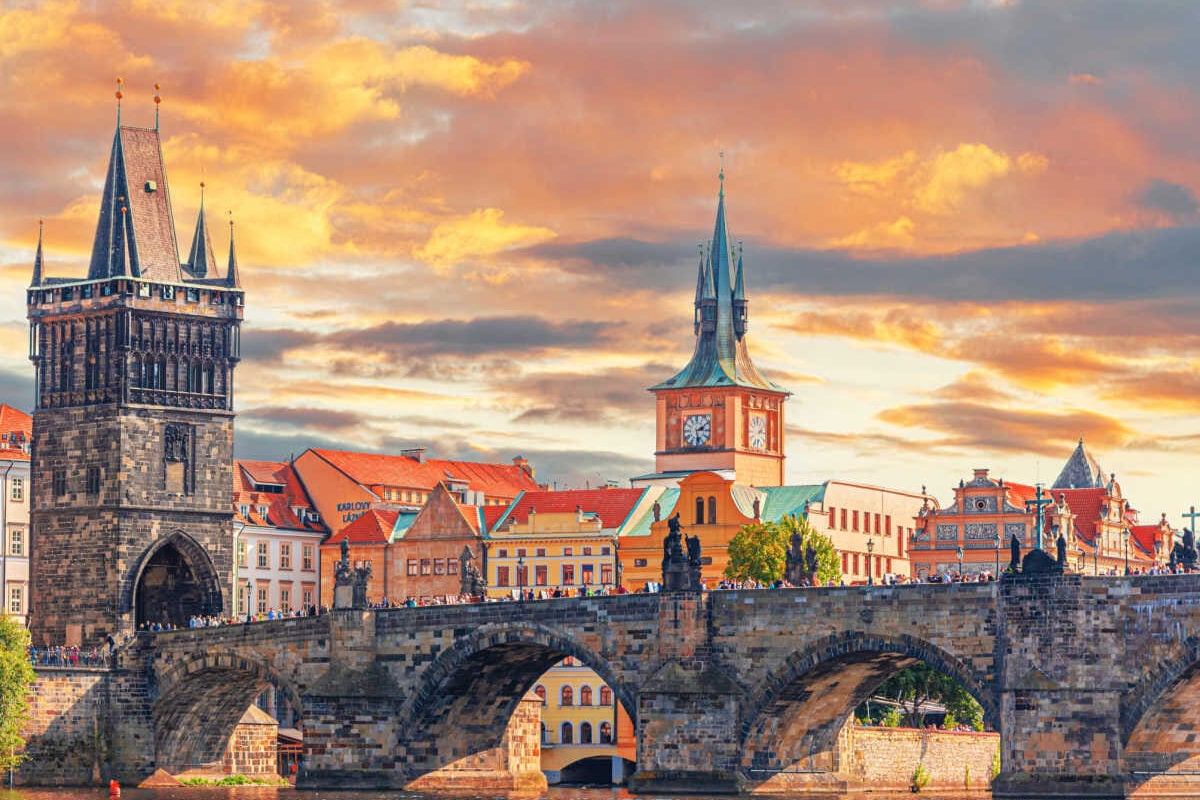
The capital of Czechia, as well as one of Europe’s best-preserved medieval cities, Prague is built along the fast-flowing Vltava River. Stone arched bridges, soaring Gothic towers, Renaissance palaces and Art Nouveau townhouses: it has it all.
Some of these peer European cities failed their heritage and gave in to the 20th-century development boom, glass-and-steel giants and modernist eyesores, but Prague has preserved much of its historic character, with a skyline that’s remained largely unchanged for centuries.
It’s no wonder it’s called the ‘City of a Hundred Spires‘, an homage to its many belfries that soar above the red-tile, gable roofs and cobblestone lanes.
The Old Town Square is arguably the prettiest in the entire continent, with its medieval Astronomical Clock, and the iconic twin-spire Our Lady before Týn Church.
Then on the opposite side of the river, across the saint-guarded Charles Bridge, Prague Castle is a monumental complex with courtyards, cathedrals, and royal gardens. Real Old World, storybook-cover kind of stuff.
Dresden, Germany
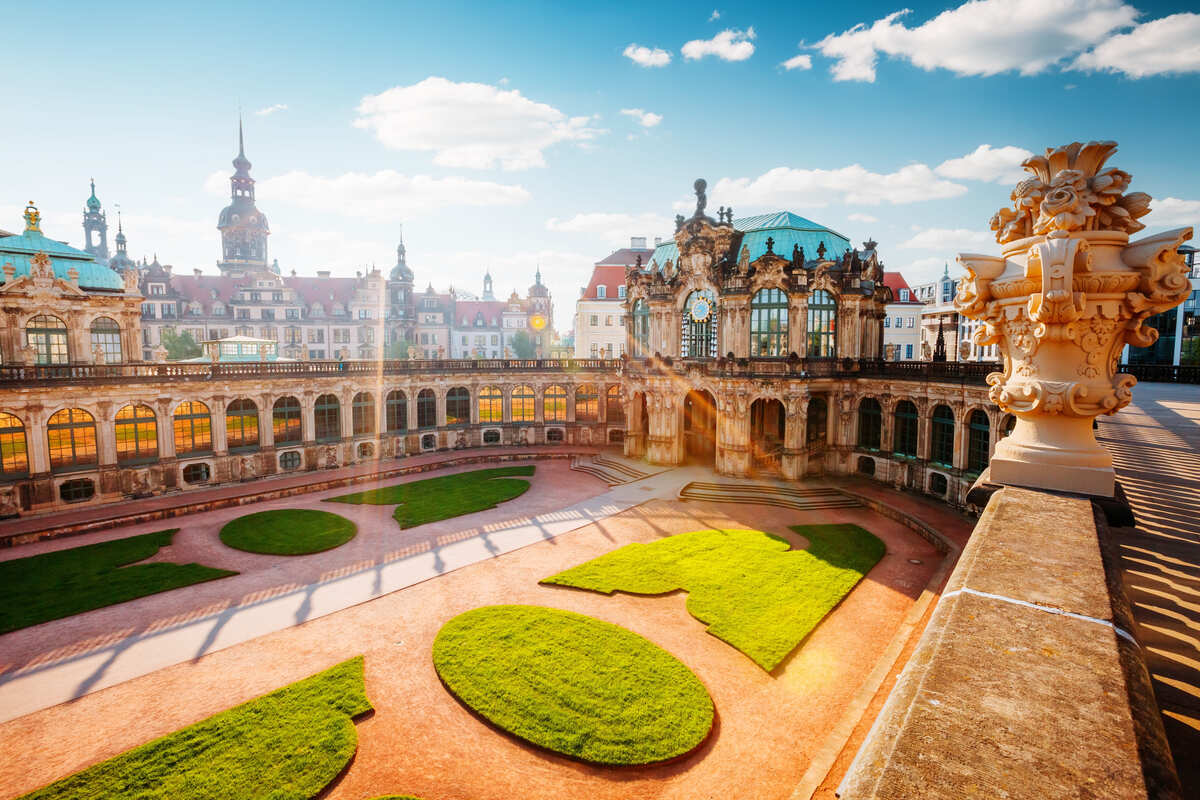
The largest city and cultural powerhouse of Saxony, Dresden is yet another riverside jewel. Instead of being renowned for spires, however, this one’s nicknamed ‘Florence of the North‘ due to an impressive collection of art, Baroque architecture, and cultural treasures.
It looks like a literal open-air museum today, with the iconic Frauenkirche looming over a pedestrianized central square, gilded statues, and ornate building facades, but in reality, everything you look at is essentially rebuilt post World War II.
The city was heavily damaged during the conflict, and after Dresden’s incorporation into the former communist-led GDR, it took years for the Historic Center and its many landmarks, which had lain in ruins for decades, to be reconstructed.
Then again, you wouldn’t be able to tell, given the pure grandeur of places like the Zwinger, the resplendent palace that anchors Altstadt, dotted with angelic sculptures and richly decorated fountains, and Semperoper, Dresden’s stately opera house.
More On The Route Itself

In sum, the overnight section, what actually feels like night, starts in Kraków and extends into Hanau in Germany, with a sleep window between midnight and 6 a.m. Realistically, it’s occasionally interrupted by stops and announcements, and once again, it’s seating only (no confirmed sleeper cars).
That doesn’t mean you should expect that easyJet Plus-level of comfort: in Standard Economy, the most popular option with fares going from $11–$65, seats do recline far back enough to allow for a decent-enough night of sleep.
Seats are also equipped with power outlets, and the train has free WiFi available. Food and drinks aren’t included in Standard Economy, but you can purchase them from the restaurant car or from the train attendant.
In Business, you should expect wider seats, a quieter carriage, and extra service level, with the expected estimate ranging from $40 to $120 one-way, depending on route and demand at the time of booking.
Even in Business, there are no sleeping compartments announced. This is the biggest limitation if you compare the Leo Express to other nighttime services like the Nightjet.
Is This Actually A Good Overnight Train?
Pros
- Extremely cheap entry fares (starts from only $11)
- It’s a direct Poland to Germany link,w ithotu transfers
- Arrives at Frankfurt early morning
- Good for budget-friendly, long-distance travel
Cons (important for overnight use)
- No sleeper carriage (reclining seats only)
- Sleep quality is limited (many stops, lights on and off, and train announcements)
- Long duration
- Feels more like ‘overnight bus’ on rails
Bottom line
If you’re thinking:
- Cheap way to travel across Central Europe overnight: yes, great value
- Proper sleeper train experience: not… quite
- Airport arrival next morning: actually very good strategy, especially if you’re flying out of Frankfurt
Then yeah, go for it.


Stacie Harris is a local resident and reporter of the Maple Grove area. Stacie reports on medicine and science for the Maple Grove Report.