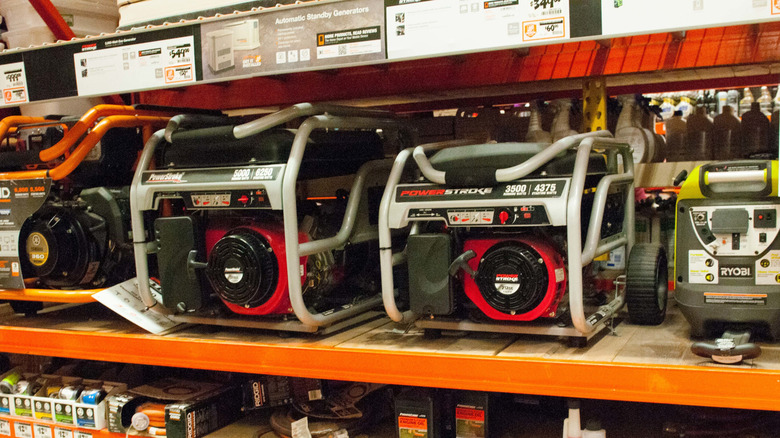

Maintaining a generator year-round is key to making sure it’s ready to go in the event you need it – whether it’s a camping trip or a power outage, having a generator not start is the worst way to be reminded of the maintenance checklist. Regardless of the type of generator you own, preventive maintenance is the best way to ensure its readiness in an emergency, prevent common problems or costly repairs, and ensure you’re getting the longest lifespan out of your generator.
For that reason, there is the 20-20-20 rule: a maintenance strategy that is easy to remember and calls for a generator to run for 20 minutes at 20% load every 20 days. This should not be confused with a similar – but equally important – rule that states that a generator should be operated 20 feet from the home, should have 20 minutes of cooldown before refueling, and maintain at least 20 inches of side clearance. The 20-20-20 maintenance rule can and should be applied to all generator types.
Understanding the 20-20-20 method and why it helps
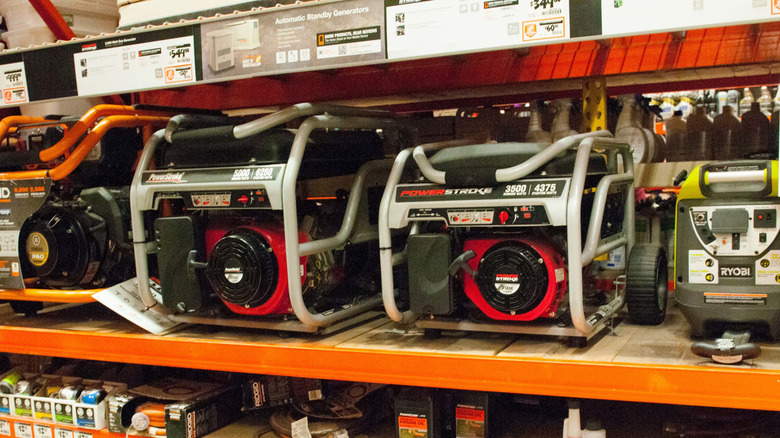
Engine-driven generators are machines that transform mechanical energy into electrical energy. But at their core, they are engines first and need to be maintained in order to run properly – no different than the engine in a car. Just as you shouldn’t park a car and let it sit all year without starting it, a generator shouldn’t suffer the same fate, though it often does. Unlike cars, generators tend to live in the “out of sight, out of mind” category, only being thought about once they’re needed, but ignoring generator maintenance is one of the top mistakes owners make when using one.
Running the engine on a generator for 20 minutes is something of a sweet spot. It’s long enough to allow the engine to reach operating temperature, warm up the oil, and lubricate the moving parts. But just idling the engine isn’t enough; engines are made to work, and without a load, a generator engine can’t truly do any work. By running it at 20% load, the alternator gets to work, the engine can burn off excess carbon and moisture inside, and the voltage regulator gets stress tested. By doing this every 20 days (once a month, basically), you keep the fuel from going bad and keep the battery charged. It also gives you an opportunity to catch anything unusual: weird smells, excess vibration or noise, or smoke or heat coming from the generator.
The 20-20-20 rule isn’t a replacement for regular service
Many standby generators that are permanently connected to a fuel source and the power grid often have an option to program an exercise cycle, where the generator will come on and run for a matter of seconds or minutes weekly or monthly, depending on the manufacturer and your frequency preferences. Depending on the generator’s make and model, the exercise cycle may or may not allow a load to be transferred while exercising.
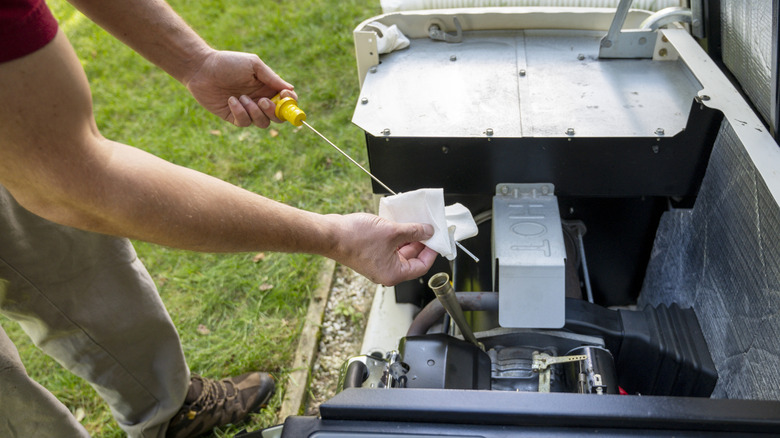
Whatever generator you have for your home, applying this method doesn’t have to be complicated. Use your favorite calendar app (Google, iOS, etc.) and pick a recurring weekend each month to carve out time. Set up a monthly reminder on your phone, or pick a notebook to use as a checklist and keep it with the generator. There’s no wrong choice here, just the best one that works for you. This rule is also just part of a holistic preventive maintenance routine and doesn’t replace regular servicing of the generator, which usually includes replacing components like spark plugs and air filters and changing the oil.

Stephan is the sports journalist for the Maple Grove Report.