
The modern diesel engine powering your car is a far cry from the “industrial” diesel engines that were better known for the clouds of black smoke they emitted than any nod towards reduced emissions. Today’s road-going diesel engines are highly regulated regarding the emission standards they’re expected to meet. Essentially, their loud and dirty reputation is now relegated to the status of a diesel engine myth you should stop believing.
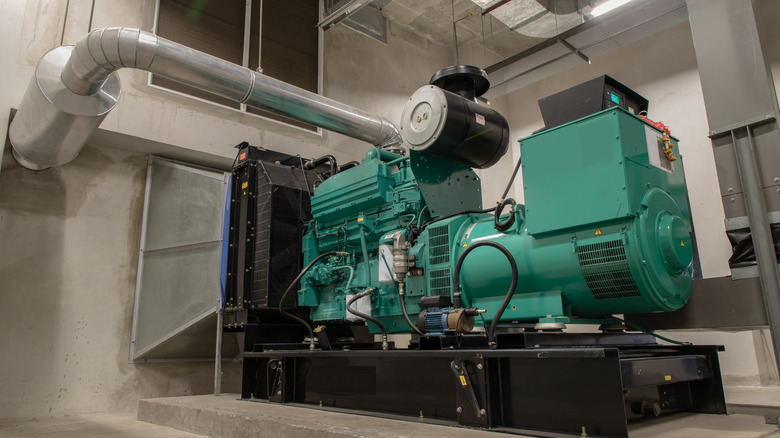
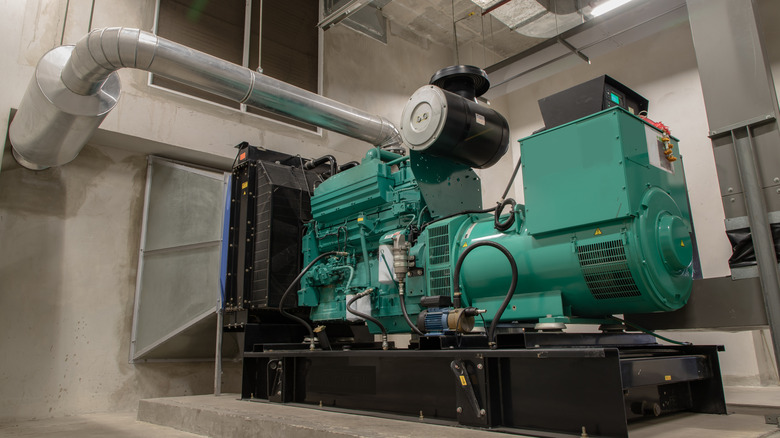
But for diesel engines that don’t power our road vehicles, there’s a different set of regulations governing emissions. The Environmental Protection Agency’s (EPA) Tier system applies specifically to nonroad diesel engines — those used in construction, agricultural equipment, industrial generators, and mining vehicles, to name a few.
The standards system has been in place since 1994, when the EPA introduced rules governing Tiers 1 through 3. The rules were to be phased in from 1996 to 2000, and covered all nonroad or off-road diesel engines with more than 50 hp. Tier 2 and Tier 3-rated engines had to comply with increasingly stringent environmental standards, which were phased in from 2000 onwards.
Tier 4 is the latest generation of this rating system and applies a near-zero emissions standard that new nonroad diesel engines must meet today; these regulations were phased in between 2008 and 2015. While Tier 3 engines rely mainly on internal engine improvements to reduce pollution, Tier 4 engines use advanced exhaust aftertreatment systems to reduce emissions by up to 90 percent.
Tier 3 and Tier 4 engines explained

The easiest way to understand the differences between the Tiers is to take a quick look at the regulations that define them. Starting with the junior of the two, Tier 3 was introduced with its rules forming part of the EPA’s push to reduce emissions from nonroad diesel engines. However, while Tier 3 engines were certainly cleaner when compared to earlier standards, the EPA determined that far greater cuts in NOx emissions and particulate matter were needed, which is where Tier 4 enters the picture.
To meet the EPA’s emissions standards, Tier 3 engines incorporated improvements like advanced fuel injection and optimized combustion processes. Additionally, although not mandated, exhaust gas recirculation (EGR) was used in some cases. What they didn’t require was the complex exhaust aftertreatment hardware that defines modern diesel engines.
The introduction of such technologies is what really defines Tier 4 diesel engines. Unlike Tier 3, Tier 4 standards were designed to reduce NOx and particulate matter emissions by 90 to 95%. These are lofty goals, and to achieve them meant adding dedicated exhaust after-treatment systems. One of these systems is the diesel particulate filter (DPF). A DPF works by capturing soot particles generated during combustion.
Another technology mandated in Tier 4 engines is the inclusion of a Selective Catalytic Reduction (SCR) system. This system targets the engine’s NOx emissions and uses ammonia from a urea solution to chemically convert NOx into a harmless mixture of nitrogen and water.
The pros and cons of Tier 4 engines
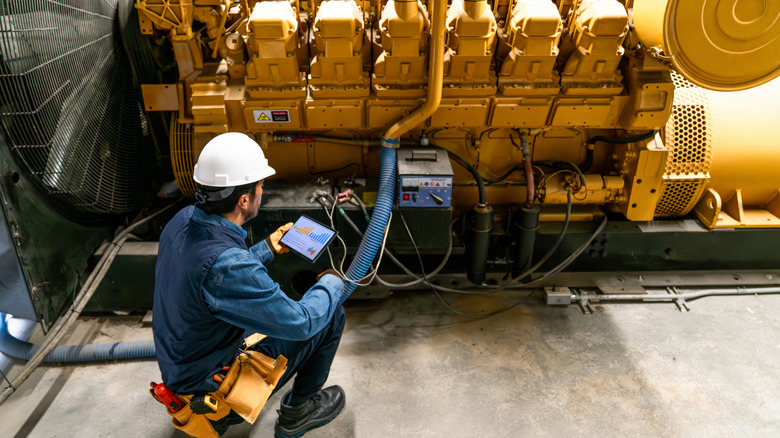
Let’s start with the obvious — Tier 4 engines are designed to reduce the harmful emissions associated with older diesel engines. The aforementioned SCR and DPF components are the critical factors here. These systems have drastically reduced harmful diesel engine emissions, which is an obvious benefit for the planet as a whole and our respiratory systems individually.
Additionally, Tier 4 diesel engines are often more fuel efficient than earlier designs. More advanced engine control systems are among the factors contributing to this. Another change is that additional emission-reducing hardware can reduce the amount of EGR required, thereby improving reliability and fuel consumption.
The mention of reliability leads us on to one potential downside of Tier 4 engines. While the addition of technologies designed to reduce emissions has certainly worked, there is no such thing as a free lunch. Essentially, all this extra hardware adds complexity, weight, and additional failure points to diesel engines. These additions also increase maintenance demands, including catalytic converter servicing and refilling of DEF tanks — DEF or diesel exhaust fluid is what is used to negate NOx emissions.
Of course, more hardware also means that Tier 4 engines cost more upfront, although improved fuel efficiency can help to offset this. In short, Tier 4 engines offer meaningful environmental gains and efficiency improvements, but these are achieved at the expense of added complexity and higher initial costs.

Stephan is the sports journalist for the Maple Grove Report.