Who Owns SRM Concrete & What Does The ‘SRM’ Stand For?


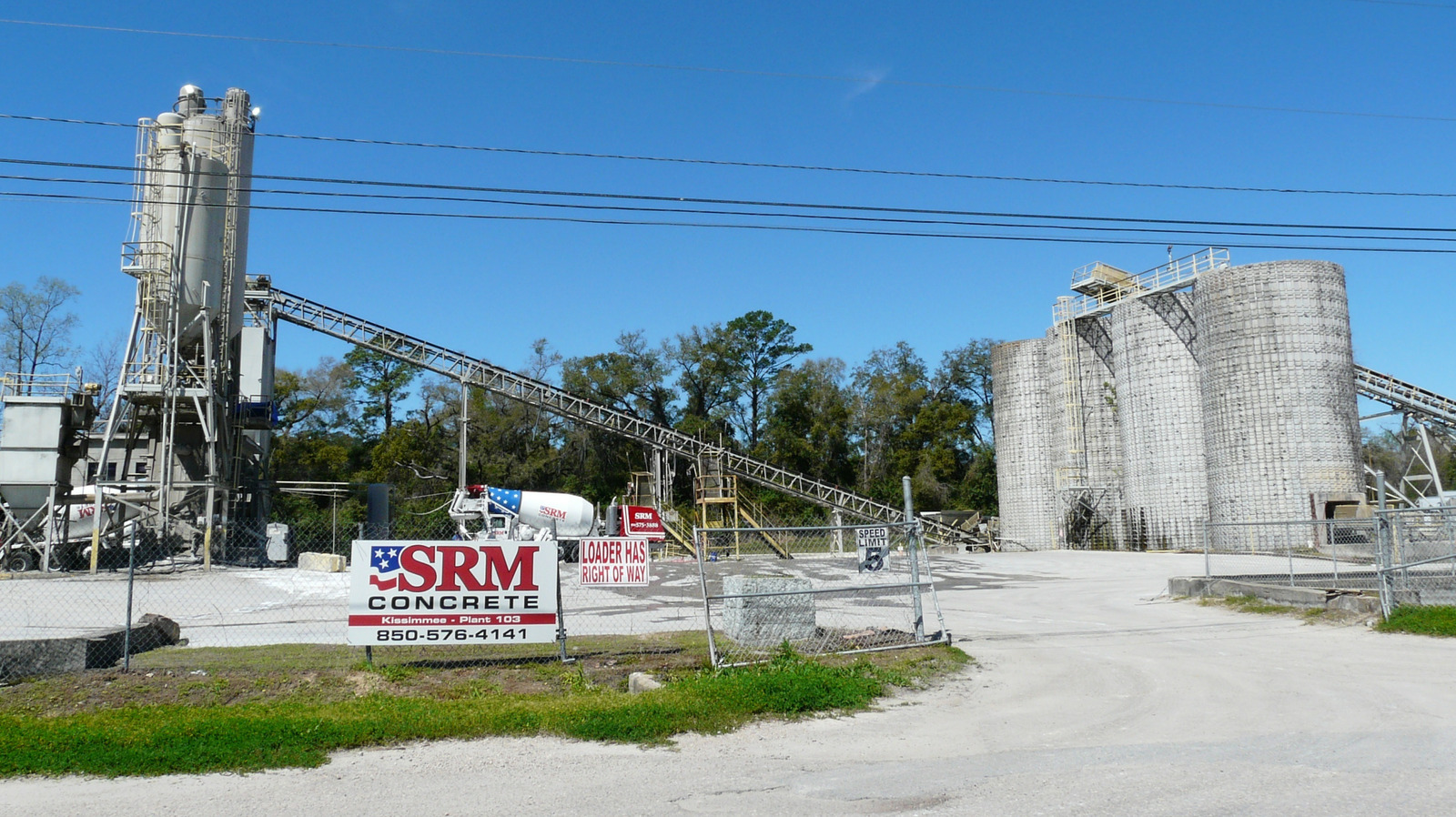
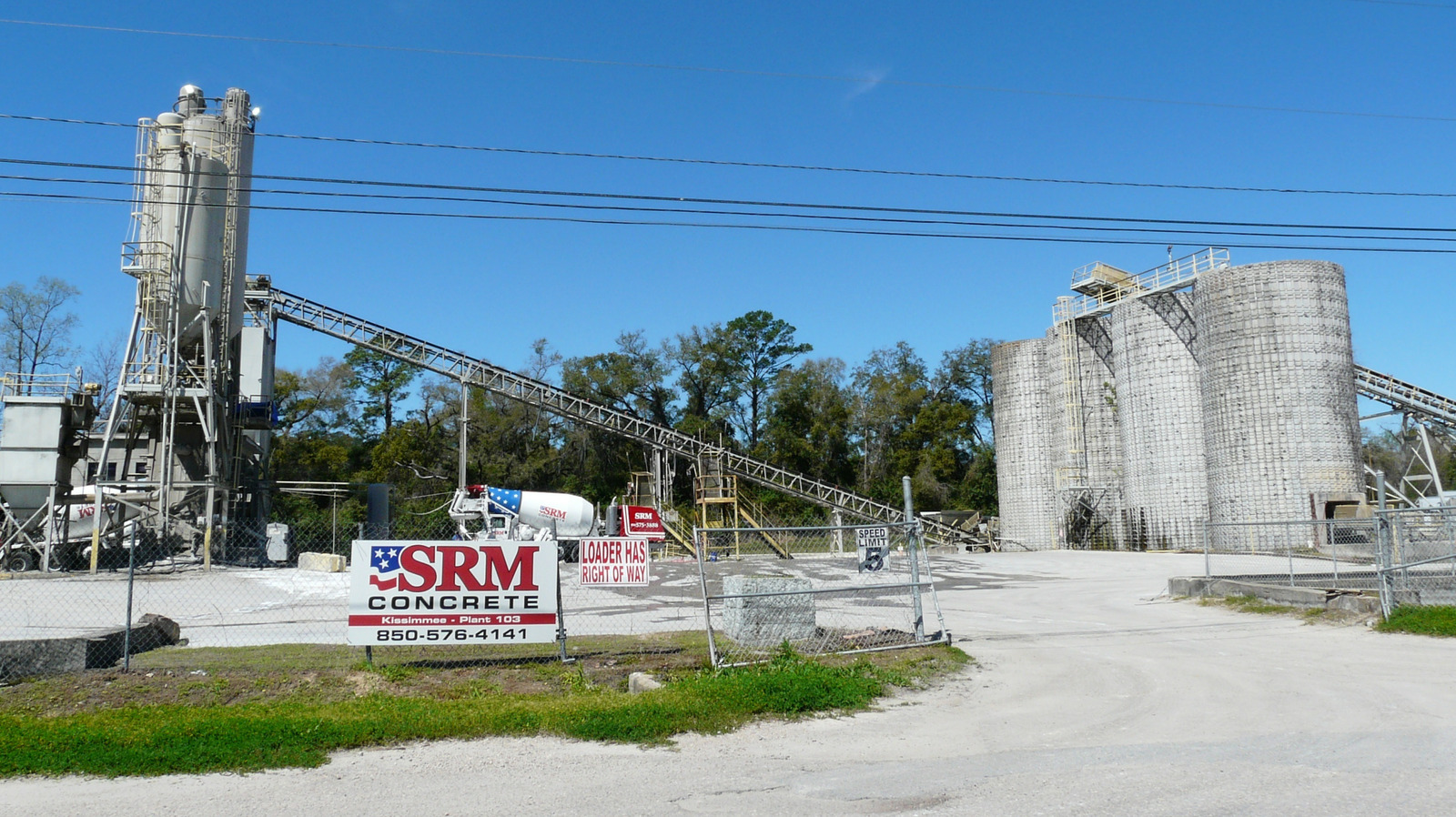
SRM stands for Smyrna Ready Mix. SRM Concrete, which lays claim to the “largest privately-owned ready-mix concrete manufacturer in the country,” is owned by the Hollingshead family of Smyrna, Tennessee. The company’s founders, Mike and Melissa Hollingshead, got into the ready-mix concrete business as a way to improve the supply of concrete to Hollingshead Concrete. Mike Hollingshead started Hollingshead Concrete early in his career as a concrete finishing business that stands as the Hollingsheads’ first company, although recent iterations of that business are known as Hollingshead Cement.

In 1999, frustrated with the poor customer service he received from local concrete suppliers, Mike and Melissa bought their own ready-mix concrete plant, assembled it in their backyard, and acquired five used concrete trucks at an auction to start SRM Concrete. Even that first backyard operation likely exceeded the capacity of mixing multiple bags of concrete in a Harbor Freight cement mixer.

The Hollingsheads launched SRM Concrete with a tight budget and immediately had obstacles to overcome. While assembling SRM’s first ready-mix plant at their home in the backyard was a sizable commitment to the project, Mike had little knowledge of operating a ready-mix plant or the formula for making a quality mix. To make matters worse, two of the five used concrete trucks bought at auction, meant to deliver SRM’s product, suffered engine failure before making it back to the SRM Concrete plant.

Where is SRM Concrete today?

What started in Mike and Melissa Hollingshead’s backyard in 1999 has expanded dramatically over the past quarter-century. It took six months for word to spread that SRM Concrete was open for business. What started as a way for Mike to get the concrete he needed for his concrete finishing business quickly expanded to serving other concrete finishers in the area and across Middle Tennessee.

Today, SRM Concrete and Hollingshead Cement operate in 24 states across the U.S. with 563 concrete plants, 33 quarries, and 12 cement terminals. The company’s rapid growth is the result of a mixture of expansion and acquisition. SRM Concrete boasts the opening of 21 new facilities in 2025 alone, with three more announced in the first quarter of 2026. 

Like many family-owned businesses in the building trade, Mike and Melissa’s sons have grown up with the business and become part of the leadership team at SRM. Jeff took on the role of Chief Executive Officer in 2014, and Ryan is the President of the company’s materials division. Mike Hollingshead is still involved in the business. He’s currently serving as the company Chairman while still making deals with suppliers, overseeing the Smyrna quarry, and driving the occasional concrete truck.


Source link

Leave a Reply

Subscribe to Our Newsletter

Get our latest articles delivered straight to your inbox. No spam, we promise.

Recent Reviews


A new class-action lawsuit, filed on Monday by three teenage girls and their guardians, alleges that Elon Musk’s xAI created and distributed child sexual abuse material featuring their faces and likenesses with its Grok AI tech.

“Their lives have been shattered by the devastating loss of privacy, dignity, and personal safety that the production and dissemination of this CSAM have caused,” the filing says. “xAI’s financial gain through the increased use of its image- and video-making product came at their expense and well-being.”

From December to early January, Grok allowed many AI and X social media users to create AI-generated nonconsensual intimate images, sometimes known as deepfake porn. Reports estimate that Grok users made 4.4 million “undressed” or “nudified” images, 41% of the total number of images created, over a period of nine days. 

X, xAI and its safety and child safety divisions did not immediately respond to a request for comment.

The wave of “undressed” images stirred outrage around the world. The European Commission quickly launched an investigation, while Malaysia and Indonesia banned X within their borders. Some US government representatives called on Apple and Google to remove the app from their app stores for violating their policies, but no federal investigation into X or xAI has been opened. A similar, separate class-action lawsuit was filed (PDF) by a South Carolina woman in late January.

The dehumanizing trend highlighted just how capable modern AI image tools are at creating content that seems realistic. The new complaint compares Grok’s self-proclaimed “spicy AI” generation to the “dark arts” with its ease of subjecting children to “any pose, however sick, however fetishized, however unlawful.”

“To the viewer, the resulting video appears entirely real. For the child, her identifying features will now forever be attached to a video depicting her own child sexual abuse,” the complaint reads.

AI Atlas

The complaint says xAI is at fault because it did not employ industry-standard guardrails that would prevent abusers from making this content. It says xAI licensed use of its tech to third-party companies abroad, which sold subscriptions that led abusers to make child sexual abuse images featuring the faces and likenesses of the victims. The requests ran through xAI’s servers, which makes the company liable, the complaint argues.

The lawsuit was filed by three Jane Does, pseudonyms given to the teens to protect their identities. Jane Doe 1 was first alerted to the fact that abusive, AI-generated sexual material of her was circulating on the web by an anonymous Instagram message in early December. The filing says she was told about a Discord server by the anonymous Instagram user, where the material was shared. That led Jane Doe 1 and her family, and eventually law enforcement, to find and arrest one perpetrator.

Ongoing investigations led the families of Jane Does 2 and 3 to learn their children’s images had been transformed with xAI tech into abusive material.


Source link