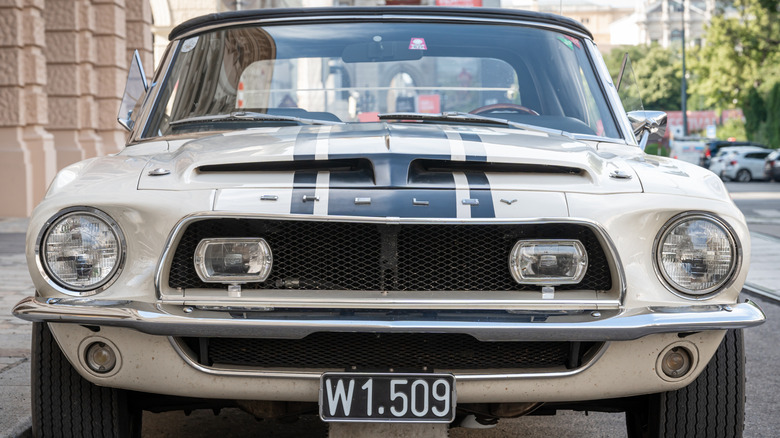

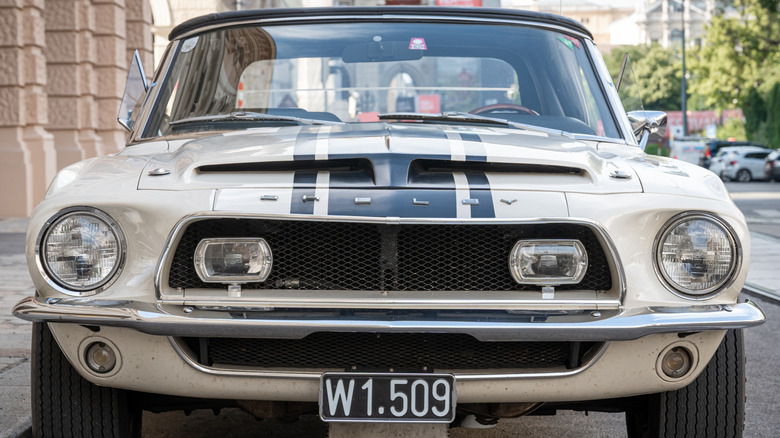
The Ford Shelby Mustang is one of the most iconic rides in automobile history. Known as Eleanor in the hit movie “Gone in 60 Seconds,” the Shelby style took the Mustang to new heights, becoming a legendary force on the racetrack and the highway. But the Shelby name is no longer used on Mustangs because Ford’s focus shifted to its own brand performance identity.
In fact, Ford never actually owned Shelby — Shelby American is its own separate entity. The name was used by Ford in a partnership between the two companies. During that agreement, Ford paid royalties for every car that carried the Shelby badge, accounting for tens of thousands of vehicles over the course of the partnership. Ford’s current efforts to move into a new era include the Dark Horse, a car that allows the automaker to fully own the branding, profits, and creative direction moving forward.
The Shelby GT350 and GT350R were both retired after the 2020 model year, leaving the GT500 as Ford’s only remaining Shelby Mustang. The GT500 remained in production through the 2022 model year, becoming the final factory Shelby Mustang manufactured by Ford. When the seventh-generation Mustang debuted for 2024, the automaker did not introduce a Shelby variant. This marked the end of the Shelby era for Ford’s factory Mustang lineup.
Ford’s evolution beyond the Shelby Mustang
The Shelby Mustang was named for Carroll Shelby, a legendary race car driver who cemented his winning reputation at the 24 Hours of Le Mans in 1959. Shelby retired from the sport in 1960 and founded Shelby American with the goal of creating an affordable sports car. He partnered with AC Cars in the U.K. after the company lost its engine supplier, and eventually sold Ford on the idea. The result was the 1962 Cobra, a lightweight sports car powered by a Ford V8 engine that was successful on the track and with everyday drivers.
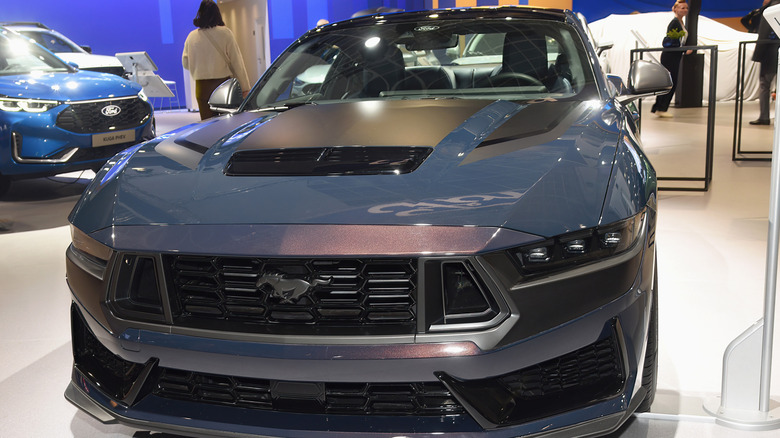
That same focus on high-performance Mustangs eventually led Ford to create the Dark Horse in 2024. The Dark Horse was an evolution for the company, featuring a 5.0-liter Coyote V8 along with improvements to the car’s suspension and braking. This Mustang was designed for modern track capability and gave Ford the opportunity to create a new identity for its signature sports car.
Ford continued that strategy in 2026 with the Mustang Dark Horse SC, a car that should make owners of this rival sports car nervous. The Dark Horse SC takes its cues from the Mustang GT3 and Mustang GTD by incorporating racing technology, while also expanding the new lineup. As Ford continues to push further with the Dark Horse branding, the automaker is establishing its performance identity for the modern era.

Stephan is the sports journalist for the Maple Grove Report.