Why Travelers Are Flocking To This Latin American Country Breaking All Time Tourism Records


Share The Article

Take it from me — travelers worldwide are getting this one right.

Heck, just ask our Editor-in-Chief Tyler who just came back from Peru… It’s not just Machu Picchu that’s a huge draw.

That’s right — the trek of a lifetime into otherworldly ruins isn’t the only thing attracting more visitors.

In fact, there were some real doozies in the latest stats showing where travelers are really going.
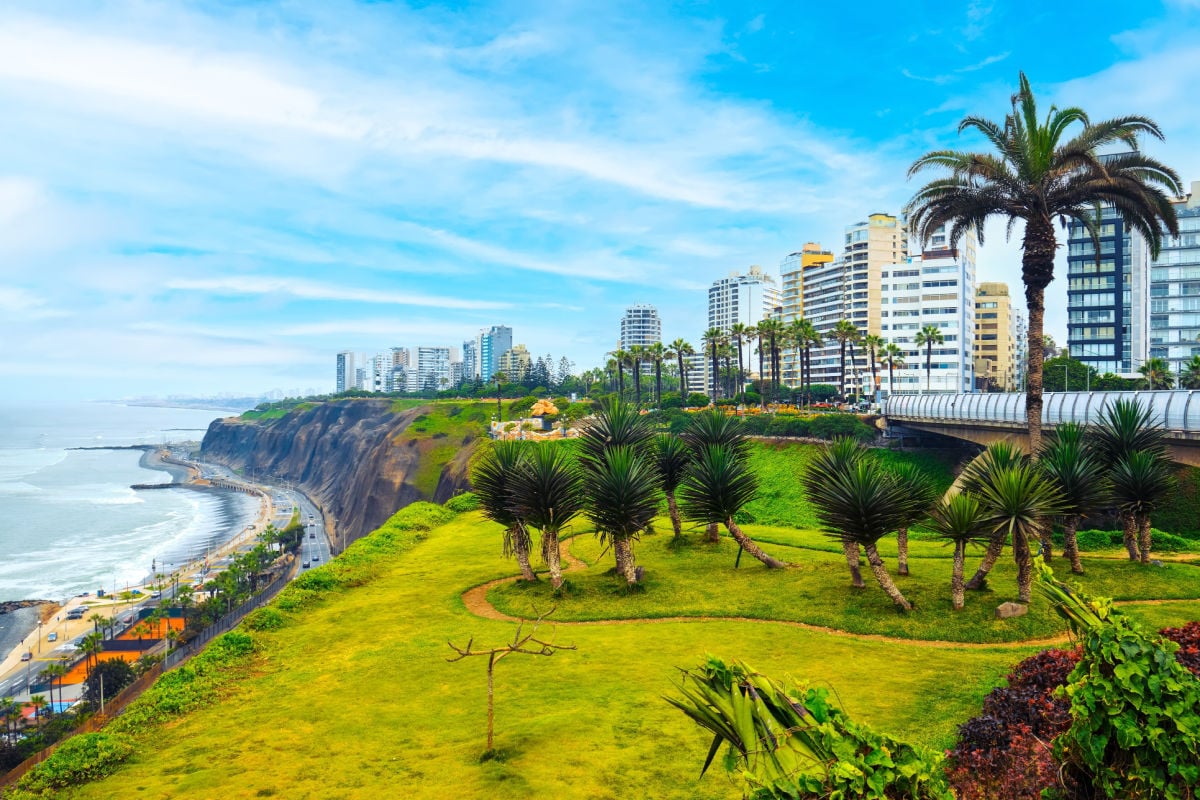
Lima, Peru coastline and cityscape

Then again, I ventured deep into the Amazon during my first Peruvian escapades using the little-known city of Iquitos as my destination of choice — not exactly a household name, right?

The bottom line is Peru continues to pull travelers far beyond Machu Picchu, meaning fairly recent security alerts haven’t scared people off one of the most culturally astounding countries in Latin America that I personally fell in love with from the jump.

According to our sources, the following 4 destinations are where most travelers are heading in Peru right now.

Overall, travelers feel safe here, as shown by our real-time Safety Index tool currently ranking Peru at an 83/100, but be sure to check the latest Travel Alerts & Entry Requirements no matter where you’re off to next.

4) Puno: The Gateway To Titicaca
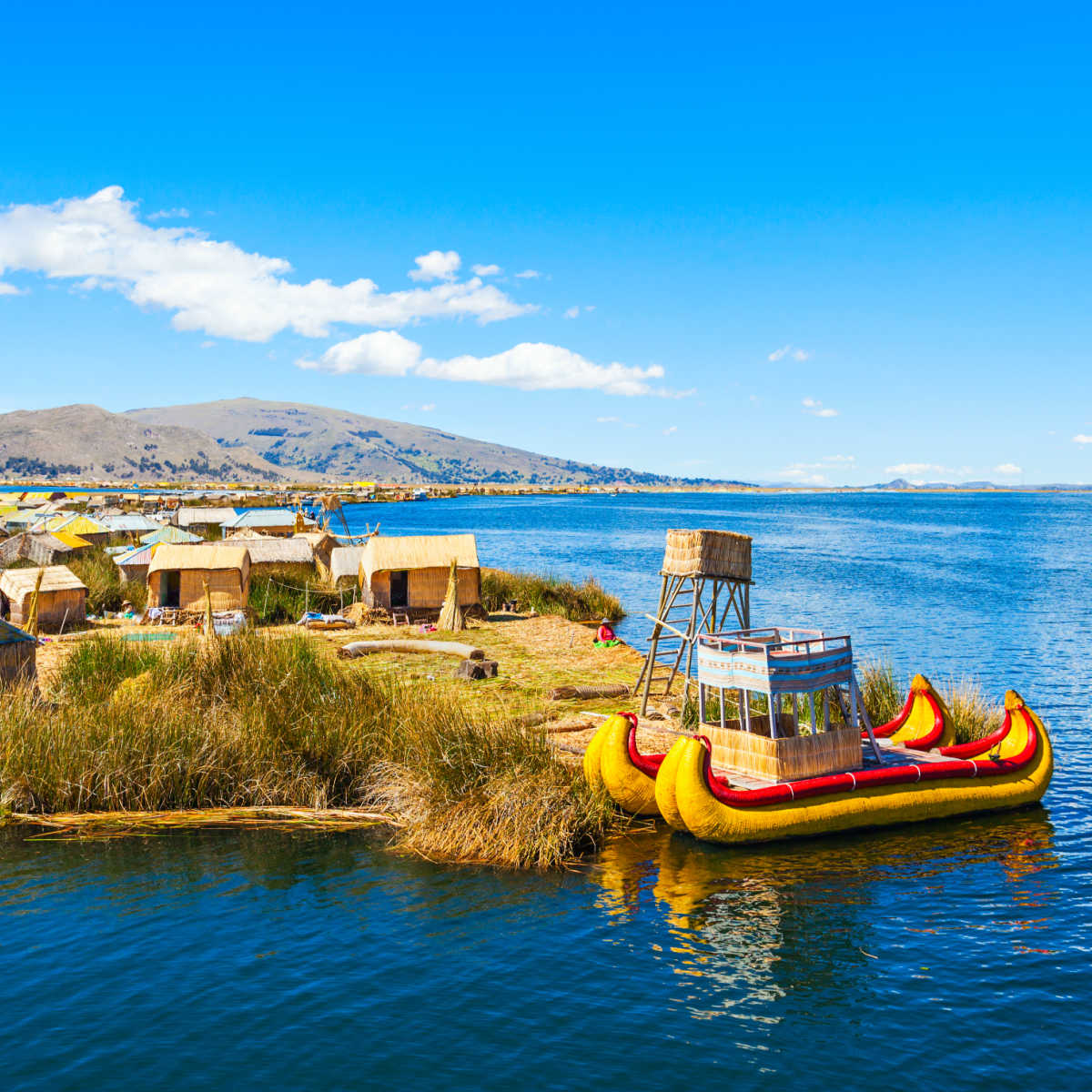
Floating island near Puno, Peru on Lake Titicaca

With a name like Titicaca, I might as well just say “insert joke here”, but the truth is this gorgeous lake is one of the most wondrous bodies of water in South America.

While not as iconic as Machu Picchu, it’s certainly popular enough to be an easy answer to a Jeopardy! question, but most travelers aren’t familiar with Puno itself.

Largely considered the gateway to this phenomenal lake, Puno is seeing a hefty surge in tourism, where adventurers can experience the Uros floating islands, Taquile, Amantaní, and deeply-rooted Andean culture, plus nearby ancient pre-Inca sights like Sillustani if time allows.

3) Tumbes: Discover Peru’s Wild Side
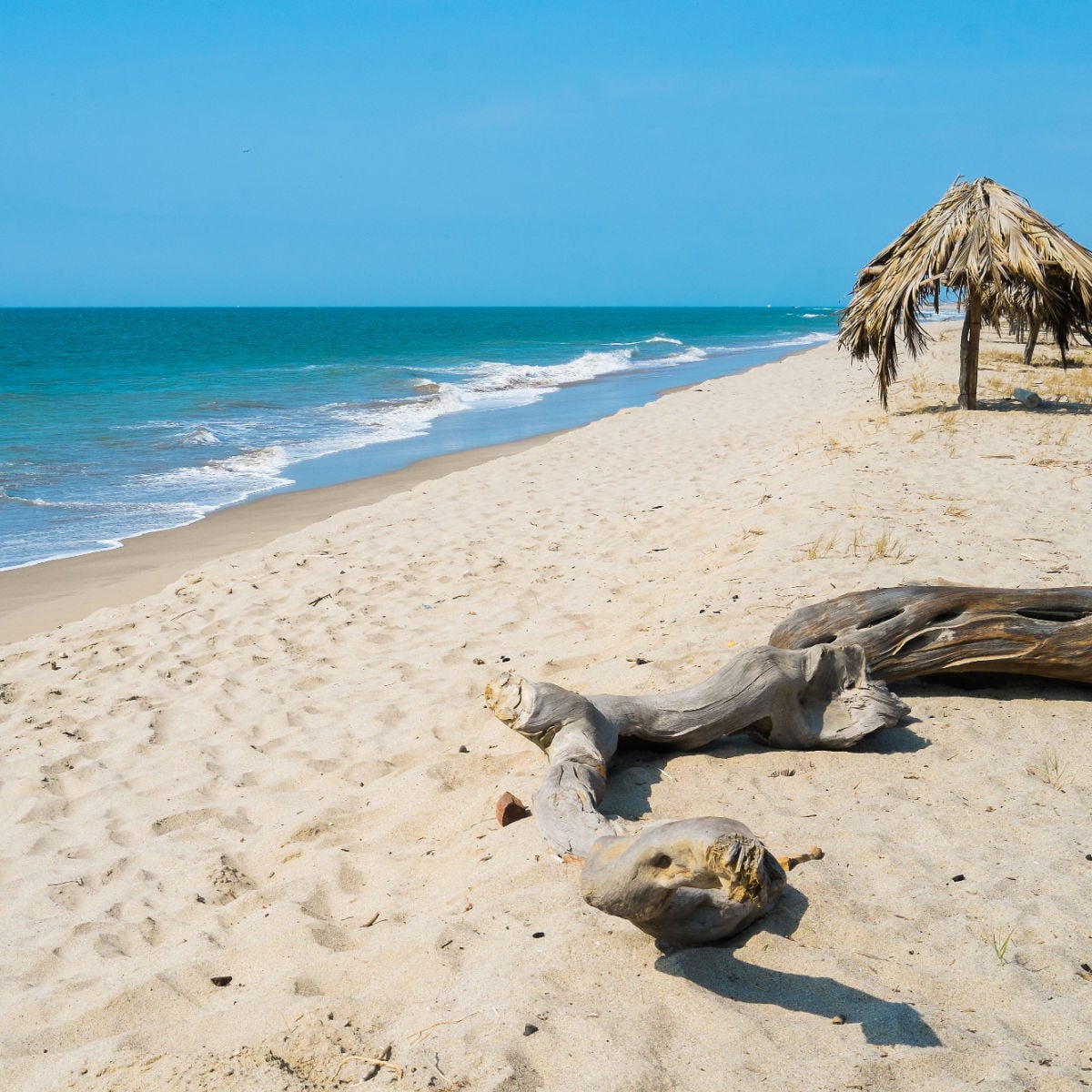
Beach of Zorritos, Tumbes, Peru

Peru is wild; don’t get me wrong.

But when you see the same familiar faces at cafes every day in Cusco, it loses its sense of mystique.

A place like Tumbes is on the flip side of the spectrum, where it feels truly authentic and undiscovered, aligning with what many travelers are craving nowadays to escape cookie-cutter fluff.

Lying on the Tumbes River, this virtually unheard-of town, brimming with wildlife and mangroves, leads to some of the country’s most gorgeous scenery and untouched tropical beaches.

It’s not just Tumbes either — coastal neighbors like Puerto Pizarro, Punta Sal, and Mancora are equally beautiful and blissful away from the usual hotspots.

Beachfront hotel in Mancora, Peru
Christian Vinces / Shutterstock.com

That’s why more travelers are scoping out Peru’s hidden gems, such as Tumbes, and giving the region’s economy a boost for beachfront stays and wilderness excursions.

2) Tacna: Peru’s Underrated Border City

Perhaps the most surprising in the latest data is Tacna, a town that would seem to be on no one’s radar but surging in popularity nonetheless.

The truth is a lot of visitors are simply foot traffic from neighboring Chile and Bolivia, but that’s not to say it’s just a place to take advantage of exchange rates — it’s a bonafide getaway chock-full of timeless plazas, bustling markets, and authentic eats.

Cathedral in Tacna, Peru

Some might say it’s the “St. Louis of Peru,” thanks to its towering arch, while others use Tacna as a gateway to Valle Viejo Miculla for a worthwhile mix of rugged scenery, wine country, and thermal springs

Any way you tackle Tacna, there’s no denying it’s one of Peru’s up-and-coming hotspots and not one you have to ride a rickety bus across borders — you can fly in from Lima via Sky or LATAM.

1) Lima: A Must-Visit For Every Peruvian Vacation

To no surprise, Lima is seeing the biggest spike in tourism.

Whether you’re visiting the aforementioned Tacna or following the usual crowds to Cusco or even the whitewashed gem of Arequipa, Lima is both a springboard and main base.
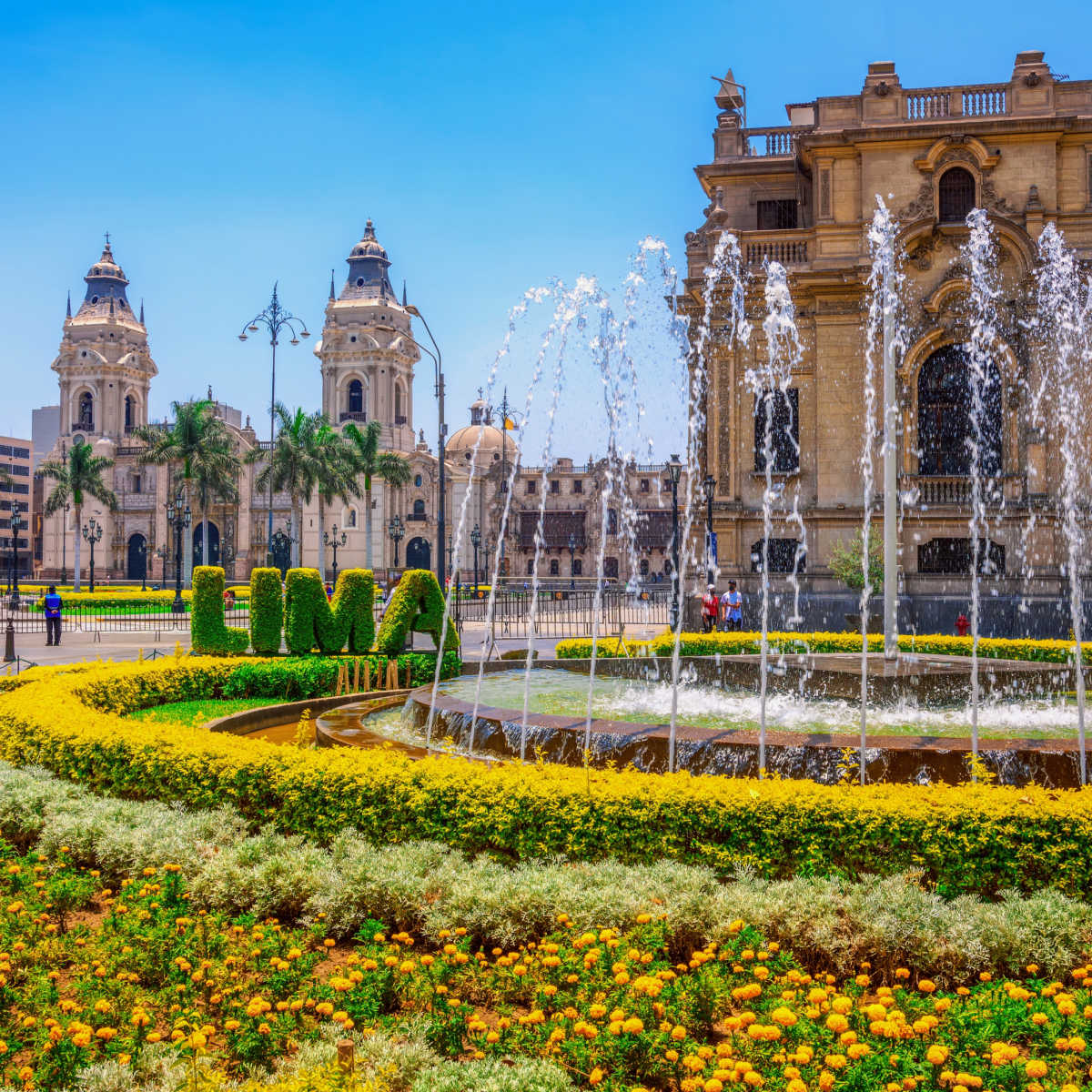
Lima sign and fountain in front of cathedral in Peru

Like me, I didn’t treat Peru as a one-trick pony; I made ample time to explore the vibrant capital before going full Discovery Channel into the Amazon.

Though it’s well known, Lima is a highly underrated city on its own, boasting sky-high bluffs along its gorgeous coastline, particularly in Miraflores and Barranco.

With numerous luxury hotels that won’t break the bank — especially Hilton Lima Miraflores where I stayed — I thought Mexico was the G.O.A.T. of hospitality until I spent a week traversing Peru.

They’re incredibly welcoming.

Certain pockets of the city feel like Miami, others Mexico, and of course there’s still plenty that feels unmistakably Peruvian.

Better yet, I felt safer here than in some American cities (you can guess which ones).


Now take this quiz to find your perfect Peru match!

Step 1 of 3

What is your ideal travel landscape?


Step 2 of 3

What kind of adventure are you seeking?


Final Step

How do you feel about crowds?


🏙️

The Sophisticated Urbanite

Your Match: Lima

Why: You crave vibrant culture, luxury hotels like the Hilton Miraflores, and stunning coastal bluffs.

Don’t Miss: Spending a full week in Miraflores and Barranco to soak in the welcoming hospitality.

🦜

The Untouched Explorer

Your Match: Tumbes

Why: You want to escape “cookie-cutter fluff” for authentic wildlife, mangroves, and tropical beaches.

Don’t Miss: Coastal neighbors like Puerto Pizarro and Punta Sal for absolute bliss.

The Cultural Voyager

Your Match: Puno

Why: You are drawn to wondrous bodies of water and deeply-rooted Andean traditions.

Don’t Miss: The Uros floating islands and the pre-Inca sights at Sillustani.

🏛️

The Off-Path Pioneer

Your Match: Tacna

Why: You value authentic eats, bustling markets, and timeless plazas in rising hotspots.

Don’t Miss: A trip to Valle Viejo Miculla for thermal springs and rugged mountain scenery.


Source link

Leave a Reply

Subscribe to Our Newsletter

Get our latest articles delivered straight to your inbox. No spam, we promise.

Recent Reviews


The Argentine markets took a beating last week, but US Treasury Secretary Scott Bessent has rushed to the rescue with a remarkable promise: America will provide what amounts to unlimited support to prop up Argentina. His declaration that “all options for stabilization are on the table” – including swap lines, direct currency purchases, and buying Argentine government debt – represents an extraordinary blank check.

But here’s the real kicker: Bessent claims Argentina is “systemically important” to the United States. This is financial fiction at its finest.

The Systemic Importance Fairy Tale

Let’s be brutally honest: Argentina poses zero systemic risk to the US financial system. US banks have minimal exposure to Argentine debt. Trade between the two countries is negligible in the context of the US economy. If Argentina defaulted tomorrow, would Bank of America collapse? Would JPMorgan need a bailout? Of course not.

The “systemically important” label is being stretched beyond recognition. If Argentina qualifies, then virtually every country in Latin America – including those the Trump administration just hit with massive tariffs – should qualify too.

This isn’t about systemic risk; it’s about political preferences dressed up as financial necessity.

The Moral Hazard Machine

By offering essentially unlimited support to Argentina, the US is creating a massive moral hazard problem.

The message to Milei’s government is clear: Don’t worry about the hard work of building political coalitions or passing sustainable reforms through parliament. Uncle Sam will catch you if you fall.

This is precisely the wrong incentive structure. Argentina has defaulted on its sovereign debt nine times since independence. Nine times!

The country’s political economy is fundamentally broken, cycling through periods of populist spending followed by crisis and austerity. US financial support doesn’t fix this cycle – it enables it.

The Real Threat to US Financial Stability

Here’s the irony: While Argentina poses no systemic risk to the US, this bailout policy might. Not directly through financial contagion, but through the precedent it sets.

If the US Treasury is willing to provide unlimited support to a serial defaulter like Argentina simply because its president is friendly with Trump and speaks the MAGA language, what’s to stop other countries from playing the same game? Elect a Trump-friendly president, make the right noises about being an ally, and wait for the bailout when things go south.

This transforms the US Treasury into a global lender of last resort – not for genuine systemic crises, but for politically favored regimes. That’s a commitment the US cannot afford, especially when federal debt is already approaching dangerous levels.

The Buenos Aires Reality Check

The timing of Bessent’s announcement is telling. It comes right after Milei’s party got hammered in regional elections in Buenos Aires. The political message from Argentine voters was clear (rightly or wrongly): Milei’s policies aren’t working, and he lacks popular support for his reforms.

Rather than forcing Milei to build political consensus and pursue genuine institutional reforms, the US bailout allows him to double down on rule by decree. This is not sustainable governance. It’s political theater subsidized by American taxpayers.

Where’s the “America First”?

This is where the contradictions become absurd. The Trump administration came to power promising “America First” – putting American workers and taxpayers first, being tough on countries that don’t pay their fair share, and ending the era of the US playing global policeman.

Yet here we are, with a Trump-appointed Treasury Secretary promising unlimited support to a country that has stiffed international creditors nine times. How exactly does bailing out Argentine bondholders put American workers first? How does propping up a foreign government that can’t even win local elections serve US interests?

The Unlimited Commitment Problem

Perhaps most troubling is the open-ended nature of Bessent’s commitment. “All options are on the table” with no conditions, no limits, no requirements for structural reform. This isn’t a rescue package – it’s a blank check.

What happens when Argentina needs another injection in six months? Another one in a year? At what point does the US Treasury say “enough”? And when that moment comes as it inevitably will won’t the withdrawal of support trigger an even bigger crisis?

The Alternative Nobody Wants to Discuss

Here’s what should happen: Argentina should be allowed to face the consequences of its political and economic choices.

Yes, this means potential default. Yes, this means economic hardship. But it also means the country would finally be forced to confront its fundamental problems rather than papering them over with foreign money.

The IMF learned this lesson the hard way after multiple failed bailouts. Now the US seems determined to repeat the same mistakes, but with even less conditionality and oversight.

Conclusion

This isn’t about whether one likes or dislikes Milei. It’s about the dangerous precedent of the United States providing unlimited financial support to a country that poses no genuine systemic risk to the US financial system (or to the global financial system).

The moral hazard is obvious: Why should any country pursue painful but necessary reforms when they can simply wait for a bailout? Why should Argentina fix its institutional problems when the US Treasury stands ready to finance its dysfunction?

Ultimately, this policy doesn’t just threaten US financial stability through the direct cost of supporting Argentina.

It threatens the entire architecture of international financial responsibility. When “systemically important” becomes a political designation rather than an economic reality, and when bailouts come with no strings attached, we’re not promoting stability. The US taxpayers will be subsidizing instability.

The world is indeed upside down when an “America First” administration puts Argentine bondholders before American taxpayers.

PS Back in July I warned about Milei not being the miracle maker that some was making him up to be in my blog post Classical Liberals, Let’s Be Honest About Milei


Source link