
Follow ZDNET: Add us as a preferred source on Google.
ZDNET’s key takeaways
- The MacBook Neo raised the bar for the budget PC market.
- Existing budget PCs are inferior to the Neo.
- Google may be better positioned to compete with the Neo than Windows is.
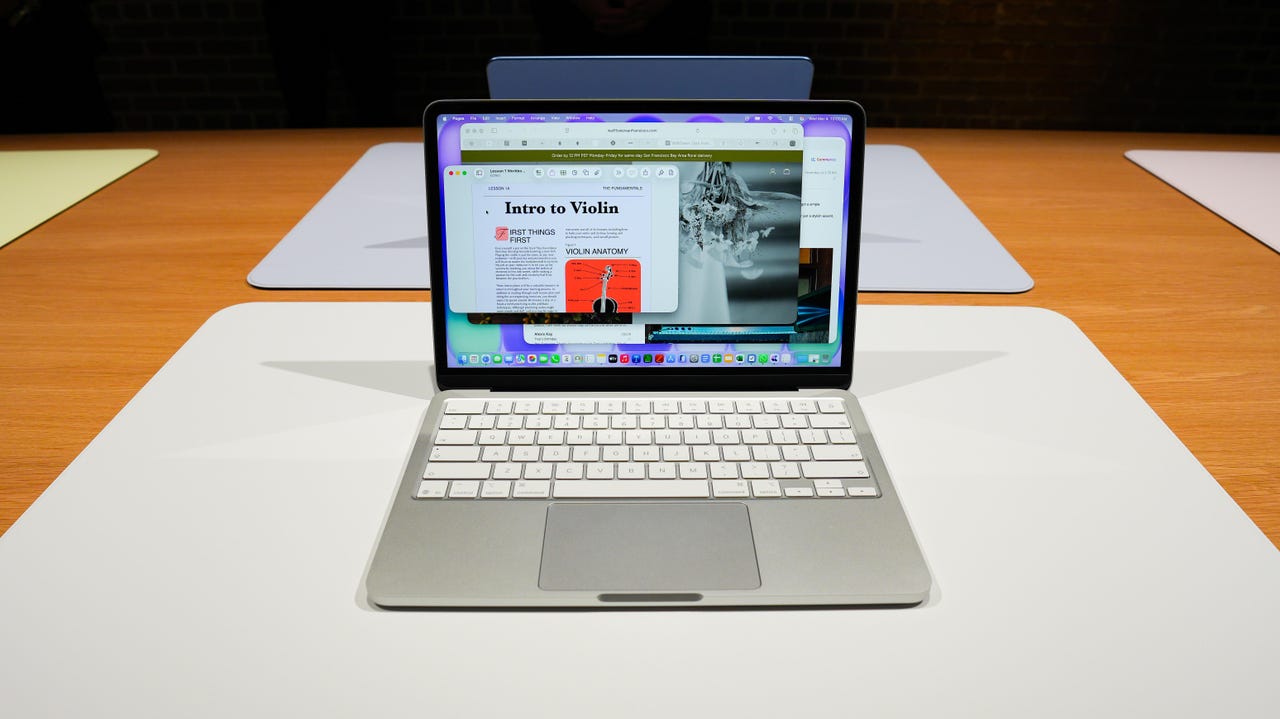
Apple’s $599 MacBook Neo was a shock to the Windows PC market — and that’s a good thing. The most affordable MacBook ever brings a new experience to budget laptops, forcing Microsoft and its partners to respond with higher-tier products that can actually compete.
Let’s face it, the low-end of the PC market is a little dismal: uninspired displays, clunky form factors, and lackluster performance. Sure, you get what you pay for, but the Neo is so popular because it punches above its price point. In fact, since its March 2026 release, it’s been flying off shelves, exceeding Apple’s projected numbers and resulting in a backlog on Apple’s official site.
Also: We compared the MacBook Neo to its closest Windows and Chromebook rivals: by the specs
You can bet that Microsoft is working on a follow-up. It’s only been a few months, but we’re starting to see the first PCs at similar prices with similar features, including some rumored developments. We’ve already identified a handful of Windows PCs (and Chromebooks) that could rival the MacBook Neo, but how do they actually hold up?
The side-by-side
PC makers have grown accustomed to releasing products of a certain caliber in this price range. That means lower-resolution displays, less expensive build materials such as plastic rather than aluminum, and modest processor technology. When you put these laptops next to the Neo, the differences are glaring.
For example, take a look at this laptop that seems like a solid competitor on the surface: LG’s Gram Book 15-inch for, you guessed it: $599. It’s a slick-looking laptop with 8GB of RAM and 512GB of storage — the same as the Neo.
The processors are also comparable. The Gram Book houses an Intel Core Ultra 5 115U in Intel’s Meteor Lake series from 2024, and the Neo’s A18 Pro chip is also from that year. Additionally, the Gram Book has way more ports than the Neo: two USB-Cs, two USB-As, an HDMI, a headphone jack, and a lock slot.
But the Neo pulls ahead when you look at the details. Its display is smaller, but it has a 2408 x 1506 resolution compared to the 1920 x 1080 FHD on the Gram Book, meaning it will look far sharper. The Gram Book’s matte display is bordered by plastic bezels, whereas the Neo’s all-glass panel feels way more premium. The Neo’s aluminum build also beats out the Gram Book’s mostly plastic chassis.
Also: Framework Laptop 13 Pro vs. MacBook Neo: These Windows rivals are more similar than expected
And that’s not even mentioning the Apple integrations the Neo has for iPhone users: Messages, FaceTime, Phone Mirroring, and quality-of-life features like AirDrop. Windows’ smartphone app doesn’t compare.
Google rising?
The Neo certainly converted some Windows users, but it’s not the only alternative to Microsoft’s ubiquitous operating system. Google’s ChromeOS offers a lightweight, streamlined platform with some very affordable devices.
I made the case that the Lenovo Chromebook Plus 14 is the closest Chromebook competitor to the Neo, even doing a few things better. It has a stunning OLED display, a lightweight build, and fantastic keyboard and speakers. Plus, the MediaTek Kompanio ARM-based processor is fast and battery-efficient. But it’s more expensive. The Neo still wins on value.
Lenovo Chromebook Plus 14
Kyle Kucharski/ZDNET
ChromeOS is limited in functionality in comparison to the decades of maturation that MacOS has under its belt. But Google also most certainly has plans to compete. Rumors of a ChromeOS redesign have been circulating for months, and Google has a big opportunity here to go head-to-head with Apple in its smartphone integrations.
If Google can bring more Android features to ChromeOS, it’ll join Apple with native features that unify the laptop and smartphone experience — something Windows doesn’t have. That could be huge.
Also: The case for buying a MacBook Neo right now – especially for students
One thing is certain: The MacBook Neo has pushed PC and Chromebook manufacturers to set a new standard for budget devices, and this is great news for consumers. We’ll see if Microsoft can pull off devices in 2026 that can truly rival the king of budget computing.