5 Ryobi Products That Fix Problems You Didn’t Realize You Had


We may receive a commission on purchases made from links.

While many power tool companies offer products that address generic problems, some manufacturers take it to the next level with their market research. Over the years, Ryobi has rolled out a ton of unique tools, such as pool vacuums, heated cushions, and bug zappers, which set it apart from other big name brands. So it’s not surprising that it has also developed products that help solve problems that you may not even know you had, especially if you have specific projects or a particular set of skills that need some assistance.

Whether it’s dealing with slightly annoying jobs, working with limited space, cleaning up, or undertaking repeatable tasks that need a high level of precision, there are a few unexpected tools in the Ryobi lineup that could drastically improve your efficiency. In some cases, they may already be powered by a Ryobi battery system you already own, and if they also cover more than one function, that gives you more bang for your buck.

We’ve rounded up some products you can buy today that might be worth a look. To know more about the exact reasons why we selected these items, you can head over to the end of the article, but if you’re curious as to what hyper-specific problem you have that doesn’t actually need to be an issue anymore, keep reading.

Ryobi Stowaway Wall Mounted Workbench

Have you ever looked at your very limited floor space and wondered if you do enough on your workbench to merit having it anyway? While some projects need a stable surface to work on, you might want the storage space more often. Ryobi’s Link Modular Storage System has a few problems, but the brand also makes standalone solutions like the Stowaway Wall Mounted Workbench that can make small garage spaces feel more manageable. A combination of a 5-inch shelf and a workbench, it can be folded down when not in use with soft-close hinges. With a Âľ-inch thickness, the workbench itself measures 44 inches by 22 inches. When it’s time for a project, you can use its 1-handed auto lock and locking pin. Most people won’t even have a problem sitting on it as long as it’s mounted properly, since it has a 300-pound maximum weight capacity.

As of April 2026, the $119 Ryobi Stowaway Wall Mounted Workbench doesn’t have a lot of reviews yet. However, early feedback has been promising. On the Ryobi website, it has a generally positive 4.9-star average rating from 12 users, where people have praised both its ease of installation and how it’s perfect for their small garage. On Home Depot, it also boasts an average rating of 4.7 stars from more than 130 customers. A Pro Tools Review not only gave it a thumbs up for the quality, but also shared that it took less than half an hour to install.

Ryobi Power Scrubbers

When you’re young, you can get away with squatting down and scrubbing things to get them squeaky clean. But if you’re already at the point where back pain visits more than your friends, did you know that a power scrubber can be a better way to do the job? If you want to be more efficient with your cleaning, one of Ryobi’s three different power scrubber variants could be what you need.

The most popular option out of the three, the USB Lithium Power Scrubber Kit, has been rated 4.7 stars on average by over 480 Ryobi customers. Compatible with its Hex Shank accessories, it offers a lot of flexibility for different levels of scrubbing power. While it is pretty highly rated across platforms, we’ve mentioned before that some people are dissatisfied with its strength. If you need more punch, people think the 18V ONE+ Power Scrubber works pretty well too.

For people who need extra length, there’s also the $74 USB Lithium Telescoping Power Scrubber Kit. And if you want to spend less time cleaning the annoying tight corners that you would have had to use your old toothbrush for, you can snag the USB Lithium Detail Scrubber Kit, which more than 90 people rated around 4.6 stars. Retailing for just under $40, it comes with three heads, as well as additional ones you can buy online. Apart from the tile, grout, and fiberglass, it can also be used to clean your car or even your shoes.

Ryobi USB Lithium Foam Cutter Kit

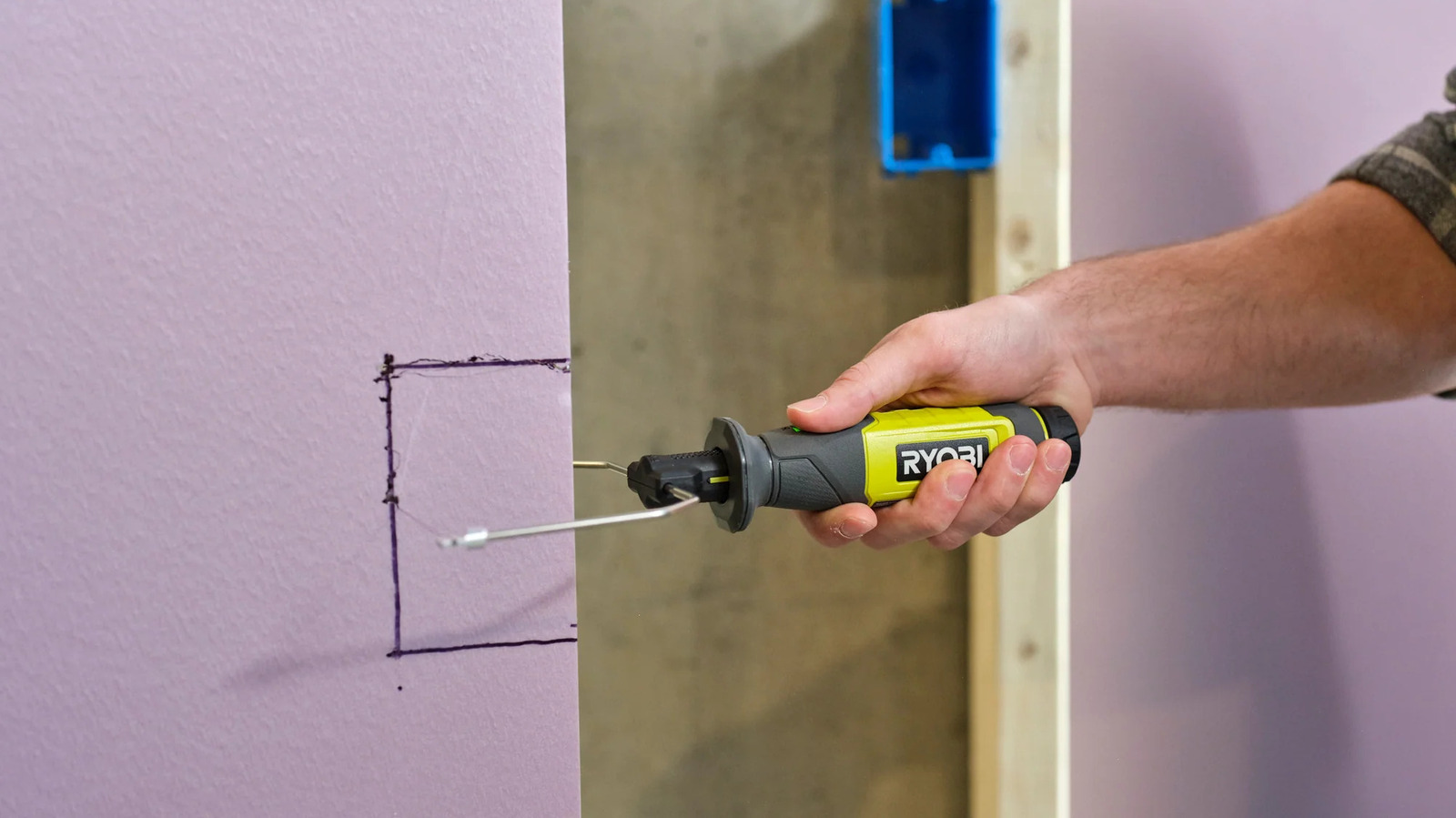
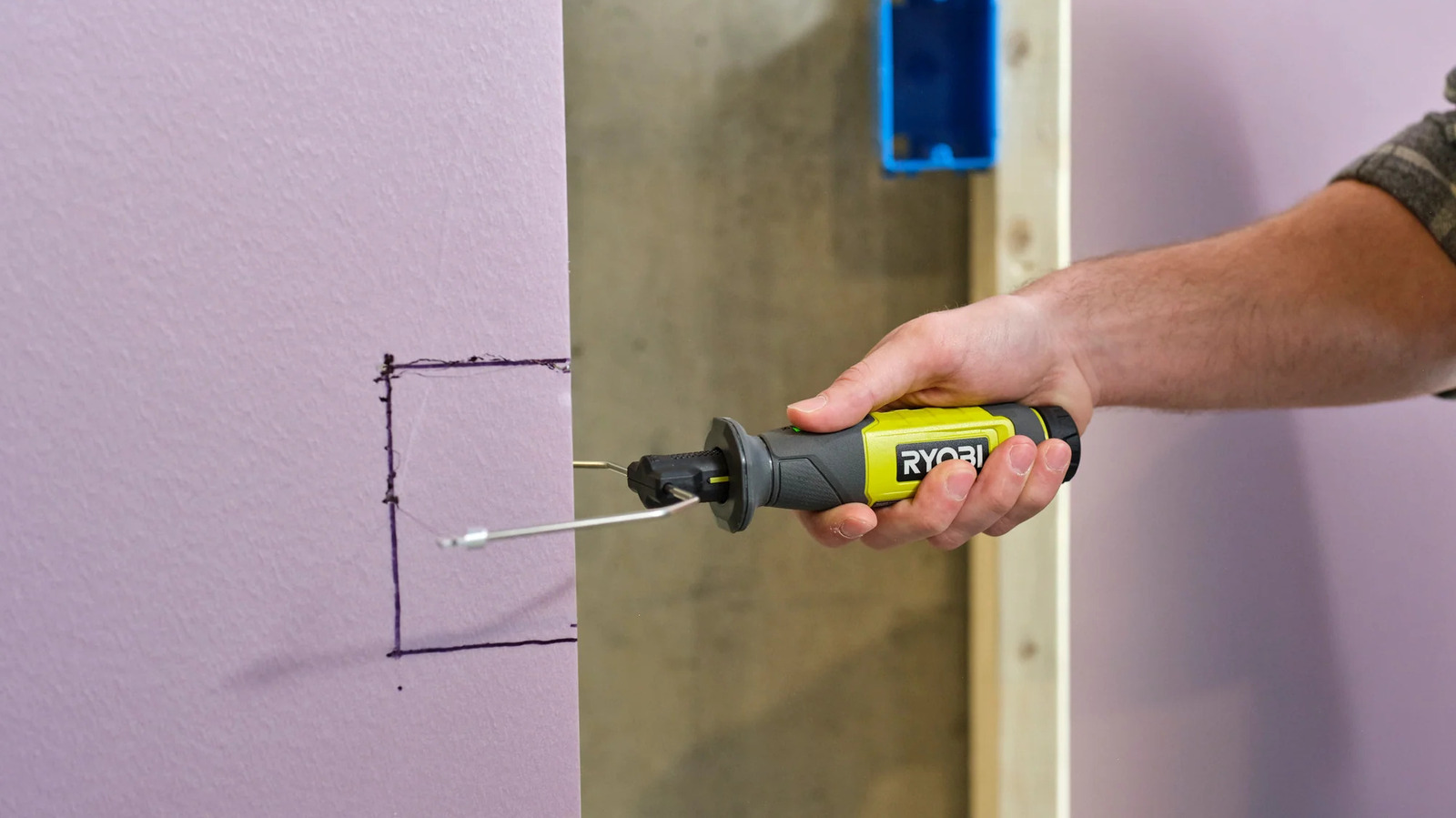
Foam is a perfect material for a wide range of artistic projects, like sculptures, installations, or architectural models. Many tabletop gamers use foam for simulating different kinds of terrain, and it’s a common material used by cosplayers for making costumes and props. It’s also relatively affordable, lightweight, and easy to get. That said, it’s not always the easiest material to use without the right tools. While you can cut it with ordinary cutters, you may find yourself struggling to make clean, precise cuts. So, if you’re serious about making more professional-looking pieces, the Ryobi Hot Wire Cutter is a niche Ryobi tool that can help you take your projects to the next level.

Priced at $99, the Ryobi USB Lithium Foam Cutter Kit has generated an average rating of 4.6 stars from 30 customers on the Ryobi website, while it has a 4.4-star average rating from 95 Home Depot buyers. As well as its 0.01-inch diameter nichrome wire, it ships with holing and precision engraving tips and a stand. On the handle, it has tool-free tip change features, an LED battery life indicator, and the on/off button. Capable of heating up within 2 minutes, it also has dual heating settings that you can play with. In terms of longevity, you can buy the USB Lithium Foam Cutter Replacement Nichrome Wire, which retails for about $12. And if your specific project needs scooping or blade tips, there’s the $29.97 USB Lithium Foam Cutter 2-piece Tip Kit.

Ryobi 18V ONE+ 20GPM Submersible Water Transfer Pump

If you have ever dealt with a flooded basement (or any situation wherein you need to move a lot of water), busting out buckets and manually carrying them from one place to another can be stressful. Thankfully, it can be a thing of the past with Ryobi’s 18V ONE+ 20GPM Submersible Water Transfer Pump.

While it doesn’t ship with a garden hose, it is compatible with the standard Âľ-inch outlet. And if you plan to use it with your hot tub or pool, it’s made to work with both hot and chlorinated water too. In addition to having a strainer and turning off when it doesn’t have any more water, you can set it to shut down in three modes with increments of 5 minutes. Capable of generating â…™ horsepower, Ryobi notes that it can do the job at 20 gallons per minute and drain to 1 â…™-inches.

Depending on whether you already own the 18V ONE+ battery system, you can opt to get the tool ($187.27) or the kit with a 4Ah battery and charger ($199). So far, the tool-only option doesn’t have a significant number of reviews on the Ryobi website, but the 3 people who did review it all gave it a perfect rating. On the other hand, more than 50 people rated it about 4.8 stars on Home Depot. In particular, people have mentioned how it was useful during power outages and when servicing tankless water heaters.

Ryobi USB Lithium Power Cutter

After being trigger-happy with your Amazon purchases, you may find yourself with a mountain of delivery boxes that need to be cut down to size to fit your recycling bins or into usable shapes for craft projects. And if you’re looking for a more efficient way to do it, the Ryobi USB Lithium Power Cutter can be a good all-around cutting tool. Designed for use on cardboard, plastic, carpet, rubber, and leather, it has a self-sharpening blade that can cut at speeds up to 270 rpm. It also comes with a guideline, which can be useful for projects that require straighter lines. In addition, it has an LED indicator that warns you when it’s time to charge its 2Ah battery. Apart from cutting up cardboard delivery boxes, it can also be used to attach contact paper perfectly, upholster furniture, or get rid of different materials during a renovation.

As of April 2026, the Ryobi USB Lithium Power Cutter has a ton of satisfied customers. On the Ryobi website, 545 people rated it 4.7 stars on average. On Home Depot, it’s even more popular, with 1,300 people rating it about 4.3 stars. Many people praised its battery life, with one user even sharing that its usage barely made a dent, even after 2 hours and 40 Amazon boxes-worth of cutting. Among satisfied customers, there was a person with arthritis who praised how it made cutting things for recycling more convenient.

Methodology

To make this list, we looked through the Ryobi portfolio and identified items that address specific pain points. To do this, we considered tools that fulfill the needs of niche communities, such as pool owners, artists, people living in small spaces, and those with mobility issues. In addition, we looked at tools that address hyper-specific issues that we deal with every day, like cleaning or ripping up boxes for recycling.

Next, we chose tools that have been rated at least 4 stars on average by more than 50 people across both the official Ryobi website and Home Depot. For those who are already invested in the Ryobi ecosystem, we listed products from their USB Lithium or 18V ONE+ battery systems. When possible, we also noted adjacent products from the Ryobi portfolio that can augment your experience or serve as alternatives. In some cases, we also cited specific instances in which its users praised its performance. Lastly, we also mentioned feedback from reviews from reputable publications, including those from the SlashGear team.


Source link

Leave a Reply

Subscribe to Our Newsletter

Get our latest articles delivered straight to your inbox. No spam, we promise.

Recent Reviews


Every woman’s body, including their monthly menstrual cycle, is different. For example, some experience moderate cycles that last a full seven days, others may have shorter and lighter periods, and still others may experience heavy bleeding for more than seven days each month. While variation in bleeding can be normal, if bleeding occurs between monthly cycles, it can be a cause for concern.

According to the Journal of Endometrial and Uterine Disorders, abnormal uterine bleeding (AUB) involves bleeding that happens outside of the regular menstrual cycles. Symptoms include spotting or heavy bleeding on an unexpected basis, as well as severe pain and cramping.

AUB, also known as menometrorrhagia, is not uncommon. In fact, research published in the British Medical Journal estimates that the condition impacts between 20-50% of women at some point during their reproductive years. Review this brief guide to learn about the symptoms as well as the treatment options available.

Common Causes of AUB

The causes of abnormal uterine bleeding can vary, as they are related to a range of medical issues and even certain medications. According to the Mayo Clinic and the American College of Obstetricians and Gynecologists, these are some of the most common causes of AUB.

Hormonal Issues

Hormones play a significant role in uterine bleeding as they are the primary factor behind the regulation of menstrual cycles. Hormonal imbalances most frequently occur in women just beginning menstruation and those who are beginning menopause.

Hormonal imbalance and uterine bleeding are often intertwined, and an imbalance can result in one of the following causes of abnormal uterine bleeding:

Polycystic Ovary Syndrome (PCOS)

This common condition involves multiple cysts on the ovaries, impacting hormone balance by increasing androgen hormones. PCOS is one of the primary causes of irregular periods, decreased fertility, acne, facial hair growth, and thinning hair.

Thyroid Disorders

Thyroid disorders refer to any issues related to the thyroid that prevent it from creating hormones that impact the body’s major functions. Both hyperthyroidism (excessive thyroid hormones) and hypothyroidism (low thyroid hormones) can cause irregular periods, missed periods, or heavier/lighter bleeding.

Noncancerous Growths

Noncancerous (or benign) growths found in the uterus can also cause abnormal uterine bleeding.

In some cases, bleeding can result from growths that create a blockage; in others, the growth can bleed, resulting in AUB. Some kinds of growths that can happen in the uterus include:

Polyps

These growths are found in the inner lining of the uterus and are connected to the lining by either a thin stalk or a large base within the uterus. While they are usually benign, they can create issues with bleeding or fertility if they are not treated.

Fibroids

Uterine fibroids are a kind of noncancerous tumor found growing either in or on the uterus. Symptoms are not always experienced, but the most common include back pain, painful sex, frequent need to urinate, and heavy bleeding.

Endometriosis

Endometriosis refers to an inflamed inner lining of the uterus caused by infection. It can occur suddenly (acute endometriosis) and last only a short time, such as after birth, miscarriage, or surgery involving the cervix or uterus. Chronic endometriosis often occurs after menopause or after certain sexually transmitted infections.

Fortunately, benign growths can be addressed by your physician. Learn more about fibroid and endometriosis treatments.

Infections

Certain sexually transmitted infections (STIs) or other types of infections can result in abnormal uterine bleeding.

Some of the most common infections that can cause bleeding include:

Cervicitis

Most often caused by an STI, this infection occurs when the cervix has become irritated and inflamed. Some symptoms that may be experienced are pain during sex, unusual vaginal discharge, or irregular bleeding.

Chlamydia

This common STI can be spread through vaginal sexual intercourse, oral sex, or anal sex. As there are often no symptoms associated with chlamydia aside from irregular bleeding, regular screenings are suggested.

Urinary Tract Infections

UTIs aren’t an indicator of uterine bleeding but of an issue within the urinary tract itself. However, if you notice blood when wiping that occurs outside of your menstrual cycle, it may result from a UTI rather than uterine bleeding.

Medications and Devices

Some medications and medical devices that are meant to treat menstrual or bleeding issues can cause irregular or heavy uterine bleeding.

Medications may include:

  • Blood thinners and aspirin
  • Intrauterine devices
  • Some kinds of birth control
  • Tamoxifen, a drug used to treat breast cancer

Other Medical Issues

There are several other medical conditions that can also contribute to abnormal uterine bleeding.

These include:

Pregnancy

While light spotting can occur when the zygote is implanting during early pregnancy, heavier bleeding during late pregnancy can be the result of a serious complication like polyps, infection, placental abruption, or cervical insufficiency. If you are pregnant and begin bleeding, contact your healthcare provider right away.

Miscarriage

Progressively heavier bleeding during pregnancy can indicate a miscarriage. Miscarriage can result from an issue with the developing fetus or one of the issues above.

Ectopic Pregnancy

An ectopic pregnancy occurs when the embryo grows in the fallopian tube, which is not designed to support a growing fetus. Abnormal uterine bleeding can indicate an ectopic pregnancy.

Blood Clotting Disorders

Clotting disorders affect the body’s ability to control its clotting function, either producing excessive clots that don’t result from injury or excessive bleeding. A side effect of treatment for excessive clotting can result in heavy bleeding.

Abnormal Uterine Bleeding Symptoms to Watch For

Abnormal Uterine Bleeding Symptoms to Watch For

Typical menstrual cycles can last anywhere between 21 and 35 days, beginning the first day of menstruation, when endometrial lining is shed from the uterus if an egg has not been fertilized. The period usually lasts between five to seven days.

Bleeding that occurs after the cycle has finished is considered abnormal. Other symptoms can indicate a serious underlying issue as well.

Symptoms that are important to watch out for include:

  • Bleeding or spotting after a menstrual cycle
  • Bleeding or spotting after having sex
  • Bleeding after starting menopause
  • Having a menstrual cycle lasting longer than 35 days or less than 21 days
  • Irregular periods, including having a period more often than the 21-day cycle, and the cycle extending to longer than eight days
  • Very painful menstrual cycles
  • Experiencing extreme tiredness
  • Experiencing symptoms of anemia, such as weakness and shortness of breath

Heavy Menstrual Bleeding

Heavy menstrual bleeding is a common way many women experience abnormal uterine bleeding.

Some symptoms include:

  • Needing more than one sanitary napkin to contain the flow
  • Soaking through one sanitary napkin each hour consistently throughout several hours
  • Bleeding for longer than seven days
  • Waking up throughout the night to change a sanitary napkin
  • Having blood clots that are larger than the size of a quarter
  • Feeling extreme fatigue or out of breath due to loss of blood

Periods that involve heavy bleeding and extreme cramping can make it very difficult for a woman to function normally. Suffering through painful and heavy periods does not have to continue, however, as heavy period treatments are available.

Uterine Bleeding After Menopause

Menopause refers to the time when a woman has stopped getting a monthly cycle for at least twelve months consecutively. Even though the menstrual cycle has finished in menopause, bleeding can still occur.

There may be several reasons for bleeding during and after menopause, such as:

  • Weak uterus due to hormone deficiencies
  • Endometrial hyperplasia
  • Polyps
  • Hormone replacement therapy
  • Some kinds of cancers involving the female reproductive system

Uterine bleeding and menopause can occur at the same time, but it is typically a cause for concern, which is why it is important to seek medical attention. Seek comprehensive and compassionate care for menopause with Arizona Gynecology Consultants menopause services.

When to See a Doctor

Abnormal uterine bleeding can be alarming, but it is not always a reason to call your doctor. Certain symptoms, however, are indicative of a severe issue or an issue that has gone unnoticed and untreated.

Some signs of when to see a doctor for heavy bleeding include:

  • Bleeding heavily and leaking through one sanitary napkin for more than two hours at a time
  • Bleeding even after you have completed a menstrual cycle
  • Bleeding or spotting after menopause
  • Severe pain or cramping if you are not currently having a period
  • Bleeding for longer than seven days
  • Bleeding while also experiencing chest pain, dizziness, difficulty breathing normally, and fever
  • Having periods at unpredictable times
  • Bleeding while also experiencing anemia (including weakness or difficulty breathing)

Even if you don’t believe your symptoms are indicative of a severe issue, if they are making daily life difficult, discuss them with your doctor to pinpoint the cause and explore available treatments.

Seek Medical Attention for Abnormal Uterine Bleeding

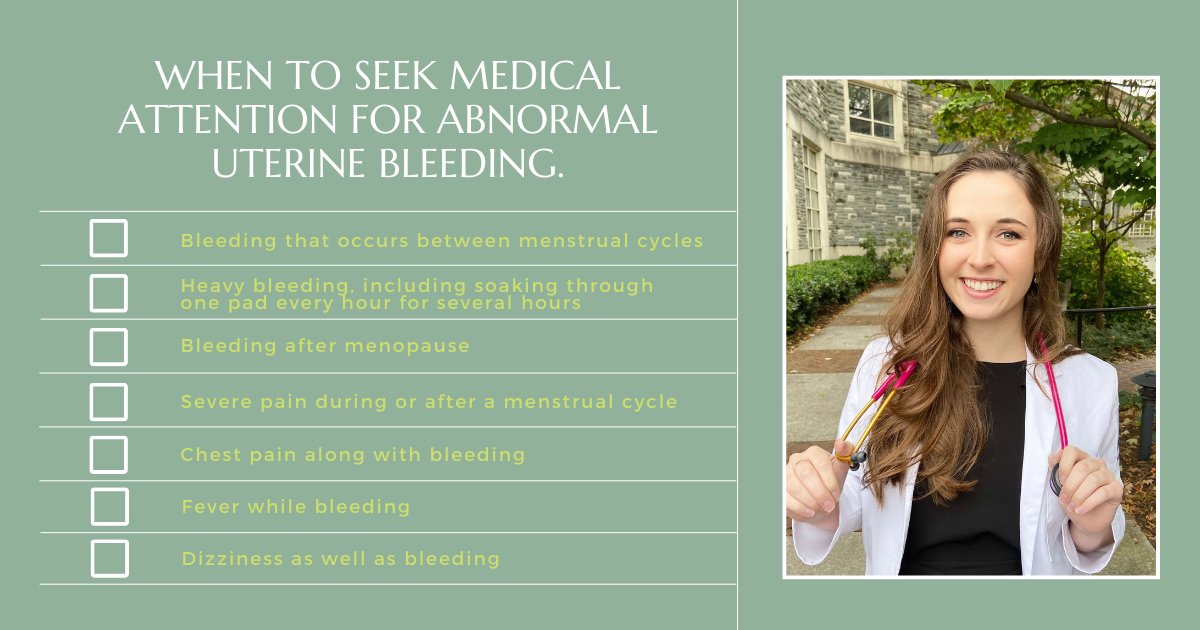
When to Seek Medical Attention for Abnormal Uterine Bleeding:

  • Bleeding that occurs between menstrual cycles
  • Heavy bleeding, including soaking through one pad every hour for several hours
  • Bleeding after menopause
  • Severe pain during or after a menstrual cycle
  • Chest pain along with bleeding
  • Fever while bleeding
  • Dizziness as well as bleeding

Diagnosis and Treatment Options

While a diagnosis of menometrorrhagia (or abnormal uterine bleeding) can occur without a known cause, a physician must identify the cause to assess your treatment options. This means that they will need to review your medical history, consider your age, the symptoms you are experiencing, and whether you have any known conditions that can result in AUB.

Diagnostic Tests

The American College of Obstetricians and Gynecologists suggests a full medical history review as well as both a physical exam and pelvic exam.

Other diagnostic and exploratory tests may be needed, such as:

  • An ultrasound
  • A hysteroscopy
  • An endometrial biopsy
  • A sonohysterography ultrasound
  • An MRI

Blood tests may also be necessary to determine whether you have an infection and to check your hormone levels. Additional biopsies may be necessary to eliminate the possibility of cancer.

Treatment Options

Depending on the cause of the bleeding, there are several different treatment options available.

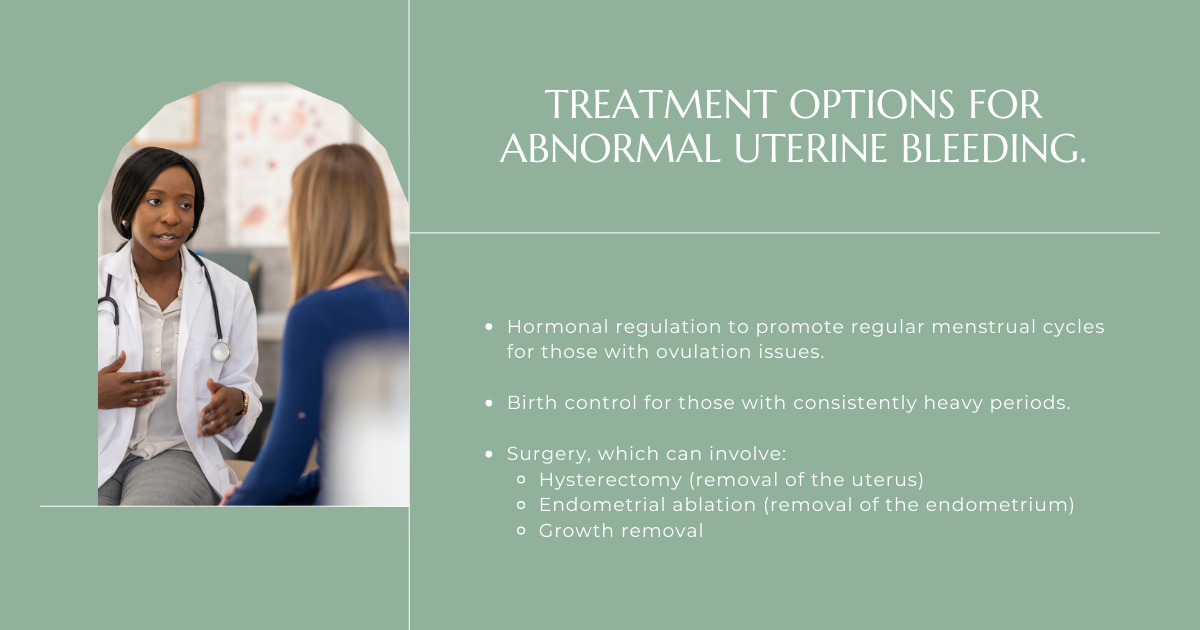
Treatment Options Abnormal Uterine Bleeding

Some of these treatments include:

  • Hormonal regulation to promote regular menstrual cycles for those with ovulation issues.
  • Birth control for those with consistently heavy periods
  • Surgery, which can involve:
    • Hysterectomy (removal of the uterus)
    • Endometrial ablation (removal of the endometrium)
    • Growth removal

Abnormal Uterine Bleeding FAQs

Abnormal uterine bleeding can cause valid concern. While we recommend consulting with your doctor about your specific issues, we’ve answered some commonly asked questions relating to AUB:

Is There a Difference Between Chronic and Acute Abnormal Uterine Bleeding?

AUB is considered a chronic issue if it continues to occur for at least six months. If the abnormal bleeding has occurred suddenly and unexpectedly, then this is considered acute abnormal uterine bleeding. Keeping a log can be helpful for determining the frequency.

Is There a Certain Age When Abnormal Uterine Bleeding Is More Common?

While irregular bleeding can happen to women of all ages, it is more common for women in certain stages of life. Abnormal uterine bleeding is more common between the ages of 9 and 14, when a girl begins getting regular menstrual cycles. It is also common for women approaching perimenopause (the time before menopause), typically around the age of 50. During perimenopause, periods can be irregular, or the flow may become heavier or lighter.

Who Is at Risk for AUB?

Women who are of age to reproduce are at risk for developing AUB.

Additional risk factors for AUB can include: 

  • Adolescence
  • Perimenopause
  • Obesity
  • The use of blood thinners
  • The use of an IUD

Schedule a Visit with Arizona Gynecology Consultants

Schedule a Visit with Arizona Gynecology Consultants

Don’t ignore symptoms like heavy or irregular bleeding. Take control of your health and get answers with help from the professional team at Arizona Gynecology Consultants.

Our experienced team is here to guide you toward the best treatment options—schedule your visit today.

*Editor’s Note: This article was originally published April 2, 2017 and has been updated May 5, 2025.


Resources:

  1. Chen, M.-J., Luo, L., Liu, Y.-Y., Liu, M.-E., & Hsu, Y.-C. (2024). Heavy menstrual bleeding and outcomes in women: A narrative review. Taiwanese Journal of Obstetrics & Gynecology, 63(1), 7–13. https://doi.org/10.1016/j.tjog.2023.11.006
  2. Munro, M. G., Fraser, I. S., & Archer, D. F. (2022). Abnormal uterine bleeding in reproductive-aged women. BMJ, 378, e070906. https://doi.org/10.1136/bmj-2022-070906
  3. Mayo Clinic. (2022, January 18). Menorrhagia (heavy menstrual bleeding). Mayo Foundation for Medical Education and Research. https://www.mayoclinic.org/diseases-conditions/menorrhagia/symptoms-causes/syc-20352829
  4. Cleveland Clinic. (2023, May 30). Menometrorrhagia (abnormal uterine bleeding). https://my.clevelandclinic.org/health/diseases/menometrorrhagia-abnormal-uterine-bleeding
  5. American College of Obstetricians and Gynecologists. (2021). Abnormal uterine bleeding. https://www.acog.org/womens-health/faqs/abnormal-uterine-bleeding
  6. Yale Medicine. (n.d.). Abnormal uterine bleeding. Yale University. https://www.yalemedicine.org/conditions/abnormal-uterine-bleeding
  7. University of Utah Health. (n.d.). Uterine bleeding. https://healthcare.utah.edu/womens-health/gynecology/uterine-bleeding

The post What Is Abnormal Uterine Bleeding? appeared first on AZGyn.


Source link