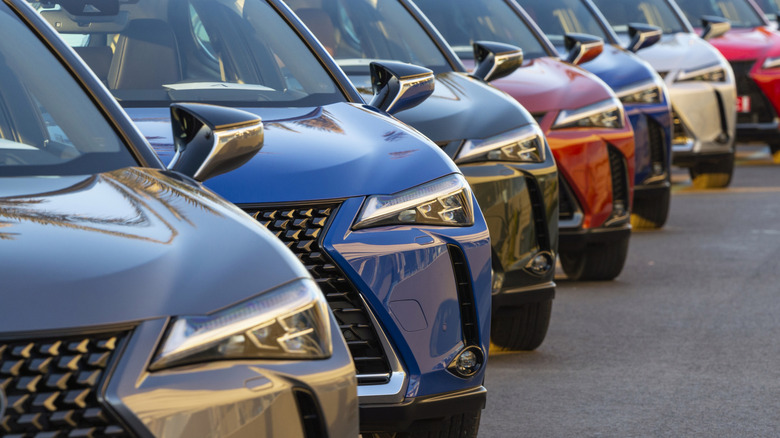
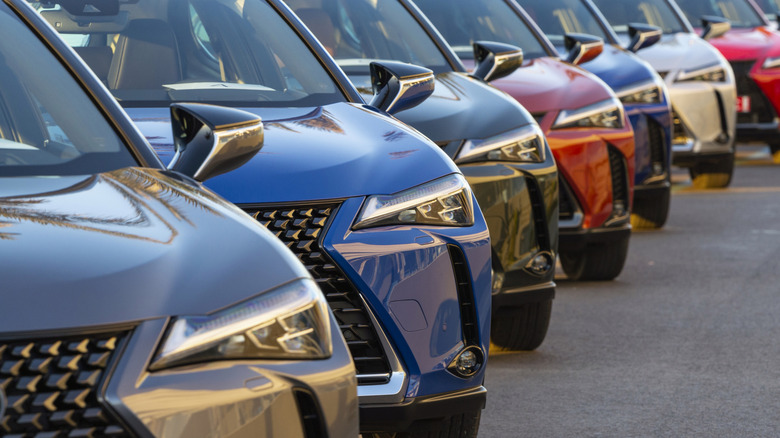
It seems like a daunting task to buy a new car right now, with the average price higher than ever before. Tariffs, wars, and rising gas prices are constant talking points. While it’s true that you may pay more for a new car in 2026, the experts at Kelley Blue Book think it’s still a pretty good time to buy — you just need to shop smarter.
The average price of a new car was over $49,000 in February 2026, a 3.4% increase from prices a year ago. Kelley Blue Book added that this is actually pretty shocking inflation. However, this is due to consumers going for more expensive vehicles — namely full-size trucks. These buyers paid an average over $66,000 in February 2026 but removing them from the equation brought the average new car purchase down to $39,000. “This tells a very different affordability story,” said Executive Analyst Erin Keating.
Basically, you can still find pretty affordable options if you want them. Compact SUV buyers paid $36,807 on average in February 2026 for vehicles like the 2026 Honda CR-V at $32,370, the 2026 Mazda CX-50 at $31,395, and the 2026 Toyota RAV4 at $33,350. These are reliable, efficient options with plenty of modern tech without all the added costs of luxury SUVs.
Have tariffs made new cars more expensive in 2026?
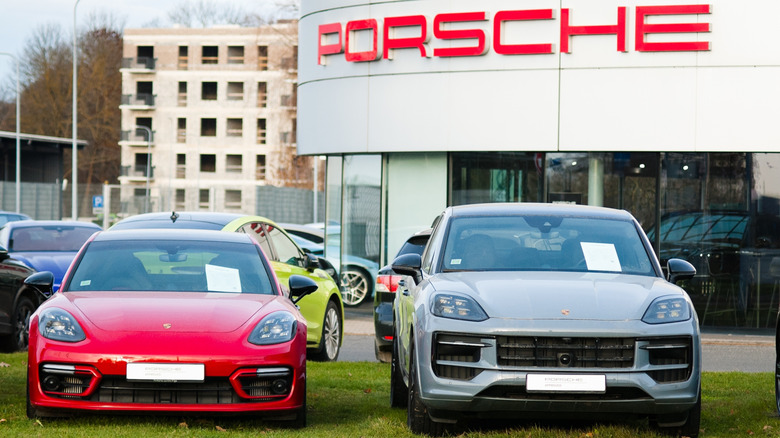
While you can find affordable options in 2026, there is still some uncertainty in the air. The Trump Administration’s tariffs cost automakers nearly $35 billion — with carmakers paying between 15% and 25% on imported vehicles depending on the country they are coming from. While the tariffs were ruled to be illegal by the Supreme Court in February 2026, they continue to exist.
With the tariffs creating a sense of confusion and continuing to cost automakers money, it’s no surprise to see prices shifting. Some vehicles held off on raising prices when they believed the tariffs would end, but now, with the uncertain future ahead of them, BMW, Ferrari, Genesis, Hyundai, Mazda, Porsche, Volkswagen, and others have increased vehicle prices. Destination fees also reached an all-time high in February 2026, allowing some automakers to seemingly not raise the MSRP of its vehicles — but destination fees cannot be negotiated.
What about used vehicles?
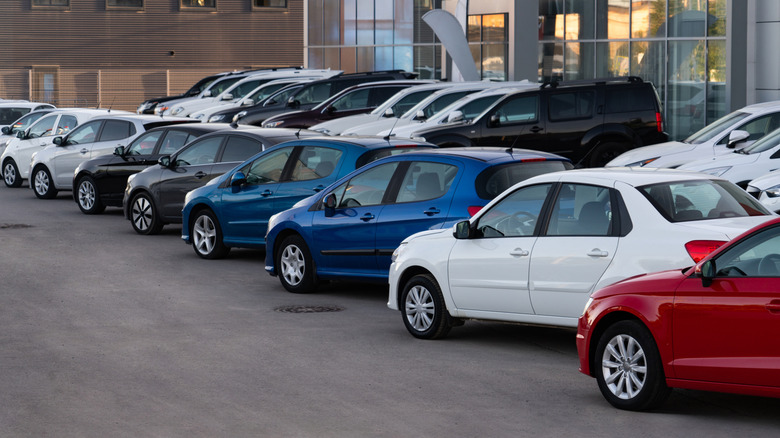
While new vehicle prices have gone up in February 2026, used car prices actually went down. According to Kelley Blue Book, the average used car listing in February was $25,287, down 1.1% from January. This is due to supply and demand — fewer people are buying used cars. However, tax refund season (April) could see an increase in potential buyers.
You can expect more used EVs in the marketplace than ever before. However, don’t expect to find super cheap used cars like you could in the past. Older vehicles under $15,000 are in short supply, warned Kelley Blue Book. Only 31 days’ worth of used cars under $15,000 were left by the end of January 2026. Used car prices may even go up due to tariffs, since more drivers will be turning to the used car market as new car prices continue to increase and become impossible to afford. At least this means you can expect more when you sell your own used car privately or trade it in.