The Cost of the Annoyances in Our Lives


I’ve stopped using CVS as my pharmacy because of the hassle of getting a human on the phone.

Now, researchers have calculated that our hassles cost the economy billions of dollars.

Annoyance Costs

You know what I mean. Whether it’s CVS, a subscription cancellation, or scheduling a check-up, we waste massive time, energy, and money talking to chatbots, explaining problems to AI agents, and filling out forms. Instead, talking to a human would make it so much faster and easier.

Sometimes regulations are the reason. In other instances, business save money with less labor and make more money when we cannot easily cancel a subscription. Meanwhile, generic documents and technology depersonalize. They block real communication.

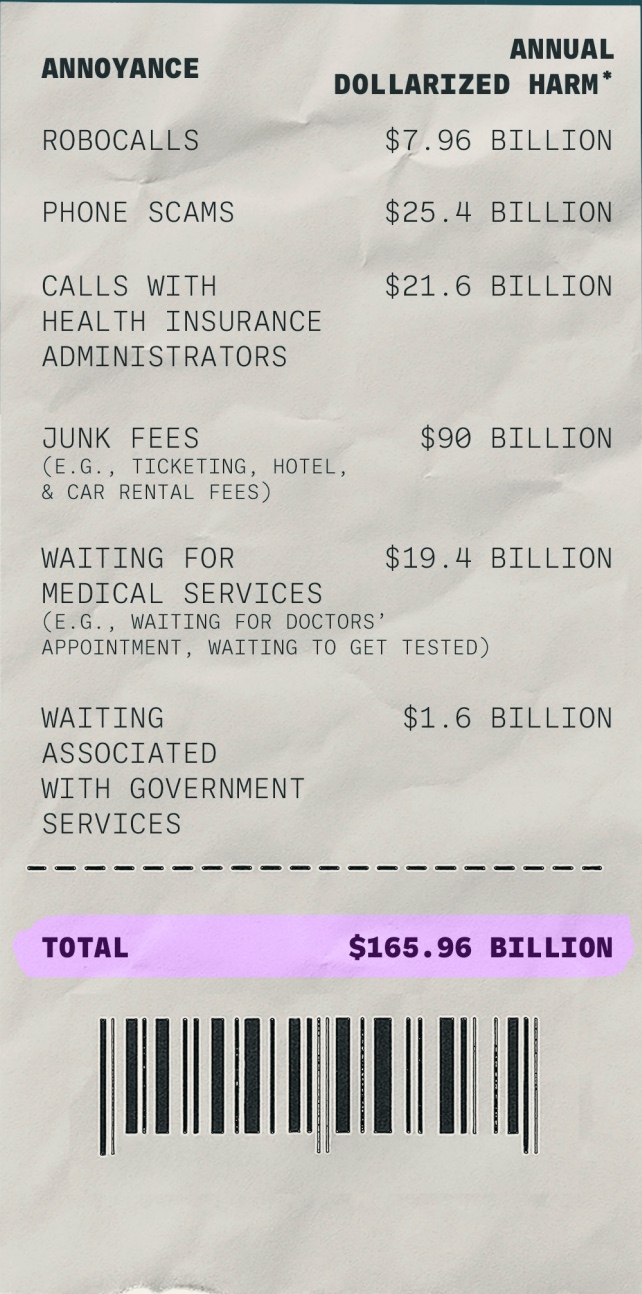
In a recent report, the Groundwork Collaborative quantified the impact of our daily hassles. “Dollarizing” the money, time, and irritation, they wound up with a $165.96 billion cost:
annoyance costs


Four Dollar and Time Wasters

Among the countless possibilities, Taking On the Annoyance Economy directs our attention to four big dollar and time wasters. Looking at health insurance, spam, customer service, and junk fees, the report touches the small stuff like a spam text. But also, by exploring the annoyances from health insurance, they focus on the big necessities. Their health insurance discussion reminds us of the jargon barriers that range from “deductible, coinsurance, and copayment to HMO, PPO,” HDHP, and in-network.  Even more crucially, as they specifically explore an annoyance sector, we see the universality of the topics.

We can call it friction.

Our Bottom Line: Friction

Annoyance costs are nudges that distort our decisions. We might forgo a doctor’s appointment because a question went unanswered. Application fees prevent multiple alternatives. Clicks let us buy items but cancellations require calls.

It all adds up to the friction that, like physics, slows us down.

But where does this leave us? Also known as transaction costs by economists, those annoyances constrain our economy. In Taking On the Annoyance Economy, they not only tell us what is wrong but how to fix it.

My sources and more: Thanks to the Sunday NY Times for inspiring today’s post. From there, this link provided the summary and then here is the full report.

The post The Cost of the Annoyances in Our Lives appeared first on Econlife.


Source link

Leave a Reply

Subscribe to Our Newsletter

Get our latest articles delivered straight to your inbox. No spam, we promise.

Recent Reviews


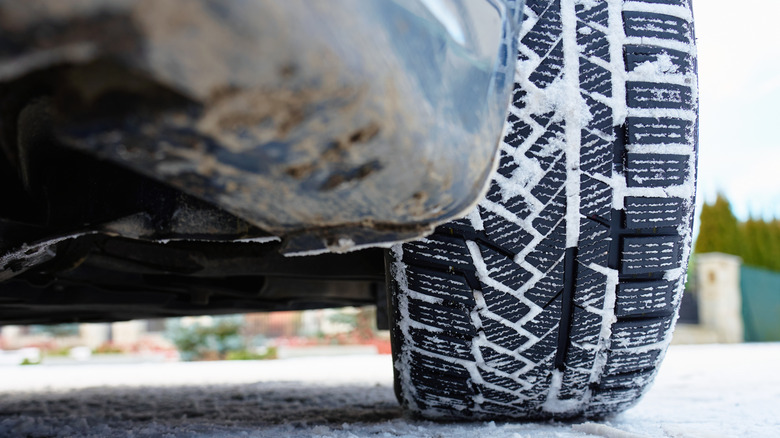
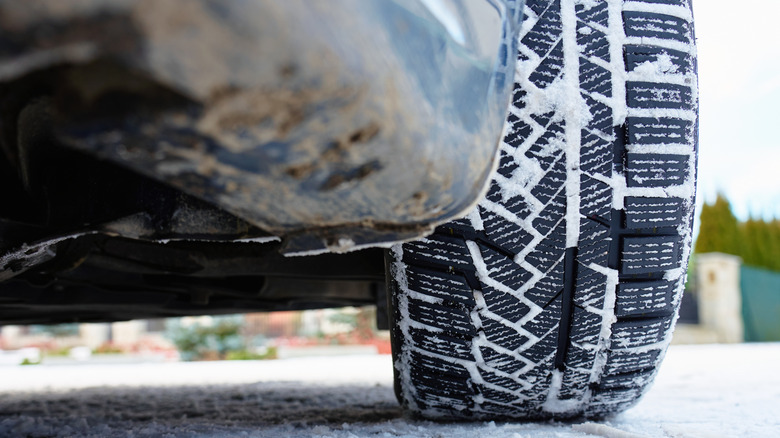
Staying safe in the winter months means being prepared for icy conditions, as winter weather sees a spike in vehicle pileups. It’s also about using the right kind of tires, which is where the 7-7 rule comes into play. This rule says that when the outside temperature drops below 7 degrees Celsius, or 45 degrees Fahrenheit, for 7 consecutive days, you should change your everyday tires to a winter model.

Extended cold snaps are a problem for regular seasonal tires because of how they’re designed. The rubber these tires contain becomes harder and less flexible in colder weather. When this happens, your tires’ ability to actually grip the road is reduced, which can become very dangerous in snow and ice. In contrast, winter tires are built with rubber that stays softer in cold temperatures, as well as deeper tread, which gives you better traction, and improved stopping ability. This means you have more control, which can ultimately keep you safer.

What makes winter tires ideal in cold temperatures can have the opposite effect in non-winter weather. This means that once the cold months have ended, you should switch back. If not, the tread on your winter tires will begin to wear down as the heat impacts the softer rubber. So, even with deep tread, your tires’ ability to properly grip the road can be impacted. If you’d rather not worry about the 7‑7 rule, you could use all-weather or all-terrain tires that work year-round instead.

Winter tire best practices

It’s important to safely store your everyday tires after they’ve been replaced by a winter set. If you’re storing them outside, Goodyear recommends protecting them in waterproof bags аnd kept off the ground. Otherwise, they should be indoors, in a cool and dry place, away from direct sunlight. If the tires are off the rim, they should be kept off the floor and stacked flat on top of each other. If the tires are on the rim, they can be stored the same way, or hung by the wheel on wall hooks.

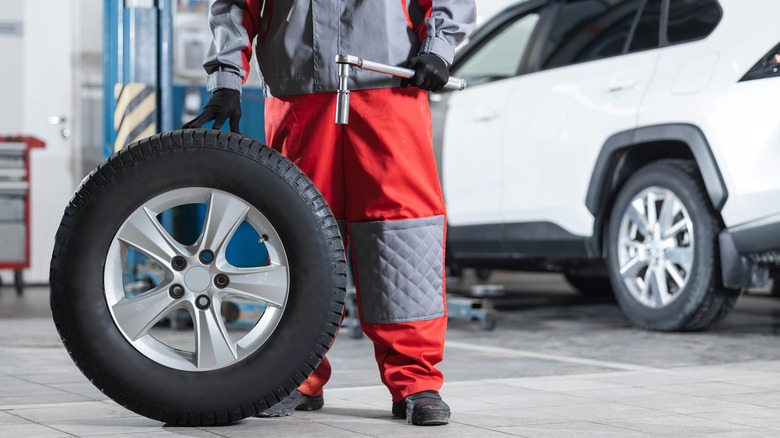
When installing your snow tires, it’s best to use a full set. That’s because having only a pair of winter tires on the drive wheels could reduce your stability on the road. Additionally, if you’re using winter tires that don’t have the special mountain/snowflake symbol on the sidewall, you might want to consider getting new ones. The Three-Peak Mountain Snowflake symbol confirms that your tires meet industry standards for snow traction.

Even then, simply using the right tires isn’t enough, as you’ll need to check your air pressure regularly. Temperature drops can decrease tire pressure, causing you to lose your grip on the road. It can also cause uneven tread wear, which is why you should be monitoring tread depth regularly as well. Be sure to keep your tires properly rotated, and above all, be careful on the road. Winter tires can help keep you safe, but it’s up to you to drive cautiously.


Source link