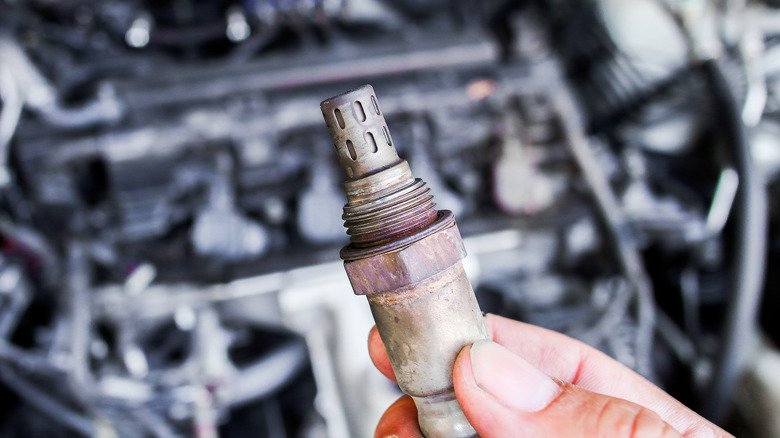

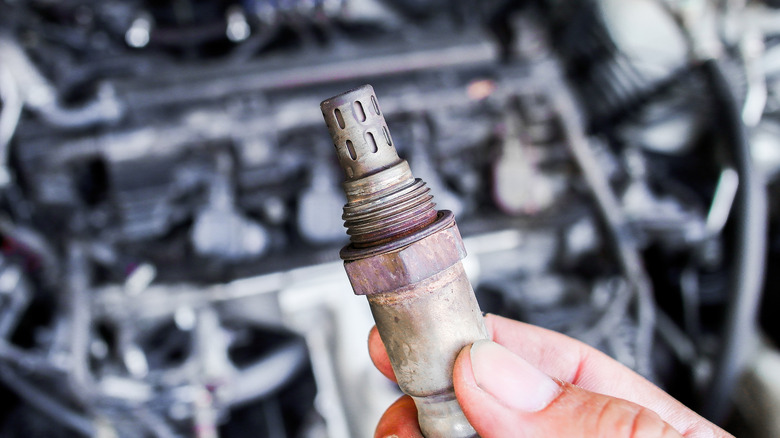
When was the last time you thought about your vehicle’s often overlooked parts, like the O2 sensor? The truth is that the O2 sensor serves a very important purpose and it can go bad, which means you should stay on top of it. What makes replacing them a bit tricky, however, is that O2 sensors don’t actually have a universal replacement schedule as some other engine components do.
Typically, O2 sensors are designed to last between 60,000 and 100,000 miles. Heated sensors can fall in that range, while newer wide-band O2 sensors could last 100,000 miles or more. However, some automakers do give their own recommendations, including Rolls-Royce, which suggests replacing the O2 sensor every 150,000 miles. In contrast, Jaguar says O2 sensors should be replaced on its vehicles every 90,000 miles. Some brand even specify different recommendations by model year, with Jeep saying that 1987-2017 Wrangler and Wrangler Unlimited models should have an O2 sensor replacement every 72,000 miles, or 72 months, depending on what comes first.
Sensor prices can vary based on the brand, type, and the vehicle it fits. For example, a Bosch O2 narrow band sensor sells for under $40 at Auto Zone, while a GM Genuine Parts heated sensor costs around $150. The cost can also depend on the vehicle’s make and model, as the Bosch wide-band O2 sensor for a 2025 Toyota Camry SE will set you back about $400. However, a 2000 Ford Explorer Sport has multiple brands and types, starting under $35 and going as high as $130.
Why your O2 sensors are so important
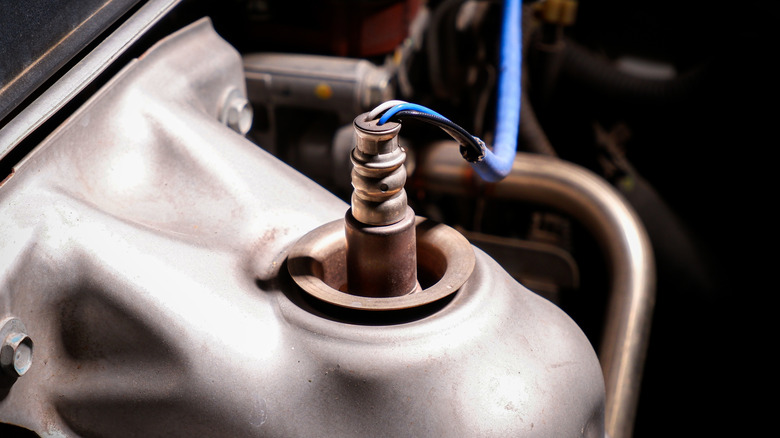
O2 sensors are designed to do just what the name suggests, as they control the air-fuel mixture needed for an engine’s combustion. They’re located in the exhaust system, where they measure the amount of oxygen remaining in the exhaust gases after the fuel has burned. This information is sent to the engine’s Powertrain Control Module (PCM), which uses the readings to gauge whether the engine is running with too much fuel or too much air. The PCM then adjusts the system accordingly.
If your vehicle begins to misfire, it can allow unburned fuel to enter the exhaust system. This can put stress on the O2 sensors. The same is true of a clogged air filter, as it can cause the vehicle to run with too much fuel. Driving with a faulty O2 sensor can cause problems, but regular maintenance will help ensure you get the most life possible from your sensors. This means watching for issues that could contaminate them, like excessive oil consumption and coolant leaks.
Modern vehicles typically use multiple O2 sensors and you should always replace them in pairs as needed. Upstream sensors are located before the catalytic converter and help regulate fuel delivery. Downstream sensors are located after the converter and are responsible for monitoring the converter’s performance. Some newer vehicles may also use wide-band O2 sensors, which can measure the air-fuel mixture across a wider range. This allows for more precise engine control.

Stephan is the sports journalist for the Maple Grove Report.