Health Nuts Should Skip The Apple Watch


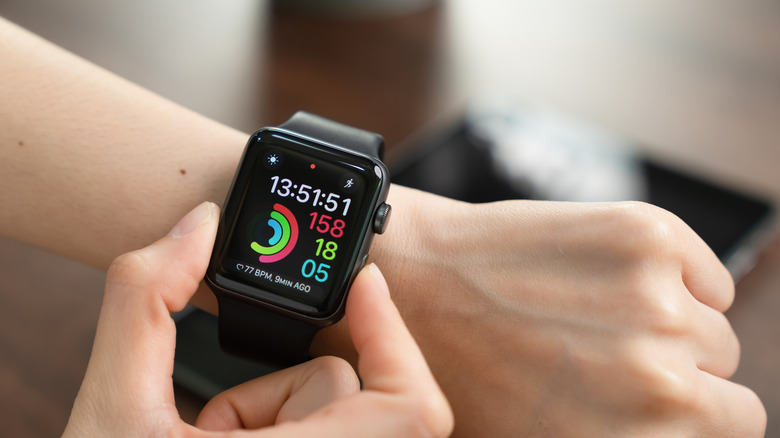
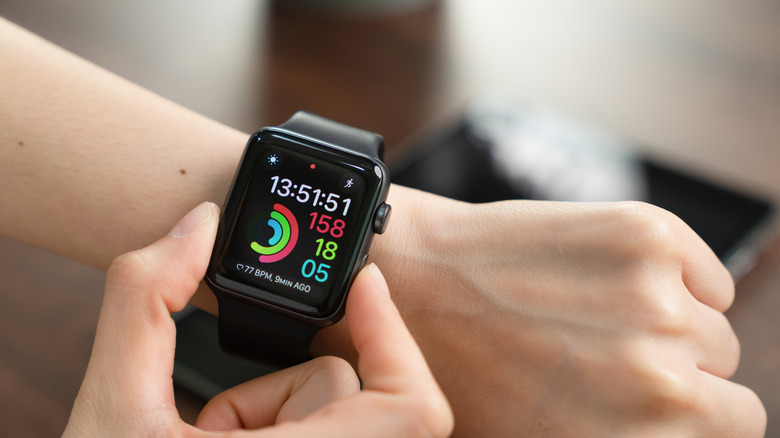
The Apple Watch is usually the go-to gadget for health nuts who want to track their fitness routines and reach new goals. However, there’s a far superior fitness tracker for those who want in-depth health tracking and fitness data – the Garmin Venu 4. There’s a reason we called it one of the best smartwatches of 2026.

Both the Apple Watch and the Garmin Venu have plenty of features and apps, but let’s focus on the fitness side first. The Garmin Venu 4 offers a more in-depth look at your workout routines and results. It is like having a trainer right on your wrist, counting your reps and timing your rest between sets. Whether you’re running or lifting at the gym, this fitness tracker offers training insights that include analyzing how your sleep will affect your workout and how long it will take you to recover. 

This fitness tracker also lets you compare your workouts over time, tracking your distance, speed, heart rate, and more. This is also available on the Apple Watch, but the Garmin Venu 4 shows more detail on all the stats on screen. Going even further, this tracker has a lifestyle logging feature that shows how small choices throughout the day — like drinking a cup of coffee or taking a nap — affect your health status. It may be a bit more complex to figure out than the Apple Watch, but it’s worth the learning curve if you want the extra data. 

Is the Garmin Venu 4 worth splurging on?
While the fitness features of these smartwatches are the biggest selling point for health nuts, there are other features to consider. The Apple Watch 11 starts at $399, while the Garmin Venu 4 is more expensive, starting at $549.99. If you’re on a tighter budget, the Apple Watch 11 can most definitely get the job done, providing everything from sleep data to notifying you when your breathing or blood pressure is irregular. 

However, the Garmin Venu 4 has many bells and whistles that could give it an edge. Its LED flashlight, speaker and mic, voice notes, and live sports scores all come in handy (although the Apple Watch has plenty of features as well). But one of the biggest upsides is the Garmin Venu 4’s battery life. The Apple Watch offers up to 24 hours of battery, although many users will tell you it’s far less than that. Meanwhile, the Garmin Venu 4 claims it can last up to 12 days, which makes it a lot more useful for tracking sleep and being more on the go.


Source link

Leave a Reply

Subscribe to Our Newsletter

Get our latest articles delivered straight to your inbox. No spam, we promise.

Recent Reviews


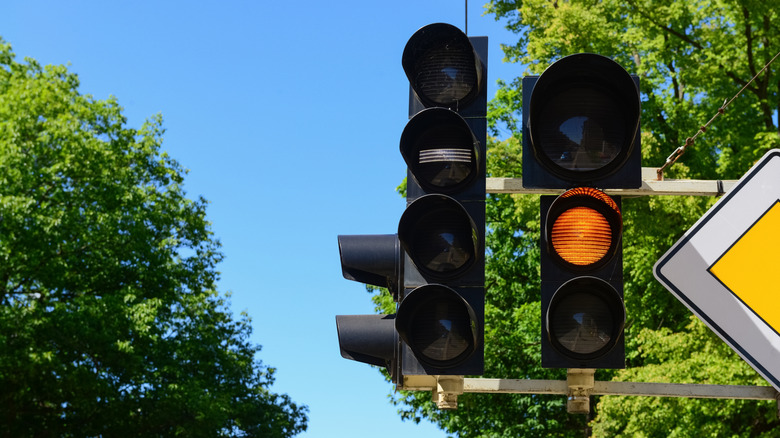
Traffic lights are one of those pieces of street furniture you probably don’t think about all that much until you’re stuck waiting at them. They all serve the same core purpose of letting vehicles know when it’s safe to move ahead or not, but there’s more variation among them than you might expect. Some traffic lights have two red arrows, others have a blinking green light, and one traffic light in New York even has upside down green and red lights thanks to protests by resident Irish immigrants.

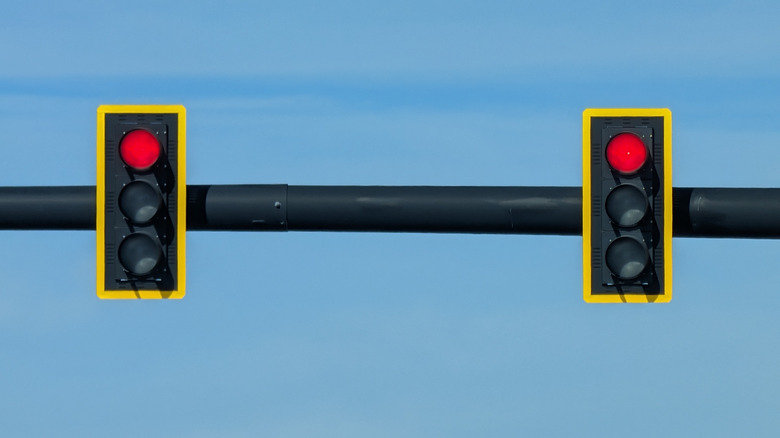
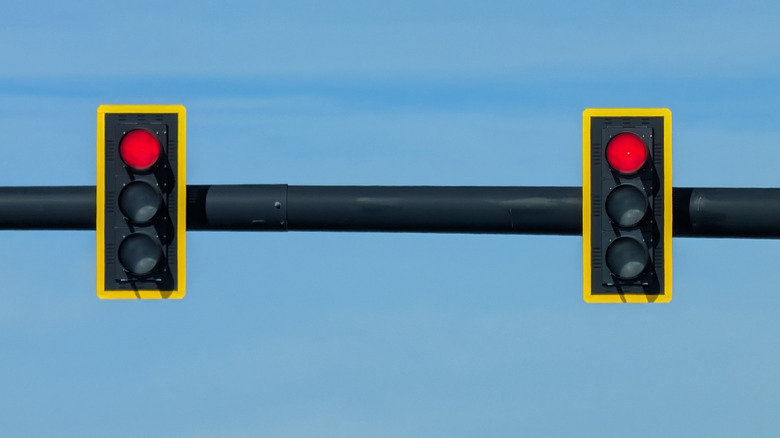
You might also notice that some traffic lights are surrounded by yellow borders that usually stretch between 1-3 inches around the edge of the signal. These reflective yellow borders are installed to boost their visibility at night, making them more instantly recognizable by tired or distracted drivers. They also help drivers with color vision deficiencies spot them quicker. As a bonus, a reflective border will remain visible even when the lights are inoperative due to a power outage, which helps warn all drivers that there’s an intersection ahead.

Installing a reflective border is one of the cheapest ways to boost the visibility of a traffic light, but research has shown that it makes a notable difference to road safety. In fact, one 2005 study found that intersections where traffic lights had reflective borders installed saw a 15% decrease in crashes.

Other subtle safety-centric traffic light differences

Even a traffic light that doesn’t have a noticeable visual difference like a reflective yellow border might still be different to a light that’s just down the road. Another tactic employed by transport agencies to boost road safety is adjusting the amount of time each traffic light’s yellow light phase lasts.

The goal is to give drivers enough time to recognize the yellow light and slow down without making it last so long that drivers start to treat it as an extension of the green light. Too long or too short and the risk of drivers running red lights increases, which can lead to a higher rate of crashes. There’s no one set ideal period of time for a yellow light to last, since it depends on a range of factors like the overall layout of the intersection, the speed of the surrounding roads, and the speed that drivers will need to slow down to in order to make their turn safely.

The latest traffic lights can use automated systems to monitor and adjust the yellow light phase in real time. It’s a far cry from the early, simplistic traffic lights that were used before modern computers were invented.


Source link