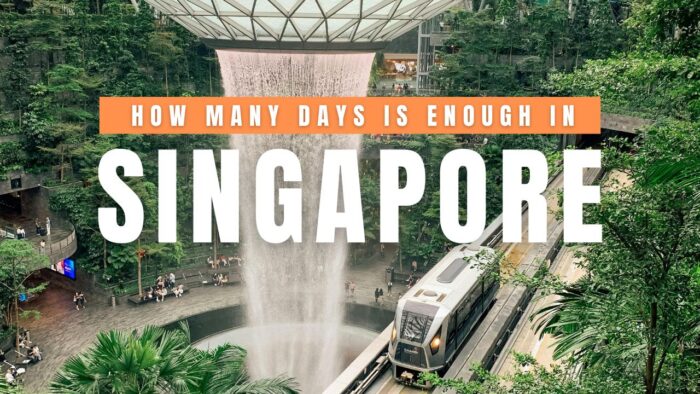

Singapore may be one of the smallest countries in the world, but it consistently surprises visitors with the sheer number of experiences packed into its 744 square kilometers. From futuristic skyscrapers and lush urban gardens to historic ethnic neighborhoods, world-class attractions, award-winning restaurants, and vibrant hawker centers, Singapore offers something for every type of traveler. It is a destination where modern innovation coexists with rich cultural heritage, making it one of Southeast Asia’s most rewarding cities to explore.
How Many Days in Singapore Is Enough
One of the questions I receive most often from fellow travelers is, “How many days in Singapore is enough?” Having visited Singapore several times over the years, I’ve learned that there isn’t a single answer that fits everyone. The ideal length of stay depends on your travel style, interests, pace, and budget. While some visitors are happy spending two days ticking off the city’s most famous landmarks, others can easily spend a week discovering hidden neighborhoods, sampling local cuisine, visiting museums, and enjoying nature parks.
If you’re planning your first trip to the Lion City, this guide will help you decide how many days to spend in Singapore and share practical tips to make the most of every moment.
Is Two Days Enough in Singapore?
Yes, two days is enough to experience many of Singapore’s most iconic attractions, especially if you’re visiting on a weekend getaway, a long layover, or as part of a multi-country Southeast Asia itinerary. While you won’t be able to explore every corner of the city-state, Singapore’s compact size, excellent public transportation system, and well-planned urban layout make it possible to enjoy a surprisingly fulfilling trip in just 48 hours.

To make the most of your time, begin your first day in the Marina Bay district, the heart of modern Singapore. Start with a leisurely walk along the Marina Bay waterfront, where you’ll enjoy panoramic views of the city’s spectacular skyline and visit the famous Merlion, Singapore’s iconic half-lion, half-fish statue. Continue to Marina Bay Sands, where you can browse luxury boutiques, dine at world-class restaurants, or head to the SkyPark Observation Deck for breathtaking city views. Just a short walk away is Gardens by the Bay, home to the towering Supertrees, the mist-filled Cloud Forest, and the colorful Flower Dome. Stay until evening to watch the Garden Rhapsody light-and-sound show, followed by the spectacular Spectra Light & Water Show at Marina Bay Sands.

On your second day, immerse yourself in Singapore’s rich cultural heritage by exploring its historic neighborhoods. Wander through Chinatown, where you’ll find beautifully restored shophouses, traditional markets, temples, and some of the city’s best hawker fare. Continue to Little India, known for its vibrant streets, colorful murals, spice shops, and ornate Hindu temples, then head to Kampong Glam, Singapore’s historic Malay-Arab district. Here, you can admire the magnificent Sultan Mosque, browse trendy boutiques along Haji Lane, and relax in one of the area’s charming cafés.
Before departing, consider spending a few hours at Jewel Changi Airport, which is much more than an airport terminal. Its stunning HSBC Rain Vortex, indoor gardens, shopping, and dining options make it one of Singapore’s must-visit attractions. Although two days only offer a glimpse of what Singapore has to offer, a carefully planned itinerary lets you experience its modern skyline, multicultural heritage, world-famous attractions, and outstanding cuisine, leaving you with plenty of reasons to return for a longer visit.
Is Three Days Enough in Singapore?
Most first-time visitors can enjoy the best of Singapore in three days, especially with a well-planned itinerary. Although it’s impossible to see every attraction, three full days provide enough opportunity to visit iconic landmarks, explore multicultural neighborhoods, taste the renowned local cuisine, and utilize the city’s efficient public transit. Singapore’s small size is a major benefit, enabling travelers to easily move between sights by MRT, bus, or on foot in many areas.
A typical three-day itinerary usually starts in the Marina Bay area, home to many of Singapore’s iconic attractions. On the first day, enjoy the sweeping city views from Marina Bay Sands, visit the Merlion, explore the innovative Gardens by the Bay, and experience the dazzling Garden Rhapsody and Spectra Light & Water Show at night. This region highlights Singapore’s status as one of the world’s most modern and visually impressive cities.

On your second day, immerse yourself in Singapore’s diverse cultural identity by touring Chinatown, Little India, and Kampong Glam. Each area presents a unique vibe, with well-preserved shophouses, historic temples, vibrant mosques, lively markets, and genuine local restaurants. As you go, visit some of Singapore’s renowned hawker centers to enjoy classic dishes like Hainanese chicken rice, laksa, satay, char kway teow, and kaya toast at budget-friendly prices.
Spend your third day exploring Sentosa Island, Singapore’s top leisure spot. Families can enjoy Universal Studios Singapore or Adventure Cove Waterpark for hours of fun, while marine lovers might prefer the S.E.A. Aquarium. For a more relaxed experience, unwind on Siloso or Palawan Beach, take the Singapore Cable Car for stunning aerial views, or conclude the day with the impressive Wings of Time outdoor night show.
Though three days won’t cover every museum, nature reserve, or hidden neighborhood, it offers a great introduction to Singapore’s diverse sights and lively culture. For first-time visitors, three days strike an ideal balance between sightseeing and relaxation, offering memorable experiences and many reasons to come back and explore more of the Lion City.
Is Four Days Enough in Singapore?
Definitely. For many travelers, four days in Singapore strike an ideal balance between sightseeing and relaxing. While a three-day plan highlights the city’s main sights, an extra day lets you relax more, explore beyond the top tourist spots, and enjoy the destination at a comfortable pace. Rather than hurrying from one attraction to another, you’ll have time to savor Singapore’s distinctive mix of modern architecture, multicultural history, verdant parks, and outstanding cuisine.
In your first three days, you can easily explore highlights such as Marina Bay Sands, Gardens by the Bay, the Merlion, Sentosa Island, Chinatown, Little India, Kampong Glam, and Orchard Road. Having seen these top sights, your fourth day offers a chance to explore a lesser-known side of Singapore that many first-time visitors overlook.

Begin your day at Singapore Botanic Gardens, the nation’s inaugural UNESCO World Heritage Site. This expansive tropical paradise offers picturesque walking paths, peaceful lakes, historic trees, and the famous National Orchid Garden, showcasing thousands of vibrant orchid varieties. It provides a refreshing retreat from the busy commercial areas and is a popular spot for both residents and tourists.
From there, head to Tiong Bahru, one of Singapore’s oldest residential neighborhoods. Its charming Art Deco buildings, independent bookstores, artisan bakeries, cozy cafés, and boutique shops offer a glimpse into everyday life in Singapore while showcasing the city’s thriving creative scene. The relaxed atmosphere makes it an excellent place to enjoy brunch or a leisurely afternoon coffee.

Art and history enthusiasts can spend hours exploring the National Gallery Singapore, which houses one of the largest collections of modern and contemporary art in Southeast Asia. Located in two beautifully restored national monuments, the museum offers engaging exhibits and exceptional galleries that provide valuable insights into Singapore’s artistic and cultural development.
As evening falls, head to Clarke Quay or Boat Quay, where the historic Singapore River is vibrant with lit heritage buildings, riverside dining, rooftop bars, and live shows. A relaxed Singapore River Cruise offers a special view of the skyline, passing iconic sights such as Marina Bay Sands, the Merlion, and the Fullerton Hotel, while offering insights into Singapore’s evolution from a bustling colonial trading port to a thriving modern metropolis.
Food lovers can end the evening with dinner at one of Singapore’s famous hawker centers, such as Lau Pa Sat or Maxwell Food Center, where you’ll find local favorites like Hainanese chicken rice, satay, laksa, char kway teow, and chili crab at affordable prices. Sampling authentic Singaporean cuisine is an essential part of the travel experience and one of the best ways to appreciate the country’s multicultural influences.
Four days also provide flexibility for shopping, whether you’re browsing luxury boutiques along Orchard Road, exploring local designer stores in Haji Lane, or picking up souvenirs at Bugis Street Market and Jewel Changi Airport. If unexpected tropical showers disrupt your plans, the extra day lets you adjust your itinerary without missing major attractions.
Ultimately, four days is more than enough for most travelers to experience Singapore’s iconic sights while also uncovering its quieter neighborhoods, green spaces, cultural institutions, and world-renowned culinary scene. It offers a well-rounded itinerary that combines sightseeing, relaxation, shopping, and local experiences, ensuring you’ll leave Singapore with a deeper appreciation of why this vibrant city-state remains one of Asia’s most rewarding destinations.
Is Five Days Enough in Singapore?
Five days allow you to experience Singapore beyond its famous postcard attractions. Instead of focusing solely on sightseeing, you can immerse yourself in local culture, nature, and daily life while enjoying a more relaxed itinerary.

One of the most rewarding day trips is Pulau Ubin, a small island located northeast of mainland Singapore. A short bumboat ride transports visitors to a place that feels decades removed from the modern city. Traditional villages, quiet cycling paths, mangrove forests, and the Chek Jawa Wetlands preserve a glimpse of Singapore’s rural past. Renting a bicycle is one of the best ways to explore the island while observing local wildlife, including wild boars, hornbills, and monitor lizards.
Nature lovers should also consider walking the Southern Ridges, a scenic network of elevated trails connecting several parks across southern Singapore. The Henderson Waves Bridge, Singapore’s highest pedestrian bridge, offers beautiful panoramic views while linking lush forest reserves and nature parks.
Animal enthusiasts can dedicate an entire day to the Mandai Wildlife Reserve, home to the Singapore Zoo, River Wonders, Bird Paradise, and the world-famous Night Safari. Unlike traditional zoos, these attractions emphasize open habitats and immersive wildlife experiences, making them among the finest zoological parks in the world.
With five days, you’ll also have time to revisit your favorite neighborhoods, discover hidden cafés, browse local markets, and enjoy Singapore’s outstanding dining scene without constantly watching the clock.
Is One Week Too Long for Singapore?
Contrary to popular belief, spending an entire week in Singapore is far from excessive. In fact, travelers who enjoy photography, food, architecture, museums, shopping, and nature often find that seven days provide the perfect opportunity to explore the city at a leisurely pace.

Beyond the famous attractions, Singapore rewards curious travelers with experiences that many visitors overlook. Spend a morning exploring Katong and Joo Chiat, neighborhoods celebrated for their beautifully preserved Peranakan shophouses and rich cultural heritage. Visit East Coast Park, where locals cycle, jog, picnic, and enjoy fresh seafood overlooking the Singapore Strait. Explore hidden rooftop gardens, contemporary art galleries, boutique museums, and neighborhood markets that reveal a more authentic side of Singapore.
A week also provides flexibility if tropical rain disrupts your plans. Since Singapore experiences occasional showers year-round, having extra time ensures you won’t need to skip attractions due to the weather.
The Best Length of Stay for Different Travelers
The ideal number of days also depends on your travel interests. Couples visiting for a romantic getaway usually find that four days provide enough time to enjoy luxury hotels, rooftop bars, fine dining, and sunset walks along Marina Bay. Families traveling with children generally benefit from spending at least five days, allowing time for Universal Studios Singapore, the Singapore Zoo, Bird Paradise, River Wonders, and Sentosa without exhausting younger travelers.

Food lovers should consider staying four to five days to fully appreciate Singapore’s extraordinary culinary diversity. Beyond internationally recognized restaurants, the city’s UNESCO-recognized hawker culture deserves several meals dedicated to sampling iconic dishes prepared by generations of experienced cooks.
Shoppers may also prefer four or five days, particularly if they plan to explore Orchard Road, Marina Bay Sands, Bugis Street, VivoCity, Jewel Changi Airport, and neighborhood shopping districts. Singapore offers everything from luxury fashion houses to affordable local brands and unique designer boutiques.
Tips for Maximizing Your Visit to Singapore
Singapore may be compact, but making the most of your visit requires thoughtful planning. With its efficient transportation system, diverse neighborhoods, and countless attractions, a well-organized itinerary can help you experience more while avoiding unnecessary stress. Start each day early, especially if you plan to visit popular attractions like Gardens by the Bay, Marina Bay Sands, or Sentosa. Morning visits not only help you beat the crowds but also allow you to explore comfortably before the midday heat and humidity set in.
Take advantage of Singapore’s world-class Mass Rapid Transit (MRT) system, which connects nearly every major attraction quickly, safely, and affordably. Staying at a hotel within walking distance of an MRT station can significantly reduce travel time and transportation costs. Consider purchasing a tourist travel pass or using a contactless credit card or mobile wallet for seamless access to buses and trains.
To save both time and money, book attraction tickets online before your trip. Many popular sites, including Universal Studios Singapore, the Marina Bay Sands SkyPark Observation Deck, and the Night Safari, often offer discounted online rates and allow you to skip long ticket queues. If you plan to visit several attractions, consider bundled passes that offer excellent value.
Singapore is also one of the world’s greatest food destinations, so don’t limit yourself to hotel restaurants or shopping mall food courts. Visit renowned hawker centers such as Maxwell Food Center, Lau Pa Sat, Old Airport Road Food Center, and Newton Food Center to enjoy authentic local dishes at affordable prices. Sampling specialties like Hainanese chicken rice, laksa, satay, chili crab, kaya toast, and char kway teow is an essential part of the Singapore experience.
Finally, leave room in your itinerary for spontaneous discoveries. Some of Singapore’s most memorable experiences come from strolling through colorful neighborhoods like Tiong Bahru, Katong, Joo Chiat, and Kampong Glam, where you’ll find charming cafés, boutique shops, vibrant street art, and beautifully preserved heritage buildings. By balancing iconic landmarks with local experiences, you’ll gain a deeper appreciation of Singapore’s unique blend of modern innovation, multicultural heritage, and everyday life.
Final Thoughts: How Many Days in Singapore Is Enough?
Most travelers find three to four days ideal for exploring Singapore’s renowned attractions, diverse neighborhoods, excellent cuisine, and impressive cityscape. This duration enables visits to Marina Bay, Gardens by the Bay, Sentosa, Chinatown, Little India, Kampong Glam, Orchard Road, and other key landmarks at a comfortable pace.

If your schedule and budget permit, five to seven days offer an even richer experience. The additional time allows you to explore Singapore’s lesser-known neighborhoods, UNESCO-listed gardens, nature reserves, offshore islands, wildlife parks, museums, and thriving café culture while enjoying a more relaxed pace. Rather than simply checking attractions off a list, you’ll gain a deeper appreciation for what makes Singapore one of Asia’s most fascinating destinations.
No matter how long you stay, Singapore has a remarkable way of exceeding expectations. Its seamless blend of cutting-edge innovation, multicultural heritage, exceptional cleanliness, efficient transportation, and world-class hospitality ensures that every visit feels rewarding. And like many travelers—including myself—you may discover that no matter how many days you spend in Singapore, you’ll already be planning your next trip before you’ve even left.
Singapore Travel and Tour Packages
Check out our complete list of recommended Hotels in Singapore on Agoda, or browse available Airbnb properties in the city.
Want more updates about other Singapore tourist spots? Like, Follow, and Subscribe to OutofTownBlog.com on Facebook, Twitter, Instagram, and Pinterest, and Team Out of Town on YouTube for more Singapore Travel Spots.
Also see:

Stacie Harris is a local resident and reporter of the Maple Grove area. Stacie reports on medicine and science for the Maple Grove Report.