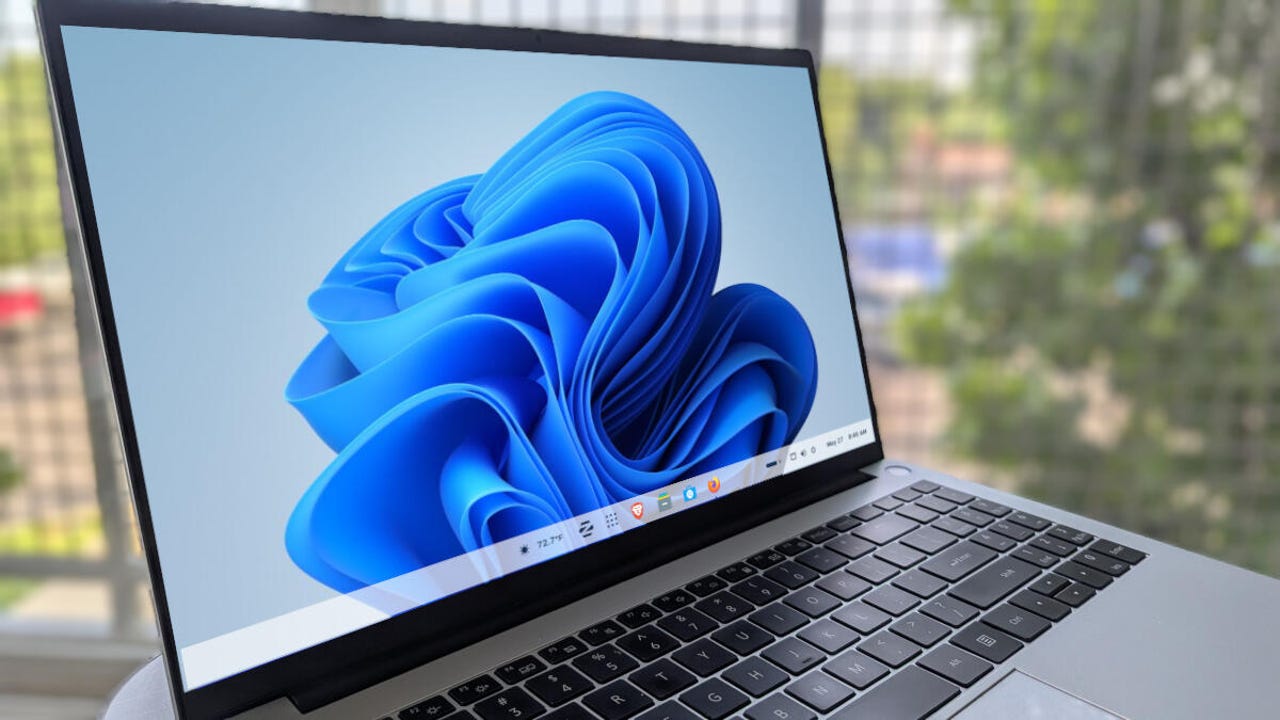
How to make Zorin OS look like Windows 11 – for free


zorin11herolaptop

Jack Wallen/ZDNET

Follow ZDNET: Add us as a preferred source on Google.


ZDNET’s key takeaways

  • If you fancy a Windows 11 layout, but want to use Linux, you’re in luck.
  • Zorin OS can be tweaked to look very much like Windows 11.
  • You can do this with the free or Pro version.

I’ve been a fan of Zorin OS for a long time. It’s based on Ubuntu, so it enjoys a level of user-friendliness from the bottom up. On top of that, Zorin OS takes the GNOME desktop and gives it quite the makeover. Even better, you get to call the shots on how the desktop looks.

Out of the box, the free version of Zorin OS includes four layouts, none of which are quite Windows 11-like. However, if you pay for the Pro version, you get a Windows 11 layout that does a great job of keeping things familiar.

Also: Linux Mint vs. Zorin OS: I’ve tried both Windows alternatives, and here’s my winner

The disadvantage of the Pro version is that you have to purchase a license with each major upgrade. In other words, the Pro license for Zorin OS 18 will not transfer to version 19 (when it’s released). That’s fine if you plan on sticking with one release for its full support cycle (five years). But if you like to install the latest and greatest, you could be purchasing a new Pro license ($47.99) with every major release.

That said, you can tweak a layout in the free version to look and feel close enough to Windows 11. 

Let me show you how it’s done.

Also: How I speed up my Linux system for free while RAM prices are out of control

I’ll be using Zorin OS 18.1 Pro version, but I’ll demonstrate how to customize one of the free layouts.

What you’ll need: First and foremost, you must download a Zorin OS ISO, create a live USB drive, boot from it, and install Zorin OS. Once you’ve done that, boot the OS and log in. If the Zorin Appearance app doesn’t appear, open it from the desktop menu.

Zorin OS 18

The Zorin OS default layout is quite nice.

Screenshot by Jack Wallen/ZDNET

In the Zorin Appearance app, select the top-right layout, which gives you a bottom panel (taskbar) and a desktop menu on the right side.

Close Zorin Appearance, right-click on the bottom panel, and click Taskbar Settings.

In the Style tab, move the “Border radius” slider all the way to the left to square the corners of the taskbar.

Also: The best Linux distributions for beginners: Expert tested and reviewed

In the Position tab, make sure “Panel length” is set to 100%, then scroll down and select Monitor Center from the drop-down for the following:

  • Left box
  • Show Applications button
  • Taskbar
  • Center box
  • Desktop button
Zorin OS 18

It’s a lot of drop-downs, but it makes a difference.

Screenshot by Jack Wallen/ZDNET

GNOME Extensions

If you like having the weather app on the panel, you can install the Weather Panel GNOME extension. For that, you’ll need to install the Extensions app, which can be done from GNOME Software.

Once you’ve installed GNOME Extensions, open the app, click on the search button (top left corner), search for WeatherPanel, and install it. 

Also: I’m a Linux power user, and this distro made me rethink what an operating system can be

After installing WeatherPanel, it’ll appear on the panel. Right-click the icon, then configure Units, Wind Speed, and Pressure, set a location, and move the icon to the far left. Unfortunately, you can’t get the panel icon to live in the far left of the panel, but on the far left side of the Zorin menu.

Zorin OS 18.

If you need the weather in your panel, this is the extension to use.

Screenshot by Jack Wallen/ZDNET

Finally, locate a Windows 11-like wallpaper, save it, and set it (right-click the desktop, select “Change background…”, click Add Picture, and locate the image you downloaded.

At this point, Zorin OS should look similar to Windows 11.

Zorin OS 18.

Screenshot by Jack Wallen/ZDNET

Of course, the easiest way to do that is to purchase a Pro license and select the Windows 11 layout, but my free method works pretty well.






Source link

Leave a Reply

Subscribe to Our Newsletter

Get our latest articles delivered straight to your inbox. No spam, we promise.

Recent Reviews


What Is Invoice Factoring in Plain English?

At its core, invoice factoring (also known as accounts receivable financing) is about selling your invoices to a factoring company in exchange for immediate cash. You’ll usually get 70–90% upfront, then the remainder (minus fees) once your customer pays.

This is not a loan. You’re not creating new debt or taking on monthly repayments. You’re simply trading tomorrow’s receivables for today’s working capital.

👉 Forbes Advisor explains invoice factoring as one of the most practical ways small businesses improve liquidity.


How Does Invoice Factoring Work?

Here’s the play-by-play:

  1. You invoice your customer for goods or services.

  2. Instead of waiting for them to pay, you sell that invoice to a factoring company.

  3. The factoring company advances you 70–90% of the invoice value.

  4. They collect directly from your customer.

  5. When the customer pays, you receive the remaining balance, minus factoring fees.

Example: You invoice a client for $50,000. A factor gives you 85% upfront ($42,500). Your client pays in 45 days. After collecting their fee (say 2%), the factor pays you the rest ($6,500). End result: You didn’t wait 45 days to get paid.

đź’ˇ Pro Tip: Pair invoice factoring with a revolving line of credit for maximum flexibility in managing cash flow gaps.


Invoice Factoring vs. Invoice Financing

They sound similar, but there’s a big difference:

Invoice Factoring Invoice Financing
Sell invoices outright Borrow against invoices
Factor collects payment You still collect
Not treated as debt Loan repayment required
Transparent but higher cost Often cheaper but more responsibility

👉 If you prefer to stay in control of collections, invoice financing might work better. But if you just want fast cash and less admin, factoring is the way to go.


Pros and Cons of Invoice Factoring

Pros Cons
✅ Immediate access to working capital ❌ More expensive than bank loans
✅ Based on customer creditworthiness ❌ Customers know factoring is in place
✅ No new debt or repayments ❌ Limited to B2B invoices
✅ Supports cash flow management ❌ Recourse factoring = you take the risk

💡 Pro Tip: If you’re worried about non-paying customers, look for non-recourse factoring. It costs more, but the factor—not you—takes the hit if your client defaults.


Who Uses Invoice Factoring?

Certain industries rely heavily on factoring because slow-paying customers are the norm. Top sectors include:

  • Trucking & logistics: Carriers often wait 30–90 days for brokers or shippers to pay. Factoring ensures they cover fuel and payroll immediately.

  • Staffing agencies: Weekly payroll but client invoices that pay monthly? Factoring bridges that gap.

  • Construction & subcontracting: Payment delays are common due to project milestones. Receivables financing through construction business loans keep crews running.

  • Wholesale & manufacturing: Large-volume orders often come with long terms. Factoring maintains liquidity.

  • Marketing & creative agencies: Agencies billing retainers or project-based fees often use factoring to smooth out revenue cycles.

👉 Fun fact: Staffing and trucking together account for the majority of factoring volume in the U.S.


How to Choose the Right Factoring Company

Not all factoring companies are created equal. Before signing a deal, compare:

  • Fees & transparency: Is it a flat fee or tiered by days outstanding?

  • Advance rates: Some offer 70%, others 95%.

  • Contract length: Month-to-month is flexible; year-long contracts can trap you.

  • Industry expertise: A factor that knows trucking ≠ one that specializes in creative agencies.

  • Non-recourse vs. recourse: Decide how much risk you want to carry.

For a deeper look, read Wolters Kluwer’s guide on factoring and cash flow.


Costs & Fees of Factoring Receivables

Typical fees run 1–5% per month depending on invoice size, industry, and risk. The longer your client takes to pay, the higher the fee.

Two key costs to look for:

  1. Factoring Fee (Discount Rate): Percentage of the invoice charged.

  2. Reserve Hold: Portion of the invoice held back until payment clears.

đź’ˇ Pro Tip: Always check if the factor files a UCC-1 lien. This filing can block you from getting other types of financing until the lien is released.


Real Case: Startup Scales With Invoice Factoring

A small tech startup wanted to grow but didn’t want to take on venture capital or debt. By factoring their invoices, they accessed quick cash, hired aggressively, and scaled operations. Within three years, they sold for $35 million—without giving up equity.

That’s the power of cash flow management through factoring.


Alternatives to Invoice Factoring

Invoice factoring is great—but it’s not the only way to fund your business. Alternatives include:

  • SBA 7a loans: Lower cost, but longer approval timelines. 

  • Business credit cards: Fast but can carry high interest.

  • Lines of credit: Flexible but harder to qualify for.

  • Revenue-based financing: Funding based on your sales.

đź’ˇ Pro Tip: Use factoring for short-term cash flow gaps, but consider long-term financing for expansion projects.


Source link