Meta Has a New AI Image Tool, and I Already Used It to Deepfake My Friend’s Instagram


Meta has a new AI model out, this time dedicated to generating and editing AI images. And yes, you can use it on Instagram. But if you have a public account, you need to change your settings now to avoid ending up the unwitting subject of anyone’s AI creations.

The model, called Muse Image, is the first creative model from the new family of Muse Spark models made by Meta’s superintelligence labs. The company said in a blog post that it’s built to handle more complex requests, create composite photos and edit existing images. It’s available now on the Meta AI app, Instagram and WhatsApp, with plans to eventually bring it to Facebook, Messenger and advertisers. 

CEO Mark Zuckerberg showed off the new model on his Instagram on Tuesday. He showed some of the 30 new AI editing effects the model is powering for Instagram Stories, including images of numerous Zuckerberg clones, a 360 camera view with AI lead Alexandr Wang and an exposure portrait mode with Andrew Bosworth, Meta’s chief technology officer.

three Instagram stories that are AI edited

CEO Mark Zuckerberg demonstrates the new AI model’s editing abilities in Instagram stories featuring Alexandr Wang (center), Andrew Bosworth (right) and many AI clones of himself (left).

Mark Zuckerberg/Screenshot by CNET

This isn’t the first time an AI company has tried to entice people to use its creative AI by offering to place you and your friends into the AI scenery. That was OpenAI’s pitch when it launched its ill-fated Sora video app in 2024. But OpenAI still drew ire from regular people and celebrities for its role in easily creating deepfakes. Meta’s new AI model poses the same risk.

Let’s momentarily step aside from the fact that this new model will probably lead to even more AI slop on Instagram. And that the pictures you upload to the Meta AI app are used to improve Meta’s services. There’s an important detail in the settings everyone with a public Instagram account should know. If you’re over 18 and have a public account, anyone with a Meta AI account can “tag” you in their AI image prompts and create hyperrealistic AI images including your likeness — otherwise known as deepfakes.

How to prevent yourself from being deepfaked

I gave the new model a spin to see just how easy it could be to create deepfakes. My CNET colleague Abrar Al-Heeti has a public Instagram account, and I was able to make an AI image of her as a pirate in less than a minute by including her Instagram username in my prompt. When I tried the same for myself, tagging my private Instagram account, Meta AI couldn’t complete the request.

two screenshots of Meta AI chats; one where a public Instagram account is used in an AI image, and one where a private account is not able to process

While Meta AI and I didn’t need to get my colleague Abrar Al-Heeti’s permission to make this AI-generated image of her as a pirate, I did get her consent before including it in this story.

Created by Katelyn Chedraoui using Meta AI

Meta confirmed to CNET that creators with a public Instagram account can block people from creating AI content with their likeness with a setting toggle. Go to Instagram Settings > Sharing and reuse > Toggle off “Allow people to reuse your content on Instagram and with AI features at Meta.” You can adjust this control for posts and reels. Private accounts automatically don’t have their content accessible for anyone to remix or create with. (After our testing, Al-Heeti turned off this permission.)

You can also limit your risk of being deepfaked when tagging yourself in an image request for the first time in the Meta AI app. It will walk you through some steps to help the app recognize you. That includes taking a picture of your face and, optionally, uploading three photos of yourself. In this process, you can choose who is allowed to use your likeness, including only yourself, followers you approve, mutuals or everyone. You can adjust this in the app by going to Settings > Your likeness.

These controls will be essential for professional creators and influencers, whose names and likenesses are their brand and therefore their livelihood. Meta says its models have built-in protections to prevent the model from creating illegal, abusive or defamatory content. But like we saw with Sora, motivated bad actors can get around a model’s safeguards. We will have to wait and see if Meta’s are up to the challenge.


Source link

Leave a Reply

Subscribe to Our Newsletter

Get our latest articles delivered straight to your inbox. No spam, we promise.

Recent Reviews


Today, when one pictures a “classic Dodge Charger”, the first image that pops up is almost certainly one of the highly desirable Charger models from the late 1960s or early ’70s. Indeed, those early muscle car Chargers are iconic, playing a starring role in the “Dukes of Hazzard” television show and, somewhat more recently, “The Fast and the Furious” films. But as time ticks on, is it time to start appreciating the modern version of the Charger as a potential modern classic?

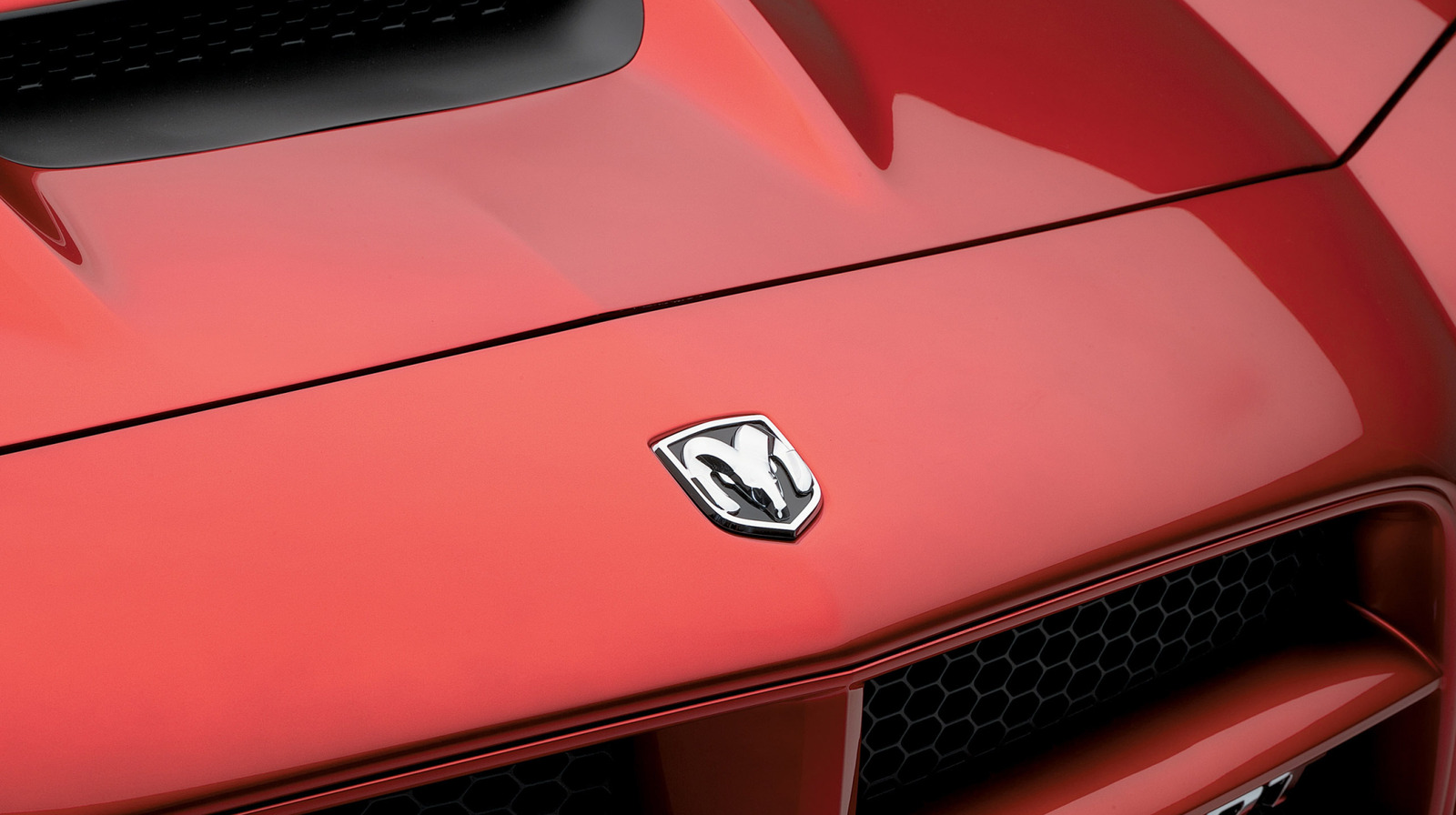
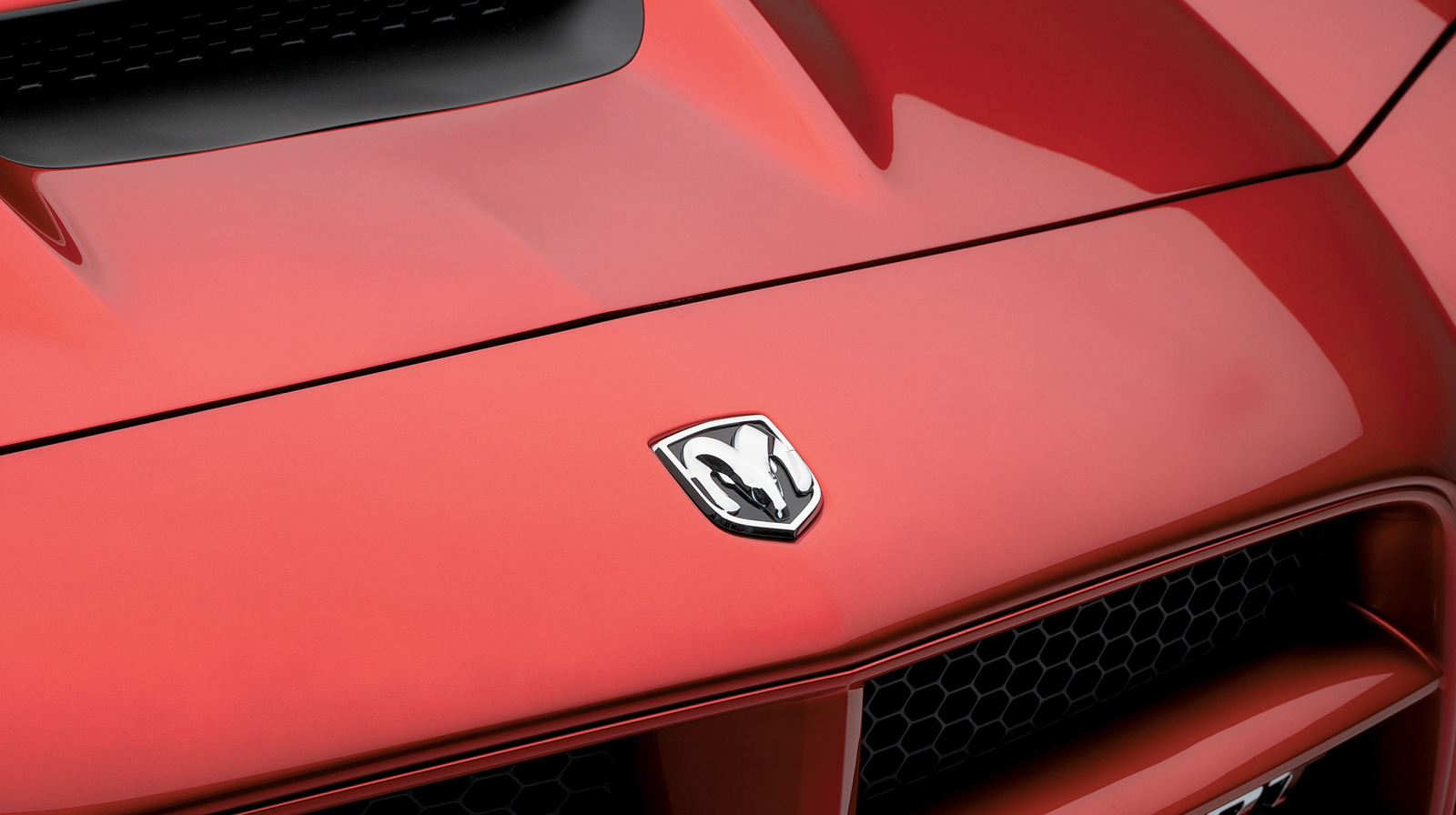
It’s now been over 20 years since Dodge brought back the Charger nameplate for a spacious four-door sedan with an optional HEMI V8 engine. While the basic Charger R/T was a potent machine for its time, Dodge really took the Charger’s game to the next level for the 2006 model year with the debut of the Charger SRT8. 

The SRT8 model used a larger version of the third-gen HEMI V8 that, combined with other performance upgrades, transformed the sedan into a serious performance car capable of running with its 1960s HEMI ancestors at the drag strip — to say nothing of its vastly superior handling and refinement. In the years that followed, Dodge would continue to improve the Charger’s performance with larger and more powerful HEMI engines, but the significance of the original Charger SRT8 is not to be overlooked.

A muscle car legend reborn for the 2000s

Today, with the modern Charger being such an established part of the car enthusiast world, it’s easy to forget some of the controversy that surrounded its mid-2000s return. Most of it focused on the fact that the beloved muscle car nameplate had been brought back for a four-door sedan rather than a retro-styled coupe. Fortunately, those people looking for that retro coupe would be satisfied by the reborn Dodge Challenger when it arrived a few years later, while the Charger went on to become a highly popular muscle sedan in its own right.

The addition of the SRT8 model to the lineup certainly helped, of course. Under the hood was the larger 6.1-liter HEMI V8, which differed from the standard 5.7-liter HEMI in several ways, not least the displacement. With the 6.1 under the hood, the SRT8 made 425 hp and 420 lb-ft of torque, easily laying down a mid-13-second quarter-mile time in Motor Trend’s hands. This was very quick by mid-2000s standards, especially considering the now-outdated five-speed automatic transmission.

But the SRT8’s performance went beyond just the drag strip. As part of the SRT transformation, Dodge also gave the car larger wheels and tires, a retuned suspension setup, and large Brembo brakes. While this didn’t necessarily make the car an agile road course weapon, it did give the SRT8 an athleticism that belied the Charger’s weight and size. 

The evolution of modern Dodge muscle

What’s even cooler about this era in Chrysler/Dodge performance history is that the Charger was just one of the four-door LX platform cars that the automaker offered with SRT badges and a powerful HEMI engine under the hood. Apart from the Charger, buyers could also choose from the more upscale, but ultimately short-lived SRT version of the Chrysler 300C sedan or the Dodge Magnum SRT8 station wagon.

The original Charger SRT8 marked the beginning of a long run of increasingly powerful, high-performance models. In the early 2010s, the Charger SRT8’s 6.1 HEMI was replaced by the larger and more powerful 6.4/392 HEMI, with that motor eventually becoming available in the less expensive Charger R/T Scat Pack. Then, of course, came the Charger SRT Hellcat, with a 707-hp, supercharged 6.2-liter that turned the car into a genuine super sedan.

So is the original Charger SRT8 a guaranteed future classic? Classified listings show that clean examples still bring decent money today, but the fact that it was followed by improved models may ultimately limit its potential for becoming a true, mega-desirable collector car. Regardless, though, the Charger SRT8’s accomplishments in modern muscle car history are not to be taken lightly.


Source link