
This is rich coming from someone who’s always banging on about nipping down to Italy every chance they get for a bit of sunshine and their beloved pistacchio gelato by that stone jetty, but I’m not sure if you’ve been following the news lately, but Europe is going bonkers with their EES rules.
The (now) infamous Entry/Exit System imposed by the European Union on new arrivals, including those from America, is leading to some major delays at airports, including 3 to 6-hour waits at some border posts.
Portugal, we’re looking at you.
That is because, instead of just going through routine passport checks when landing in a new country, travelers must now register their fingerprints and undergo a facial scan as soon as they land, and this additional step has been causing significant bottlenecks at some entry points.
Italy is no exception, with airports like Milan Bergamo and Rome Fiumicino all seeing snaking lines, and in some cases, planes departing while leaving dozens of passengers behind.
Uh-uh, can’t be doing with this mess when all I want is some chill quality time by the Mediterranean. That’s why this summer, I’m making the conscious choice to skip Italy—and all of the EU altogether—and heading somewhere none of this shambles applies:
Is Montenegro The Italy 2.0 We’ve All Been Looking For?
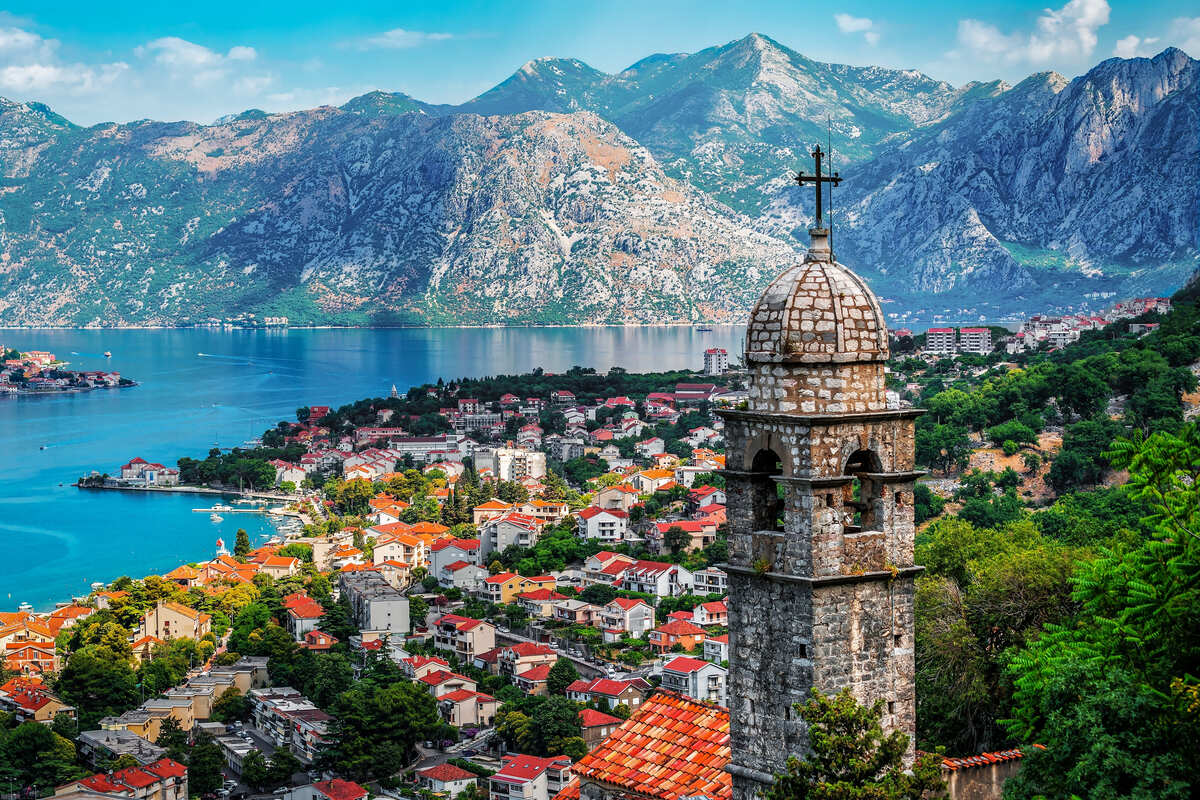
A tiny country wedged between the much more famous Croatia and an increasingly trendy Albania, Montenegro has been slowly coming out of the shadows in recent years as the perfect Italy dupe for a number of reasons.
For starters, for a huge part of its medieval history, the Montenegrin coastline was actually under the control of the Maritime Republic of Venice, and the numerous town-forts that straddle this particular stretch of the Adriatic basically feel like an extension of the floating city…
Minus the canals and hefty price tags. But don’t worry, we’ll get to that soon enough.
Secondly, there’s the fact that Montenegro is not part of the European Union… yet. Big emphasis on the yet, though it does use the euro, and it’s being fast-tracked to join in the near future. For the time being, however, it remains partly outside the Brussels sphere of influence.
This means none of those annoying Schengen rules, which dictate you can only stay for 90 days out of any 180-day period across 29 member states, and now, no fingerprinting or mandatory registration upon arrival.
Most people are welcome in Montenegro visa-free, including U.S. passport holders, and they can stay a full 90 days irrespective of time spent in other European countries.
Montenegro entry rules are pretty straightforward: just bring your U.S. passport, ensure it’s got at least a couple of blank pages left for the entry and exit stamps, and that it is valid for 6 months beyond the period of your stay.
Regardless, if you’re traveling to Europe this summer, chances are you’ll be country-hopping like it’s nobody’s business. We get it, small countries, scenic train routes, and smooth cross-border travel like you’re going from California to Arizona.

In that case, we strongly recommend you check the relevant travel rules for each destination on the Entry Requirements Checker page, as they may vary drastically.
The Mini Dubrovnik Doubles As The Perfect Italy Dupe
Back to Montenegro, very few places left a lasting impression on me quite like Kotor.
Some call it the mini Dubrovnik, but for me, it’s truly the perfect Italy dupe:
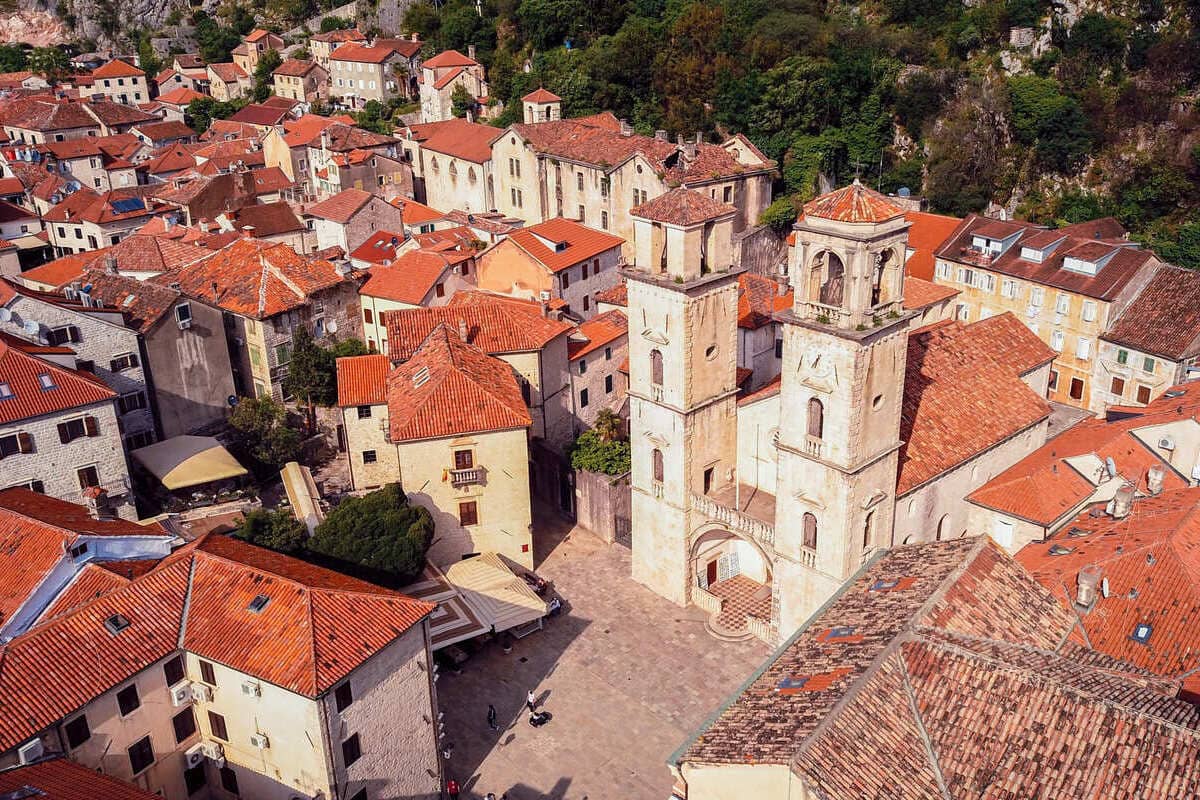
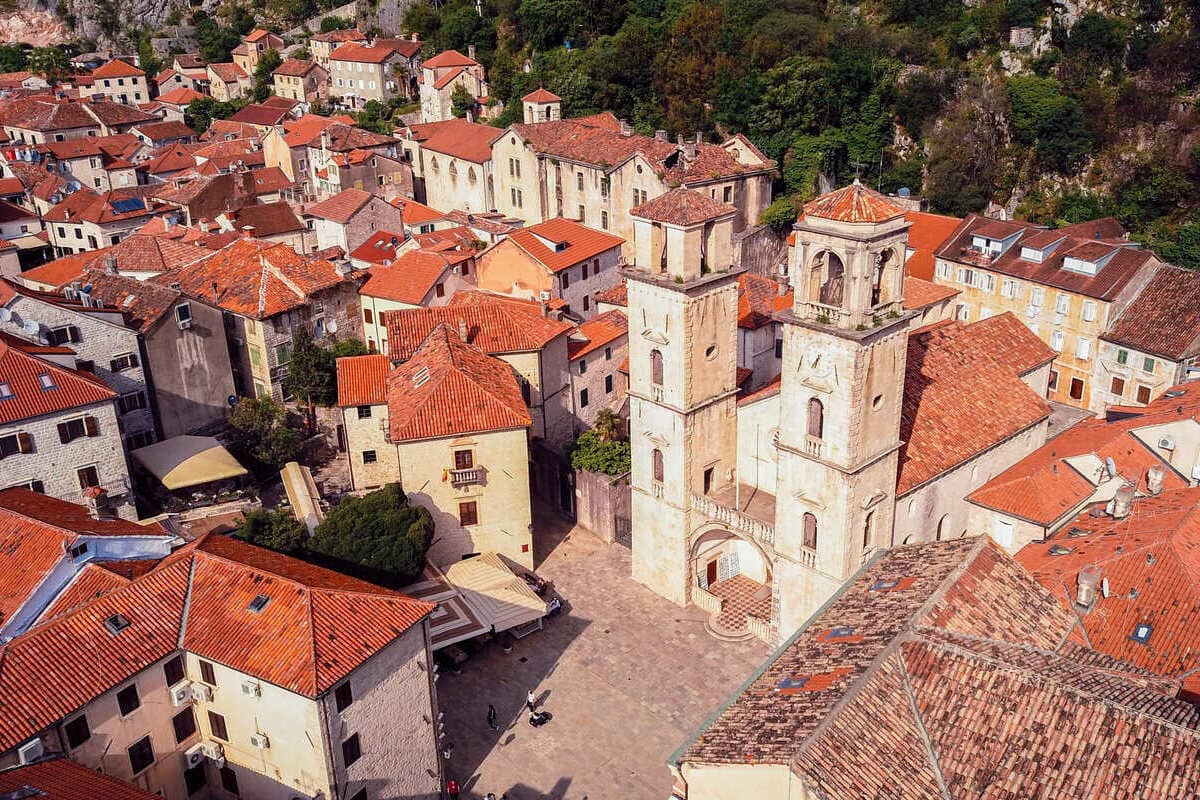
Think a fortified harbor town at the inner reaches of a winding bay that looks almost fjord-like, completely surrounded by sturdy walls, and fortified by drawbridges spanning turquoise lagoons, stone ramparts, and ancient gates carved with the Venetian Winged Lion.
Kotor used to be one of the most powerful ports under Venice, and though its allegiance clearly shifted, the Italianate heritage still runs strong:
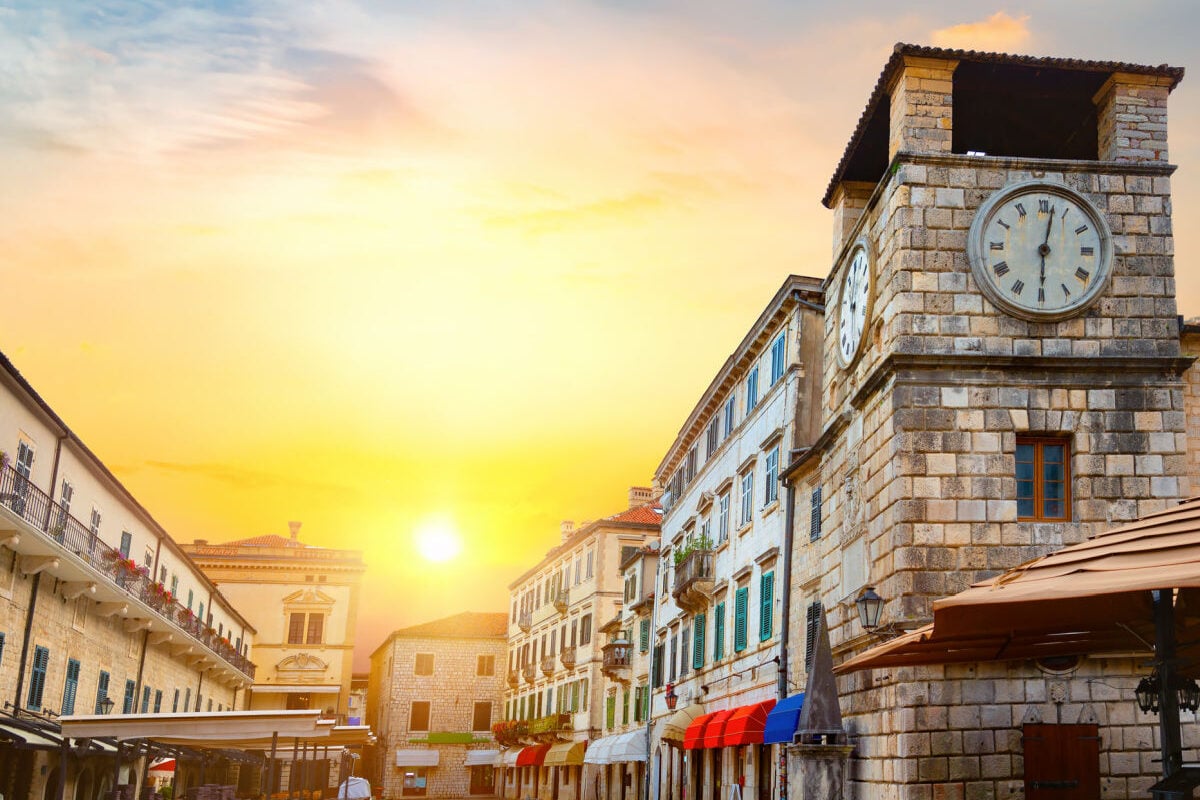
The whole town is a maze of cobbled lanes lined with typically Mediterranean ocher buildings and classic weathered shutters, and everywhere you turn, it seems to lead to a tiny piazzetta anchored by incredibly picturesque Romanesque chapels and family-run trattorie.
Now, if we’re comparing Kotor to Italy as a whole, it’s not dramatically cheaper, at least not anymore.
The cost of living for locals may be lower, with groceries being around 30 to 35% cheaper, but in general, you’ll be paying roughly $3 for an americano and a pastry in a local pasticceria, and roughly $15–$17 for a ‘budget’ restaurant meal.
Kotor has the postcard value, yet it’s also where your tourist dollars will stretch the least. That’s not say that’s the case elsewhere in Montenegro:
Coastal Bliss Found On Herceg Novi
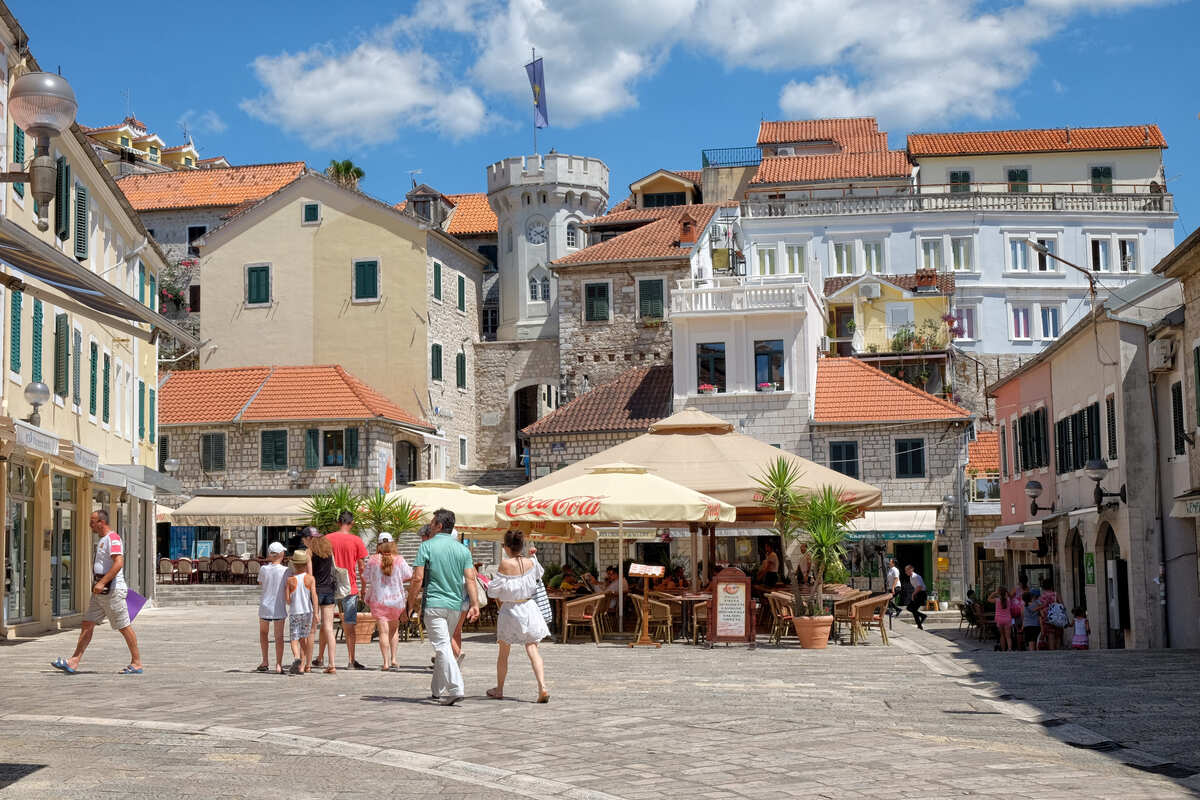
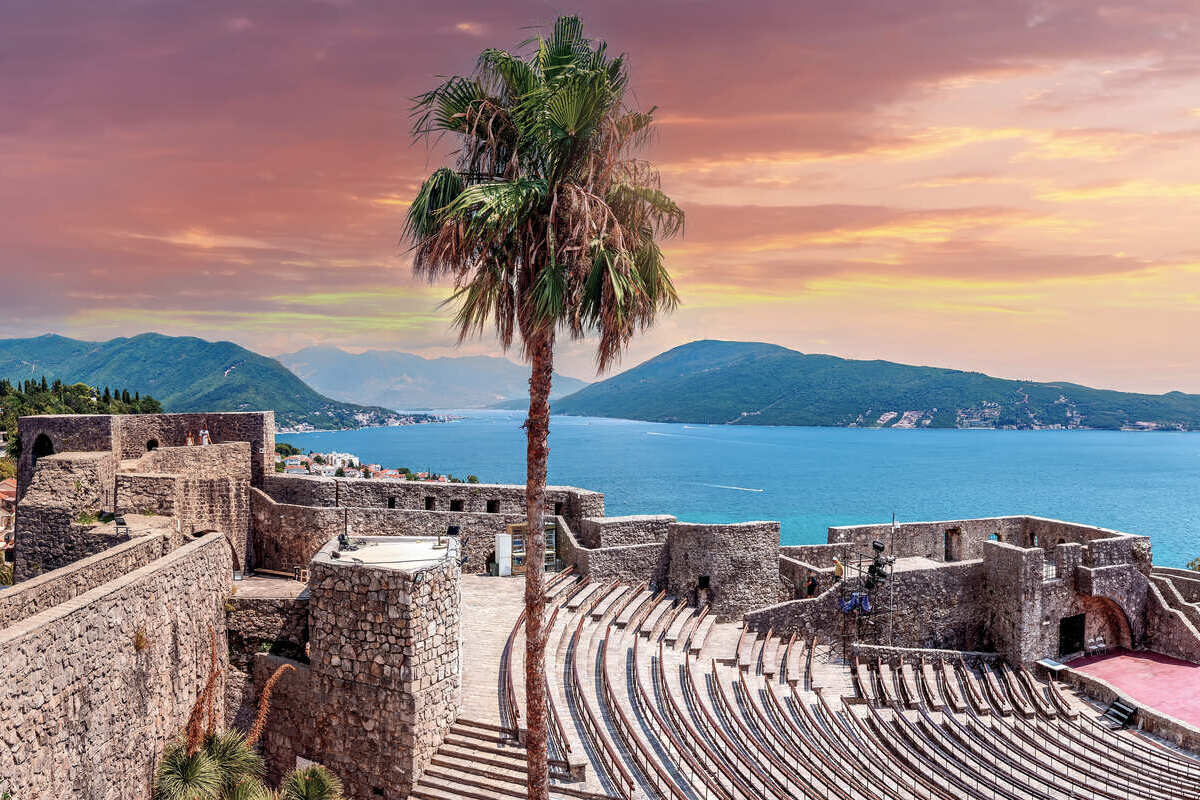
One of my favorite coastal getaways in Montenegro is the up-and-coming resort strip of Herceg Novi: think a lively promenade backed by cafés and seafood spots, rows of palm trees, and a more local atmosphere than Kotor.
Locals themselves go here instead of tourist-dominated Kotor.
A casual lunch in a waterfront eatery can cost as cheap as $14, while seafood dinners downtown that would set you back upwards of $40 in any average Italian city, range from $22 to $24.
You don’t need to completely rein it in on the hotel budget, either: A whole apartment near the sea, oftentimes directly on the promenade, or only a few blocks away, will cost between $70 and $130/night.
Unlike Italy, where it’s beautiful buildings with an outdated interior that’s not been renovated for decades, and usually a barely-functioning AC, Herceg Novi’s vibe is renovated, modern, light-filled condos… for about the same price, if not less.
Montenegro Is One Of The Safest Destinations In Europe Right Now
My favorite thing about beach-hopping in Montenegro, though? This is hands down one of the safest destinations to Eurosummer at the minute, with practically zero violent crime affecting tourists, and practically none of the pickpocketing and bag-snatching that now plagues much of Italy.
Italy is officially a Level 2 destination, as per the U.S. Government travel advice, which means Americans must exercise greater caution when visiting. Montenegro sits at a perfectly safe Level 1. In other words, you may exercise normal precautions.
On top of that, Montenegro scores 90/100 on the Traveler Safety Index, based on reports by actual visitors and recent travelers on the ground who’ve actually been there in the past few months.
From Herceg Novi… To The Bar
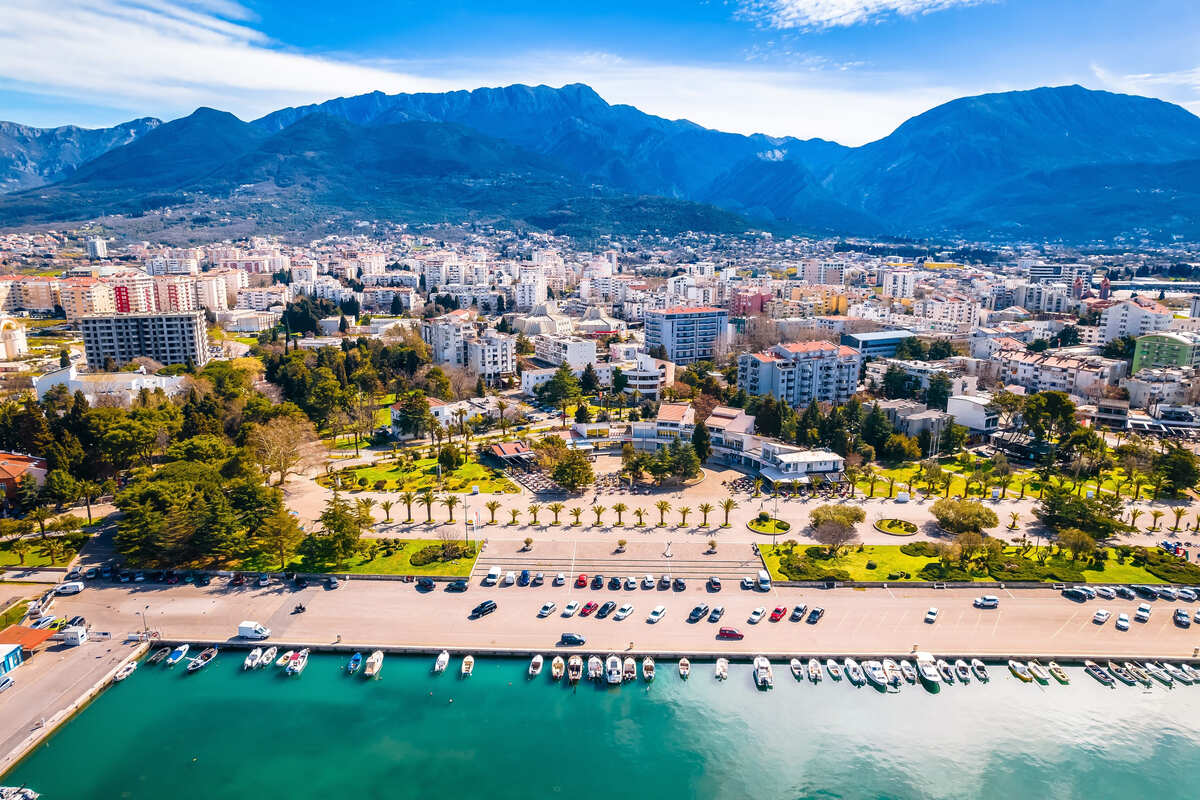
This was a bit of a surprise find on my drive from Albania into Montenegro, but the modern working city of Bar ended up becoming one of my favorite beachside getaways in the entire Adriatic.
It’s less touristy, with people actually living here year-round, it has a large marina with a row of restaurants, plenty of shopping streets, and an exceedingly long waterfront.
I’ve had some of the best pasta under $12 at Coccopazzo, a 10-minute walk inland from the water.
Bar has some of the best beaches in all of Montenegro, and granted, they’re not the Florida-soft golden sand you’re maybe used to, but if you don’t mind tiny pebbles and some gravel, the seas are just as crystal-clear, and due to sheer length of the coastline, it never actually feels too crowded.
I’ve gotta say Bar is not as medieval-pretty as Kotor.
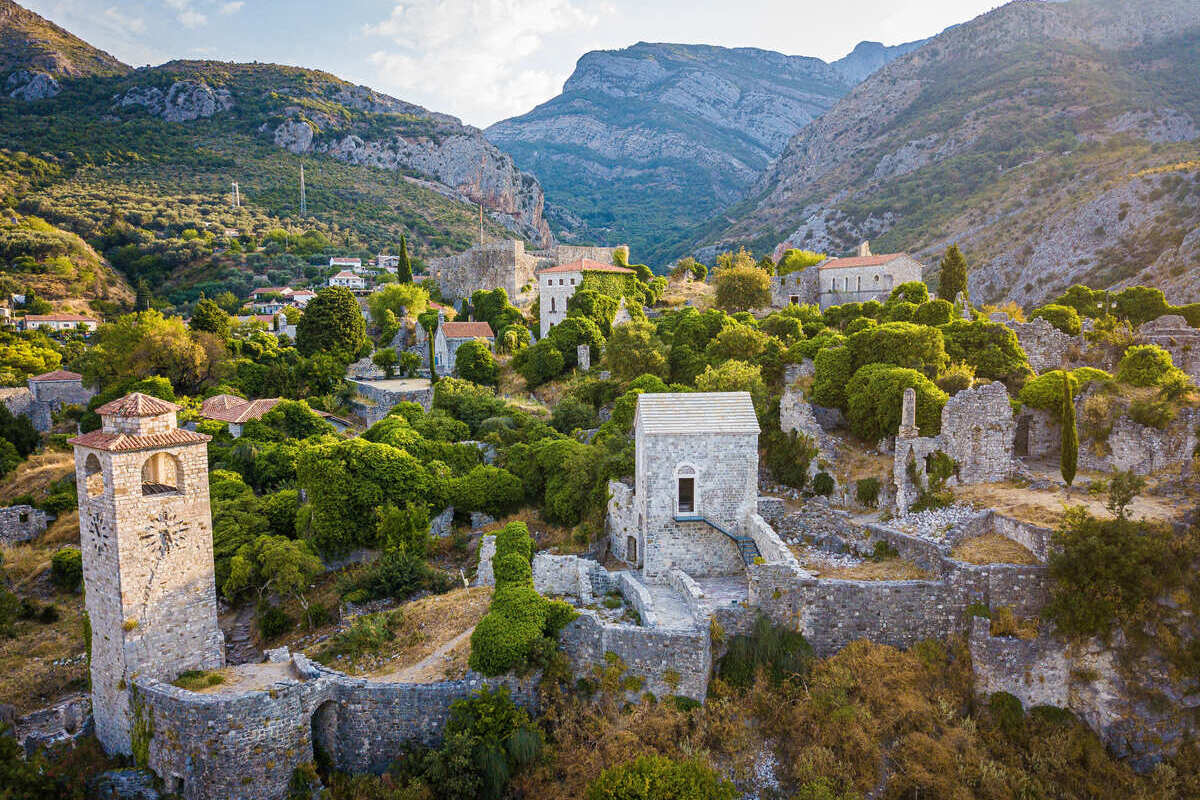
It functions as a practical base and a halfway beach break between Albania and the Bay, if you’re road-tripping around the Balkans, though if it’s the open-air museum vibe you’re going for, Stari Bari is only 2.5 miles inland.
This fortified hilltop settlement has ancient stone streets, Ottoman-era buildings, olive oil shops that sell farm-to-table produce, and mountain views for days. It’s a bit of a local secret, so don’t go on TikTok about it.
Budva’s All The Adriatic Fairytale You Need
If you don’t really mind the occasional cruise crowds, and you’re primarily here for the cheap eats and coastal charm the jam-packed Amalfi can no longer offer you, Budva’s the place for you.
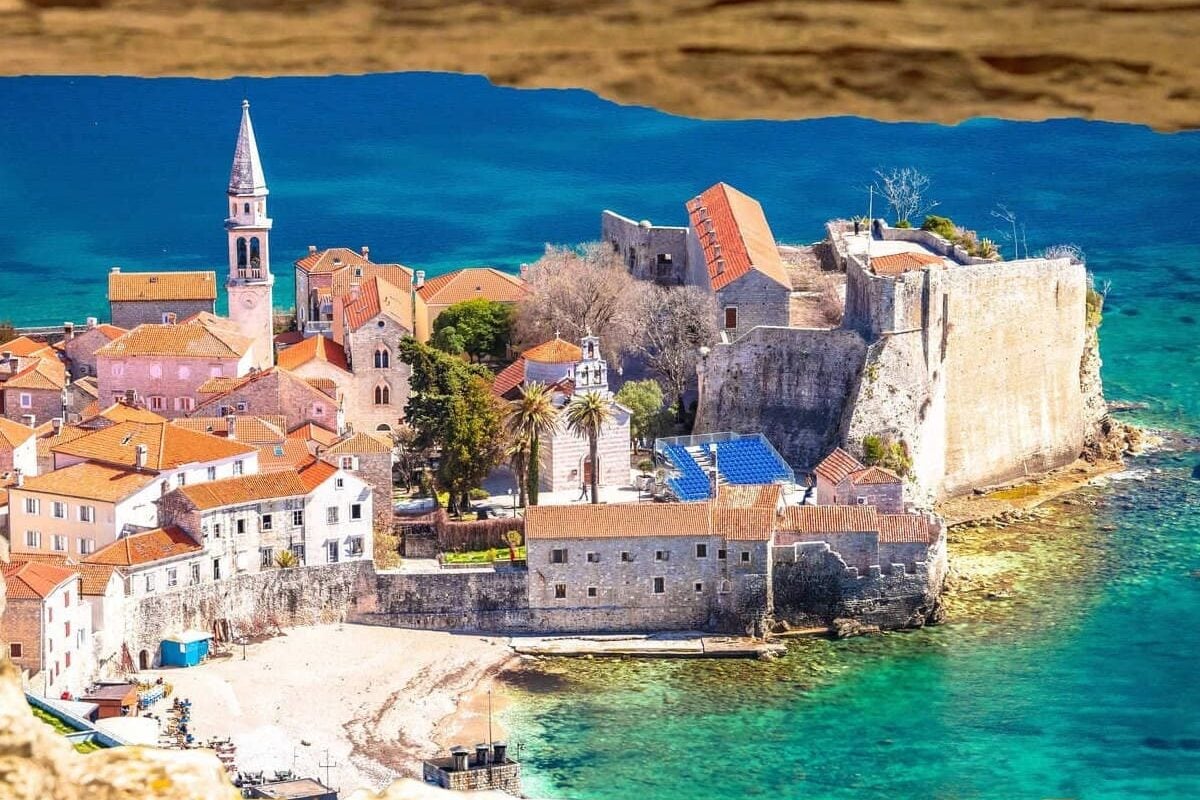
It’s the trendiest spot to be in Montenegro right now, I’d say more so than Kotor even: it has that packed summer energy, a dozen different beach clubs to choose from, and if you’re actively seeking out that Old World allure, a compact medieval town sitting right next to modern resort strips.
To sum it up, it’s the party + beach + postcard combo of the country, ticking all of those boxes, and then some, without ever making a massive dent on your wallet.
A casual meal in the Venetian-fortified Old Town, perched on a small rocky peninsula hugged by the turquoise Adriatic, costs between $12 and $20, a cheeky cocktail at a beach club averages $8–$10, and a budget studio within walking distance of Slovenska, the main city beach, is around $80/night.
But then again, maybe not the best town to be if you’re extremely crowd-adverse.


Stacie Harris is a local resident and reporter of the Maple Grove area. Stacie reports on medicine and science for the Maple Grove Report.