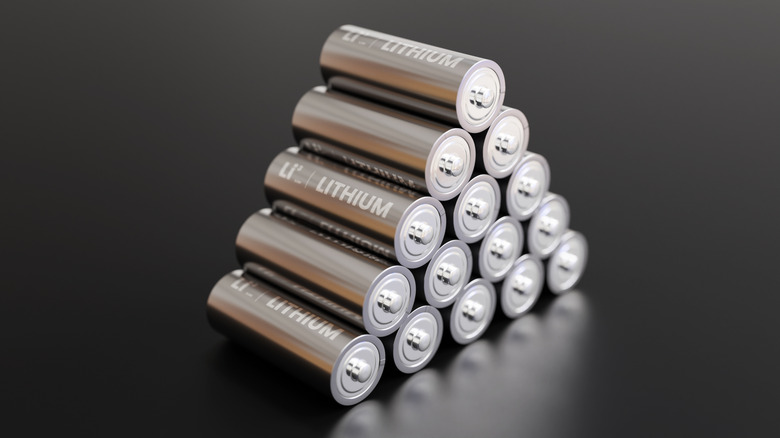

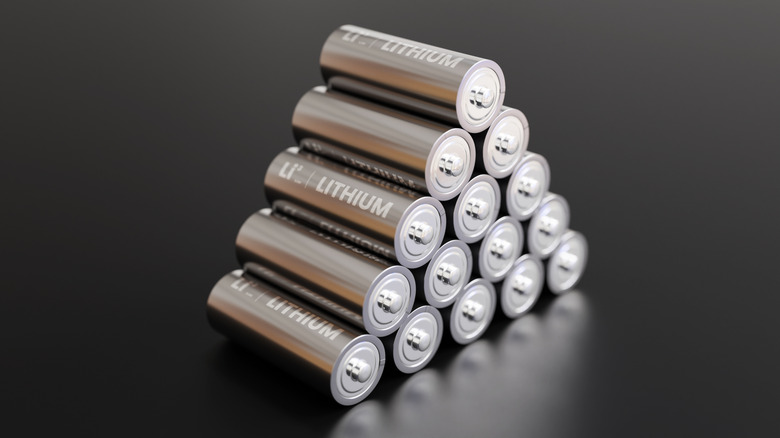
In the modern era, lithium-ion has shot to the front of the pack as the preferred form of reusable battery technology. While lithium-ion batteries have their share of problems and disadvantages, for the most part, they’re durable, offer respectable power, and can last for a while before replacement. However, lithium-ion could soon be dethroned as the ideal battery format, thanks to innovations in the world of sodium-ion batteries – batteries that utilize sodium as a charge carrier over lithium. More specifically, this battery type could soon take the lead when it comes to its charging capabilities and energy storage.
Researchers at Tokyo University of Science looked into the benefits of using hard carbon as the anode within these batteries, ultimately finding that this porous material is capable of storing high quantities of sodium. In fact, under specific conditions, researchers found that the rate of sodiation, or sodium ion insertion, with this anode was significantly higher than the rate of lithiation in the same material. Thus, the charging rate of a sodium-ion battery with hard carbon can be faster than that of a lithium-ion battery with hard carbon and similar to those with a more common anode, graphite. Hard carbon could also be the key to improving energy density, which sodium-ion has lagged behind in when compared to lithium-ion batteries.
At this point, it doesn’t seem like sodium-ion batteries will dethrone lithium-ion in the near future. While faster charging is possible, the issue lies in making the sodiation process consistently fast and efficient and preventing speed-limiting “ion traffic jams.” Still, there are numerous benefits to sodium-ion technology that make it worth exploring and advancing further.
The benefits of sodium-ion batteries
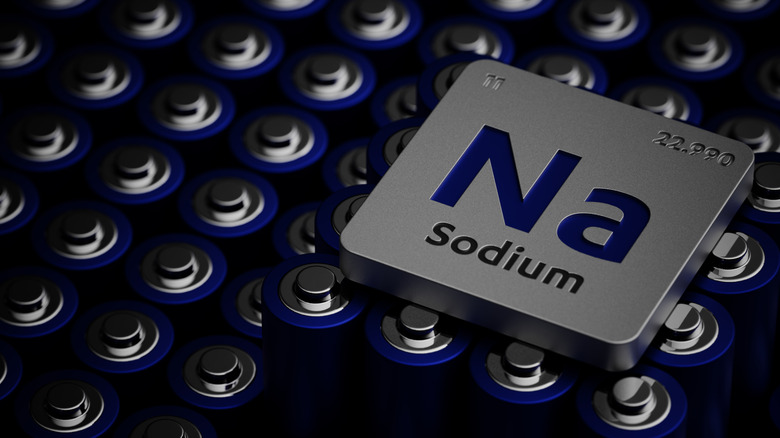
Research into sodium-ion batteries has been ongoing for years. This battery variety was developed in the 1980s, with advancements being made in the following decades, even as lithium-ion rose to the top. At this point, sodium-ion batteries are expanding in scope, for example, being used in vehicles, and the minds behind the technology hope to further increase their prevalence in the years to come. Not only might their charging and energy storage abilities soon be similar to or better than lithium-ion units with the right materials, there are also multiple other benefits to ushering in the sodium-ion era.
First and foremost, sodium-ion batteries are more environmentally friendly than lithium-ion. Sodium is more commonly-sourced in nature than lithium, meaning harvesting and using it would be done with a comparatively less strained supply chain behind it all. Supply chains are also aided by the fact that sodium-ion batteries are easier and safer to ship, with a decreased possibility of catching fire. Of course, they don’t quite measure up to water batteries as a potential no-flammability risk lithium-ion replacement. However, the abundance of sodium means sodium-ion batteries would be cheaper to produce than lithium-ion and, ideally, cheaper for consumers to buy.
Battery technology is ever-evolving, with researchers seeking out new and fascinating ways to improve it. Sodium-ion batteries are far from new, but work is still being done to get them to match — and surpass — their more widely adopted lithium-ion counterparts.

Stephan is the sports journalist for the Maple Grove Report.