
Ryobi may not be the biggest, most widely available, or heaviest-duty tool line on the market, but the brand is generally regarded as a fine option for most household DIY tasks. Much of this comes down to the ease of use of the tools themselves, as well as the functionality and convenience of its One+ batteries. Even though Ryobi’s batteries have their share of common issues, the company has an impressive customer-first commitment in the form of its Ryobi One+ “promise.” This initiative, which goes back 30 years to the start of the One+ series, ensures a near-unrivaled level of compatibility across its cordless offerings.
The core of the Ryobi One+ promise is simple: One+ batteries have remained unchanged in design since the beginning, even dating back to the start of the 18-volt days in 1996. This means that all One+ Ryobi tools — at this point numbering well over 300 different 18-volt models — are compatible with all of Ryobi’s One+ batteries. This lets customers run old Ryobi One+ tools on new batteries and vice versa. Users get more use out of their tools, no matter their age.
For the most part, Ryobi’s 18-volt batteries have remained unchanged in design over the past three decades. With that said, Ryobi has made some tweaks and upgrades to the line now and again without compromising its versatility.
How Ryobi’s 18-volt batteries have changed over the years
Even though the physical shape of the Ryobi 18-volt battery hasn’t changed, the technology itself has. When the line launched, nickel-cadmium (NiCd) was the standard for rechargeable and removable tool batteries, not lithium-ion. Ryobi only began phasing out nickel-cadmium in the 2010s, offering customers a choice between the cheaper NiCd and lithium-ion ones, before eventually retiring the former completely. Older 18-volt batteries also featured a yellow color scheme rather than Ryobi’s more familiar green one.
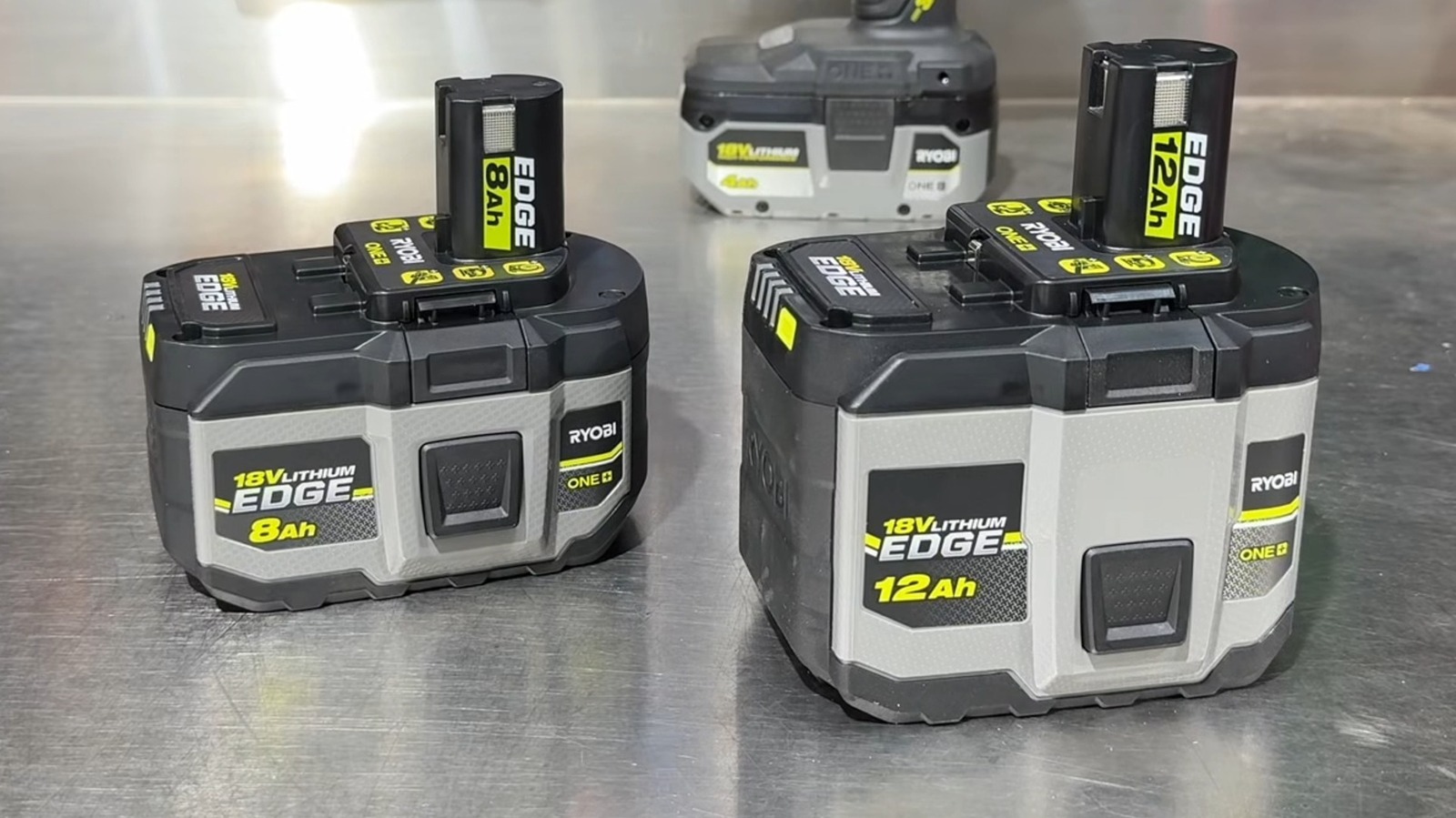
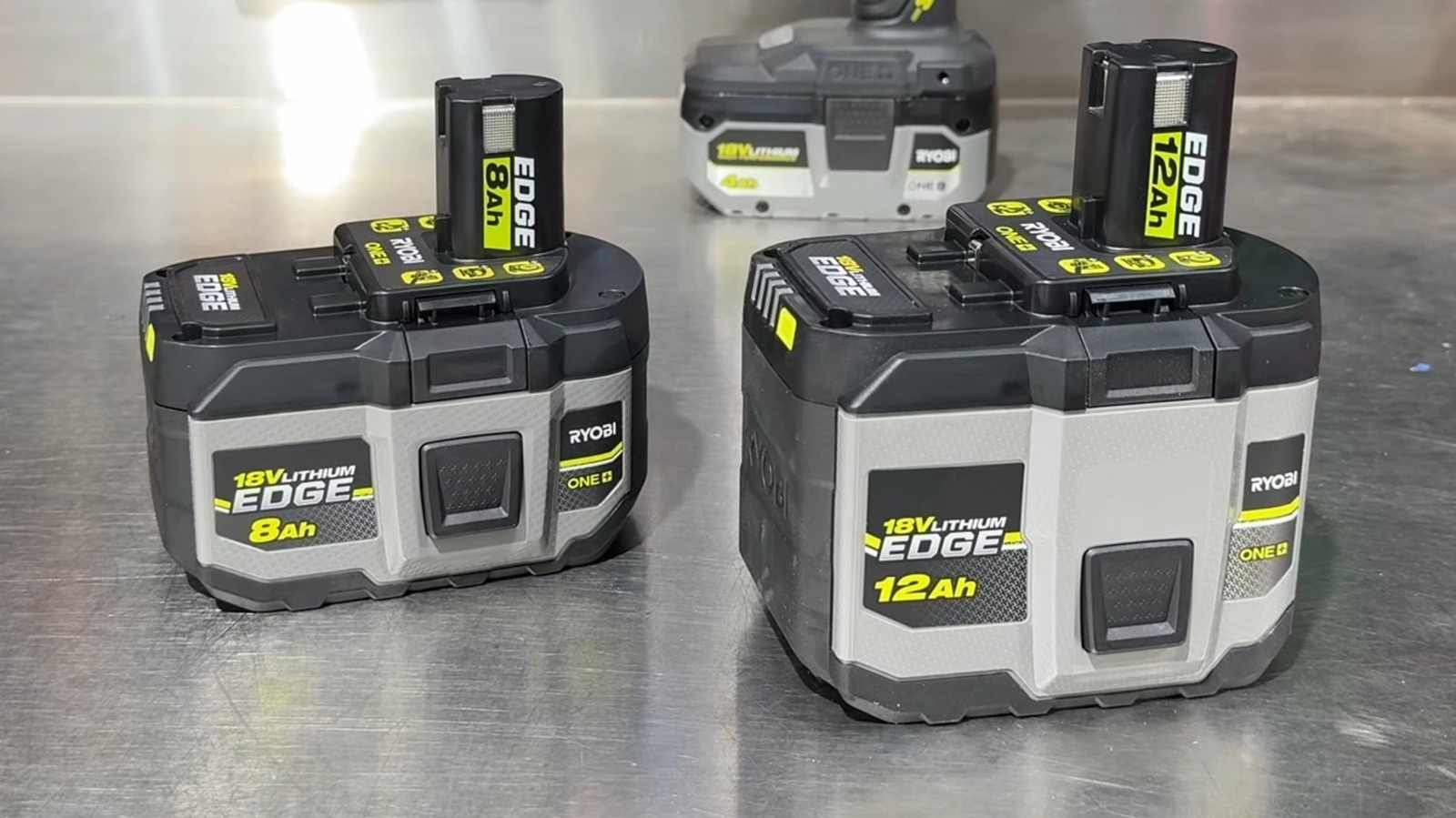
Other upgrades to Ryobi’s 18-volt batteries came with its High Performance batteries, which advertise anywhere from two to eight times the runtime of non-high-performance batteries, depending on the capacity. Then came the 18-volt High Performance Edge batteries. These units contained larger, higher-capacity 21700 cells for increased power and longer runtimes, along with a tabless cell connection design. The intent behind the latter addition was to maintain performance without overheating, thereby improving battery lifespan.
Even with the technological changes to Ryobi’s 18-volt battery line over the years, it has remained committed to the One+ promise by ensuring physical compatibility across generations. At this point, Ryobi’s 18-volt system encompasses hundreds of tools, with even some non-Ryobi products also compatible with the brand’s batteries.

Stephan is the sports journalist for the Maple Grove Report.