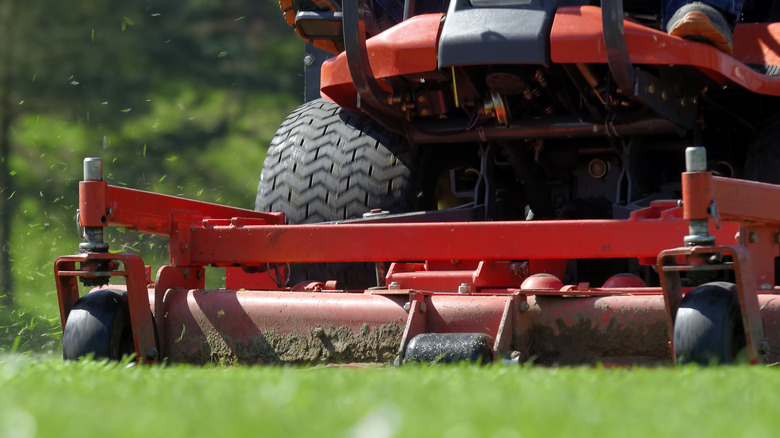

When selecting a lawn mower, a few key questions tend to dominate the decision-making process. Push or riding mower? Gas or battery-powered? Which brand is the best? One element that buyers might overlook is the size of the mower deck. While this doesn’t seem like the most important characteristic of a riding or push lawn mower to debate, the fact is, the size of the mower deck can impact how long it takes you to get your lawn done, how easy it is, and the overall quality of the cut in the end.
The most obvious aspect of selecting a deck size comes down to how much grass actually gets cut with each pass. The wider the deck is, the more grass the blade within can cut, helping you mow your lawn quicker than you would with a smaller setup. The trade-off is that a wider deck can inhibit maneuverability, especially in tight fenced-in corners or when trying to avoid obstacles like rocks and tree roots.
This can potentially leave patches of grass uncut. It’s also worth determining the right deck size so the mower will fit in its designated storage area, fit through any fence gates, and meet your desired maintenance level. A wider deck means more surface area for grass and debris to stick to and more area to clean once mowing is complete. Even with the right mower deck cleaning tools, this amounts to extended cleanup time. On the whole, mower deck size isn’t something to gloss over when mower shopping. The question is, which width is considered most ideal for your lawn size?
Recommended mower deck sizes for specific lawn sizes
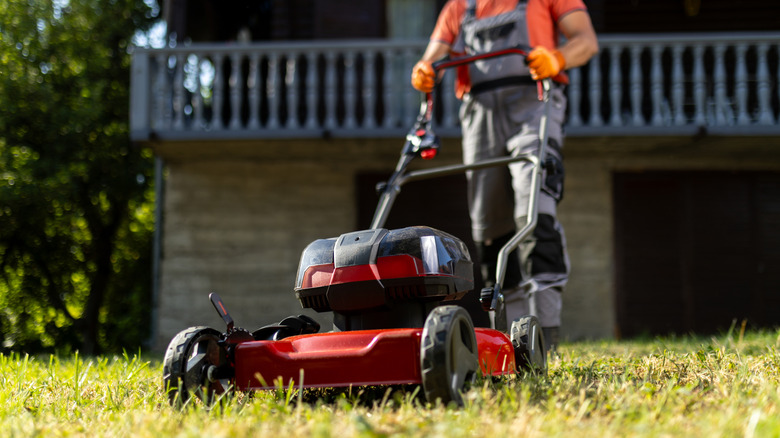
Overall, you can really use any mower deck size you want for your lawn, but there are recommended yard sizes for specific widely-seen mower deck widths. Generally speaking, an acre or less shouldn’t need any more than a push or riding mower with a deck size between 21 to 48 inches. The closer you get to the 1 acre mark, a riding mower is recommended for the sake of time, while increasingly small fractions of an acre-sized yards can likely do with a push mower with or without a self-propel feature.
Meanwhile, once you go further into yards spanning multiple acres of land, a riding mower or a fast, maneuverable zero-turn mower with an even larger deck becomes essential. 1 to 5 acres typically calls for a deck between 50 and 60 inches, while yards coming up on 10 acres and beyond need a deck size between 66 and 72 inches. Even with the largest deck size on such a massive property, you’ll still need to carve out several hours to get the job done and game plan for avoiding inevitable obstacles.
Just as routine lawn mower maintenance is essential, the same can be said for choosing the correct mower for your needs. While things like budget, brand, and style are important, there’s no denying the necessity of picking the right mower deck size for your property.

Stephan is the sports journalist for the Maple Grove Report.