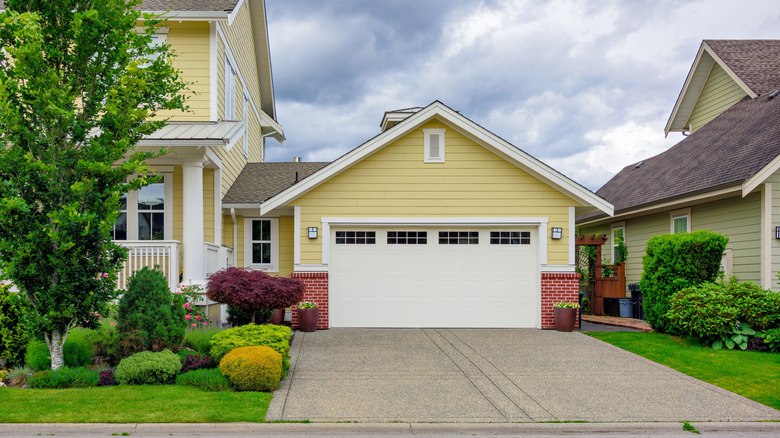
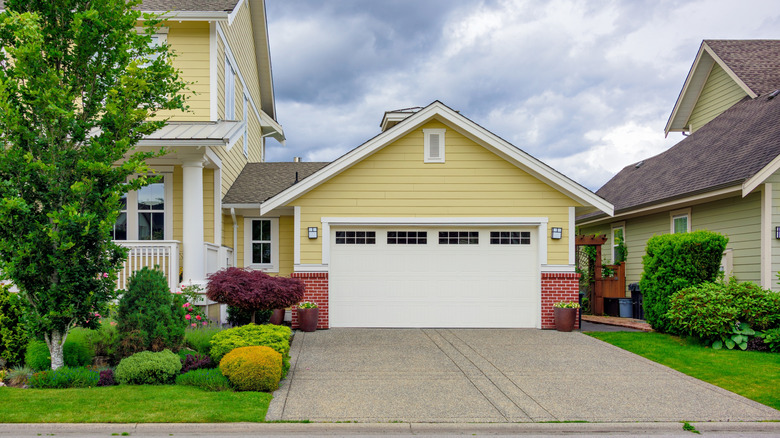
In addition to cleaning your driveway to make it look good as new, homeowners may at some point have to repair or completely replace their driveway. Should this day come, you’re going to want to get a driveway that lasts. Concrete and asphalt are two of the most popular materials with which to build driveways, but they differ greatly in terms of their longevity. While they both have their pros and cons, concrete tends to last significantly longer than asphalt.
Typically, concrete driveways last anywhere between 30 or even 40 years, while the average asphalt driveway will last between 15 and 30. Concrete driveways are also more easily customizable with different colors and need less routine upkeep.
With that said, concrete does come with some drawbacks. For one, it is more expensive, costing anywhere between about $6 to $15 per square foot versus asphalt, which costs between $5 and $12. Concrete can also take between a week and a month to fully cure, whereas asphalt is typically good to go in a few days. Still, that extra durability with concrete is worth it.
Certain factors influence how long your driveway lasts
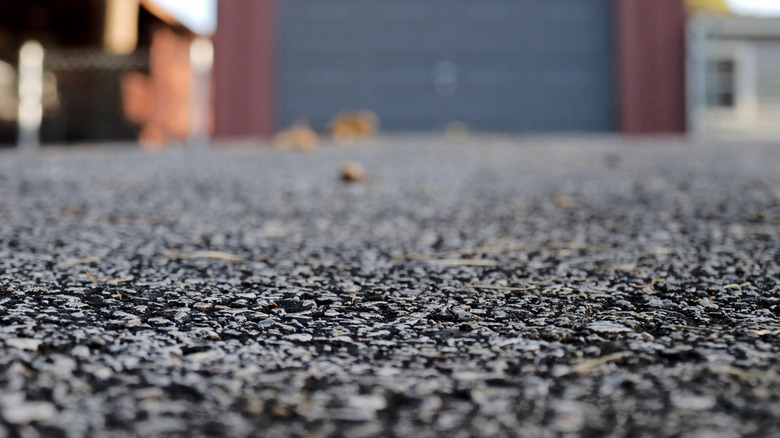
Of course, there’s more to driveway durability than the material used. How, where, and when it’s laid out can all heavily influence the number of years you’ll have an intact driveway of any makeup. Any mistakes made during the laying process will make premature breakage more likely, regardless of which material you choose.
Weather is also something to consider. In fact, asphalt driveways may end up lasting longer in harsh winter climates because water can penetrate concrete driveways and freeze, causing breakage. While this can be avoided by sealing a concrete driveway and small cracks can usually be fixed rather than replacing the entire thing, asphalt is a more flexible material that might last longer in cold weather. On the other hand, asphalt can be softened under extremely hot temperatures, which can lead to damage or divots. If you are in a hotter climate, concrete will likely last longer.
It’s worth noting that there are also other alternatives to asphalt and concrete, including recycled asphalt pavement that can still last you about 20 years if it is well maintained. No matter which material you choose, there are always going to be pros and cons to consider based on your situation. It’s crucial you keep your driveway maintained regardless of which material you choose so that damage or a replacement is less likely to occur.